Florida’s Best Freshwater Fishing Spots for Beginners
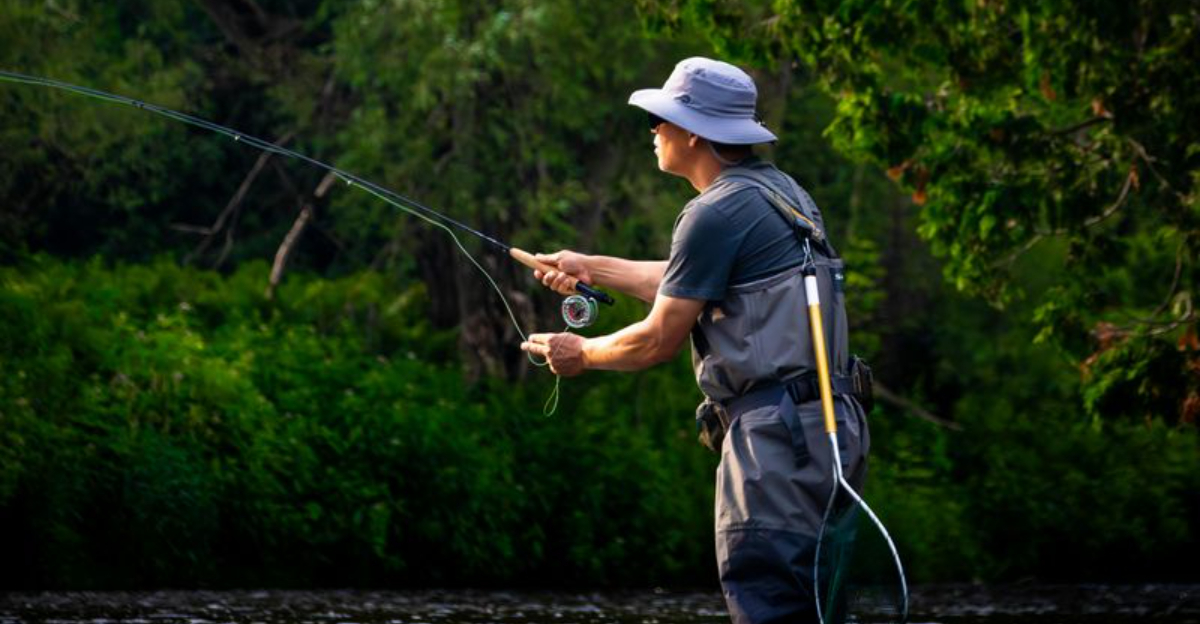
New to freshwater fishing in Florida and not sure where to cast first? You are in the right place.
These beginner friendly hotspots put you close to fish, ramps, and easy-to-read water so you can learn fast and actually feel a tug. Grab a license, a couple of confidence baits, and let these picks turn your first trips into keep-going wins.
1. Lake Tohopekaliga (Kissimmee / Lake Toho)
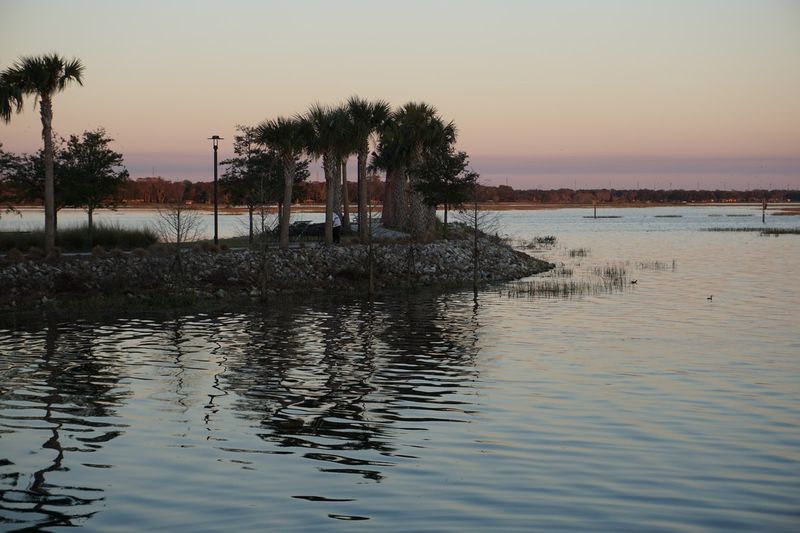
Right on Kissimmee’s doorstep, this lake makes it ridiculously easy to feel like you know what you’re doing. Start at Big Toho Marina and the nearby lakefront areas where you can fish from shore without bushwhacking your way to the water.
The lake is famous for bass, but beginners also run into panfish and catfish often enough to keep morale high. Look for clean edges where hydrilla or pads meet open water; that “line” is your target zone.
A weightless soft-plastic worm worked slowly along the grass can turn a slow day into a story, and a small spinnerbait lets you cover water when you’re impatient (which is normal). If wind pushes bait toward a point or shoreline, set up there and cast with the breeze—it’s an easy advantage that feels like insider magic.
2. Kissimmee Chain of Lakes area (Osceola/Polk)

Think of this area as Florida’s freshwater training ground: if one lake is off, the next one is a short hop away. That flexibility is gold when you’re learning, because you can practice the same simple patterns—grass lines, lily pad edges, canal mouths—without committing to one “perfect” spot.
The Chain is loaded with bass, and the calmer pockets also hold plenty of bluegill that happily bite small jigs or worms under a bobber. Focus on obvious structure you can see: docks, reed clumps, and any place where shallow water drops off into darker water.
Early and late are reliable, but cloudy days can keep fish shallow longer, which helps from the bank. Keep your approach basic: make a few casts parallel to the shoreline, then angle out toward deeper water.
You’ll learn faster, and you’ll snag less.
3. St. Johns River (central and north sections)
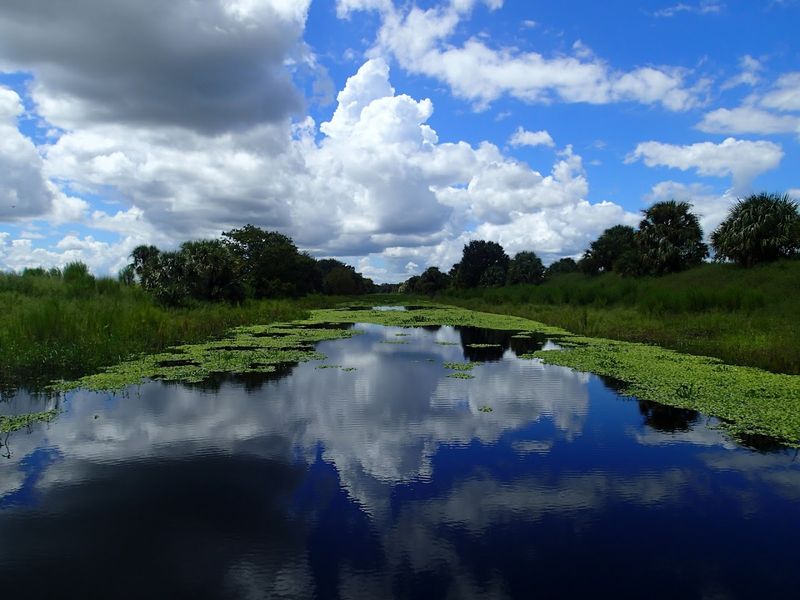
If lakes feel like a still photograph, this river is the moving version—and it’s a great classroom. Find public access parks, ramps, and bank pull-offs where you can fish safely without playing frogger with traffic.
Current does a lot of the work for you by delivering food, so you’re looking for “breaks” in that flow: bends, points, dock pilings, creek mouths, and any pocket where the water slows down. Cast slightly upstream and let your bait drift naturally past the spot, like it’s part of the river’s plan.
Live bait under a float is almost unfair for beginners, but a small swimbait or jig also produces when you want to feel more hands-on. Pay attention to tide influence in some stretches; when the water starts moving, bites often follow.
Bonus: you’ll catch a mix—bass, bream, catfish—so every tug is a surprise.
4. Ocklawaha River / Rodman Reservoir area (Northeast FL)
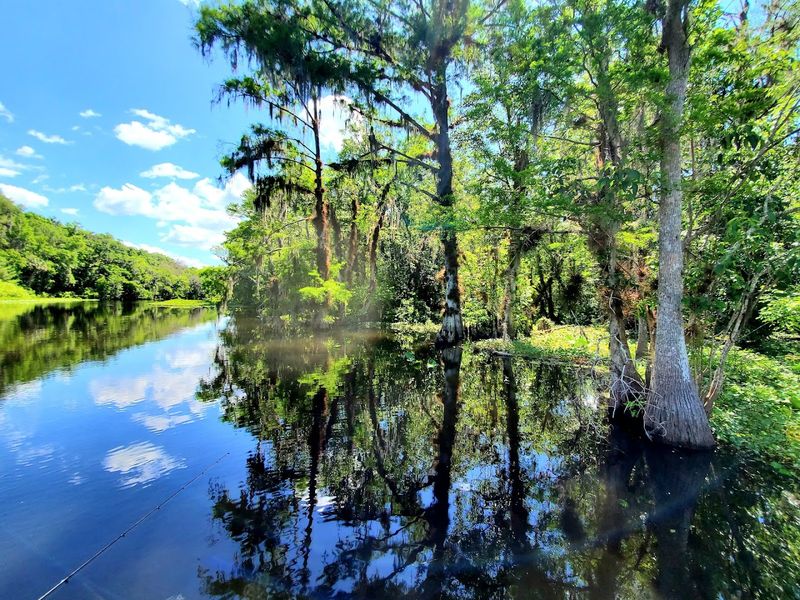
This place has a wild, “old Florida” feel that makes the first bite hit extra hard. You’ll find fishy-looking water everywhere—stained water, cover, and lots of edges—so beginners aren’t stuck guessing which shoreline is “right.”
Rodman (within the Ocklawaha system) is famous for big bass, but you don’t need a trophy to have a great day; smaller fish still bite aggressively around vegetation, timber, and canal mouths.
Pick a simple target and commit: the outside edge of pads, a line of submerged wood, or a shaded bank where water looks a little deeper. A weedless soft plastic is your best friend here because snags are part of the landscape, and a popping frog is a fun option when vegetation is thick and you want topwater chaos.
Watch for birds working shallow areas—locals notice that clue because it’s usually not random.
5. Urban canals and community lakes (South Florida peacock bass option)

South Florida’s canals are the “quick bite” headquarters, and they’re perfect when you want action without a whole expedition. You can pull up after work, walk a stretch, and fish within minutes—just keep an eye on signage and local rules where you park and cast.
Peacock bass are the headliners in many areas, and they fight like they’ve got somewhere important to be. They love moving lures, so bring something you can swim steadily: small jerkbaits, crankbaits, swimbaits, or even a simple jig.
Aim at seawalls, culvert openings, bridges, and any spot where water funnels; those are natural ambush points. Clearer water often means fish can see you, so stand back from the edge and make longer casts.
When you spot a fish cruising, don’t panic-cast right on its head—lead it a few feet and work the lure past like it’s escaping.
6. Family-friendly park piers and lakefronts

When you want beginner fishing with a built-in safety net, park piers and maintained lakefronts are the move. You get stable footing, easy casting space, and usually bathrooms and shade nearby—small comforts that matter when someone’s learning.
These spots tend to produce “confidence fish” like bluegill and other panfish, plus the occasional bass or catfish that turns a casual outing into a victory lap. Use small hooks and live worms or bits of shrimp under a bobber, and keep the depth shallow at first; watching the float is half the fun, especially for kids.
If the sun is bright, shade lines become your best target—under the pier, along overhanging trees, or beside dock pilings. Bring a small net and a pair of needle-nose pliers; it makes unhooking fast, which keeps the mood happy and the hands safe.
The goal here isn’t perfection—it’s steady bites and zero stress.