Glow-in-the-Dark Lagoons & Secret Caves: 13 Florida Nature Oddities
Florida’s strangest places are hiding in plain sight, and they are begging you to ditch the beach chair. Think glow-in-the-dark water, vanishing lakes, and caves you can actually walk through.
This is the Florida locals whisper about when the crowds leave and the air gets still. Ready to chase the weird in the wildest corners of the Sunshine State?
1. Bioluminescent Lagoons (Indian River Lagoon / Mosquito Lagoon, Space Coast)
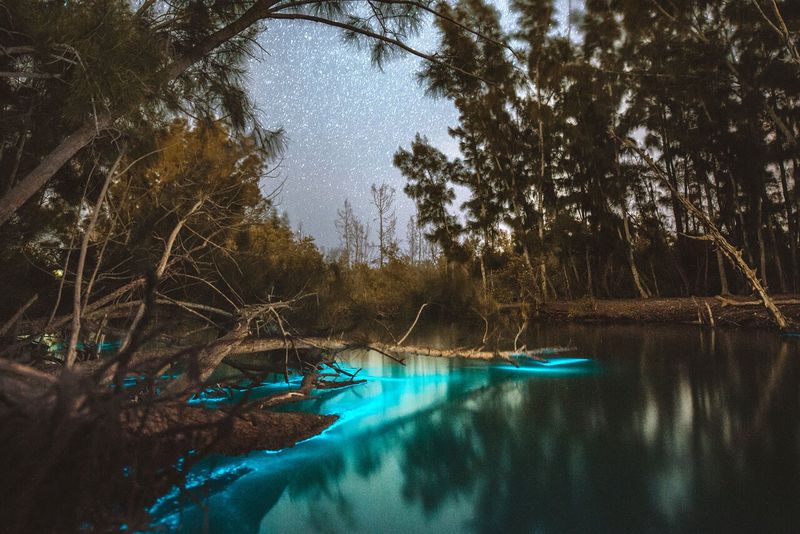
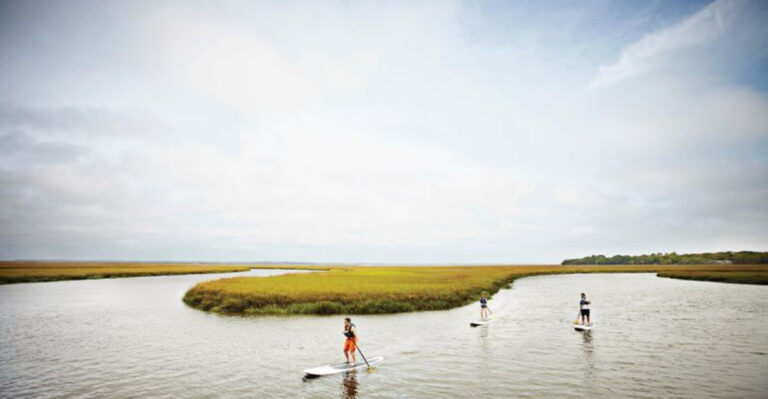
After dark on the Space Coast, paddling turns into a light show. Dip your hand in and you’ll see sparkly blue-green flecks burst and swirl, like someone dumped glitter into the water—except it’s alive.
The glow comes from tiny organisms (dinoflagellates), and the best nights are usually warm, dark, and moonless. Launch from spots around Titusville or Merritt Island and keep your headlamp low so your eyes adjust; you’ll catch the glow trail behind your kayak and the little explosions that pop when mullet jump.
You don’t need to be a hardcore paddler, but you do need to respect the place: stay in marked channels, give manatees space, and keep noise down—sound carries over flat water. If you want the “wow” moment, drag your paddle slowly and watch the lagoon answer back.
2. Fakahatchee Strand Preserve (near Naples / Big Cypress edge)
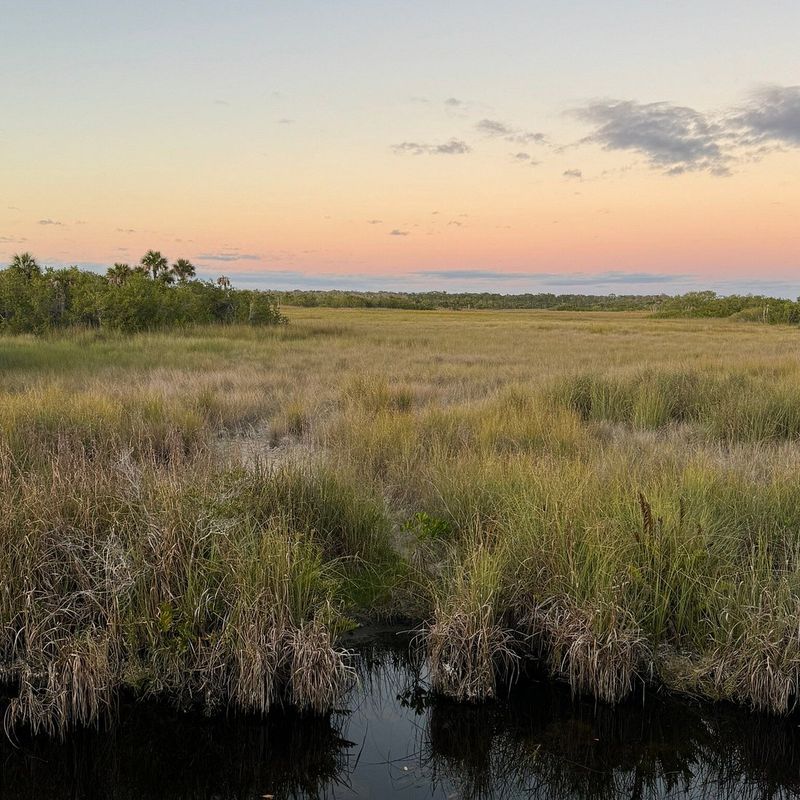
This is Florida’s plant-nerd paradise, and it feels delightfully unruly. You’re walking into a strand swamp—slow-moving water, towering cypress, and air that smells like wet bark and earth.
The real flex here is the orchids and bromeliads, clinging to trunks and branches like they pay rent. A good day has ghost orchids on your mind (rare, legendary), plus all the supporting cast: ferns, palms, and a soundtrack of birds you’ll hear before you see.
Trails can be muddy, and in the wet season you might be splashing more than strolling, so shoes you don’t love are the move. Keep an eye on the edges of canals and sloughs—otters, gators, and wading birds treat this place like their neighborhood.
It’s not manicured, and that’s the point.
3. Blowing Rocks Preserve (Jupiter Island / Hobe Sound)
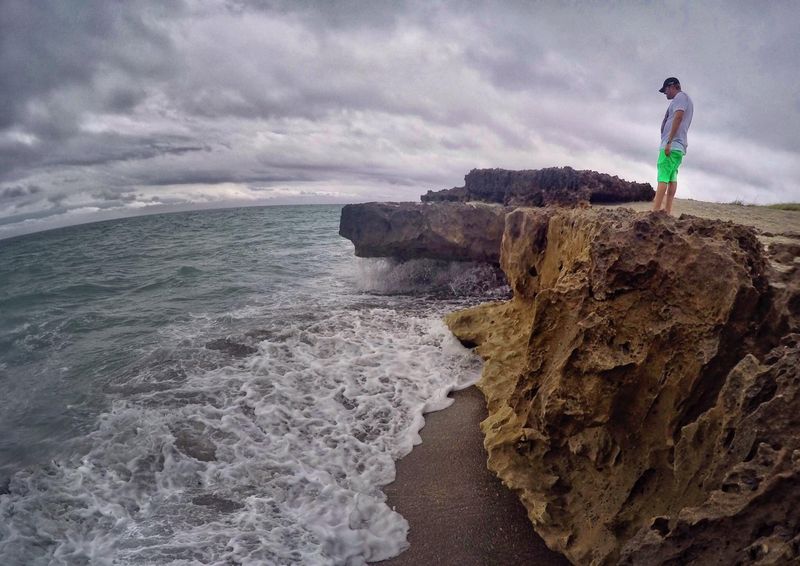
There are beaches, and then there’s this dramatic stretch of shoreline that actually puts on a performance. When surf is up, waves slam into the Anastasia limestone and shoot water through holes in the rock like surprise geysers.
You’ll hear it first—the boom—then the spray. The preserve itself is a neat mix: rocky coast on one side, coastal hammock and dunes on the other, so you can bounce between salt-spray drama and shady, breezy trails.
Timing matters. High tide and a lively ocean are when the “blowing” earns its name; calm days are still pretty, just less theatrical.
Wear shoes with grip if you’re exploring near the rocks, and keep a respectful distance from the edge because the splash zone can be slick. It’s one of those places where Florida briefly feels like a different coastline entirely.
4. Florida Caverns State Park (Marianna)
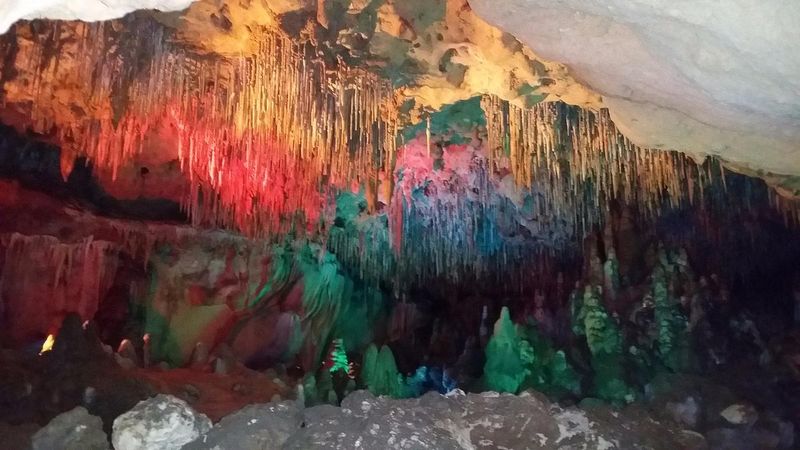
Florida isn’t supposed to have show-caves, and yet—here we are. This park’s limestone caverns are cool, literal temperature-drop cool, which is a relief after a Panhandle summer afternoon.
On a guided tour you’ll walk through chambers where mineral formations hang and curl overhead, and the whole place echoes in that quiet, damp way caves do.
Above ground, the scenery flips to hardwood forest and the Chipola River, so you can stack a cave tour with a hike or a paddle and feel like you traveled states in one day.
Bring a light layer if you run cold; the underground air feels like nature’s AC. Photography usually depends on tour rules, but even without a camera, the textures are the memory: scalloped walls, slick stone, and drip patterns that look like the cave was mid-sentence when it froze.
5. Falling Waters State Park (Chipley)
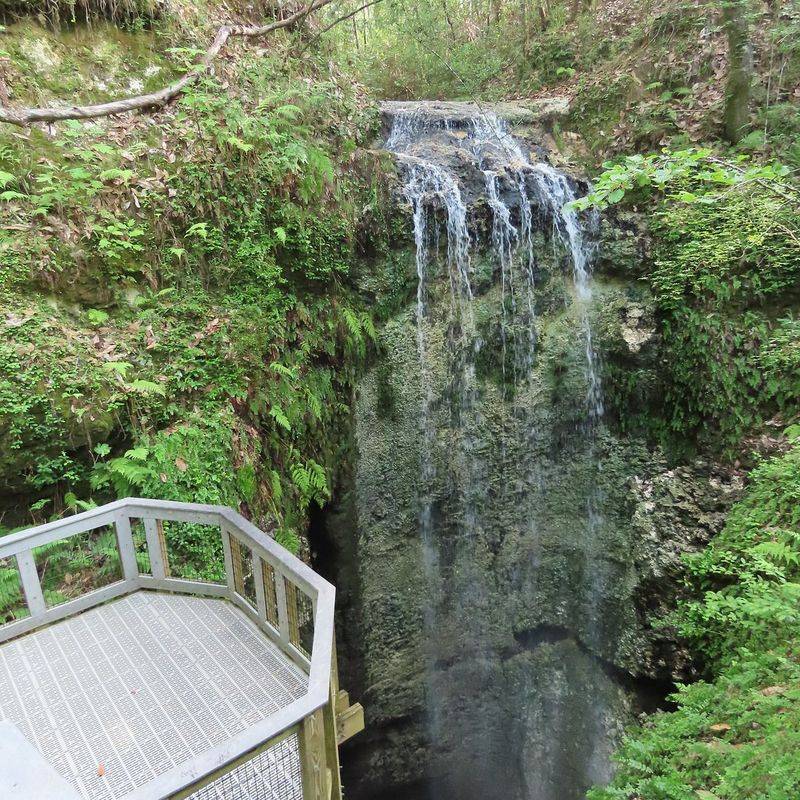
The surprise here isn’t just that Florida has a waterfall—it’s what the waterfall does. Water tumbles over the edge and drops into a cylindrical sinkhole, then vanishes underground like it has somewhere important to be.
After heavy rain, the falls put on their best show, and you can feel the extra roar in the air as you walk the boardwalk through wetland greenery. The trail is short and easy, which means you can bring the whole crew without turning it into an endurance event.
Look closely around the sinkhole rim and you’ll notice the geology doing quiet work: layers, erosion, and that “how is this in Florida?” feeling. The park is also a good birding stop, and mornings tend to be calmer and cooler.
It’s quick to visit, but it sticks in your brain because the landscape behaves like a magic trick.
6. Devil’s Millhopper Geological State Park (Gainesville)
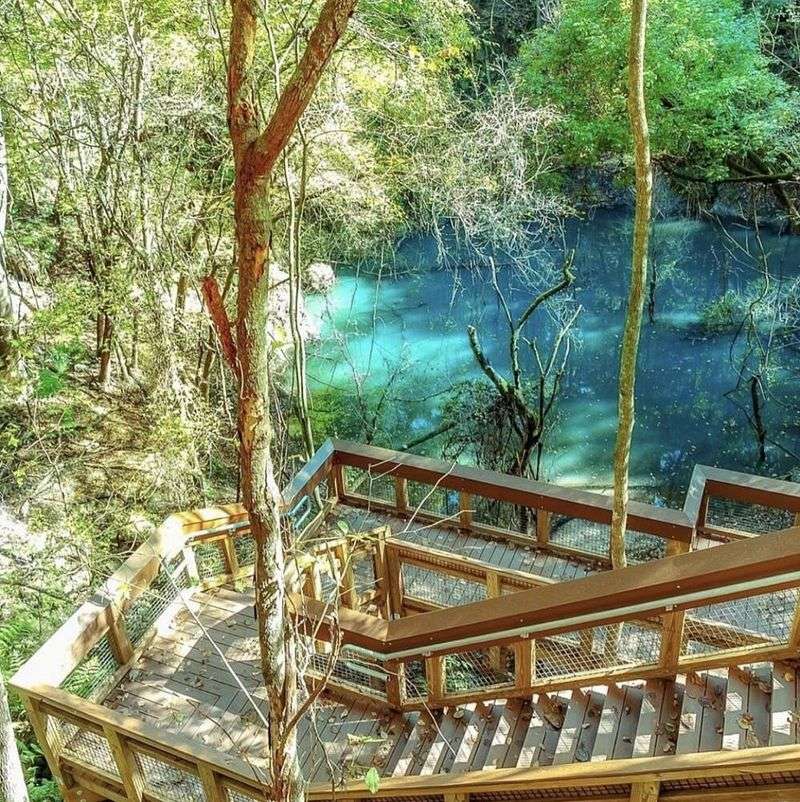
If you like the idea of Florida having a secret, this sinkhole is it. One minute you’re in a normal North Florida setting, and then you’re staring down into a lush bowl of forest that looks oddly tropical—ferns, shade, and humid air pooled at the bottom.
The main action is the staircase: a leg-burner on the way back up, but worth it for the perspective shift as you descend. After rain, small streams trickle down the sides, and the whole place feels freshly rinsed.
The rim has viewpoints that let you appreciate the scale without committing to the steps, so it works for both “quick stop” and “let’s earn lunch” visitors. Keep your eyes on the layers of exposed soil and rock—this is Florida showing off its underground drama.
Also: mosquitoes can be enthusiastic, so don’t come unarmed.
7. Coastal Dune Lakes (South Walton / 30A area)
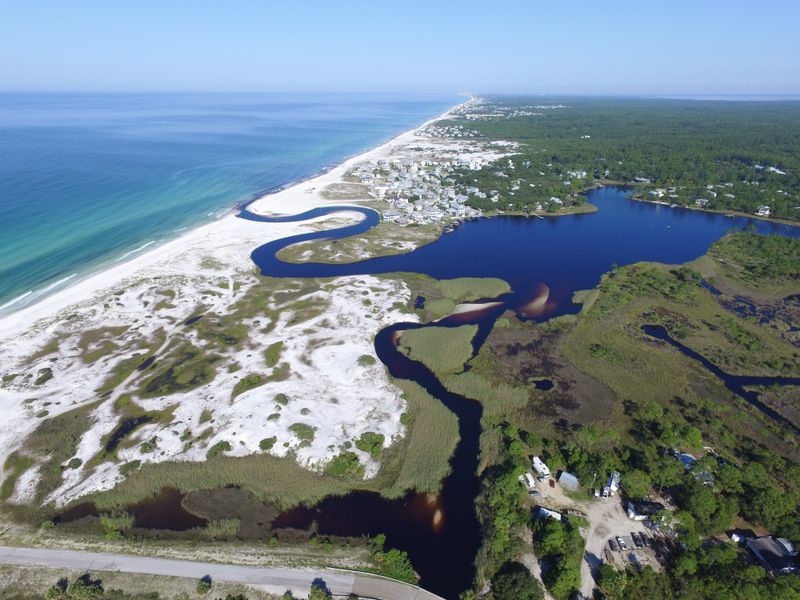
Most people roll into 30A thinking it’s all sugar sand and beach bars, then these lakes show up and quietly steal the plot. Coastal dune lakes are rare on the planet, and Northwest Florida has a cluster of them—shallow, tea-colored or greenish water tucked behind dunes, with occasional “outfalls” where the lake connects to the Gulf.
That connection can open and close depending on rainfall, storms, and shifting sand, so the landscape changes like it’s in a mood. You’ll spot them near spots like Western Lake (by Grayton Beach) where you can kayak through calm water under low, leafy canopies and then drift toward a bright ribbon of beach.
The contrast is the fun part: freshwater-ish calm one moment, salty ocean energy the next. Go early for glassy water and fewer crowds, and bring binoculars—birds treat the lake edges like a buffet line.
8. Big Shoals State Park (White Springs, Suwannee River)
Yes, Florida has whitewater. Not “Colorado raft trip” whitewater, but legit rapids that make the Suwannee River get loud and frothy—especially after rain.
Big Shoals is the main event, and the hike to reach it feels like you’re sneaking up on something you weren’t supposed to find in this state. Along the way you’ll pass limestone bluffs and river views that look more Appalachian than peninsula.
When you reach the rapids, hang out for a minute and listen: the river sounds different here, sharper, more urgent. If you’re hiking, the trails can be sandy in places and muddy in others, so your shoes will collect evidence.
Paddlers come through when conditions line up, but even if you stay on land, it’s a satisfying “Florida has layers” moment. Bonus points if you time it for cooler weather—this park shines in fall and winter.
9. Devil’s Den Prehistoric Spring (Williston)
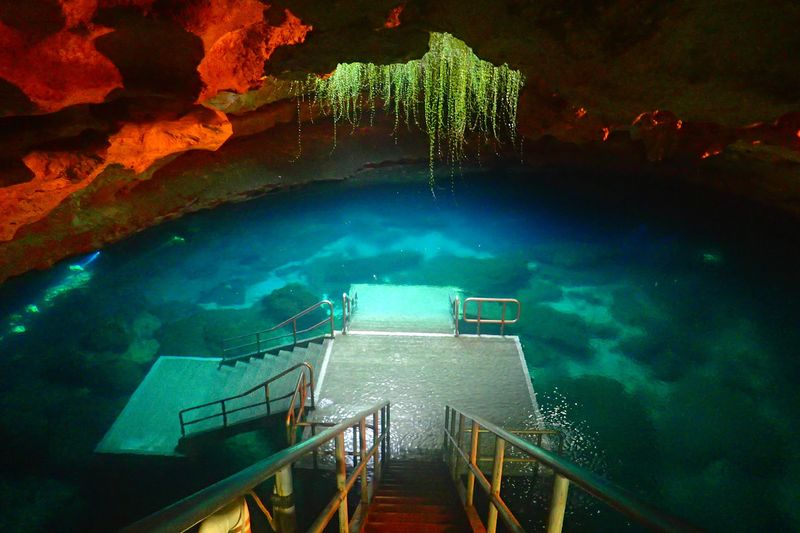
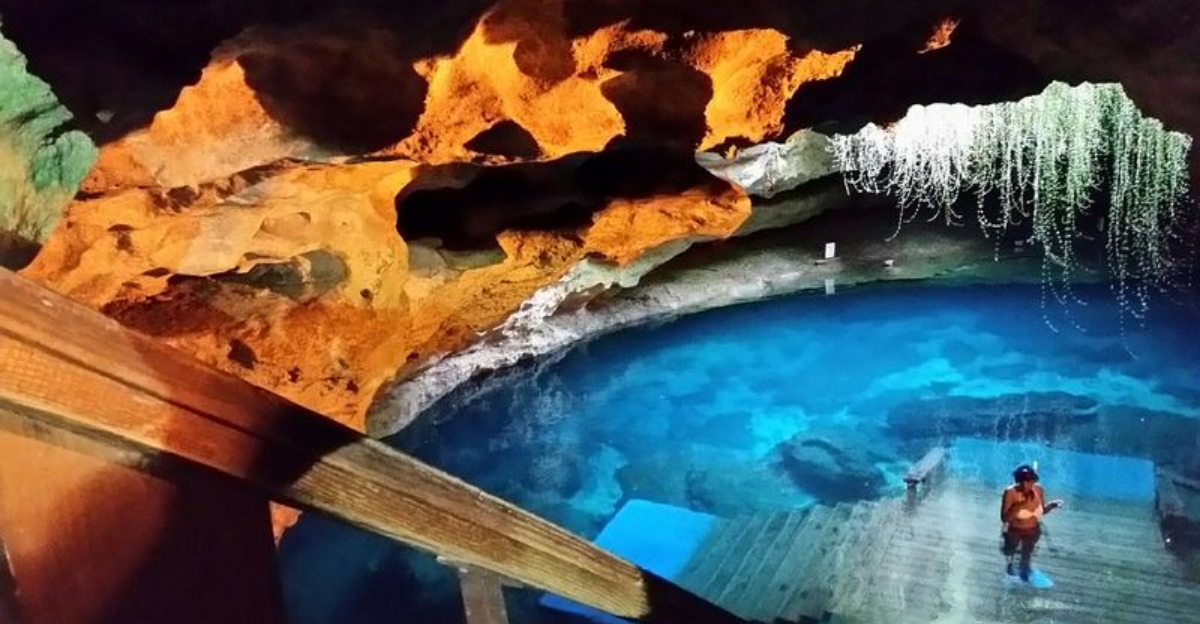
Walking into this spring feels like stepping into a movie set that forgot it’s in Florida. You enter through a sinkhole opening and descend into a cavern-like space where sunlight pours in from above, hitting the water in bright beams.
The spring stays a steady, chilly temperature, and the clarity is the big flex—swim goggles or a mask make the whole experience better because there’s so much to see. It’s a popular spot for divers, so you’ll often hear the soft clink of gear and see bubbles drifting up like tiny balloons.
Even if you’re just swimming, you’ll notice how the rock walls curve and pocket around you, creating that enclosed, echo-y vibe you usually associate with faraway cenotes. Because it’s privately operated, there are rules and hours to follow—treat it like a natural feature with a front desk, not a wild spring you can freestyle.
10. Lake Jackson “Disappearing Lake” Sinkhole Events (Tallahassee area)
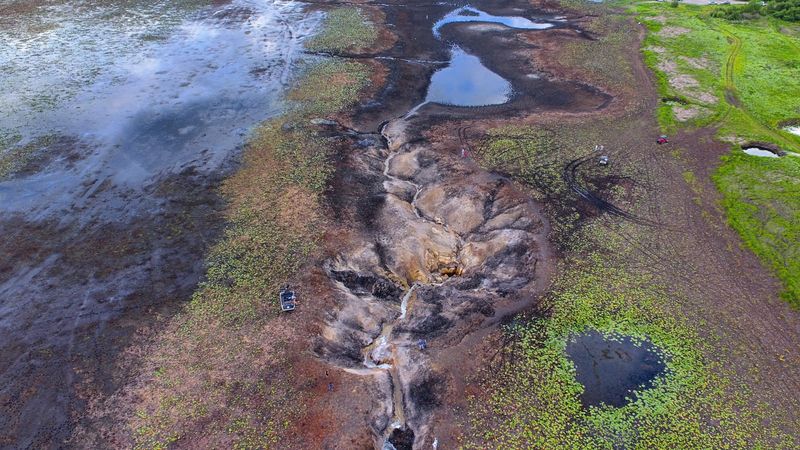
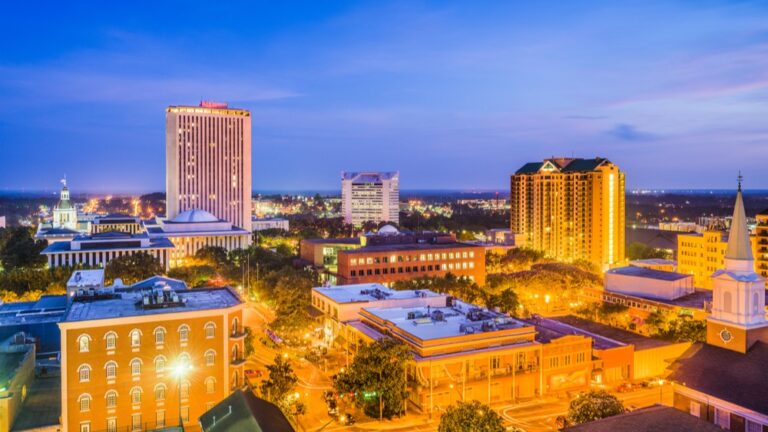
Every so often, Lake Jackson decides it’s done being a lake. Water levels can drop dramatically when sinkholes in the lakebed open up and drain water into the Floridan aquifer system, exposing muddy flats, old stumps, and weird little islands that usually stay hidden.
When it happens, locals go into instant “field trip” mode—because it’s rare to watch a whole ecosystem rearrange itself in real time. You might see fish stranded in pockets, birds showing up to take advantage, and plant life popping where there used to be open water.
The vibe is part science lesson, part surreal photo walk. If you visit around these low-water periods, stick to firm ground and avoid trampling fragile areas; exposed lakebeds can be deceptively soft.
Even when the water is back up, it’s worth knowing what’s beneath the surface—Lake Jackson is basically Florida’s geology making itself visible for a minute.
11. Everglades Mangrove Tunnels & Ten Thousand Islands (Everglades NP area)
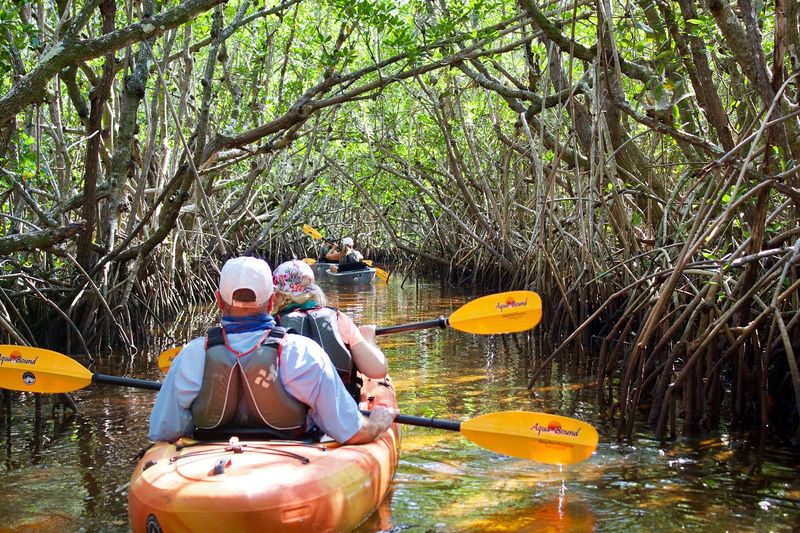
If you want the Everglades to feel intimate, get on the water. Out here, mangroves form living hallways—branches arching overhead, roots lacing the edges, and the channel narrowing until you feel like you’re paddling through a green room.
The Ten Thousand Islands area adds the salty, coastal twist: maze-like waterways, oyster bars, and open bays where the horizon suddenly stretches. Wildlife isn’t a “maybe,” it’s a “keep looking.” Dolphins cruise the deeper channels, manatees loaf near warm shallows, and wading birds hunt with that patient, statue-like focus.
The light changes fast—bright glare in open water, then a cool tunnel shade—so sunglasses help. Pick a calm day if you’re new to kayaking; wind can turn open sections into a workout.
It’s quiet in a way that makes you whisper automatically, which is how you know you’re in the right place.
12. Dry Tortugas National Park (70 miles west of Key West)
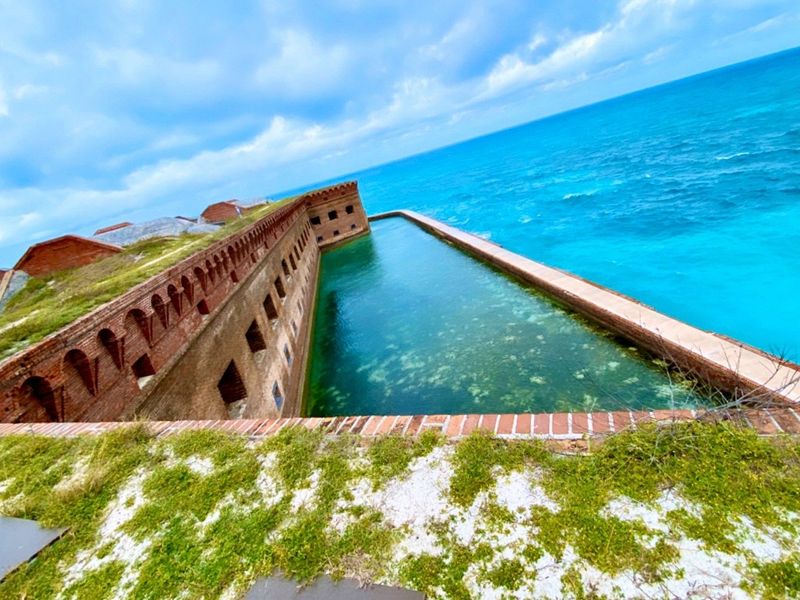
This is Florida’s ultimate “you had to mean it” destination. Getting to Dry Tortugas takes planning—boat or seaplane—and that effort filters out casual drop-ins.
What you get is outrageous: turquoise water so clear it looks edited, coral and seagrass just beneath the surface, and a massive brick fort (Fort Jefferson) plunked onto a tiny island like someone misplaced a piece of history. Snorkeling here is the easy win.
Step in and you’ll see reef fish almost immediately, plus the kind of visibility that makes you forget time. Above water, seabirds dominate the scene, and the wind has that open-ocean edge you don’t feel in the Keys.
Pack sun protection like you’re serious; shade is limited and reflection off water is no joke. This place doesn’t feel like “a park,” it feels like a remote outpost where nature and history share the same small stage.
13. Cypress Domes & River of Grass Landscapes (Big Cypress / Everglades region)
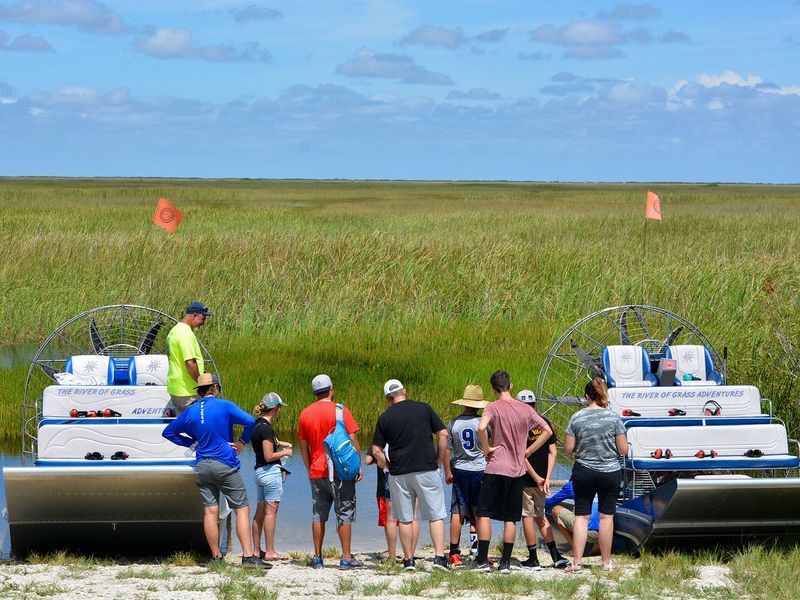
The Everglades isn’t one view—it’s a whole set of textures, and the cypress domes are the underrated stars. From a distance they look like green islands, but up close you realize they’re shaped by water depth: taller trees in the center where it’s deeper, shorter around the edges where it’s shallower.
That’s why they form a dome, like the ecosystem is doing geometry for fun. In the “river of grass” sections, the scene goes wide and open, with sawgrass stretching out and water sliding slowly through it, almost imperceptible until you notice the current tugging at floating bits.
The best way to appreciate it is to slow down and look for movement: an alligator’s eyes at the surface, a heron stalking, a breeze rippling the grass like it’s one giant field. Bring bug spray and patience—this landscape rewards the people who actually pay attention.