Intense Atlantic Hurricane Season Predicted For 2025
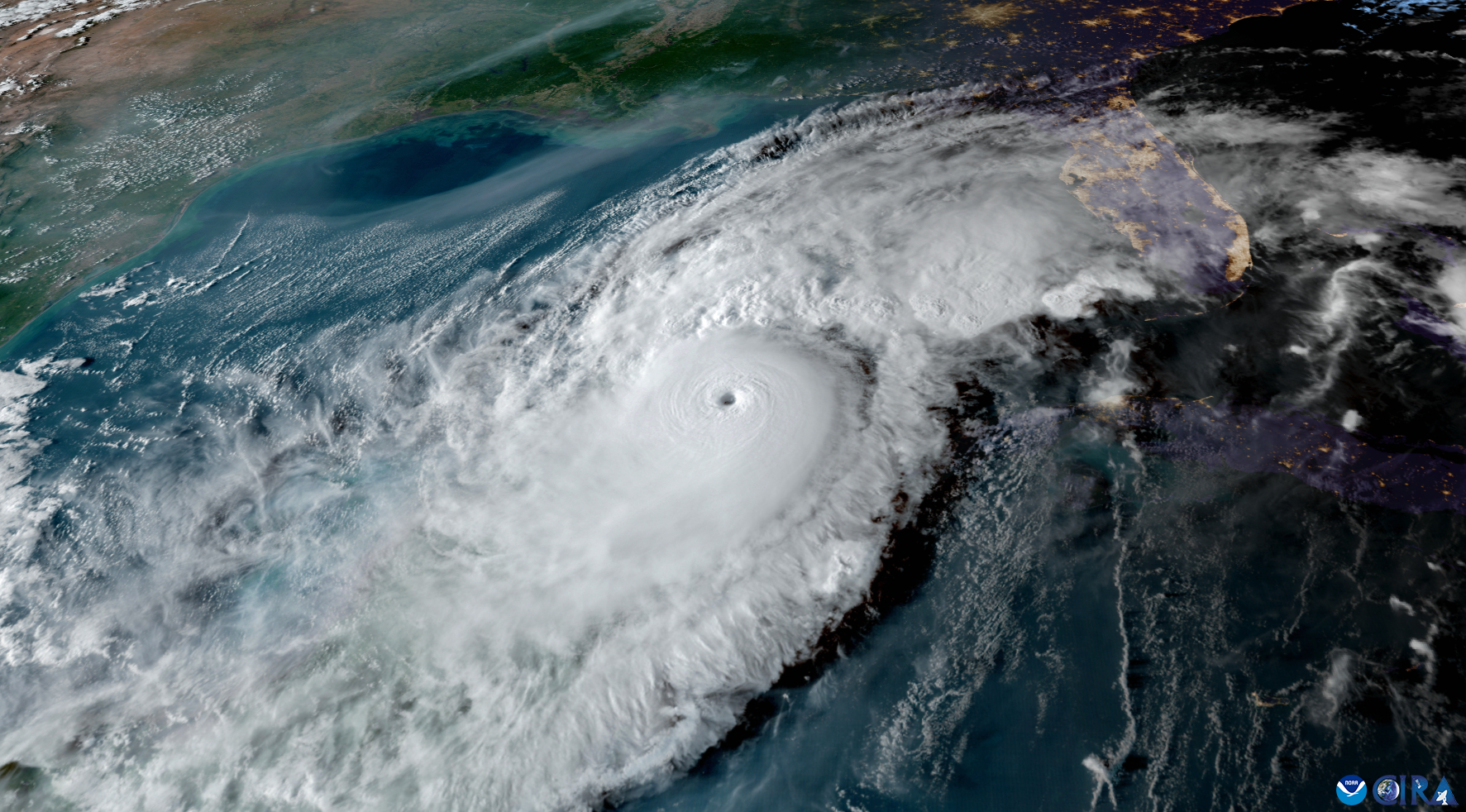
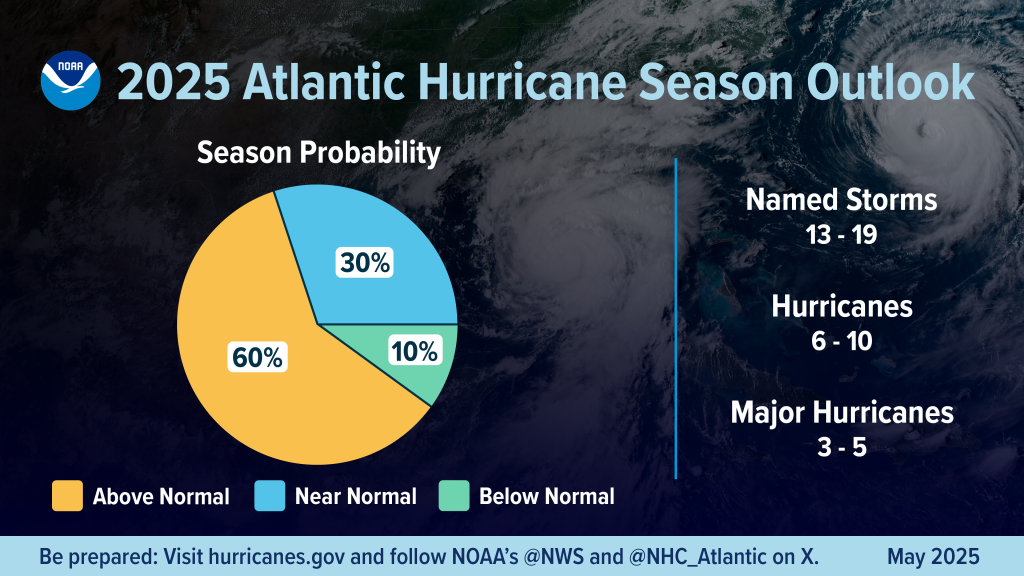
The National Oceanic and Atmospheric Administration (NOAA) is forecasting an above‑normal Atlantic hurricane season for 2025, with activity expected to surpass the long‑term average. According to the May 22 outlook, there is a 60% chance of an above‑normal season, compared to a 30% chance for near‑normal and just a 10% chance for below‑normal activity. They anticipate 13 to 19 named storms, with 6 to 10 of those becoming hurricanes. Of particular concern are the forecasted 3 to 5 major hurricanes (Category 3 or higher), with NOAA placing 70% confidence in these estimates.
Several key factors are contributing to this projected increase in activity. Ocean temperatures across the Atlantic basin remain warmer than average, while wind shear is expected to be weaker than usual. ENSO-neutral conditions are continuing, and a robust West African monsoon could usher in more powerful tropical waves—ingredients that all favor storm formation. NOAA highlights that the high‑activity era in the Atlantic persists, powered by elevated heat content in the ocean and diminished trade winds.
To enhance outlook accuracy and public preparedness, NOAA will roll out several upgrades this season. Its Hurricane Analysis and Forecast System will be improved to deliver roughly 5% better performance in tracking and intensity forecasts. The National Hurricane Center and Central Pacific Hurricane Center will issue advisories up to 72 hours before storm surge or tropical-storm-force winds reach land, offering communities more lead time. NOAA’s Climate Prediction Center will extend its Global Tropical Hazards Outlook from two weeks to three weeks, and Spanish‑language forecasts and public advisories will also be available. A new experimental “cone” graphic will show overlapping inland hurricane and tropical storm watches and warnings, and additional rip current risk maps will be issued during active tropical events.
NOAA is also deploying a new radar system called ROARS on its P‑3 hurricane hunter aircraft to better capture ocean and wind data, and introducing a probabilistic precipitation portal to forecast rain and flash flooding up to three days ahead. These tools reflect NOAA’s commitment to more accurate forecasts and better preparedness for communities across the Atlantic basin.
The official hurricane season runs from June 1 through November 30, and NOAA has emphasized that this outlook reflects overall seasonal activity—not predictions of specific landfall events. A mid-season outlook update is scheduled for early August, ahead of the climatological peak, to refine and adjust predictions as conditions evolve.