Manatee Season in Florida Lasts Till the End of March—Here Are the 6 Best Places to Spot Them
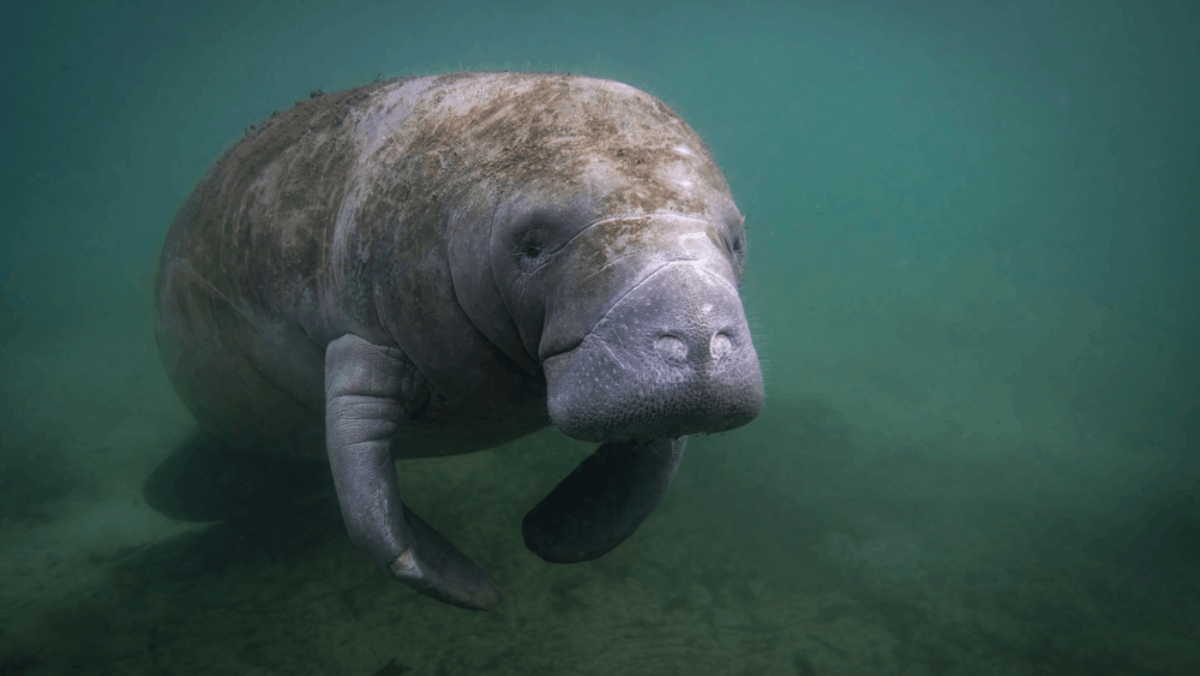
Florida winters bring more than just sunshine and warm beaches.
From November through March, hundreds of gentle manatees migrate to the state’s natural springs and warm-water areas, seeking refuge from the cooler Gulf and Atlantic waters. This seasonal gathering creates one of nature’s most amazing wildlife viewing opportunities, giving visitors a chance to see these peaceful creatures up close in their natural habitat.
1. Crystal River
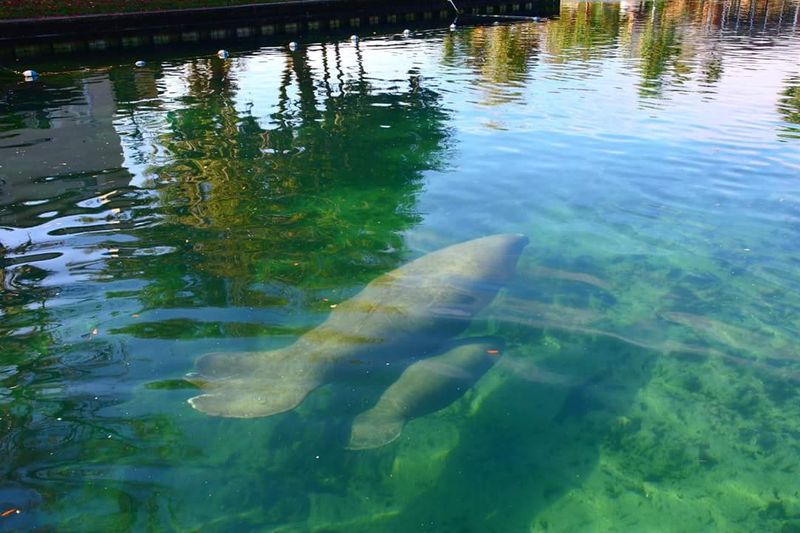
Crystal River stands as Florida’s premier manatee hotspot, drawing wildlife lovers from around the globe. What makes this place truly special is that it’s one of the few locations where you can legally swim alongside these magnificent creatures.
During the winter months, the warm springs become a bustling underwater refuge. Hundreds of manatees crowd into the crystal-clear waters, creating an unforgettable spectacle. Guided tours operate daily, offering snorkeling experiences that follow strict protection guidelines.
Local tour operators provide wetsuits, masks, and expert instruction to ensure both visitor safety and manatee protection. The best viewing happens early morning when manatees are most active and the water is clearest.
Beyond swimming, observation decks and kayak tours offer alternative ways to enjoy these gentle giants. The town itself embraces its manatee reputation, with shops, restaurants, and educational centers all celebrating these beloved marine mammals.
2. Blue Spring State Park (Orange City)
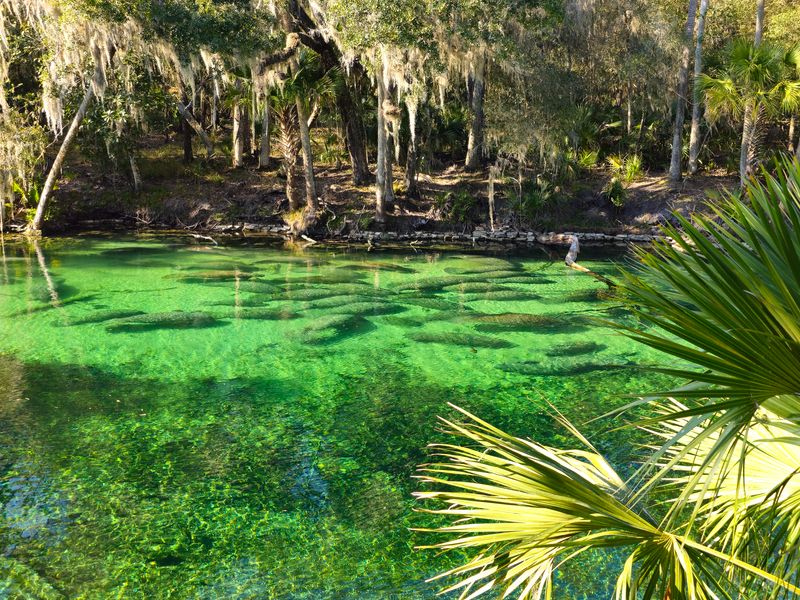
Imagine standing on a wooden boardwalk, gazing down into water so clear you can count every whisker on a resting manatee’s face. Blue Spring State Park delivers exactly that experience, hosting one of Florida’s largest seasonal manatee populations.
When temperatures drop below 68 degrees, manatees stream into the spring’s constant 72-degree waters like clockwork. Park rangers conduct daily counts during winter, sometimes recording over 500 individuals. The park’s elevated walkways and viewing platforms mean you don’t need to get wet to enjoy incredible sightings.
Arriving early gives you the best chance at prime viewing spots along the boardwalk. The spring run stretches for about 2,600 feet, offering multiple vantage points. Patient observers often spot mothers with calves, a heartwarming sight that delights families.
The park also features hiking trails, camping areas, and opportunities for swimming and tubing when manatees aren’t present. Educational signage throughout the park teaches visitors about manatee biology, threats, and conservation efforts protecting these endangered marine mammals.
3. Manatee Lagoon (West Palm Beach)
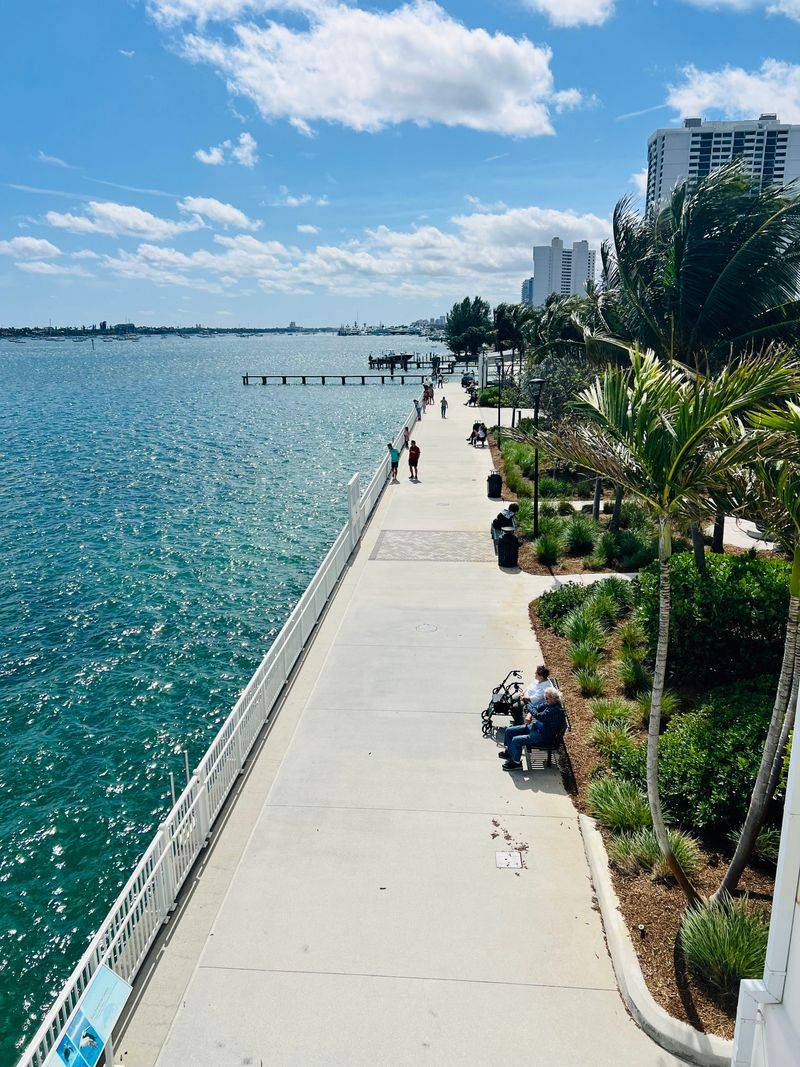
Power plants might seem like unlikely wildlife sanctuaries, but Manatee Lagoon proves that nature adapts in surprising ways. The warm-water discharge from Florida Power and Light’s Riviera Beach plant creates a toasty winter haven that manatees absolutely love.
This free attraction combines wildlife viewing with hands-on learning experiences perfect for families. Floor-to-ceiling windows overlook the discharge canal where manatees congregate in impressive numbers during cold snaps. Interactive exhibits inside teach kids about manatee biology, threats from boats and habitat loss, and ongoing conservation work.
Outside viewing platforms bring you closer to the action, with interpretive signs identifying individual manatees by their distinctive scars. The center opens daily and requires no admission fee, making it an accessible option for budget-conscious families seeking memorable wildlife encounters.
4. Three Sisters Springs
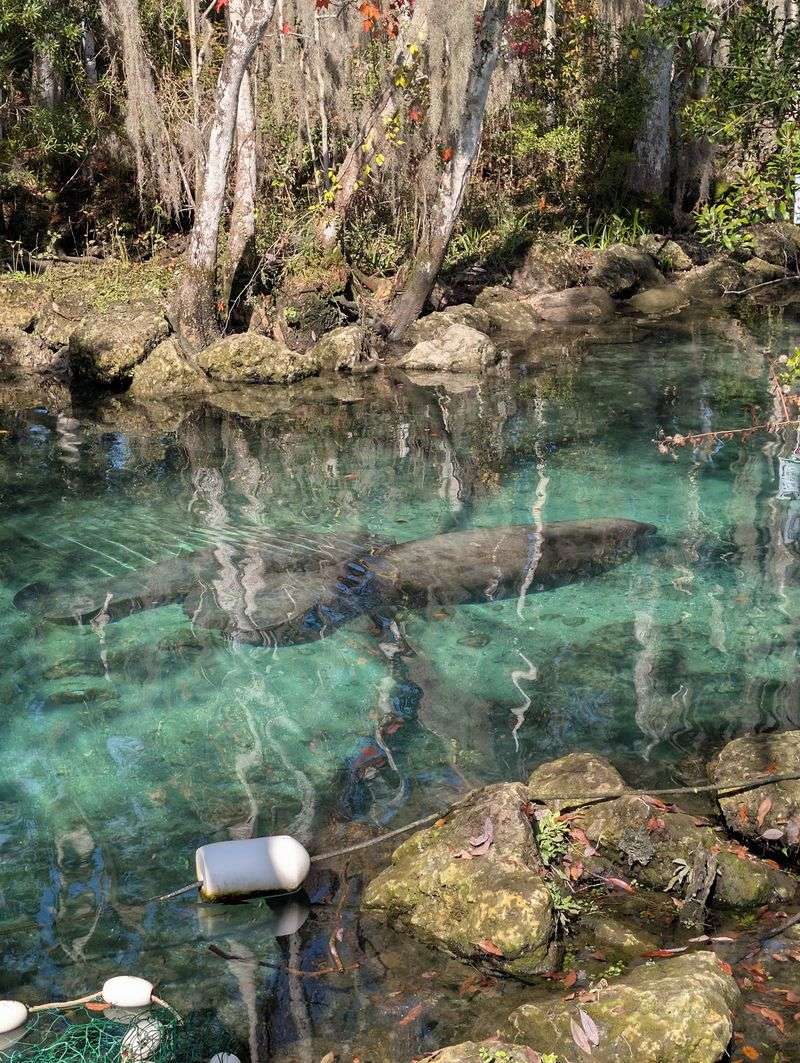
Nestled within Crystal River, Three Sisters Springs functions as a critical winter sanctuary where manatees find relief when Gulf temperatures plummet. The spring’s name comes from three connected spring vents that pump thousands of gallons of warm water every minute.
Elevated boardwalks wind through the preserve, offering bird’s-eye views into the spring’s depths. From these platforms, you can watch manatees rest, play, and nurse their young without disturbing their natural behaviors.
The U.S. Fish and Wildlife Service manages this protected area with strict rules designed to minimize human impact. During peak season, swimming may be restricted to protect resting manatees.
Rangers patrol regularly, ensuring visitors follow guidelines that keep these vulnerable animals safe.
5. Manatee Viewing Center (Apollo Beach)
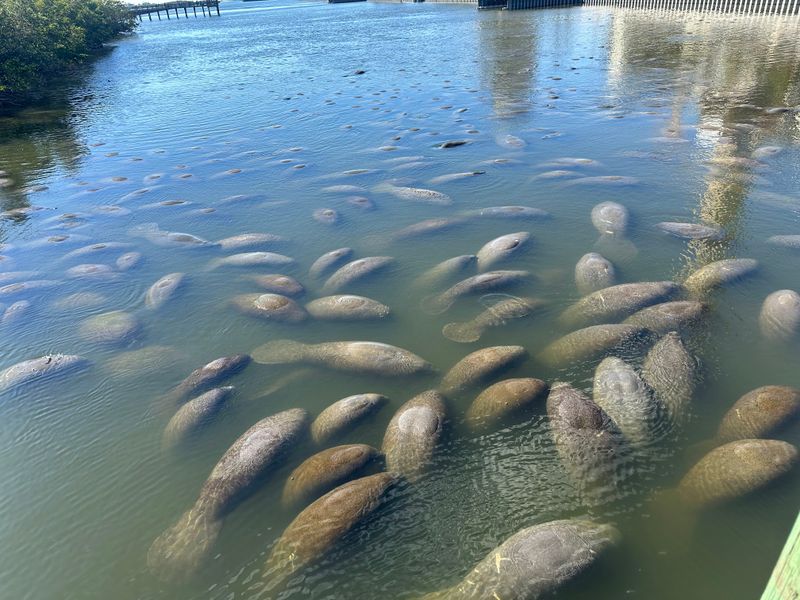
Not all heroes wear capes—some generate electricity while accidentally creating manatee paradise. The Manatee Viewing Center at Tampa Electric’s Apollo Beach power station has become a beloved winter destination where admission costs absolutely nothing.
When bay waters cool down, manatees flock to the plant’s warm discharge canal by the hundreds. Multiple observation decks stretch along the water’s edge, providing unobstructed views of these gentle giants. Visitors often spot mothers teaching calves important survival skills in the protected waters.
The center features a butterfly garden, nature trails, and an educational building packed with interactive displays. Kids especially enjoy the touch tanks and life-size manatee models that help them understand these animals’ impressive size.
Peak viewing typically occurs on the coldest mornings between December and February. The center provides telescopes and binoculars for detailed observations. Picnic areas and shaded pavilions make this an ideal spot for spending several hours, and the free parking adds to its appeal for budget-minded nature enthusiasts.
6. Homosassa Springs Wildlife State Park
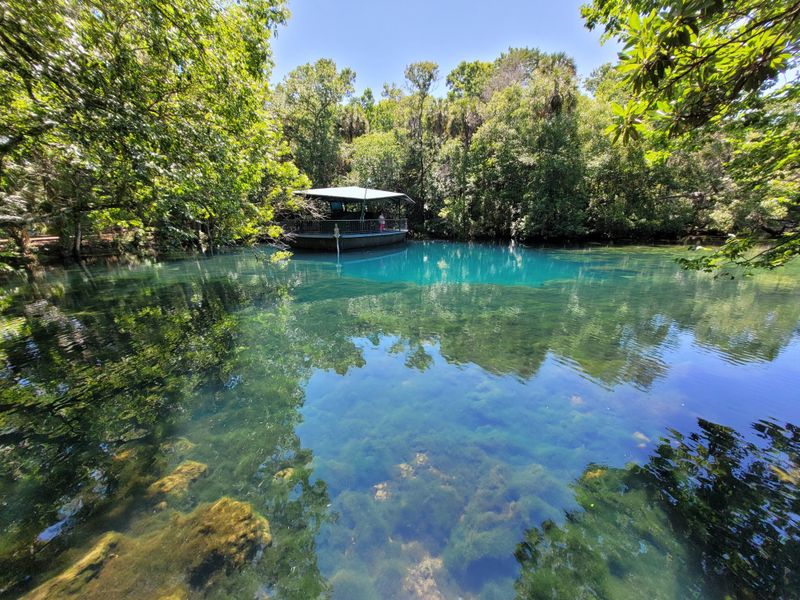
For those seeking a more tranquil manatee experience away from the crowds, Homosassa Springs offers the perfect escape. This wildlife park combines natural spring viewing with rehabilitation efforts for injured manatees, creating both entertainment and education in one beautiful setting.
The park’s underwater observatory is truly unique—a floating building with windows below the waterline. Visitors descend into this submerged viewing room and find themselves face-to-face with manatees swimming past. It feels like entering an aquarium, except everything here is completely natural and wild.
Beyond manatees, the park houses native Florida wildlife including black bears, bobcats, red wolves, and alligators. Walking trails wind through lush vegetation, and educational programs run throughout the day. The combination of habitats makes this destination appealing for families wanting variety beyond just manatee watching.