Millions of Birds Pass Through Florida Every Year—Here’s Where to See Them
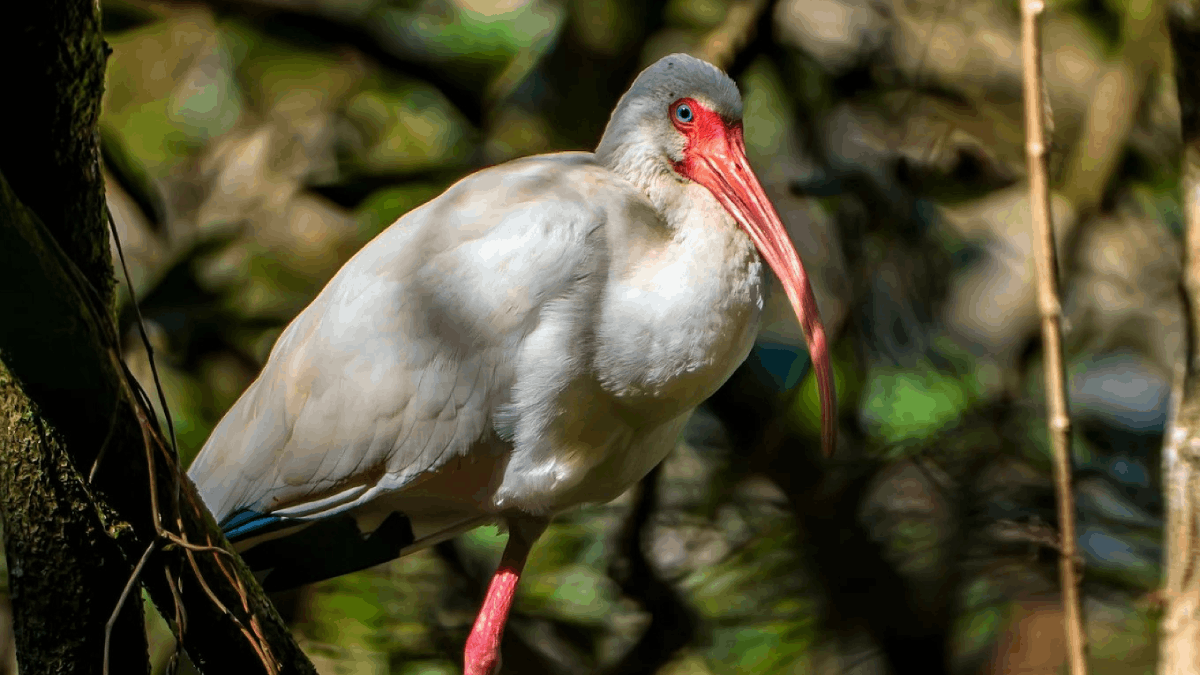
Every year, Florida becomes a bustling highway for millions of birds traveling along ancient migration routes. From tiny warblers to majestic raptors, these feathered travelers stop to rest, feed, and prepare for their long journeys north or south.
Whether you’re an experienced birder or just curious about nature, the Sunshine State offers incredible opportunities to witness this spectacular phenomenon. Here are nine amazing spots where you can see these winged wonders in action.
1. Everglades National Park
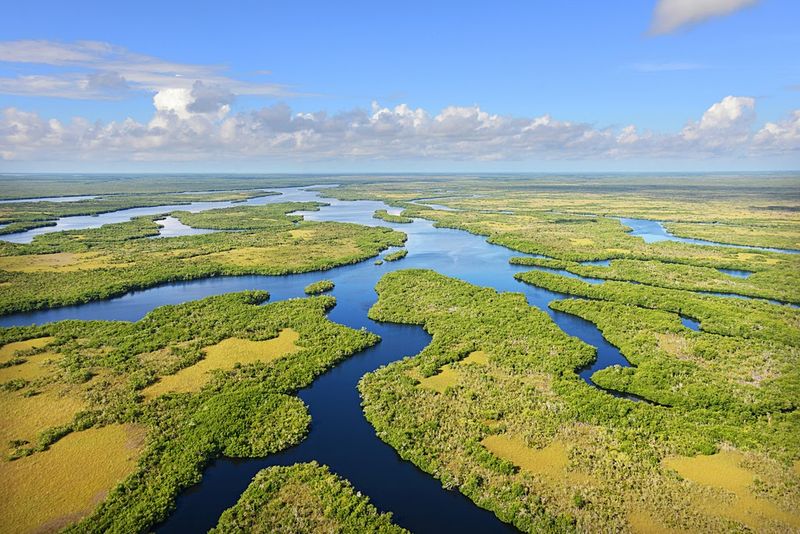
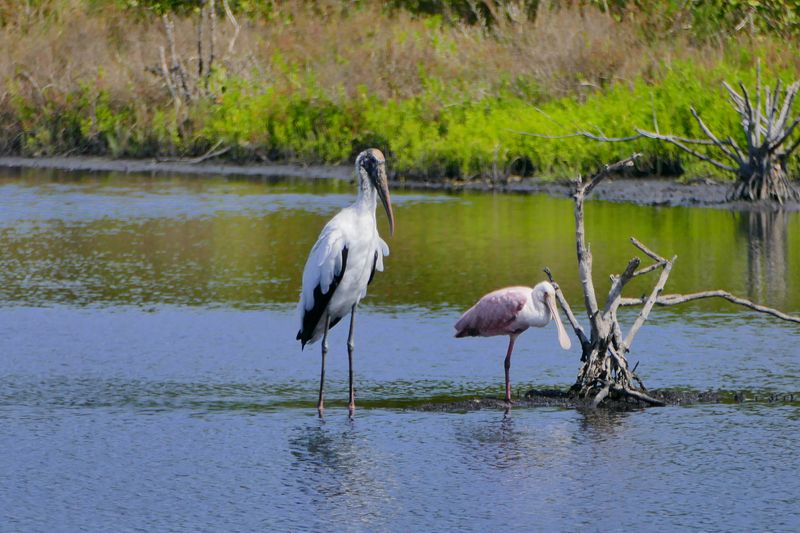
Stretching across 1.5 million acres of wetlands, this UNESCO World Heritage Site hosts one of North America’s most diverse bird populations. Roseate spoonbills, wood storks, and snail kites make their homes here year-round. During migration season, the skies fill with hawks, warblers, and shorebirds by the thousands.
The Anhinga Trail is perfect for beginners, offering close-up views of herons and egrets hunting in shallow waters. Bring binoculars and visit early morning when birds are most active. Winter months bring the biggest crowds of feathered visitors escaping the northern cold.
Rangers lead free bird walks throughout the year, sharing expert knowledge about species identification and behavior.
2. Merritt Island National Wildlife Refuge
Sharing borders with the Kennedy Space Center, this refuge proves that nature and technology can coexist beautifully. Over 330 bird species have been recorded here, making it one of Florida’s premier birding destinations.
The Black Point Wildlife Drive offers a seven-mile loop through diverse habitats where you’ll spot everything from painted buntings to bald eagles. Tidal marshes attract massive flocks of shorebirds during spring and fall migrations.
Pack insect repellent and plan your visit between October and May for the best viewing conditions.
3. J.N. “Ding” Darling National Wildlife Refuge (Sanibel Island)
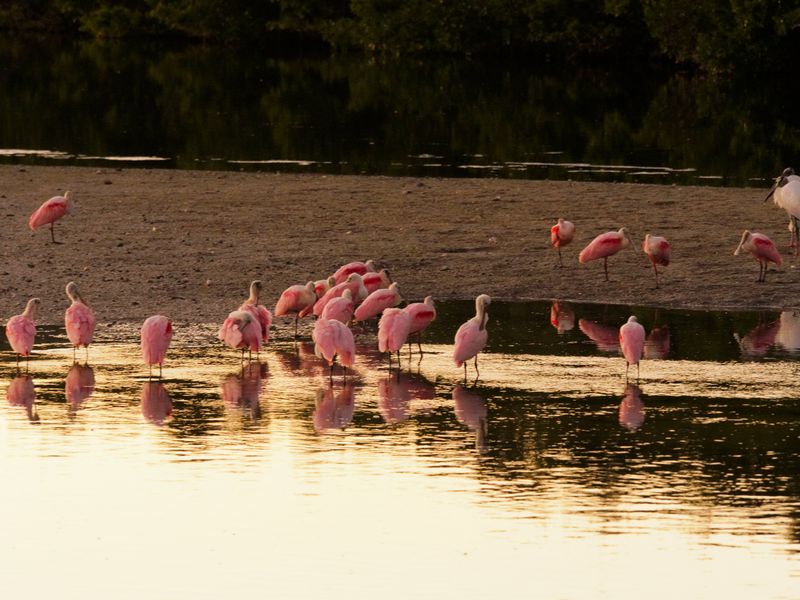
Named after a Pulitzer Prize-winning cartoonist and conservationist, this island sanctuary protects vital mangrove ecosystems that birds depend on. The four-mile Wildlife Drive winds through habitats teeming with reddish egrets performing their famous dancing feeding behavior. White pelicans arrive each winter, joining resident populations of ibises and spoonbills.
Kayaking through the refuge’s water trails brings you eye-level with roosting birds and offers unique photography angles. The education center features interactive exhibits explaining migration patterns and ecosystem connections.
Arrive at sunrise to beat the crowds and catch birds at their most active feeding times.
4. Corkscrew Swamp Sanctuary (Naples)
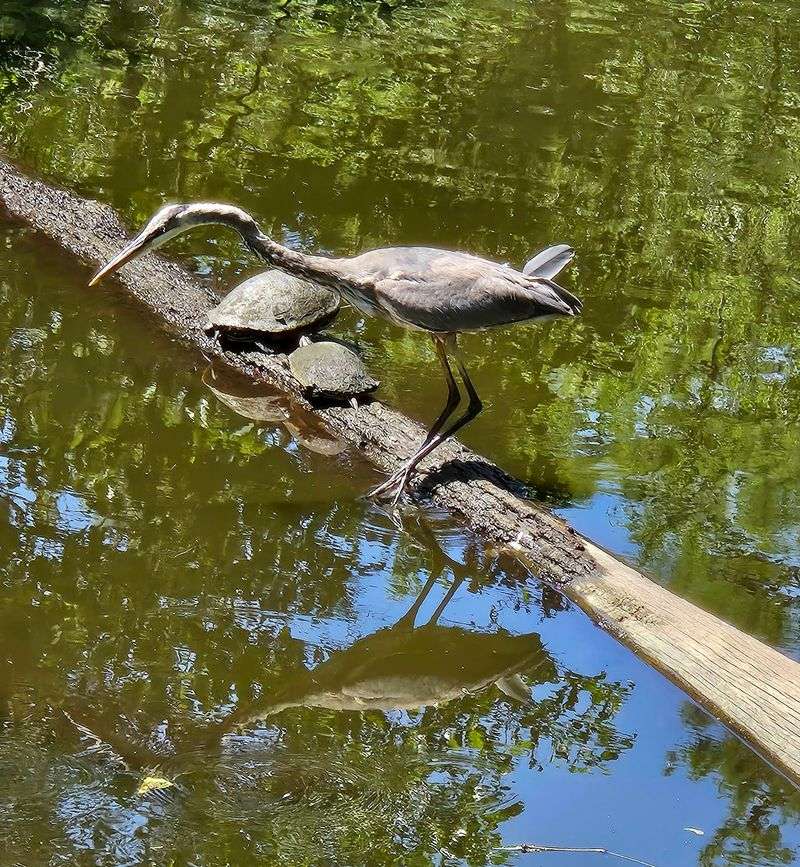
Ancient bald cypress trees tower overhead as you walk the 2.25-mile boardwalk through this Audubon-managed sanctuary. Wood storks nest here in one of the largest colonies in the United States, building massive stick nests high in the cypress canopy. Barred owls hoot from shadowy perches while limpkins wade through the swamp calling for apple snails.
The boardwalk keeps your feet dry while bringing you deep into a habitat most people never experience. Spring nesting season offers incredible opportunities to watch parent birds feeding hungry chicks.
Volunteers stationed along the trail help identify species and share fascinating stories about swamp ecology and bird behavior.
5. St. Marks National Wildlife Refuge
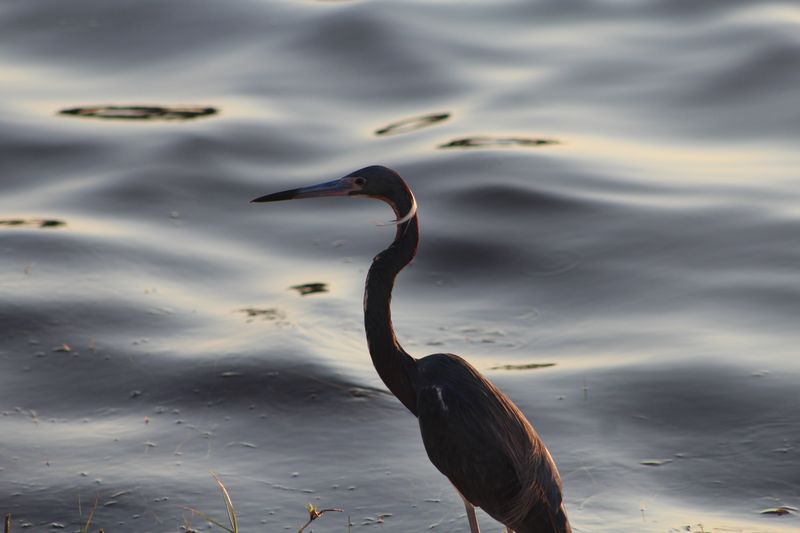
Where the Panhandle meets the Gulf, this refuge encompasses 70,000 acres of coastal marshes, islands, and forests. The historic lighthouse stands sentinel over mudflats that host thousands of migrating shorebirds each spring and fall. Monarch butterflies share the migration routes, creating spectacular scenes when both butterflies and birds fill the sky together.
The Lighthouse Road provides excellent roadside birding, with pull-offs where you can scan for wading birds and raptors. October brings peak migration activity as birds funnel down the peninsula.
Fishing and birding combine perfectly here, as many anglers report seeing incredible bird activity while casting their lines.
6. Apalachicola National Forest
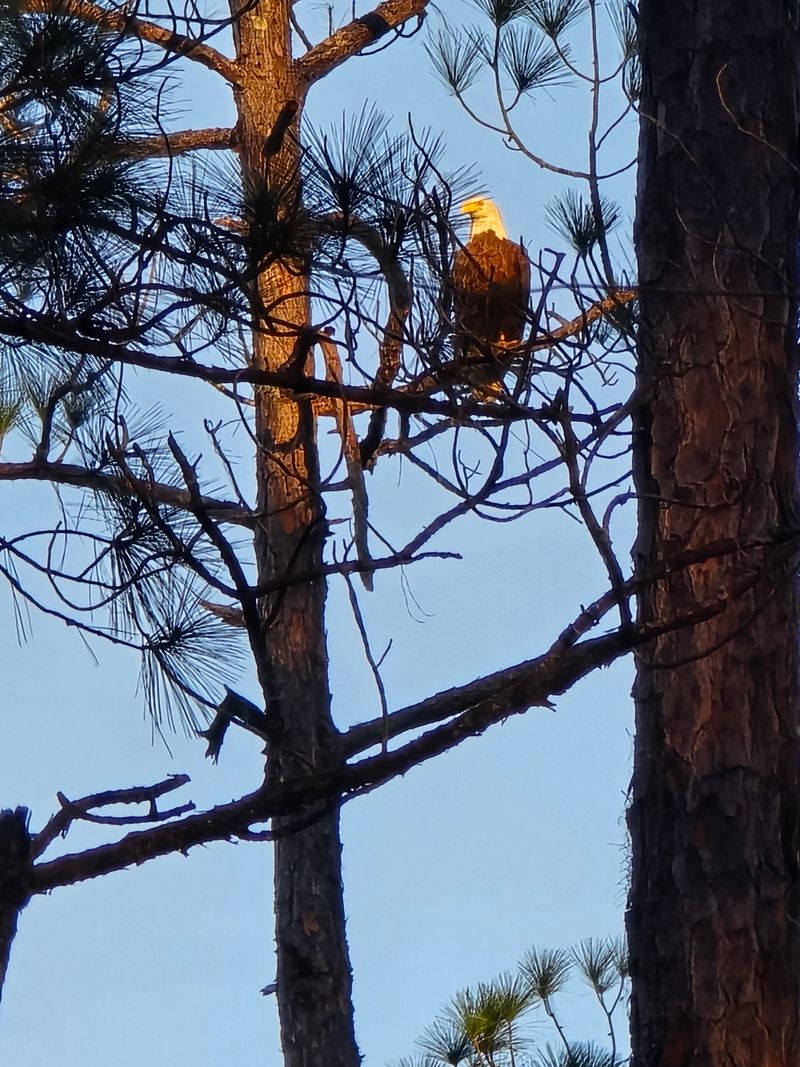
Florida’s largest national forest protects vital breeding habitat for the endangered red-cockaded woodpecker. These rare birds excavate nest cavities in living pine trees, creating homes that other species later use. During migration, the forest’s diverse habitats—from longleaf pine savannas to cypress swamps—attract warblers, vireos, and tanagers moving through the region.
The Florida National Scenic Trail winds through prime birding areas where you can combine hiking with wildlife watching. Listen for the distinctive calls of brown-headed nuthatches and Bachman’s sparrows in the pine flatwoods.
7. Big Cypress National Preserve
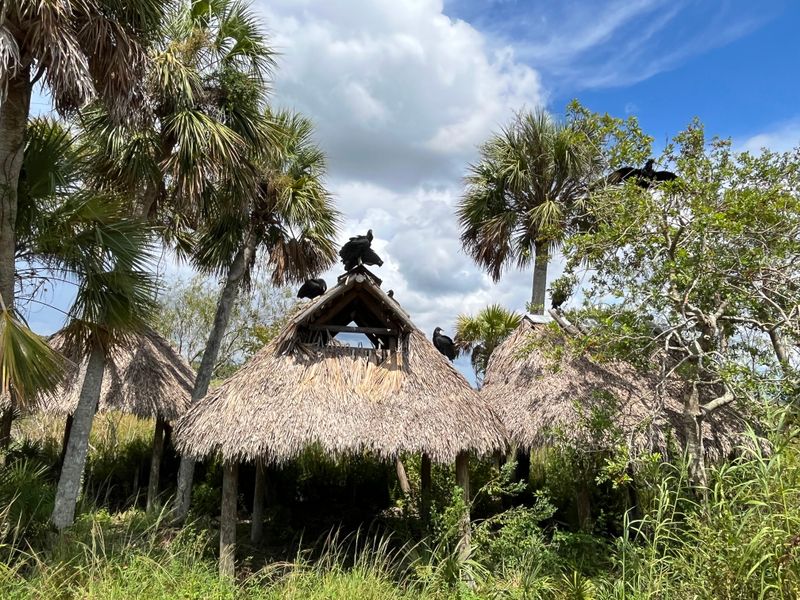
Adjacent to Everglades National Park, this vast preserve protects 729,000 acres of swamps, prairies, and pine forests. Swallow-tailed kites arrive each spring, performing aerial acrobatics as they hunt for snakes and insects above the cypress domes. The Loop Road scenic drive takes you deep into the wilderness where you’ll encounter wild turkeys, sandhill cranes, and numerous wading birds.
Boardwalks at various locations provide dry access to swamp habitats where barred owls and pileated woodpeckers are frequently seen. Winter dry season concentrates birds around remaining water sources, making viewing easier.
8. Wakodahatchee Wetlands (Delray Beach)
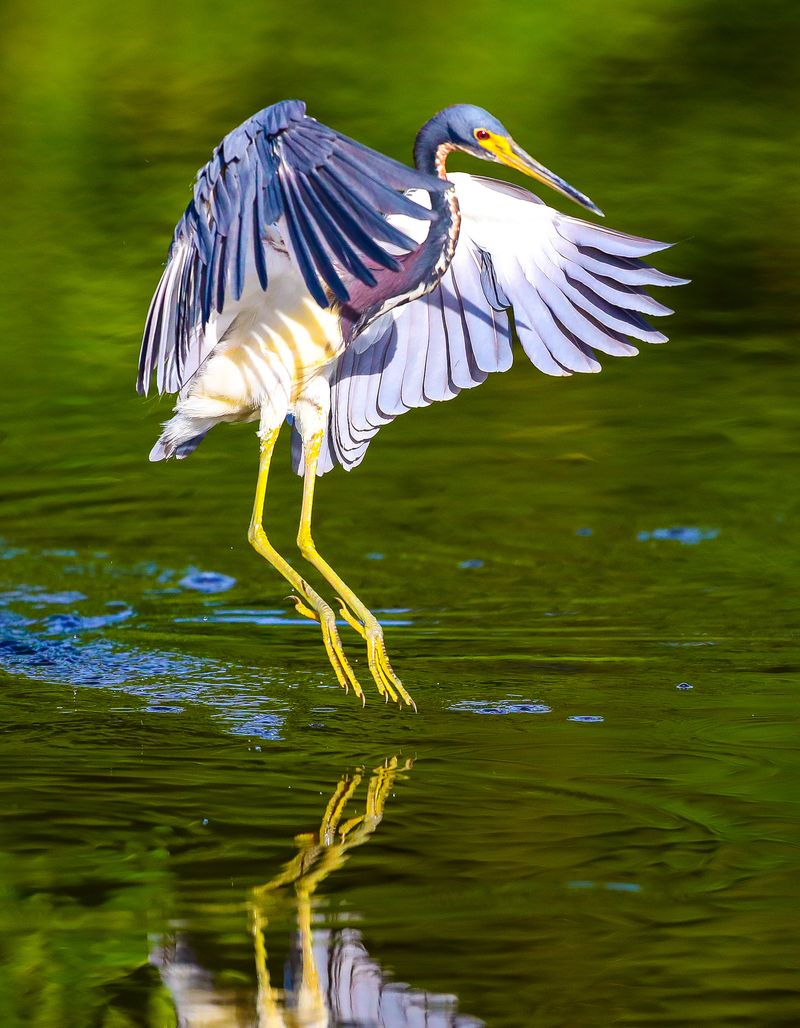
This man-made wetland proves that smart water management creates outstanding wildlife habitat. Built to filter treated wastewater, the 50-acre site now hosts breeding colonies of herons, egrets, and ibises nesting incredibly close to the boardwalk. You can watch chicks being fed from just a few feet away, capturing frame-filling photographs without disturbing the birds.
The three-quarter-mile boardwalk loop is wheelchair accessible and perfect for families with young children learning about nature. Alligators sun themselves below nesting trees, creating dramatic scenes of wild Florida.
Visit any time of year, though nesting season from February through June offers the most action and baby bird cuteness.
9. Paynes Prairie Preserve State Park
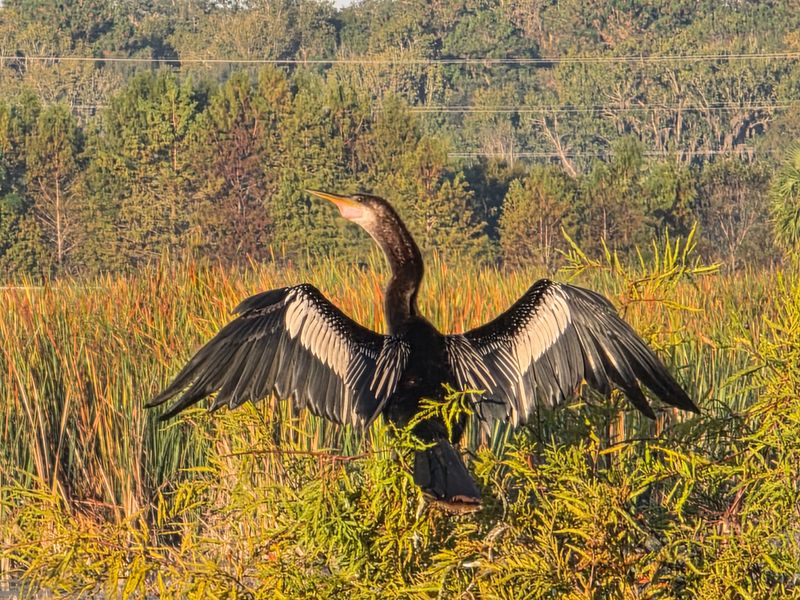
This 21,000-acre savanna represents Florida as it appeared for thousands of years before development. The observation tower provides sweeping views over the wet prairie where sandhill cranes feed alongside wild horses and bison. More than 270 bird species have been documented here, including rare grassland specialists like crested caracaras and northern harriers.
The La Chua Trail follows an old railroad bed through marsh edges where alligators are so common they’ve become famous among wildlife photographers. Spring migration brings colorful painted buntings to the scrubby areas near the visitor center.
Sunrise visits reward early risers with unforgettable scenes of cranes calling across the misty prairie.