New Alligator Study Sparks Warnings About Toxic Levels of Heavy Metal in Wetlands
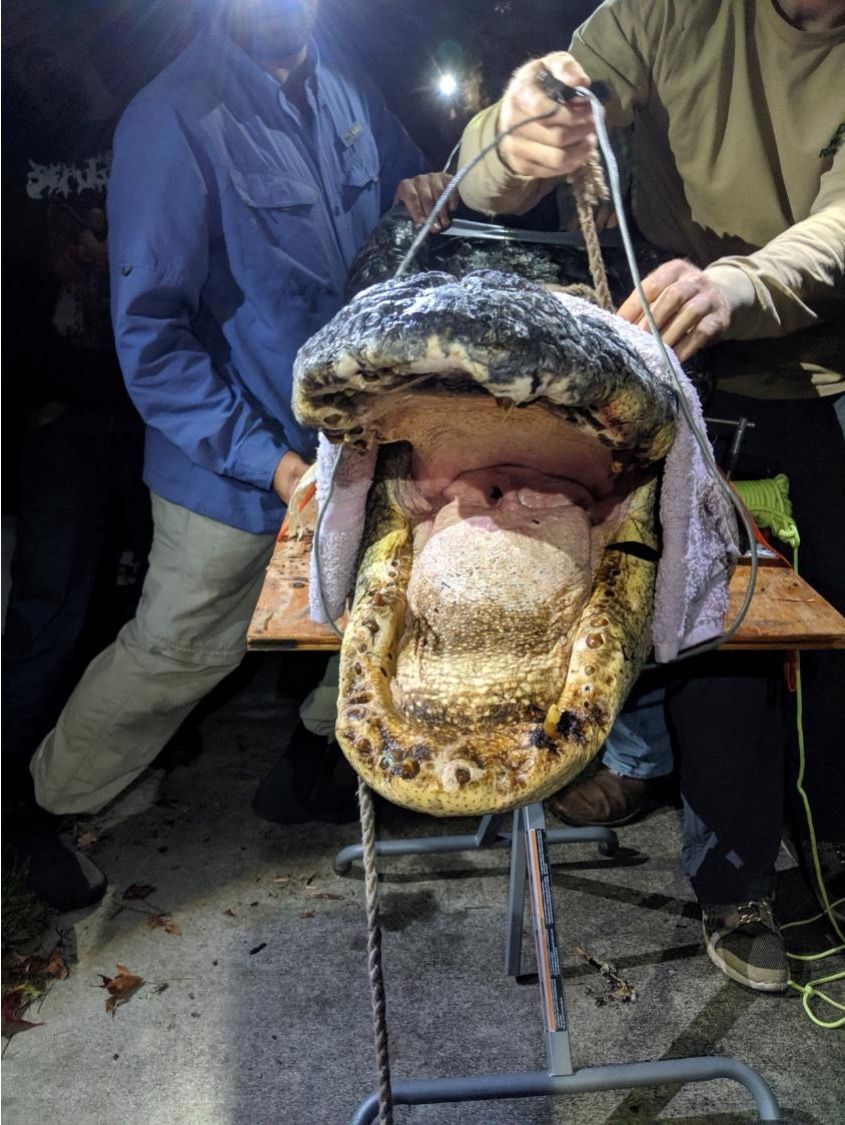
Florida is no stranger to murky waters, but new research out of Georgia is raising fresh concerns about what might be hiding beneath the surface—and it’s not just alligators.
A recent study by the University of Georgia’s Odum School of Ecology has uncovered dangerously high levels of mercury in the blood of alligators from the Okefenokee Swamp, a sprawling wetland system that straddles the Georgia–Florida border.
Researchers say the findings could have implications for local freshwater food chains, especially in coastal or swampy areas downstream from industrial sites.
“Mercury is a neurotoxin that is very lethal to organisms. If it builds up, it moves through the food web and creates the perfect storm,” said co-author Jeb Byers, a professor at UGA.
Alligators from the Okefenokee region were found to have mercury levels eight times higher than those at other locations. Even young hatchlings showed signs of contamination, suggesting the toxin may be passed down through generations.
While the study focused on Georgia and South Carolina, Florida shares similar wetland environments, including the Everglades, Big Cypress, and the northern stretches of the Okefenokee. All of these areas host recreational fishing and hunting, meaning Floridians may unknowingly be exposed to mercury through wild-caught fish or game.
“Now that we know this about one of the apex predators in these systems, we wonder what else is being affected?” said lead author Kristen Zemaitis.
Florida wildlife experts have previously documented mercury in Everglades fish and panthers, but this new research adds weight to concerns that mercury contamination may be more widespread and persistent than expected.
Health officials advise caution when consuming fish from freshwater lakes and rivers, especially for pregnant individuals and children. Still, with little routine testing of mercury in wildlife, much of Florida’s ecosystem may be absorbing toxins unseen and unmeasured.
Bottom line? Gators aren’t the only danger lurking in the swamps—mercury could be an invisible threat creeping through the food chain.