New Mosquito-Fighting Tech Could Help Florida in the Battle Against Deadly Diseases
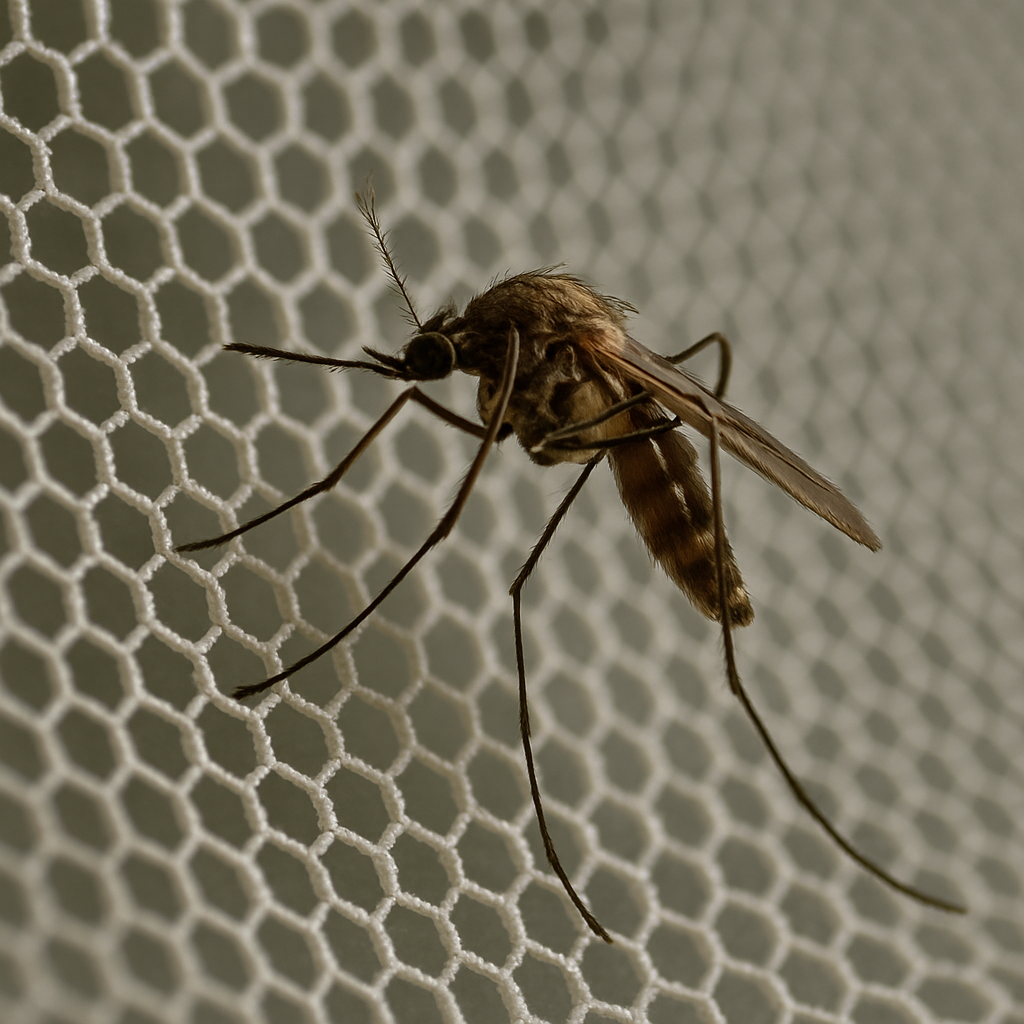
As Florida contends with seasonal surges in mosquito-borne illnesses like dengue and West Nile virus, a new discovery in malaria prevention could help shape future approaches to vector control — and possibly benefit not just the Sunshine State, but all of humanity.
Researchers from the Harvard School of Public Health, in collaboration with the NIH, have identified compounds that can kill malaria parasites inside mosquitoes before they infect humans. The method, published in Nature on May 21, involves treating bed net materials with special drugs that kill the parasite once the mosquito lands — even if the insect is resistant to conventional insecticides.
The drugs, ELQ-453 and ELQ-613, proved highly effective in lab settings. Not only did they reduce infection rates in mosquitoes, but the compounds also showed strong potential in overcoming resistance — a growing challenge in public health globally and in mosquito-heavy regions like Florida.
While malaria is not currently widespread in the U.S., Florida made headlines in 2023 when locally transmitted malaria cases were confirmed for the first time in two decades. That outbreak in Sarasota County reignited concerns over Florida’s vulnerability to mosquito-borne threats, especially as climate change and global travel increase the risk of disease spread.
The new technique could provide a second line of defense — not by killing mosquitoes outright, but by preventing them from transmitting disease. Researchers say the next step is testing the approach in real-world settings.
“We desperately need innovation in malaria control,” Harvard School of Public Health’s Dr. Flaminia Catteruccia says. “This study offers a new, effective way to stop the transmission of malaria parasites, which we hope will reduce the burden of this devastating disease in Africa and beyond.”
The findings may also offer a potential blueprint for tackling other mosquito-borne illnesses that affect Florida residents, such as Zika, chikungunya, and yellow fever, although more research would be needed to apply the technique to other pathogens.
As Florida continues its efforts to monitor and control its mosquito population, this research highlights a broader shift toward smarter, more targeted solutions — a development that could eventually reach mosquito abatement programs across the state.