One of Florida’s Most Unique Festivals Features Kilts, Bagpipes, and Waterfront Charm
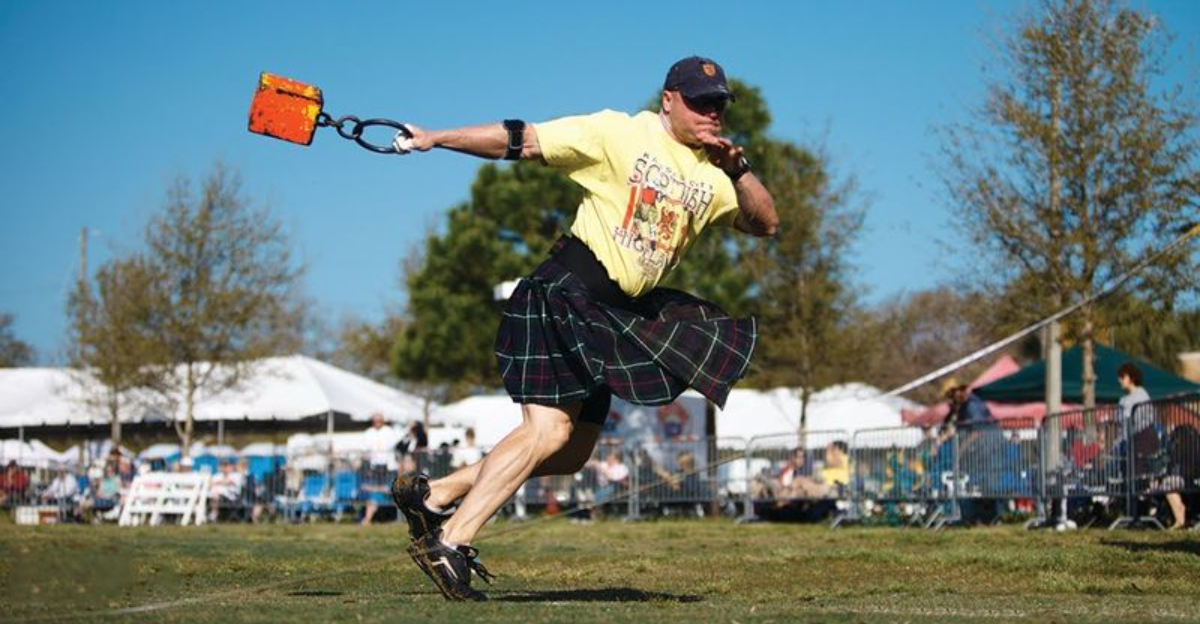
Every spring, the quiet coastal town of Dunedin transforms into a Scottish wonderland that feels worlds away from Florida’s usual beach vibe. The Dunedin Highland Games bring bagpipes, kilts, and Celtic traditions to the shores of the Gulf Coast for a weekend celebration unlike any other in the Sunshine State. Thousands gather to watch athletes toss cabers, listen to pipe bands compete, and soak up the waterfront atmosphere that makes this festival truly special.
1. Highland Heavy Athletics Competitions
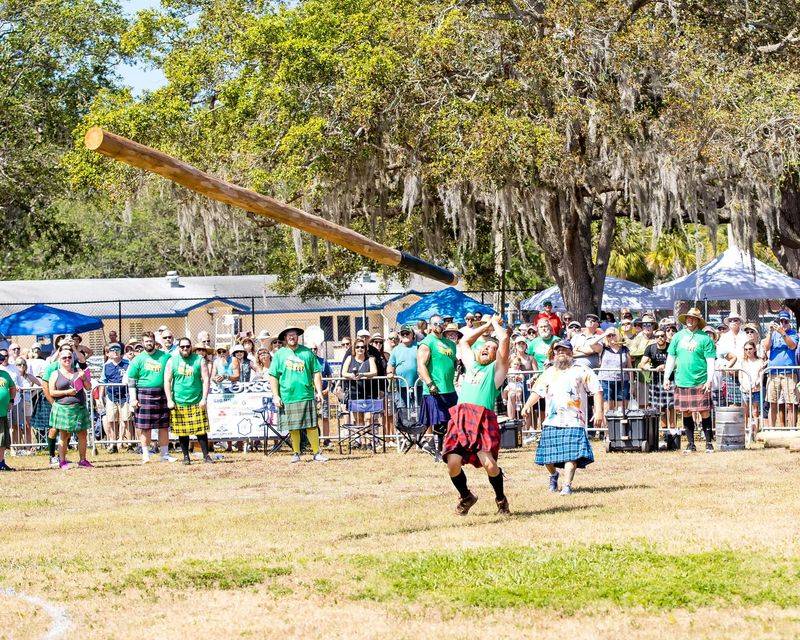
Picture a massive wooden pole flying through the air, flipped end-over-end by someone wearing a kilt. That’s the caber toss, and it’s just one of several strength events that draw huge crowds at the Dunedin Highland Games. Athletes compete in hammer throws, stone puts, and weight-for-height contests that test raw power and technique.
These aren’t your typical track-and-field competitions. The equipment looks like it came straight from medieval Scotland, with massive stones and iron weights that require serious muscle to move. Competitors train year-round for these events, and watching them in action is absolutely mesmerizing.
What makes it extra special is the waterfront setting. You can watch burly athletes hurl heavy objects while feeling the Gulf breeze and enjoying perfect Florida weather. The contrast between traditional Scottish sports and palm trees creates a uniquely memorable experience.
Kids especially love the spectacle of seeing how far these competitors can throw. The announcer explains each event’s history and scoring, making it educational and entertaining. Between events, athletes often chat with spectators and pose for photos, creating a friendly atmosphere that welcomes everyone into the Highland tradition.
2. Pipe Band Performances and Competitions
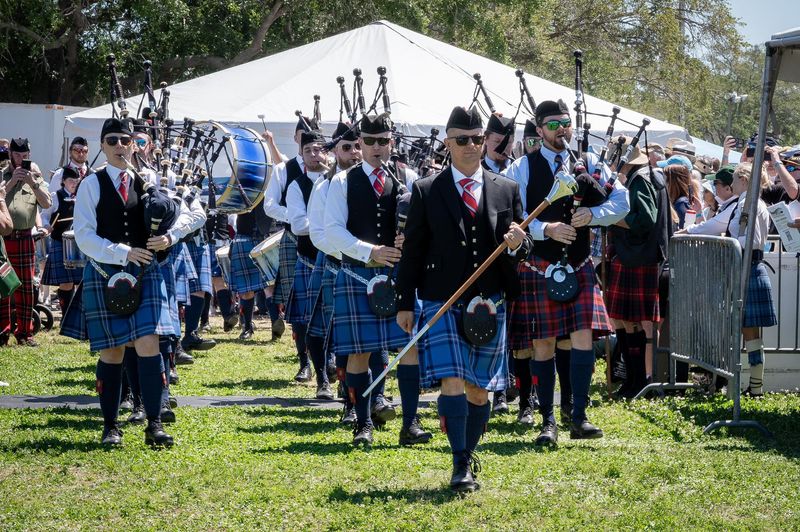
The sound of bagpipes echoing across Dunedin’s waterfront creates an atmosphere you won’t find anywhere else in Florida. Multiple pipe bands travel from across the country to compete, filling the air with traditional Scottish music that’s both haunting and energizing. Each band performs intricate routines that require perfect synchronization and years of practice.
Competitions run throughout the day, with bands judged on musicality, marching precision, and overall presentation. Even if you’ve never heard bagpipes before, the skill level becomes obvious when you see these musicians in action. The kilted performers march in formation while playing complex melodies that showcase centuries of Scottish heritage.
Between competitive sets, you’ll hear solo pipers and smaller groups performing throughout the festival grounds. Some play traditional Scottish tunes, while others experiment with more modern arrangements. The variety keeps things interesting for everyone, from bagpipe enthusiasts to curious first-timers.
Many attendees say the pipe bands are their favorite part of the entire festival. There’s something powerful about hearing those distinctive notes carry across the water. Grab a spot near the main stage early if you want the best viewing angle for the championship rounds.
3. Scottish Clan Tents and Heritage Displays
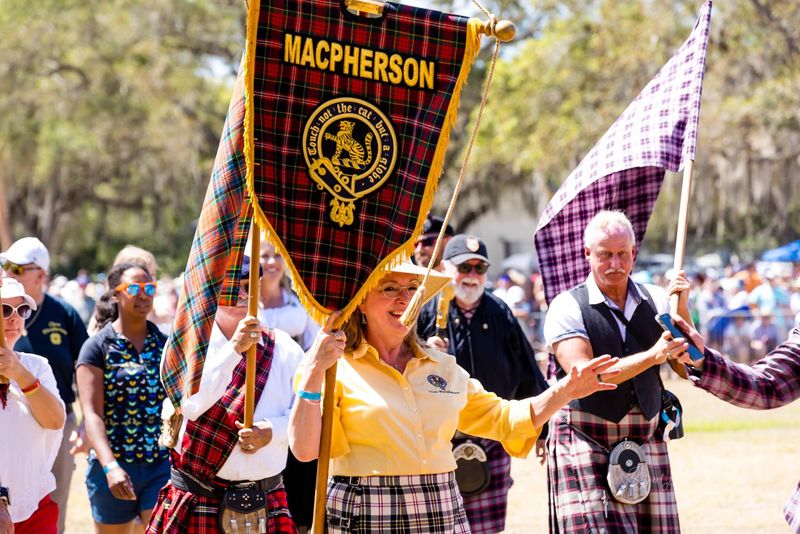
Ever wondered if you have Scottish ancestry? The clan tents at Dunedin Highland Games help visitors trace their family roots and learn about Scottish heritage. Dozens of clans set up colorful displays featuring their specific tartans, crests, and historical information.
Representatives are eager to share stories about their clan’s history and help you discover potential connections.
Each tent showcases unique tartan patterns associated with different Scottish families. You’ll see everything from MacLeod to Campbell, MacDonald to Stewart, with detailed genealogy charts and historical timelines. Many clans bring artifacts, photographs, and documents that bring Scottish history to life in ways textbooks never could.
The atmosphere in this area feels welcoming rather than exclusive. Even if you don’t have Scottish heritage, clan representatives love sharing their traditions with curious visitors. They explain the significance of tartans, the clan system’s role in Scottish society, and how these traditions survived and evolved over centuries.
Kids enjoy getting their faces painted with clan colors or learning about Scottish symbols and their meanings. Adults often leave with contact information for genealogy research or plans to explore their family history further. It’s educational entertainment that adds depth to the festival experience beyond just watching competitions.
4. Traditional Scottish Dance Performances
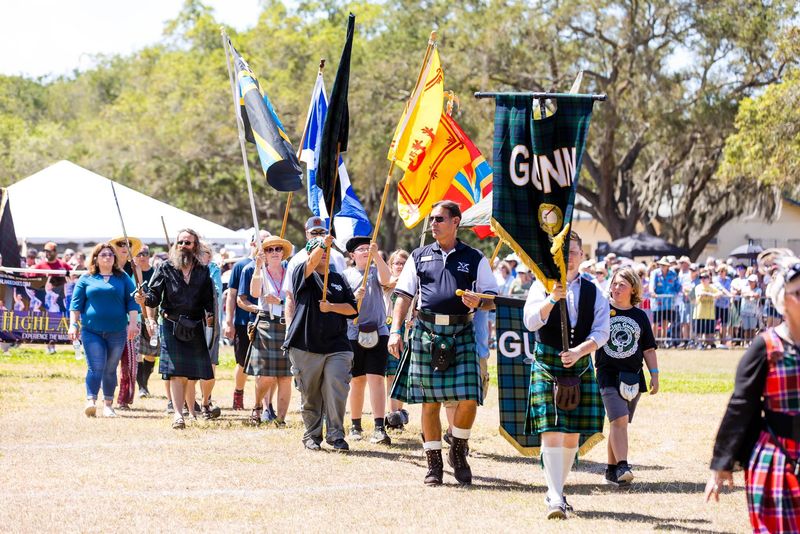
Highland dancing combines athleticism with grace in a way that surprises most first-time viewers. Dancers leap, twist, and perform intricate footwork while maintaining perfect posture and pointed toes. The most famous dance, the Highland Fling, requires incredible strength and stamina despite looking effortless when performed by skilled dancers.
Competitions feature dancers of all ages, from tiny tots just learning basic steps to championship-level performers executing complex routines. Each dance has specific rules and traditional movements that judges evaluate carefully. The Sword Dance, performed over crossed swords on the ground, showcases precision and control as dancers move around the blades without touching them.
What’s remarkable is how these centuries-old dances remain relevant and exciting today. Modern dancers respect tradition while bringing their own personality to each performance. The colorful kilts, elaborate costumes, and traditional Scottish music create a visual and auditory feast.
Between competitive rounds, dance schools often perform group numbers that demonstrate different styles and regional variations. Teachers explain the history behind each dance, helping audiences appreciate the cultural significance. Many kids watching get inspired to try Highland dancing themselves, with several local schools offering classes year-round for interested beginners.
5. Celtic Music Stages and Jam Sessions
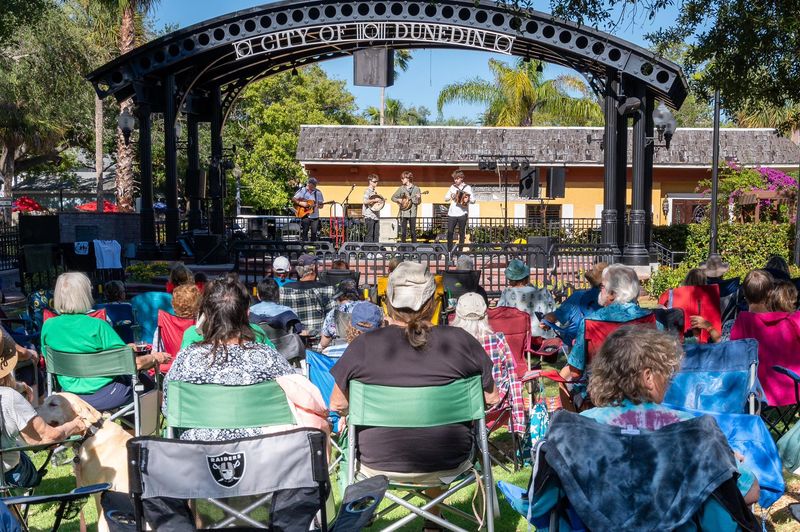
Beyond bagpipes, the festival celebrates the full spectrum of Celtic music traditions. Multiple stages feature bands playing everything from traditional folk tunes to Celtic rock fusion. Fiddles, tin whistles, bodhrans, and guitars create infectious rhythms that get crowds clapping and dancing along.
The musical variety surprises many visitors who expect only bagpipes. Some bands stick to ancient ballads and reels passed down through generations, while others blend Celtic influences with contemporary styles. You might hear a haunting Gaelic song one moment and an upbeat pub tune the next.
Spontaneous jam sessions pop up throughout the festival grounds as musicians gather between scheduled performances. These informal gatherings often produce the most magical moments, with talented players feeding off each other’s energy. Visitors can sit close, watch fingers flying across instruments, and experience the communal spirit that defines Celtic music culture.
Local musicians mix with traveling performers, creating connections that last beyond the festival weekend. The relaxed atmosphere encourages participation, with some sessions welcoming anyone who can play along. Even non-musicians appreciate the skill and passion on display.
Bring a blanket, find some shade, and let the music transport you across the Atlantic without leaving Florida’s sunshine.
6. Scottish Food and Drink Vendors
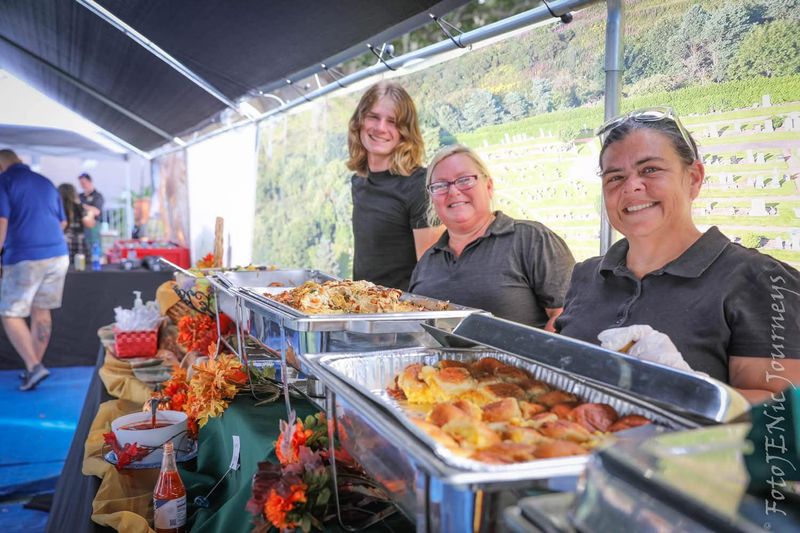
Forget typical festival food—Dunedin Highland Games brings authentic Scottish cuisine to Florida’s Gulf Coast. Vendors serve up savory meat pies, proper fish and chips, Scotch eggs, and bridies that taste like they came straight from Edinburgh. The aroma of these traditional dishes wafts through the festival grounds, drawing hungry crowds throughout the day.
Meat pies remain the most popular item, with flaky pastry surrounding seasoned beef or lamb filling. These handheld meals provide the perfect fuel for walking around all day. Fish and chips done the Scottish way means thick, tender fish with crispy batter, served alongside chunky chips that actually taste like potatoes rather than generic fries.
Sweet treats include shortbread cookies, tablet (a Scottish fudge), and deep-fried candy bars that sound crazy but taste amazing. Wash everything down with Scottish sodas like Irn-Bru or proper British tea. Some vendors even offer haggis for adventurous eaters willing to try Scotland’s national dish.
The food area becomes a gathering spot where strangers share tables and swap festival stories. Vendors often have Scottish accents and love explaining what makes their recipes authentic. Prices stay reasonable compared to typical festival food, and portions are generous enough to share if you want to sample multiple items.
7. Waterfront Location and Festival Atmosphere
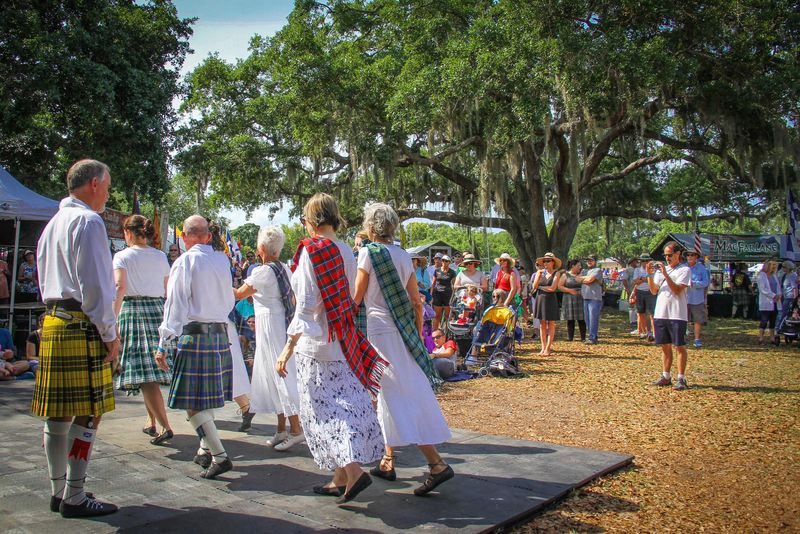
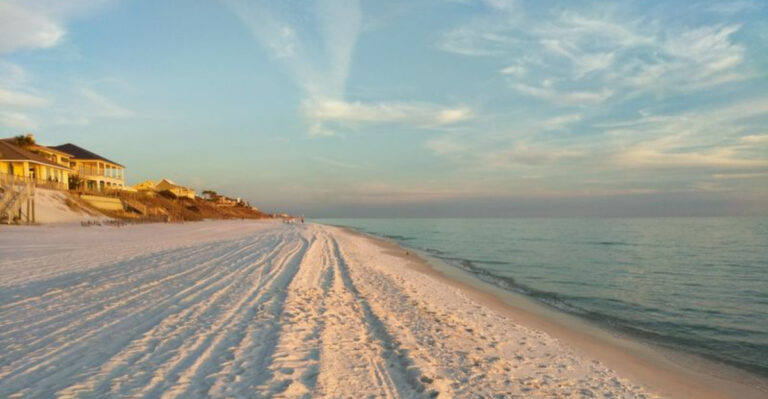
Dunedin’s downtown waterfront provides the perfect backdrop for this Scottish celebration. Edgewater Park stretches along St. Joseph Sound, offering breezy conditions and beautiful water views that enhance the entire experience. Palm trees swaying above kilted festival-goers create a delightfully surreal Florida-meets-Scotland vibe you won’t find anywhere else.
The park’s layout works perfectly for a festival of this size. Athletic competitions happen in open fields where spectators can spread blankets and watch comfortably. Performance stages are positioned so sound carries well without overwhelming nearby vendor areas.
Shaded spots under pavilions and trees provide relief from Florida’s spring sunshine.
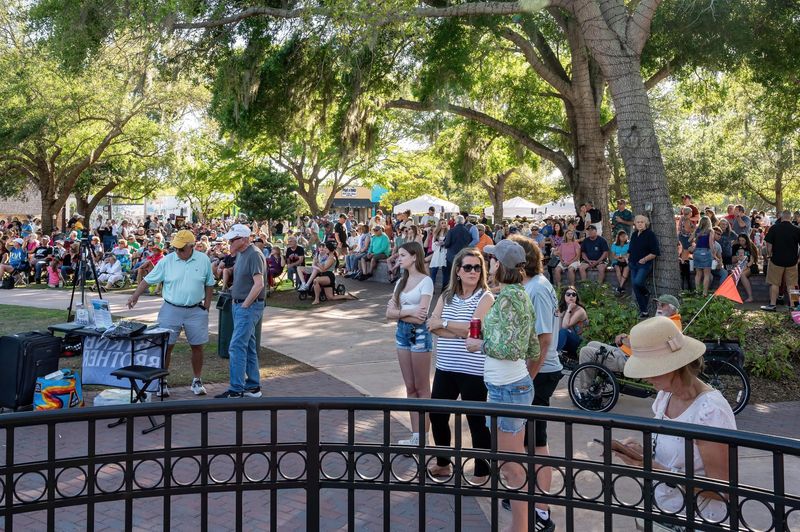
Walking paths connect different festival zones, making it easy to explore everything without feeling overwhelmed. The waterfront location keeps temperatures comfortable with constant breezes off the Gulf. Many attendees bring chairs or blankets and claim spots where they can see multiple activity areas at once.
Downtown Dunedin’s Scottish heritage shows in the architecture and street names, adding authenticity to the festival setting. After the official events end, the celebration often continues in nearby pubs and restaurants. The small-town charm combined with easy parking and walkability makes this festival accessible and enjoyable for families, couples, and solo visitors alike.
This isn’t just a festival—it’s a complete cultural experience.
8. Kids’ Activities and Family Entertainment
Young festival-goers get their own Highland experience with activities designed specifically for kids. A dedicated children’s area features mini versions of heavy athletic events where kids can try tossing foam cabers and throwing soft weights. These scaled-down competitions let them feel like real Highland athletes without any danger of injury.
Face painting transforms children into Scottish warriors with clan colors or simple designs. Craft stations teach kids to make Scottish flags, draw clan crests, or create their own tartan patterns. Storytellers share Scottish folklore and legends, bringing tales of mythical creatures and ancient heroes to life with animated performances.
The sheepdog demonstrations captivate audiences of all ages but especially delight younger visitors. Watching trained border collies herd sheep with whistled commands showcases incredible intelligence and teamwork. Handlers explain how these dogs work on real Scottish farms, connecting modern festival entertainment to agricultural traditions.
Many families make the Highland Games an annual tradition, with kids looking forward to it all year. The festival strikes a perfect balance between educational and entertaining, teaching cultural appreciation while keeping children engaged and active. Parents appreciate that most activities are included with admission rather than requiring extra fees.
With so much designed specifically for young attendees, families can easily spend an entire day exploring Scottish culture together.