RIP to These 5 Iconic Miami Music Venues We Still Miss
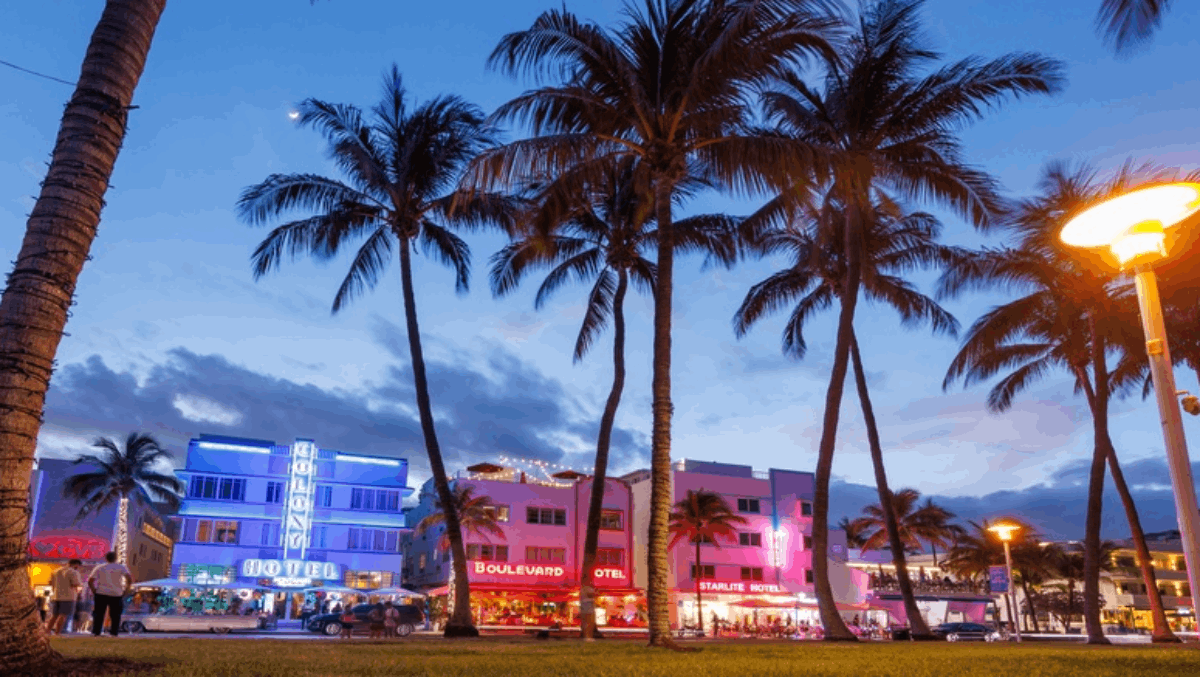
Miami’s music scene has always been electric, but some of the best places to catch a show are gone forever. From sweaty punk clubs to historic theaters, these venues gave local bands their start and brought legendary acts to South Florida.
Losing them changed the city’s nightlife in ways we’re still feeling today.
1. Electric Pickle
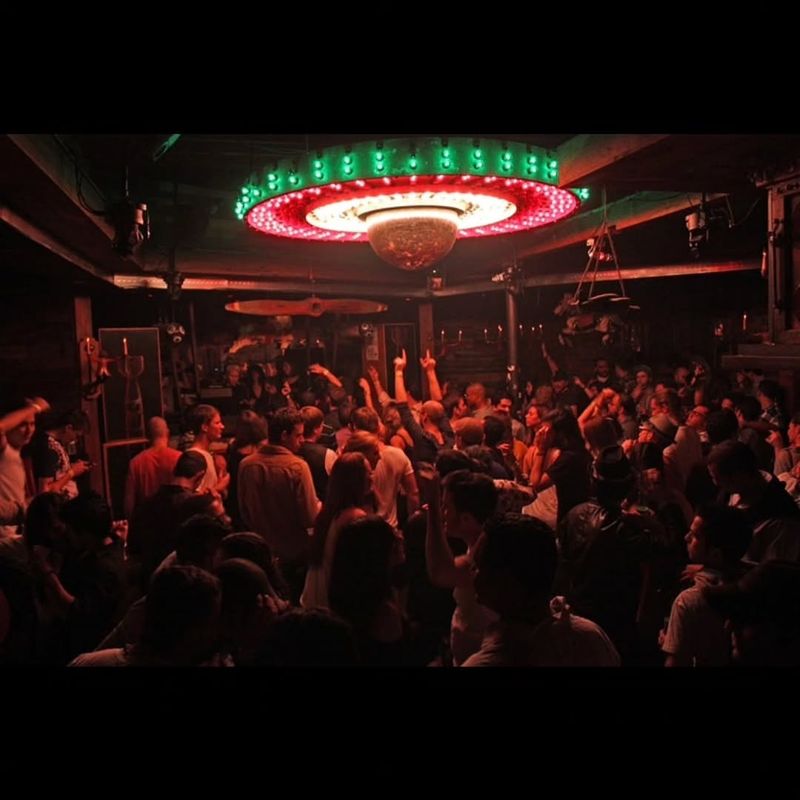
Downtown Miami lost one of its coolest spots when Electric Pickle shut its doors in 2019 after a decade of unforgettable nights. This wasn’t just another nightclub—it was where you could catch cutting-edge electronic music, indie rock, and experimental sounds all under one roof. The vibe was raw and real, with DJs and live acts from around the world making it a destination for serious music lovers.
What made Electric Pickle special was its willingness to take risks on lesser-known artists before they blew up. The intimate space meant you were always close to the action, sweating alongside strangers who became friends by the end of the night. Local DJs and touring musicians treated the venue like a second home.
When it closed, Miami’s downtown music scene lost a crucial piece of its identity. Many fans still talk about legendary sets they witnessed there, from late-night techno marathons to surprise performances that became the stuff of local legend.
2. Tobacco Road
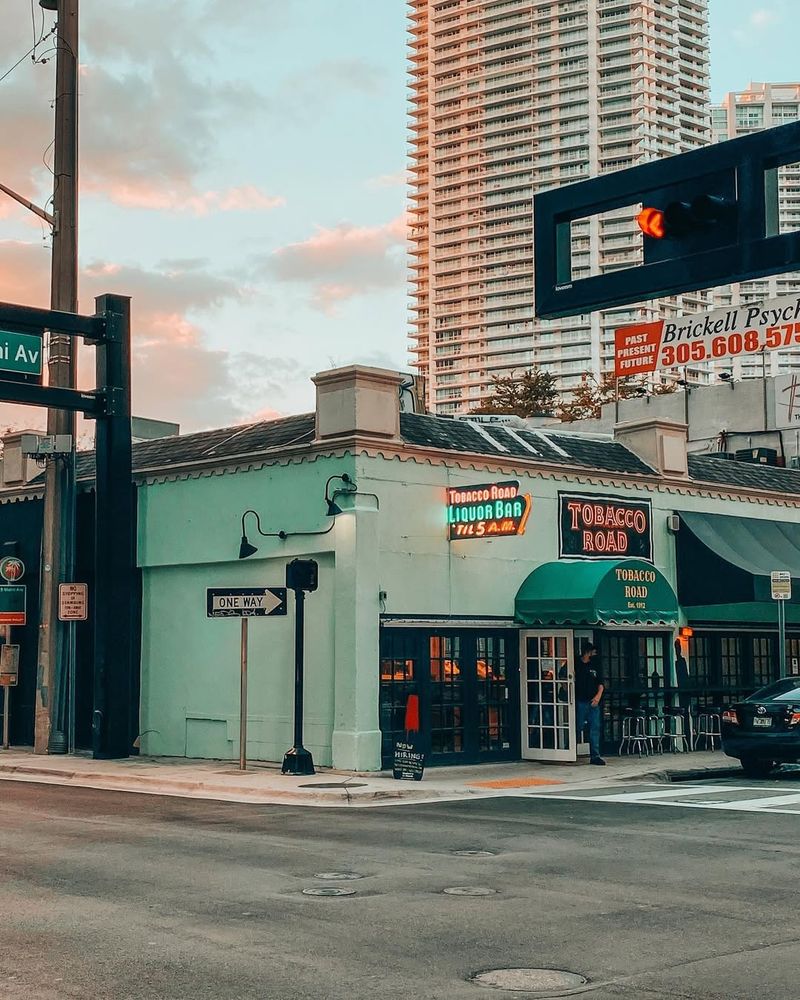
Imagine a bar so old it served drinks before your great-grandparents were born. Tobacco Road held that distinction as Miami’s oldest watering hole, opening way back in 1912. For over a century, this legendary spot survived Prohibition, hurricanes, and countless changes to the city around it.
The venue became famous for live blues, rock, and jazz performances that packed the house nearly every night. Worn wooden floors and walls covered in band stickers told stories of thousands of shows. Everyone from local garage bands to touring blues legends graced its stage, making it a must-stop on any musician’s Florida tour.
When developers demolished the building in 2015, it felt like losing a piece of Miami’s soul. The bar had outlasted wars and economic crashes, but it couldn’t survive modern real estate pressure. Fans mourned not just a music venue but a living museum of Miami history that connected generations of music lovers.
3. Grand Central
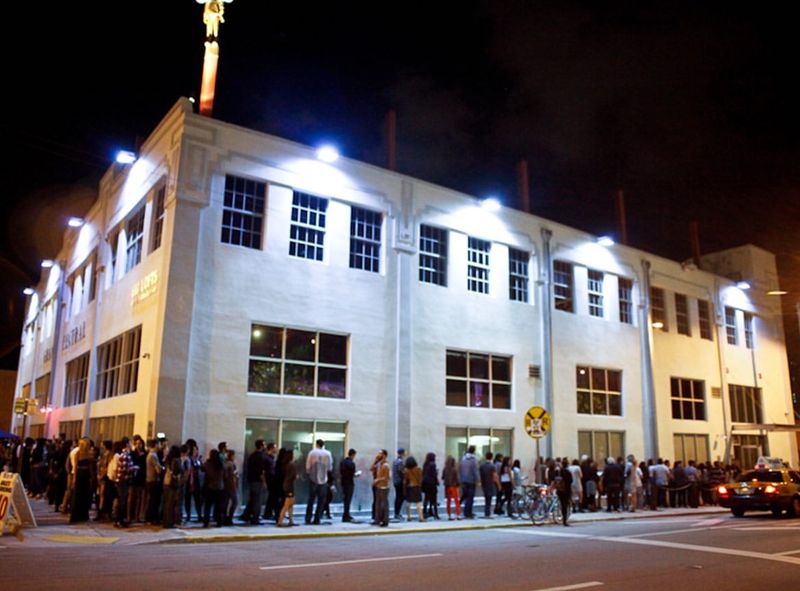
Before luxury condos took over Miami Worldcenter, Grand Central was the area’s beating heart for indie and alternative music. This massive space could hold serious crowds, making it perfect for mid-sized touring bands that had outgrown small clubs but weren’t quite arena-ready. Acts like Ladytron and Black Rebel Motorcycle Club brought their dark, moody sounds to appreciative Miami audiences.
The venue filled a crucial gap in Miami’s music ecosystem. While smaller clubs handled local bands and huge arenas hosted superstars, Grand Central was where rising indie acts connected with devoted fans. The sound system was top-notch, and the industrial-chic space gave concerts an edge that matched the music perfectly.
Development pressures eventually forced Grand Central to close, leaving a hole in Miami’s mid-sized venue landscape. Musicians and fans alike lost an important gathering place where underground music could thrive without compromising its edge. Many still wish Miami had a spot like it today.
4. Cameo Theater
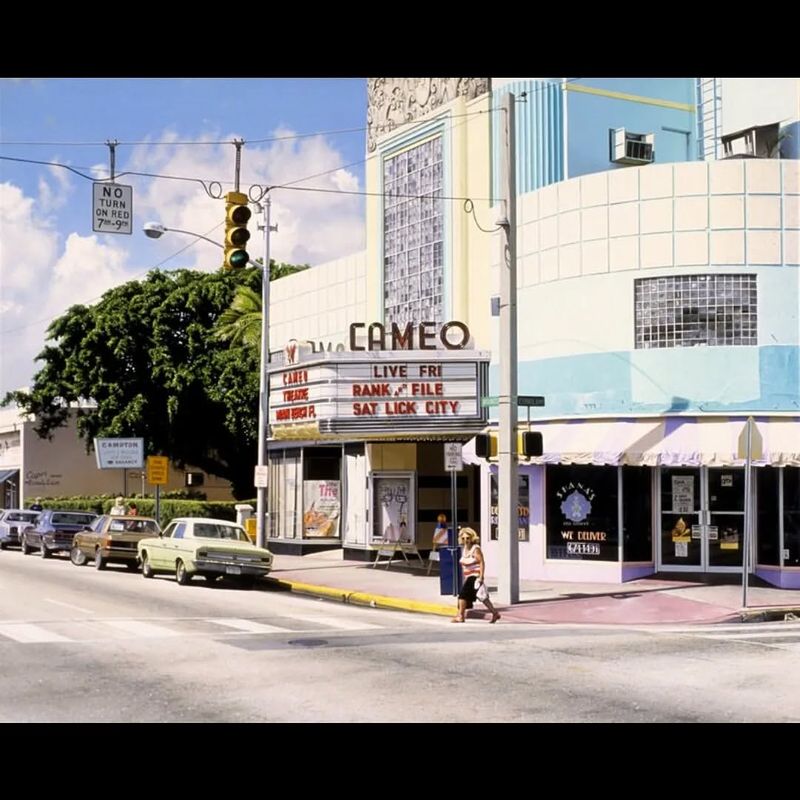
South Beach’s Cameo Theater started life in 1936 as an Art Deco movie palace before transforming into one of Miami Beach’s most important music venues. Its ornate architecture and perfect acoustics made every show feel special, whether you were catching punk rockers, electronic acts, or underground dance parties. The theater’s history was literally built into its walls.
During its music venue years, Cameo hosted an incredibly diverse lineup that reflected Miami’s eclectic tastes. One night might feature hardcore punk bands thrashing on stage, while the next brought pulsing electronic beats that shook the historic building’s foundation. The mix of old-world elegance and modern music created a unique atmosphere you couldn’t find anywhere else.
Though the building still stands, it eventually moved away from live music, leaving a gap in South Beach’s cultural offerings. Old fans remember when the Cameo was the place to experience Miami’s wildest musical moments in one of its most beautiful settings.
5. The Vagabond
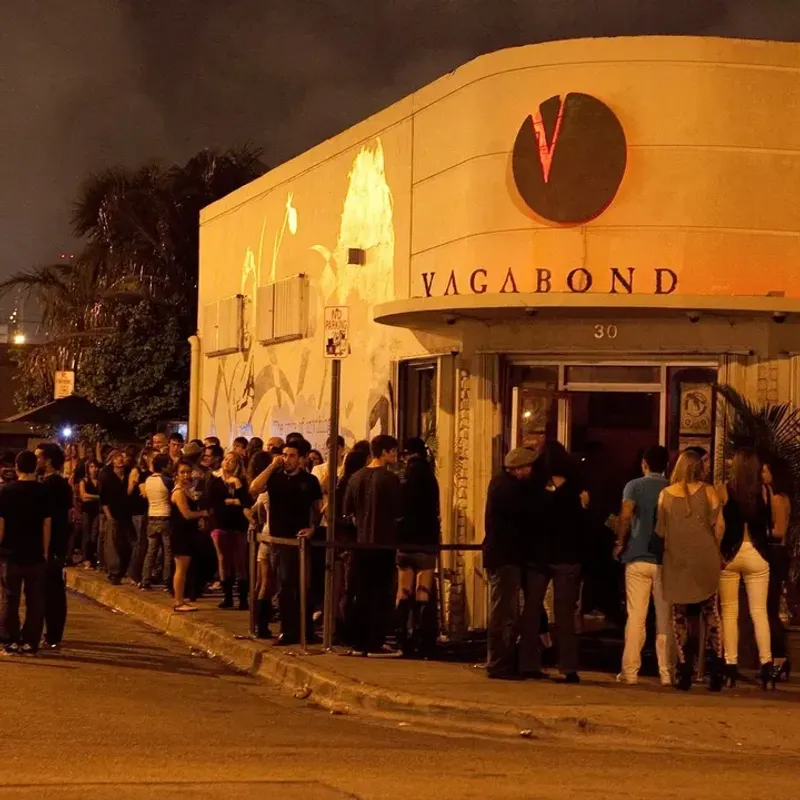
Two different venues shared the same Biscayne Boulevard address, and both became legendary in Miami’s indie music circles. First came IO, a quirky spot that championed underground sounds and offbeat performances. When it closed, The Vagabond took over the same location, continuing the tradition of eclectic music nights and artistic experimentation that defined the space.
What made this address special was its commitment to music that didn’t fit mainstream molds. Experimental electronic acts, indie rock bands, and genre-bending performers found welcoming audiences there. The crowd was always interesting—artists, musicians, and people genuinely excited about discovering something new rather than just following trends.
Both venues eventually closed, ending an era for that particular stretch of Biscayne Boulevard. The loss hit Miami’s indie music community especially hard because finding spaces willing to take chances on unconventional acts isn’t easy. People who spent their twenties at IO and Vagabond still reminisce about the creative energy that made those nights magical.