Skip Gatorland! This Free 11-Mile Wildlife Drive In Apopka Has 60+ Alligators
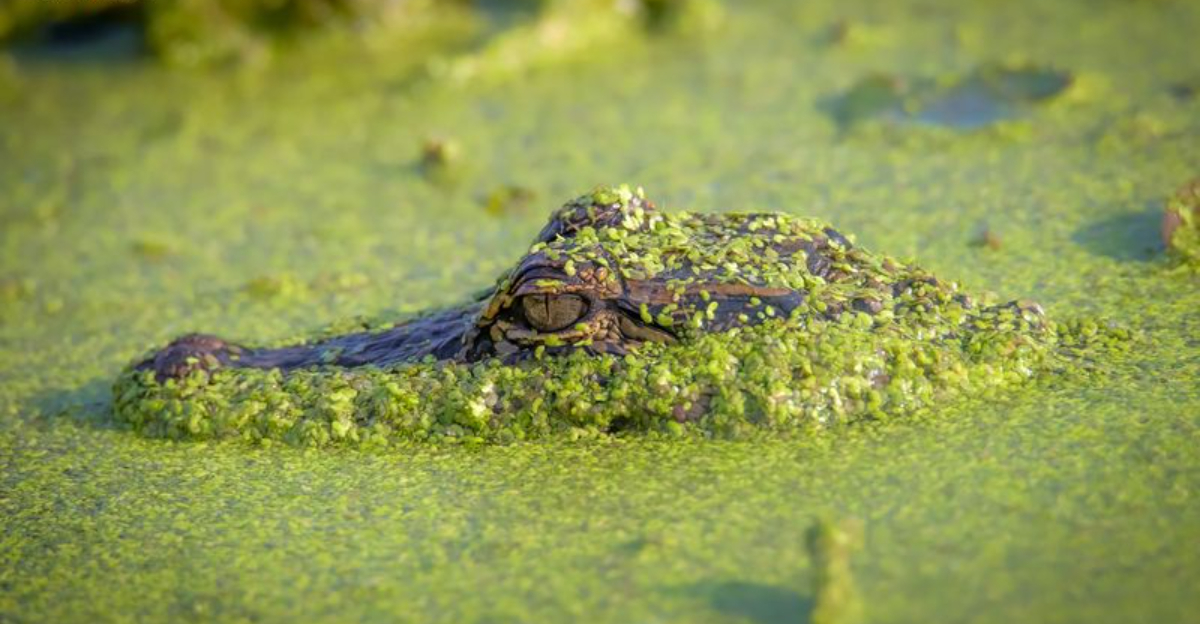
Central Florida tourists usually flock to Gatorland and drop serious cash for reptile encounters, but locals know a better secret hiding just north of Orlando. Lake Apopka Wildlife Drive delivers an authentic Florida wilderness experience without charging a single penny at the gate. This 11-mile scenic loop through protected wetlands puts you face-to-face with dozens of massive alligators sunbathing along the roadside, plus hundreds of bird species that migrate through seasonally.
1. Free Admission Beats Tourist Trap Prices Every Time
While Gatorland charges nearly $35 per adult for entry, Lake Apopka Wildlife Drive welcomes visitors completely free of charge. The preserve operates under the St. Johns River Water Management District, which maintains the property as public conservation land accessible to everyone. You won’t find gift shops or overpriced snacks here—just pure, unfiltered nature.
The entrance opens Friday through Sunday plus federal holidays, with last entry at 3 PM since the full drive takes about two hours. Visitors grab a free pamphlet at the gate that maps out the route and highlights key viewing areas. A QR code near the entrance links to an audio tour that plays automatically as you drive, explaining the ecosystems and wildlife habitats without any cheesy narration.
Most families spend between two and three hours completing the loop, stopping frequently for photos and wildlife watching. Donations are welcome but never required, making this one of the best budget-friendly adventures in Central Florida. The money you save on admission can go toward a quality zoom lens or binoculars instead.
2. Sixty-Plus Gators Sunbathing Right Beside Your Car
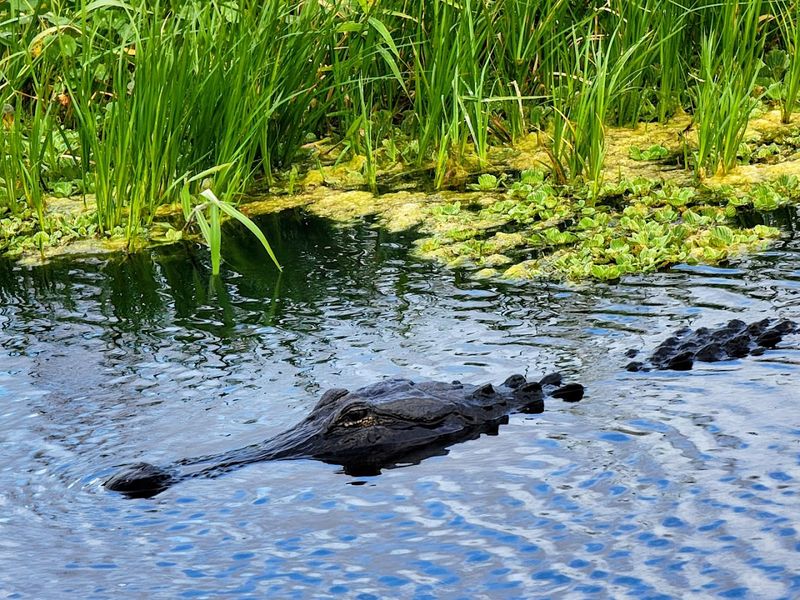
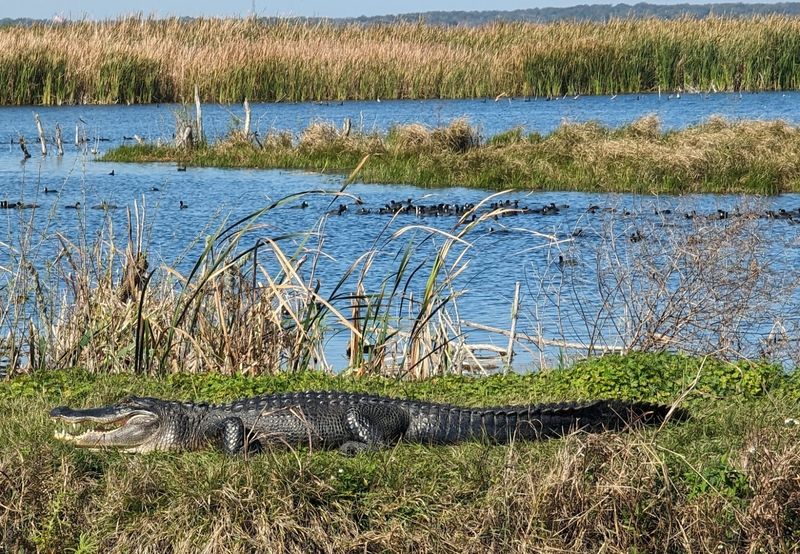
Forget the staged gator shows at commercial attractions. Lake Apopka hosts between 60 and 150 wild alligators depending on the season and weather conditions. Visitors consistently report counting 50 to 80 gators during a single drive, with some lucky groups spotting over 100 on warm, sunny days.
These aren’t small juveniles either—many stretch between six and eleven feet long, true Florida giants that inspire both awe and healthy respect. They lounge inches from the road, completely unbothered by passing vehicles, offering incredible photo opportunities through your car window. Some bold gators occasionally cross the roadway, requiring drivers to pause and wait while they waddle across at their own prehistoric pace.
Winter months bring the highest gator visibility since reptiles need to bask in sunlight to regulate body temperature. Overcast or cooler days mean fewer sightings as gators retreat into the water. Early morning visits between 7 AM and noon typically yield the best results, though afternoon sun worshipers can still spot dozens warming themselves on the banks throughout the drive.
3. Eleven Miles Of Pristine Wetland Scenery
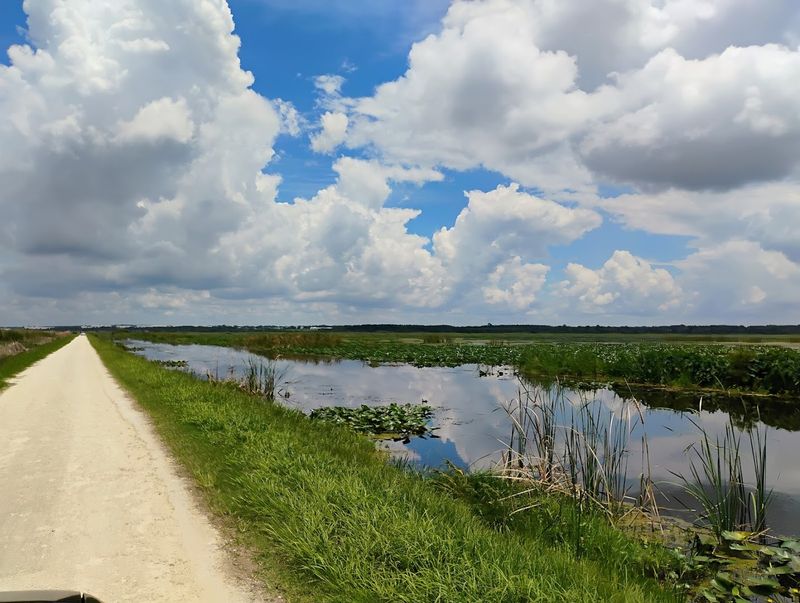
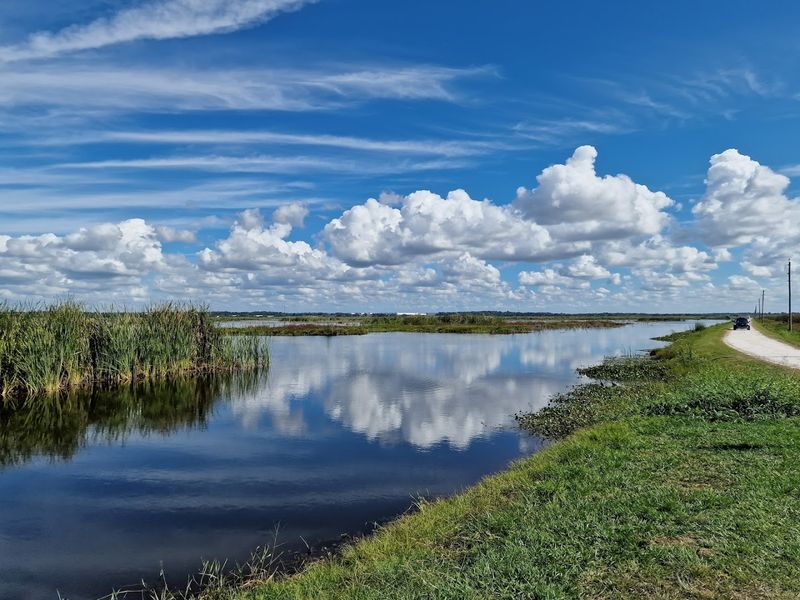
The entire route stretches 11 miles through restored wetlands that once suffered severe pollution from agricultural runoff. Decades of environmental restoration transformed these marshes back into thriving wildlife habitat, creating the stunning landscape visitors enjoy today. The one-way dirt road meanders between water impoundments teeming with life on both sides.
Native vegetation lines the route—sawgrass, cattails, and cypress trees frame views across open water where wading birds hunt for fish. The landscape shifts subtly throughout the drive, from shallow marshes to deeper pools, each supporting different wildlife communities. Several pull-off areas allow visitors to stop without blocking traffic, though the narrow road means patience becomes essential during busy weekends.
The road surface stays well-maintained despite being unpaved, though occasional potholes require careful navigation. Most standard vehicles handle the route without issues—no four-wheel-drive necessary. Speed limits stay at 10 mph throughout, ensuring everyone can spot wildlife safely while preventing dust clouds that might disturb nesting birds or basking reptiles along the water’s edge.
4. Three Hundred Sixty-Nine Bird Species Recorded
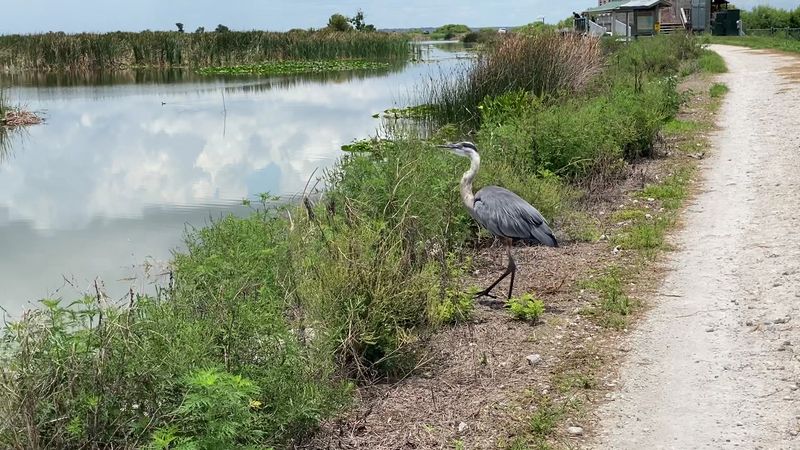
Serious birders consider Lake Apopka Wildlife Drive among Florida’s premier avian hotspots, with 369 documented species spotted over the years. Winter months bring massive migrations of ducks, with thousands of northern birds escaping cold weather to feast in these productive wetlands. Roseate spoonbills, wood storks, and painted buntings make regular appearances alongside common herons and egrets.
Ospreys dive-bomb the water for fish while anhingas spread their wings to dry in the sun. Glossy ibis probe muddy shallows while great blue herons stand statue-still, waiting to strike. The sheer diversity means every visit reveals something new, whether you’re a casual observer or dedicated twitcher checking species off your life list.
Binoculars transform the experience from good to extraordinary, pulling distant birds into sharp focus. Bird identification apps like Merlin ID help visitors name unfamiliar species by their calls, adding an educational layer to the adventure. Photography enthusiasts bring serious telephoto lenses, capturing stunning images of rare species that might never pose this cooperatively anywhere else in Florida.
5. Audio Tour Adds Educational Value Without The Lecture
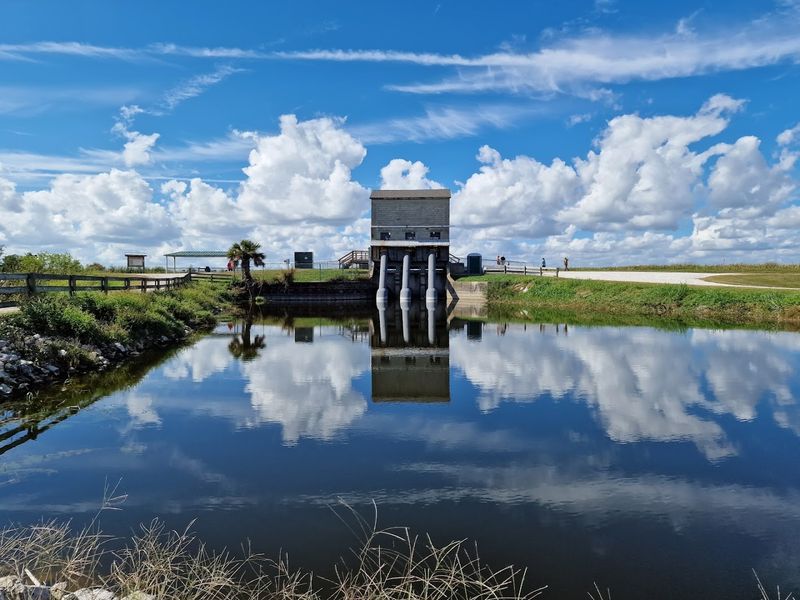
Educational checkpoints dot the route, each marked with numbered signs corresponding to the audio tour. Scan the QR code at the entrance to download the entire tour beforehand, or stop at each checkpoint to scan individual segments. The narration explains restoration efforts, ecological processes, and wildlife behaviors without feeling preachy or boring.
Kids actually stay engaged with the audio guide, which keeps explanations short and packed with interesting facts. You’ll learn how water levels get managed to support different species, why certain birds migrate thousands of miles to feed here, and how alligators survived the age of dinosaurs. The information enhances what you’re seeing rather than distracting from it.
Families appreciate how the audio tour turns a simple drive into an immersive learning experience that beats any classroom lecture. The checkpoints also provide natural stopping points for bathroom breaks at the strategically placed port-a-potties. Even repeat visitors discover new details they missed on previous trips, making the audio tour worth experiencing multiple times as seasons change the wildlife cast of characters.
6. Open Only Friday Through Sunday Plus Holidays
Plan carefully because Lake Apopka Wildlife Drive operates on a limited schedule that catches some visitors off guard. Gates open exclusively Friday, Saturday, and Sunday from 7 AM to 3 PM, plus federal holidays throughout the year. The 3 PM cutoff for last entry exists because completing the full drive takes two hours minimum, and everyone must exit before closing.
Weekdays remain closed to public vehicles while maintenance crews repair roads and biologists conduct wildlife surveys. However, the drive stays open for bicycles and hikers Monday through Thursday, offering a completely different experience for those willing to cover 11 miles on foot or pedal power. Walking or biking allows closer wildlife observation and more flexibility for photography.
Weekend crowds can get substantial, especially during peak winter birding season and on beautiful weather days. Arriving right at 7 AM opening provides the quietest experience with the best wildlife activity as animals emerge in morning light. Late afternoon entries around 2 PM face heavier traffic but still deliver excellent sightings, though you’ll spend more time waiting behind slower vehicles ahead.
7. Safety Rules Keep Wild Animals Wild
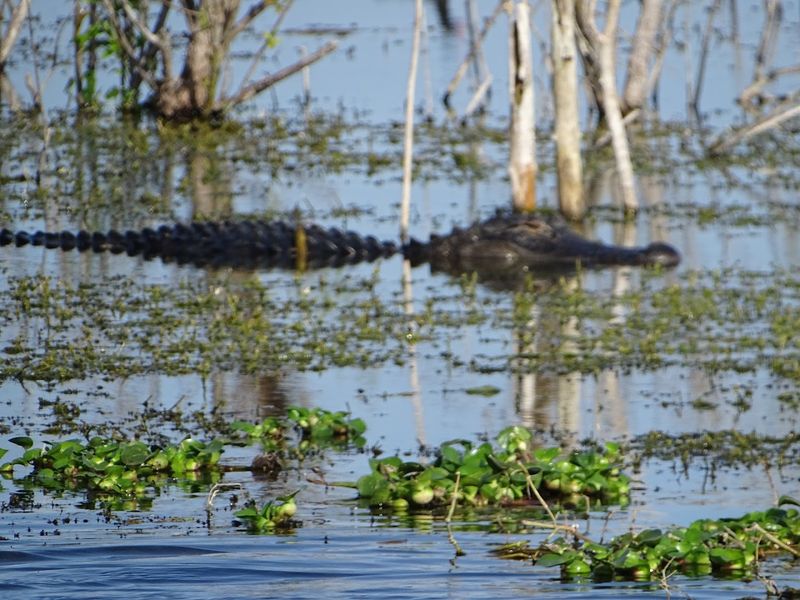
Third-generation Floridians cringe watching tourists approach alligators for selfies, behavior that endangers both humans and animals. Lake Apopka requires visitors to remain in vehicles except at designated areas, though some reckless people ignore this rule for closer photos. Alligators that lose their fear of humans get removed and euthanized, making feeding them literally a death sentence.
State law prohibits feeding any wildlife, with serious fines for violations. Fed gators associate humans with food, creating dangerous situations that force wildlife officers to destroy otherwise healthy animals. Small children and dogs face particular risk near water’s edge—gators strike with explosive speed, and an 11-foot reptile can easily overpower a large adult.
Responsible visitors enjoy incredible wildlife encounters from the safety of their vehicles, using zoom lenses and binoculars to observe natural behaviors without interference. The preserve’s magic lies in witnessing wild creatures living authentically, not performing for handouts. Respecting these boundaries ensures future generations can experience the same unspoiled wilderness that makes Lake Apopka Wildlife Drive so special compared to commercialized attractions.
8. Bring Water, Snacks, And Serious Patience
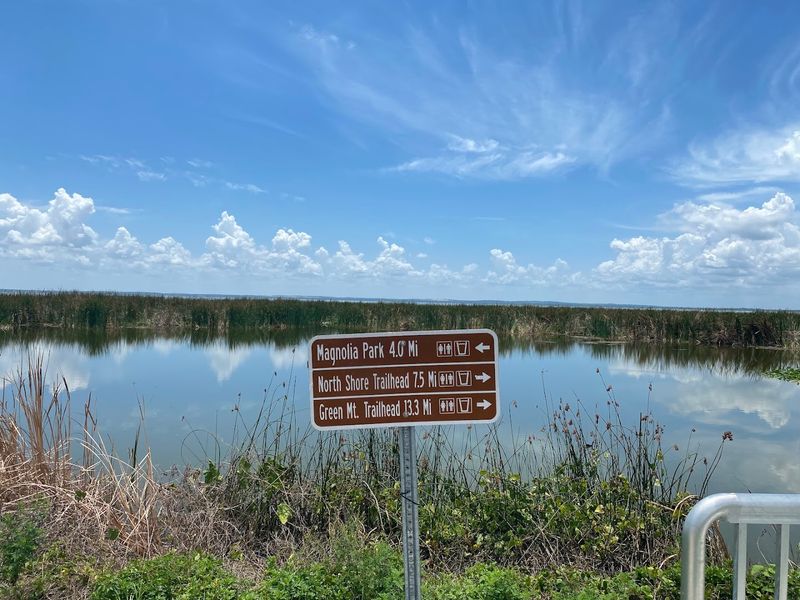
No facilities exist along the route beyond basic outhouses positioned at intervals throughout the drive. Smart visitors pack a cooler with water and snacks since the two-to-three-hour journey offers zero opportunities to purchase refreshments. Staying hydrated matters even with air conditioning, especially during warm Florida afternoons when temperatures climb.
Traffic moves at a crawl by design, with the 10 mph speed limit enforced by the narrow, winding road itself. Impatient drivers struggle here because passing stays impossible on the single-lane route. When someone ahead stops to photograph a particularly photogenic gator, everyone behind waits until they finish.
This cooperative pace actually enhances the experience once you accept it.
Weekend visits during peak season can extend drive time to three hours as cars bunch up at popular viewing spots. Bring entertainment for restless kids and embrace the slow adventure rather than fighting it. The preserve rewards patience with sightings that commercial attractions can’t replicate—wild animals behaving naturally in their native habitat, worth every minute spent watching them.