The 11 Spookiest Florida Ghost Towns (And How to Visit Them)
Florida’s ghost towns are hiding in plain sight, from mangrove-choked islands to inland pine flats where streets vanished into sand. If you crave goosebumps with your history, these forgotten places deliver atmosphere by the shovelful.
Some need a kayak, others a high-clearance car and patience, but each rewards careful, respectful exploring. Ready to chase that deliciously eerie feeling where the past still rustles in the palmettos?
1. Ellaville (near the Suwannee & Withlacoochee confluence)
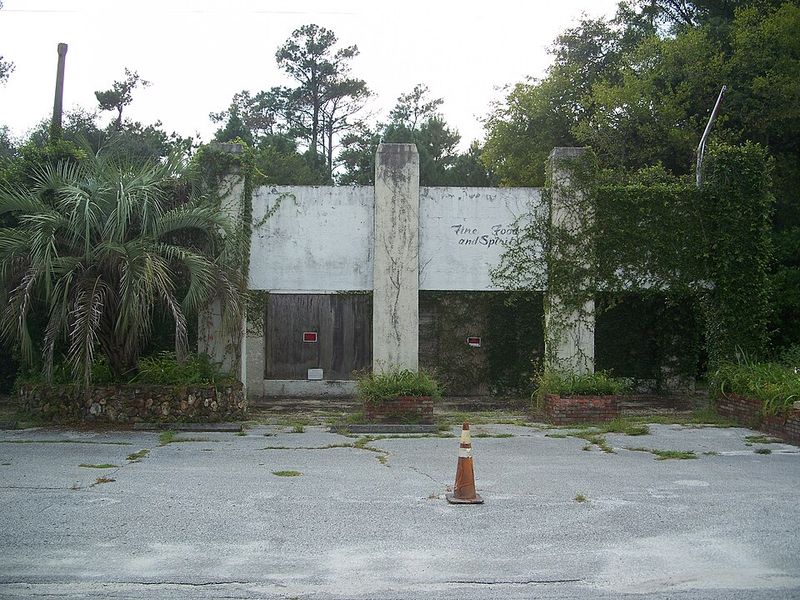
Ellaville feels like Florida hit pause and let the river take over. You’ll find it where two dark, tannin-stained rivers meet—Suwannee on one side, Withlacoochee on the other—so the whole place has that slow-moving, whispery-water soundtrack.
The “streets” are more like sandy traces under live oaks, and the town’s old footprints show up as odd clearings, scattered bricks, and the kind of straight lines in the woods that don’t happen by accident. The big mood-setter is the nearby historic-looking bridge structure and riverbank views that turn extra dramatic when the light drops and the Spanish moss starts doing its curtain thing.
Expect mosquitoes with opinions, and bring shoes you don’t mind dirtying—this is a wander-and-notice ghost town, not a selfie stop.
2. Brewster (Polk County / Bone Valley)
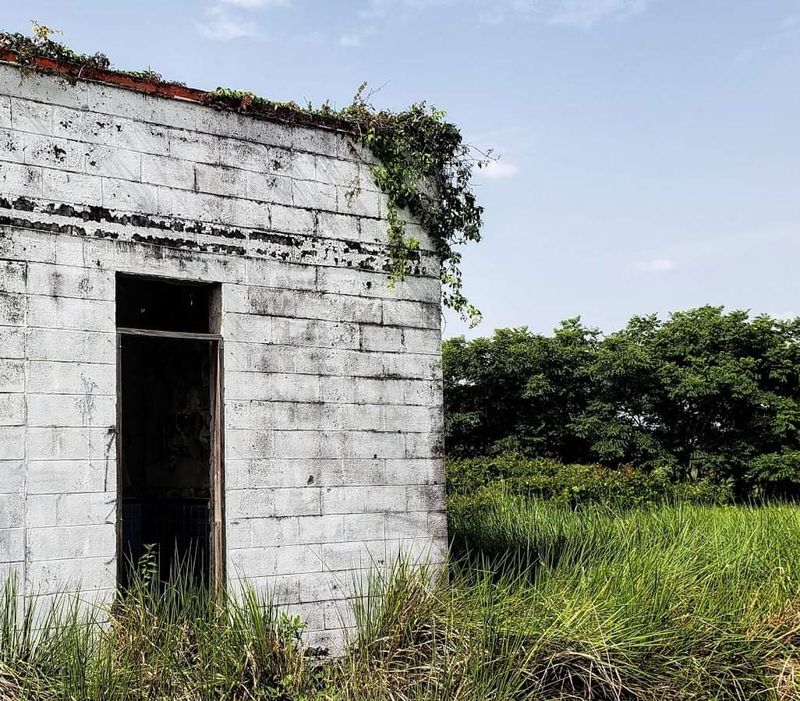
Brewster is the kind of place that makes you think, “Oh… this is what a company town looked like when it stopped being useful.” It grew around phosphate mining, and the vibe today is more industrial afterimage than quaint ruins.
You’re not strolling past saloons here—you’re clocking the hulking remnants, sandy lots, and that unmistakable “Bone Valley” landscape where land has been worked, reworked, and left to heal in its own weird way.
The most memorable sight is the tall stack/tower silhouette you’ll see referenced in photos—very Florida gothic, but with hard-hat energy. The spookiness comes from emptiness and scale: wide open, sun-bleached, and quiet in a way that feels deliberate.
Treat it like a history lesson with a haunted soundtrack, and keep your visit respectful—many areas in mining country are private or actively managed.
3. Pine Level (DeSoto County)
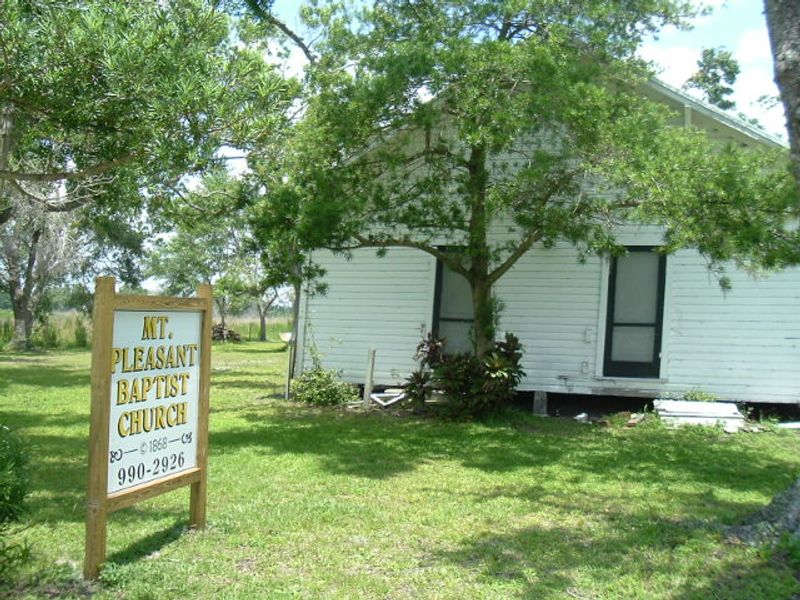
Pine Level isn’t a ghost town that screams; it’s one that mutters. This was once a DeSoto County seat, which sounds official and important until you’re standing there realizing how completely a “center of things” can slip back into pasture and pine.
What you’ll find now is mostly the story itself—historical markers, a sense of where the town used to be, and that unsettling contrast between big civic ambition and the quiet that replaced it.
The land feels soft and flat, with long sightlines and not much to interrupt the sky, so every little detail stands out: a fence line that might follow an old road, a cluster of older trees that hints at former yards, the sudden realization you’re scanning for buildings that aren’t there.
Come with curiosity, not expectations of dramatic ruins, and Pine Level delivers a slow-burn eeriness.
4. Ortona (Glades County)
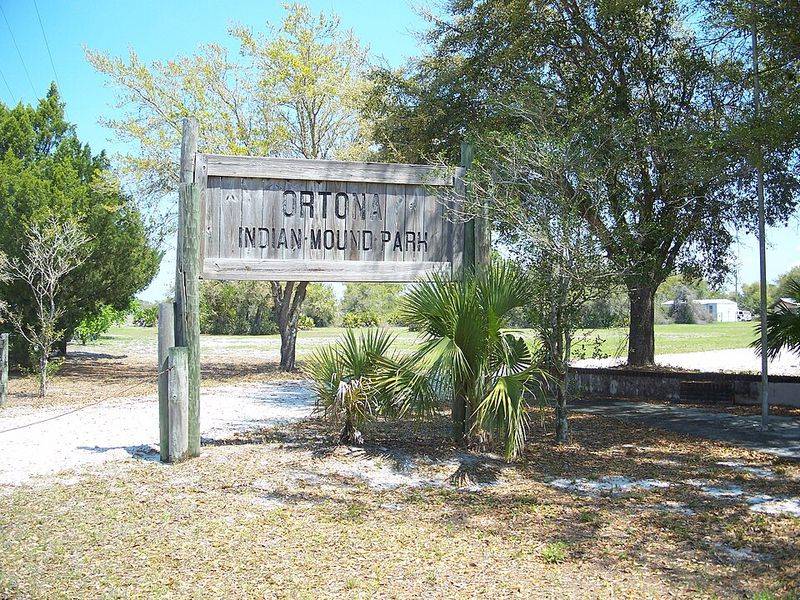
Ortona is deep Florida—think sawgrass edges, big sky, and the feeling you’re driving farther than you meant to. The settlement itself is long gone, but the place still carries layers: early development attempts, old routes, and an “archaeology under your feet” vibe that makes you step a little more carefully.
It’s the kind of ghost town where the atmosphere does most of the work. You’ll notice how quickly modern sounds drop away, replaced by wind in palmettos and the occasional bird call that’s loud enough to make you jump.
Depending on where you access the area, you may see scattered traces like raised ground, disturbed earth, or subtle alignments that suggest human planning—nothing flashy, just hints. This isn’t a park-with-signage experience, so do your homework before you go, respect any posted boundaries, and skip the “let’s poke around” instinct.
Ortona’s best feature is its silence; don’t be the person who breaks it.
5. Atsena Otie Key (off Cedar Key)
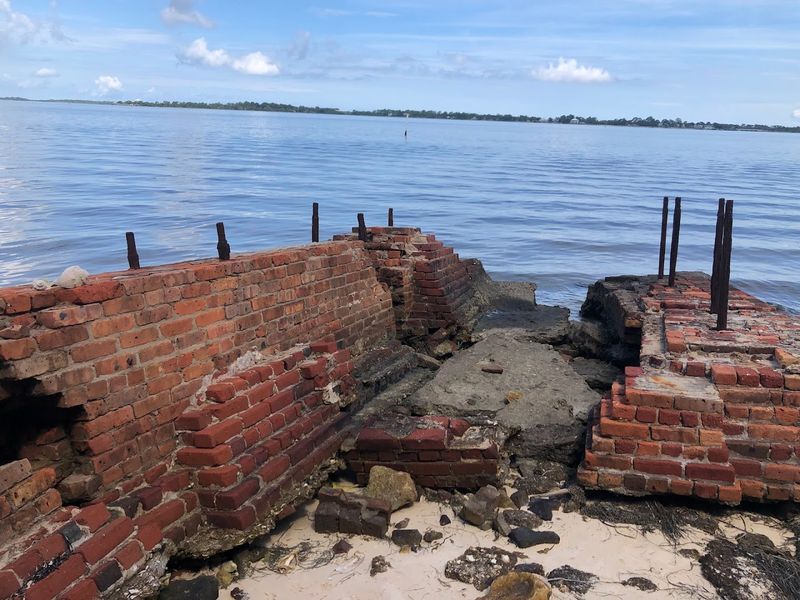
Atsena Otie Key is a ghost town you reach by water, which instantly raises the drama level. Before the 1896 hurricane wrecked the place, this was Cedar Key’s original hub—then the storm rearranged everything and the center of gravity shifted.
Today, you’re arriving by kayak or small boat to an island that feels half-history, half-overgrowth. The shoreline is quiet, the vegetation is thick, and the “town” is more suggestion than structure: traces of old foundations, subtle clearings, and that lingering sense of human life being temporary in a place ruled by wind and tides.
The spookiness hits when you realize how exposed the island is—stand still and you can almost hear weather moving in from miles away. Bring water, sun protection, and respect for nesting birds and fragile terrain.
This isn’t a “conquer the ruins” spot; it’s a “visit softly, leave lightly” kind of haunt.
6. Indian Key (Islamorada area)
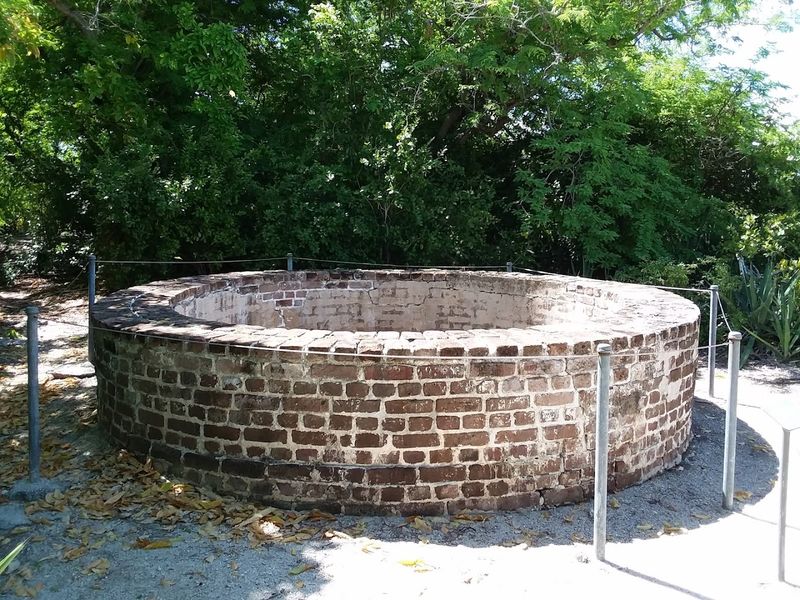
Indian Key is Florida ghost towning with a boat ride, and it doesn’t waste your time once you land. The island was once a busy 1800s community and trading stop, then violence and shifting fortunes turned it into a set of ruins you can still read like a floor plan.
You’ll walk paths lined with low stone walls and foundation outlines—actual “this was a building” evidence—plus the occasional spooky surprise like a cistern or remnants tucked in mangroves.
The vibe is part Caribbean, part haunted-history field trip: bright water all around, then these hard, quiet ruins sitting in the sun like they’re waiting for someone to explain themselves.
Go early for cooler temps and fewer people, and keep an eye out for the way the stonework contrasts with the sea-grape and palms. Indian Key’s eeriness isn’t jump-scare; it’s the weird feeling of standing on an island that used to be loud, and now mostly listens.
7. Kerr City (Ocala National Forest area)
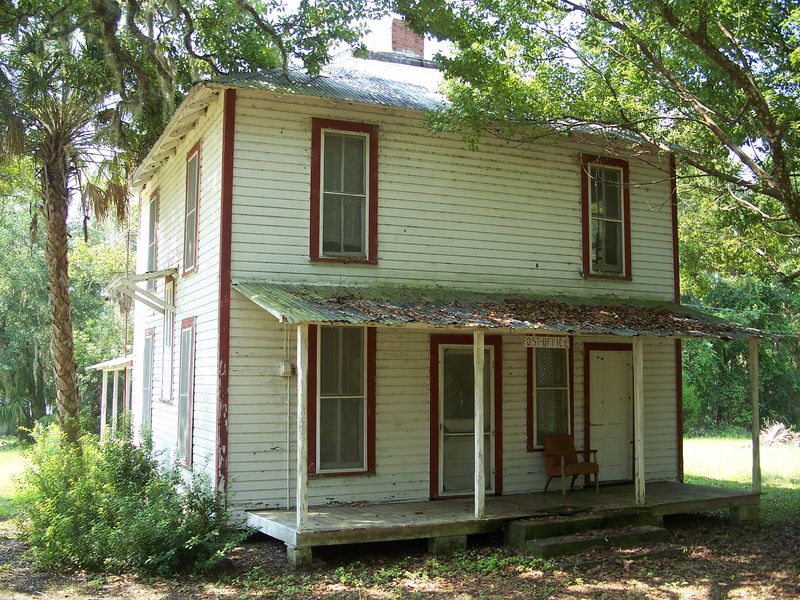
Kerr City is the ghost of a Florida dream: citrus, settlers, and the idea that you could build a town by sheer optimism. Then the freezes hit—hard—and the dream cooled off fast.
What’s left is more “phantom settlement” than postcard ruins, but the Ocala National Forest setting does a lot of heavy lifting. Expect sandy tracks, thick pine, palmetto edges, and that particular quiet you only get when you’re far from highways.
The spooky part is how normal the forest looks while hiding a whole community’s former footprint. If you’re good at reading landscapes, you might notice unnatural clearings or old road alignments; if you’re not, you’ll still feel the place’s absence.
Bring bug spray and patience, and don’t count on cell service.
Kerr City rewards the kind of traveler who likes subtle clues, not big attractions—more detective work, less spectacle, with a side of “how did people live out here?”
8. Rosewood (near Cedar Key region)
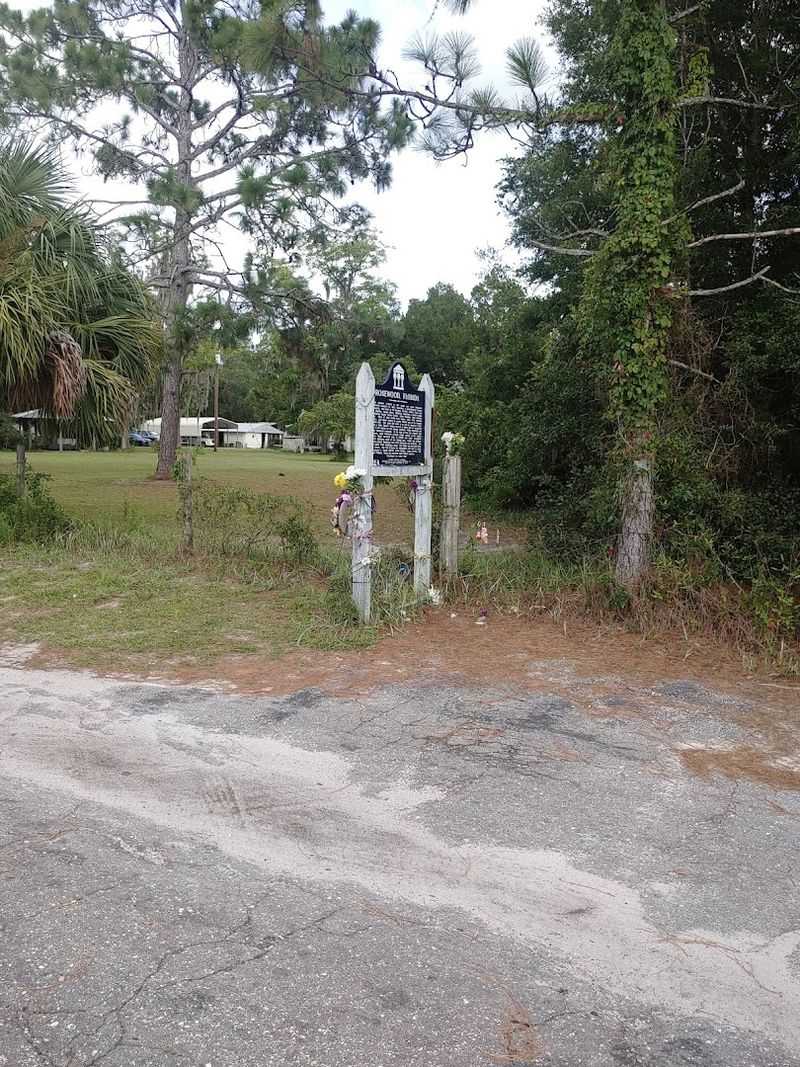
Rosewood isn’t spooky in a “campfire story” way—it’s haunting because the history is heavy and specific. This was a Black community that was destroyed in the 1923 Rosewood massacre, and what remains today is mostly memory, markers, and the quiet of a place that was deliberately erased.
If you include Rosewood in a ghost town lineup, it deserves a different tone: respectful, factual, and human. The landscape is rural and understated, which somehow makes the story hit harder—no dramatic ruins to distract you, just the unsettling normalcy of trees and roads that witnessed violence.
Visitors often seek out memorial markers and cemetery areas; treat those spaces like you’re a guest, because you are. The “spookiness” here is the lingering sense of injustice and absence, not paranormal vibes.
Done right, this section becomes the emotional anchor of the article: Florida’s past isn’t just hurricanes and busted industries—it includes the people who were forced to disappear.
9. Murdock (Port Charlotte area)
Murdock is a ghost town with a plot twist: it didn’t die because it was too remote—it got steamrolled by timing and development. In the late 1800s, it was planned as a railroad-centered community with big intentions, but the momentum shifted and the region’s growth went elsewhere.
Today, you’re not wandering through dramatic abandoned buildings; you’re hunting for the faint fingerprints of a place that almost was. That’s what makes it fun: Murdock is a “blink-and-you-miss-it” ghost story hiding under modern Port Charlotte geography.
Look for historical markers and small tells—older street layouts, place names, and pockets that feel slightly out of sync with everything around them. The eerie factor comes from realizing how easily a town can vanish without a disaster headline.
If you’re the kind of traveler who likes connecting dots, Murdock is a satisfying stop: part history scavenger hunt, part reminder that Florida’s landscape is constantly rewriting itself.
10. Fort Jefferson (Dry Tortugas)
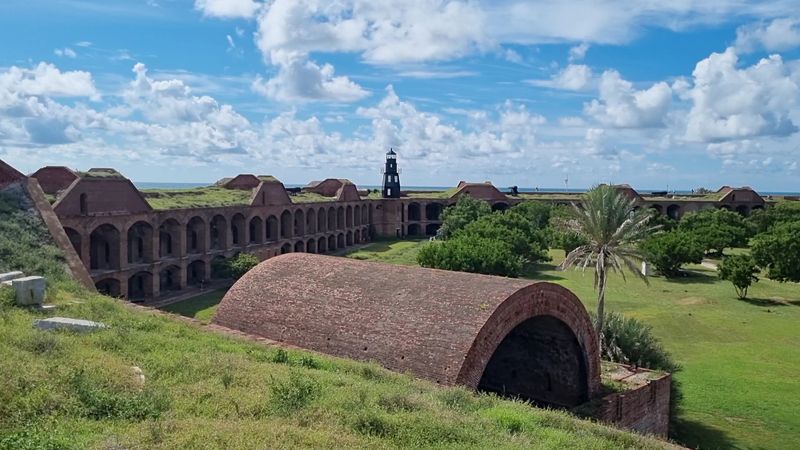
Fort Jefferson is what you get when you drop a massive brick fortress in the middle of turquoise water and then walk away. It sits out in Dry Tortugas National Park, far from everything, which means the isolation is baked into the experience.
Arrive by ferry or seaplane, step onto Garden Key, and the fort immediately feels oversized—arched corridors, thick walls, echoing rooms where your footsteps sound like they’re being followed.
The spookiness here isn’t about “ghost sightings” as much as atmosphere: salt air, wind through openings, and the knowledge that this place held prisoners and endured brutal conditions.
Outside, the moat-like water and blinding sun make the fort feel even more surreal, like it shouldn’t exist. Bring earplugs if you’re camping (the wind and birds do not sleep), and don’t rush the interior—pause in a corridor and listen.
Few Florida places deliver such a clean combo of beauty and unease in the same frame.
11. Aladdin City (Miami-Dade/Redland area)
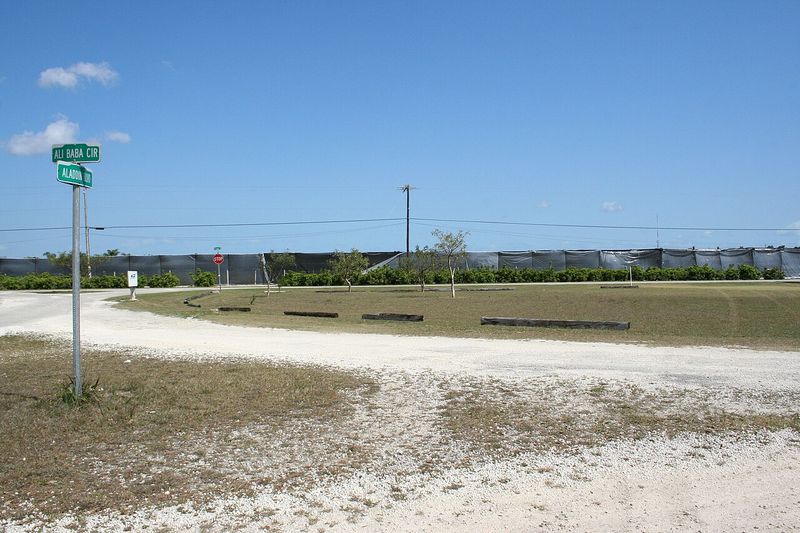
Aladdin City is the ghost of a land-boom sales pitch, which makes it feel oddly modern—Florida has been selling dreams for a long time. In the 1920s, developers promoted it as a planned community in what’s now the Redland/Homestead agricultural region.
The plan fizzled, and the “city” mostly dissolved into scattered traces and place-name leftovers rather than a tidy set of ruins. The fun here is hunting for evidence that a whole community was marketed into existence and then evaporated.
You’re in a landscape of nurseries, fruit stands, and long farm roads, so the contrast is sharp: real working land all around, and then the faint echo of a development that never happened. Look for historical references, old maps, and any surviving markers or street patterns that don’t match the surrounding sprawl.
The spookiness is subtle but satisfying—like finding a deleted chapter in Miami-Dade’s story hiding in plain sight.