The 7 Most Demanding Hikes You Can Do in Florida
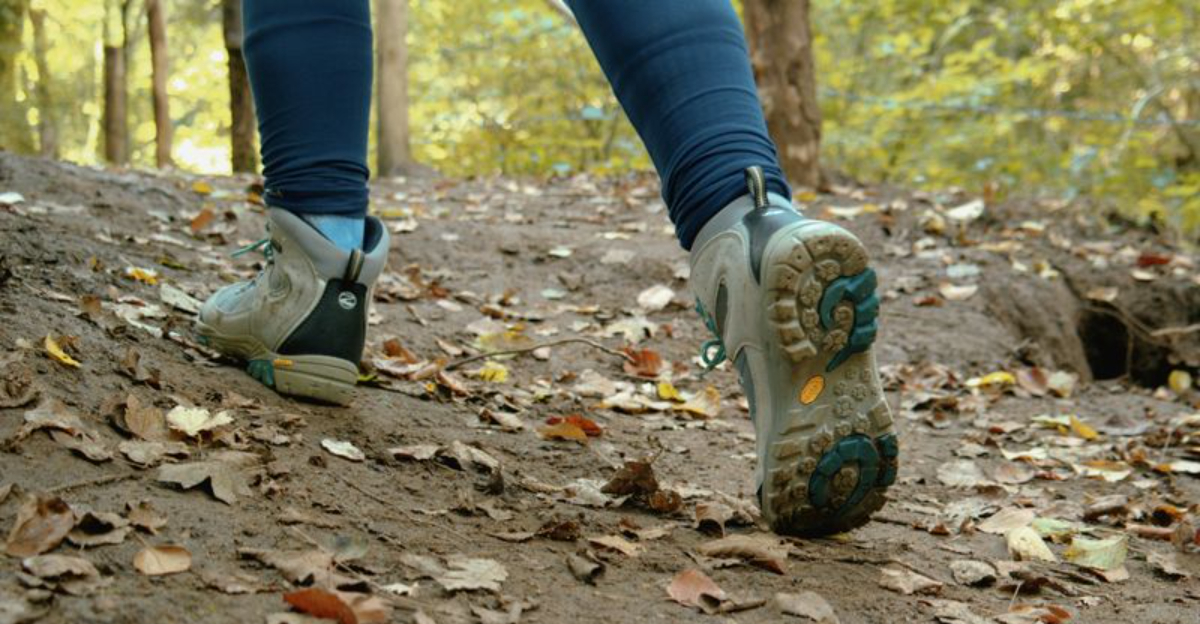
Florida doesn’t hand out “hard” the way the Rockies do. It sneaks it in through heat that won’t quit, sand that steals your legs, water crossings that soak your shoes, and miles that feel longer than the map suggests.
These are the hikes where the air is heavy, the trail is honest, and your planning matters more than your bravado. If you’re looking for Florida’s most demanding days on foot—big treks, swamp slogs, and rugged ravines—this list delivers.
Bring more water than you think, start early, and expect to earn every step.
1. Big Cypress (Oasis Visitor Center → I-75 / Alligator Alley)
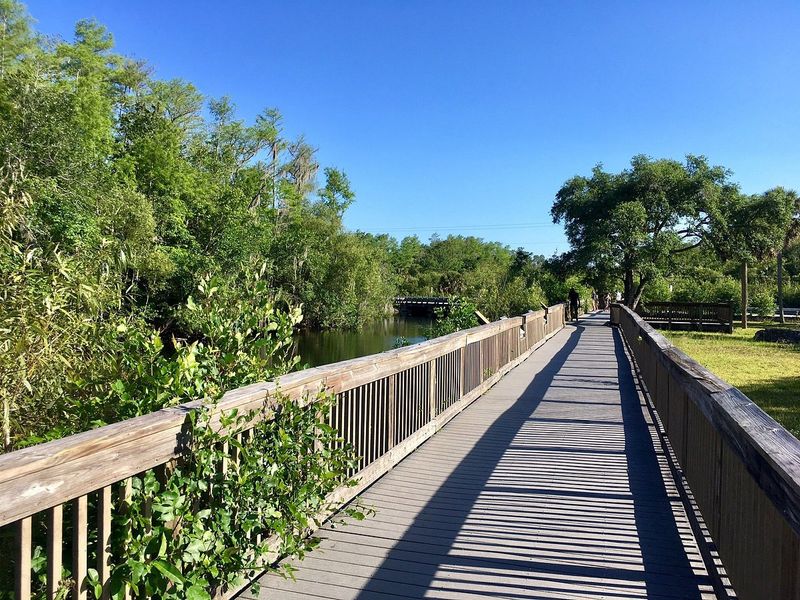
Out here, “trail” is sometimes a suggestion. The Big Cypress stretch is a long, remote push where wet feet are basically part of the itinerary and the horizon never seems to change—until you realize you’ve quietly marched deep into one of Florida’s wildest backyards.
Expect a mix of soggy prairie, cypress strands, and open sun that can cook you even on mild days. Navigation takes attention because water, grass, and faint tread can blur together fast, especially after rains.
This is not the place to discover your socks cause blisters when they’re wet for hours. Carry more electrolytes than usual and keep a steady, boring pace; Big Cypress punishes sprint-and-crash energy.
It’s demanding in the most Florida way possible: relentless, flat, and strangely mesmerizing.
2. Bradwell Bay Wilderness (Apalachicola National Forest)
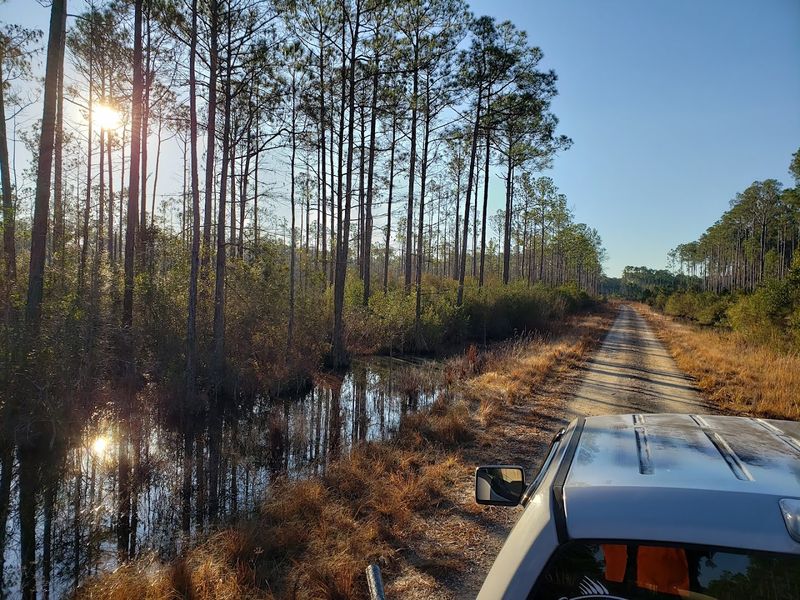
Swamp hiking doesn’t get much more committed than Bradwell Bay. The challenge here isn’t the mileage on paper—it’s the constant negotiation with water, mud, and vegetation that likes to grab your ankles and not let go.
You’ll weave through dark, wet corridors where your shoes slurp, your calves work overtime, and every dry-looking step is a little trust fall. After heavy rain, sections can turn into a wade that feels more like a slow-motion obstacle course than a walk in the woods.
This is the kind of trail where quicksand rumors start, usually from someone who wore cotton. Plan for a slower pace than you think is reasonable, then slow it down again.
If you finish clean and cheerful, you probably didn’t actually do Bradwell Bay.
3. Torreya State Park Challenge Loop (Panhandle)
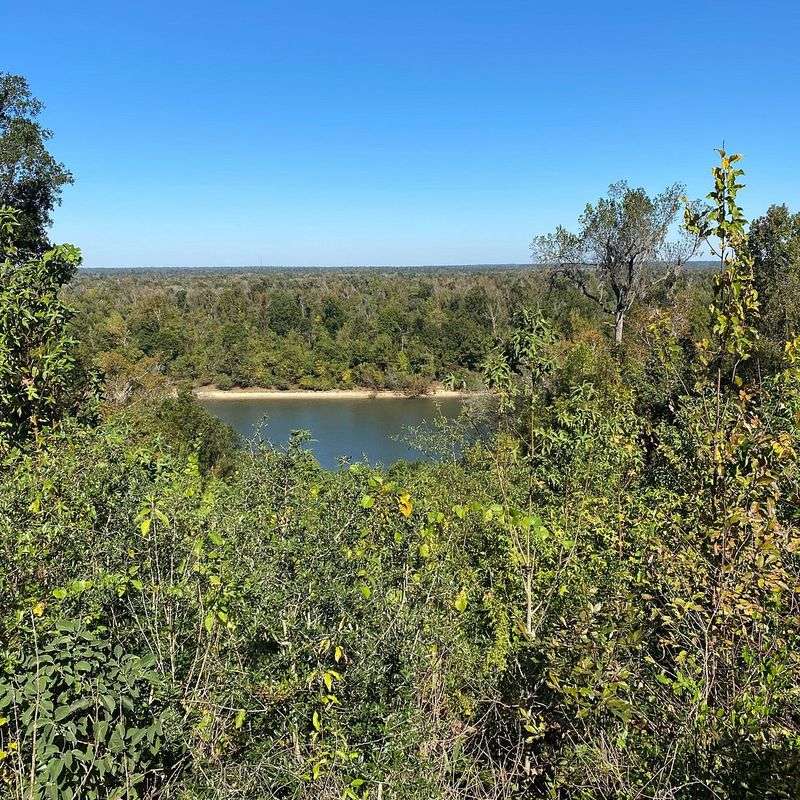
If you want Florida to briefly cosplay as Appalachia, Torreya is your ticket. The loop stacks climbs and descents into a compact punch, dropping you into steephead ravines and yanking you back out again with switchbacks and gritty little grades.
The terrain shifts fast—bluffs, roots, leaf litter, and narrow tread that keeps your footing honest. In cooler months, it’s the kind of hike that makes you forget you’re in the Sunshine State…right up until the humidity reminds you who’s in charge.
The effort is spiky: short, sharp climbs that hit the lungs, then rolling sections that tempt you to speed up before the next rise smacks you again. Take your time on descents; tired legs plus loose footing is how people learn what “bruised tailbone season” means.
4. Juniper Prairie Wilderness (Ocala National Forest)
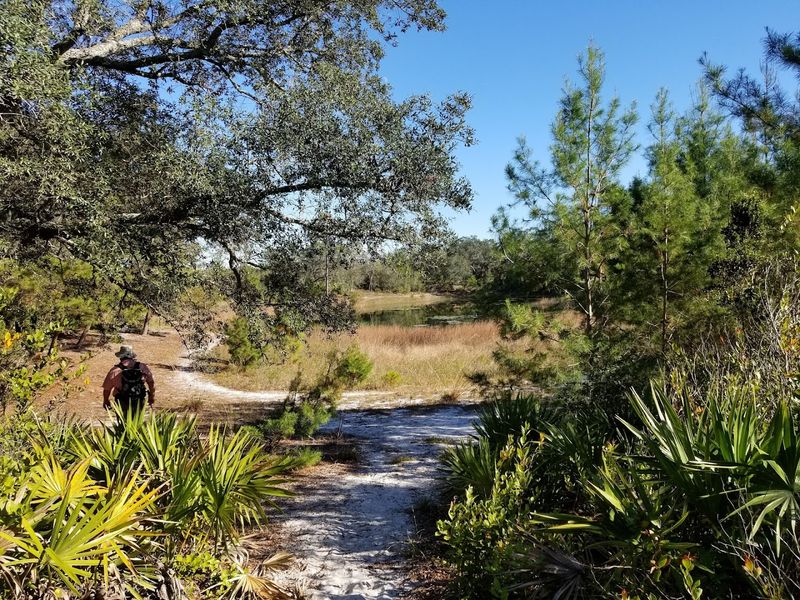
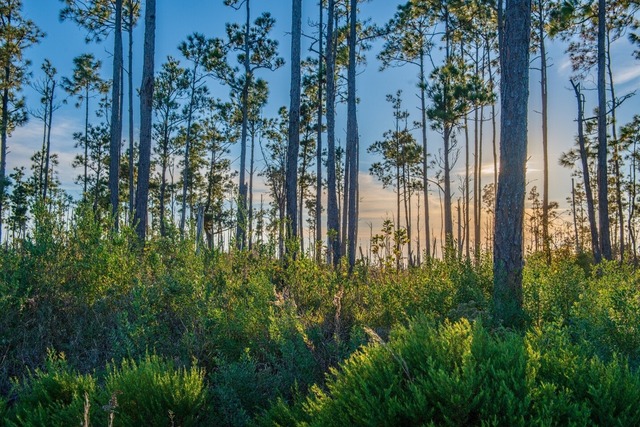
This one is a grind with a quiet kind of confidence. Juniper Prairie Wilderness serves long, sandy miles through scrub and pine where shade comes and goes, and the trail keeps asking the same question: how steady can you stay?
The sand is the headline—soft enough to sap energy, deep enough to make your ankles do extra math all day. Add stretches with limited landmarks and you’ve got a route that rewards good pacing and a reliable map.
On warmer days, the exposure sneaks up because the breeze doesn’t always reach you down in the sand. The best strategy is simple: start early, keep your hydration boringly consistent, and don’t wait until you’re hungry to eat.
This trail doesn’t need drama to be demanding; it just keeps going, and your legs will absolutely notice.
5. Ocean to Lake Hiking Trail (Hobe Sound Beach → Lake Okeechobee / Port Mayaca)
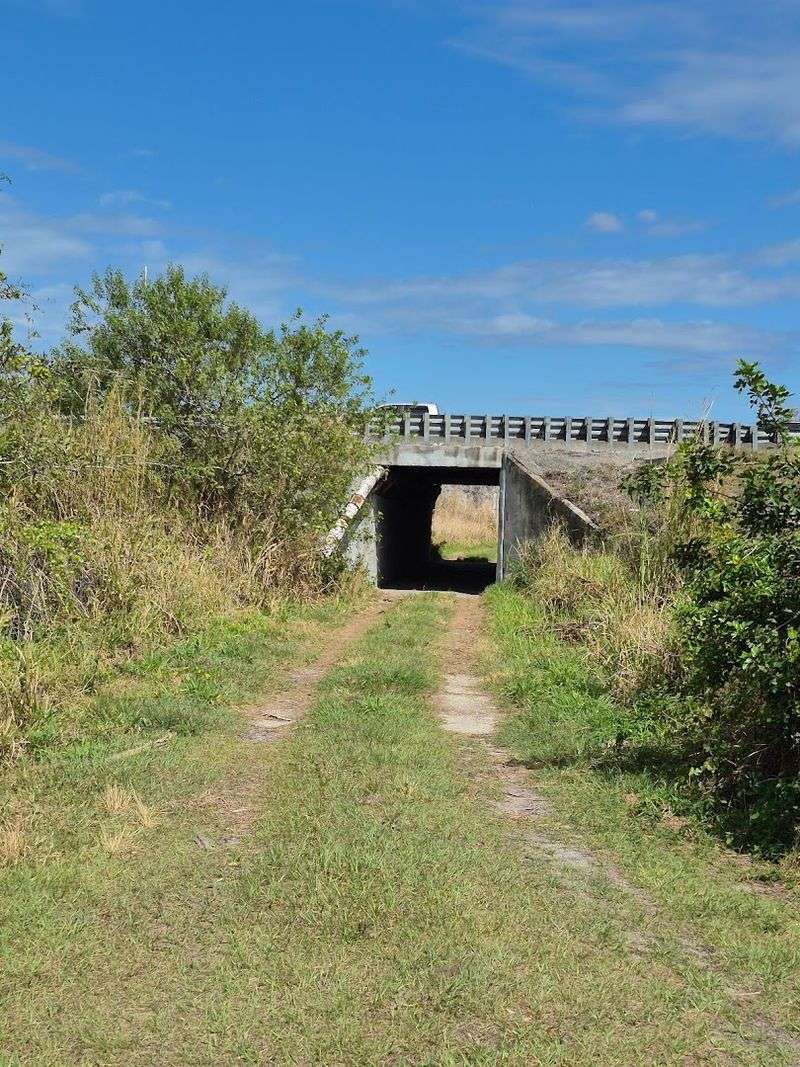
This is the Florida endurance classic: a beach-to-inland haul that turns “nice walk” into “multi-day project” in a hurry. The Ocean to Lake route strings together sand, flatwoods, and long stretches where you feel very small under a very big sky.
Some sections are friendly; others are deep-sand slogs where your pace drops and your patience gets tested. The real difficulty is logistics plus repetition: water planning, timing, and keeping your feet happy when everything is either sandy, damp, or both.
Wildlife sightings can be incredible, but don’t let the beauty distract you from the basics—sun management, calories, and steady forward motion. This trail rewards consistency more than speed.
If you treat it like a casual stroll, it’ll treat you like a lesson. Do it right, though, and it’s one of the most satisfying long walks in the state.
6. Kissimmee Prairie / Kissimmee River area (Central FL)
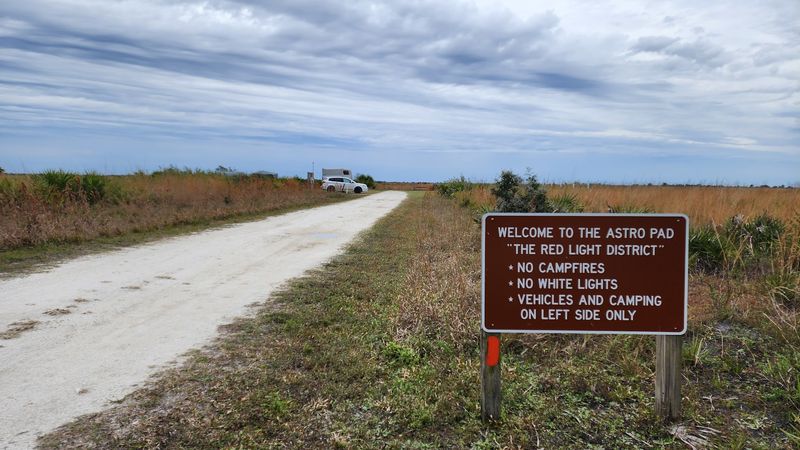
Wide-open country makes a different kind of hard. The Kissimmee Prairie/Kissimmee River area can feel deceptively straightforward—flat lines on the map, long views, easy navigation—until the sun exposure and distance start stacking up.
There’s often very little shade, and on warm days the heat feels personal. You’ll cross big skies, grasses, and marshy edges where the terrain isn’t technical, but the conditions demand attention.
Wind can help or hurt, depending on direction, and the dryness can lull you into under-drinking because you’re not dripping sweat like you would in a swamp. The key is planning around seasons and land-management realities; hunting seasons and access rules can shape the experience as much as the trail itself.
Bring sun protection you’ll actually use, keep your water strategy disciplined, and embrace the prairie pace—slow, steady, and stubborn.
7. Black Bear Wilderness Loop Trail (near Sanford/Orlando)
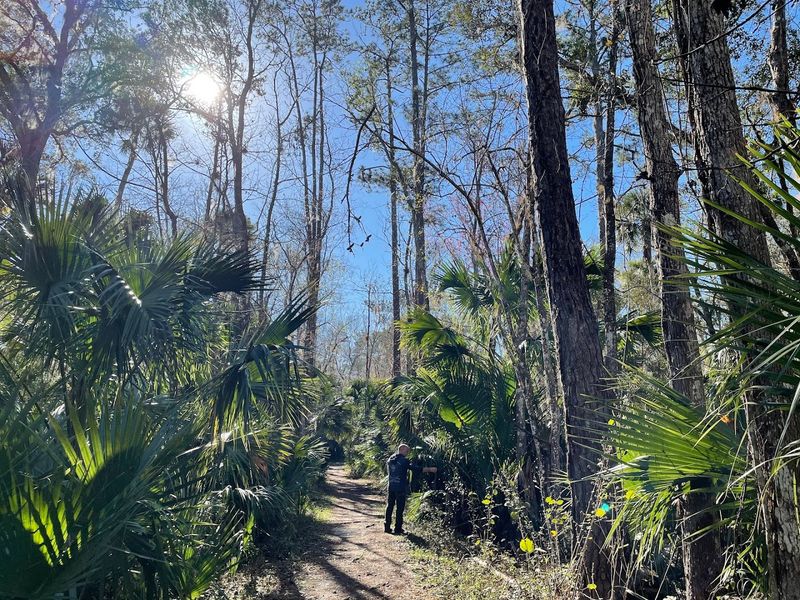
This loop has a reputation for a reason: it loves to be messy. Depending on water levels, you might get dry trail with roots and tight turns—or you might get a mud-and-water mixtape that lasts for miles.
The terrain is classic Florida “ankle work”: slippery spots, uneven footing, and sections where the trail narrows and the vegetation crowds in like it’s trying to overhear your conversation. When it’s wet, your pace can drop fast, and that’s before the bugs clock in for their shift.
Still, the payoff is real—lush scenery, big wilderness vibes close to town, and that satisfying feeling of finishing something that tried to inconvenience you the whole way. Wear shoes you don’t mind getting wrecked, expect your socks to lose the argument, and keep moving; lingering is how you become mosquito folklore.