The 74-Foot Waterfall Most Florida Travelers Don’t Know Exists
Florida isn’t exactly known for big drops and roaring cascades. It’s known for flat roads, sandy trails, and water that mostly behaves itself.
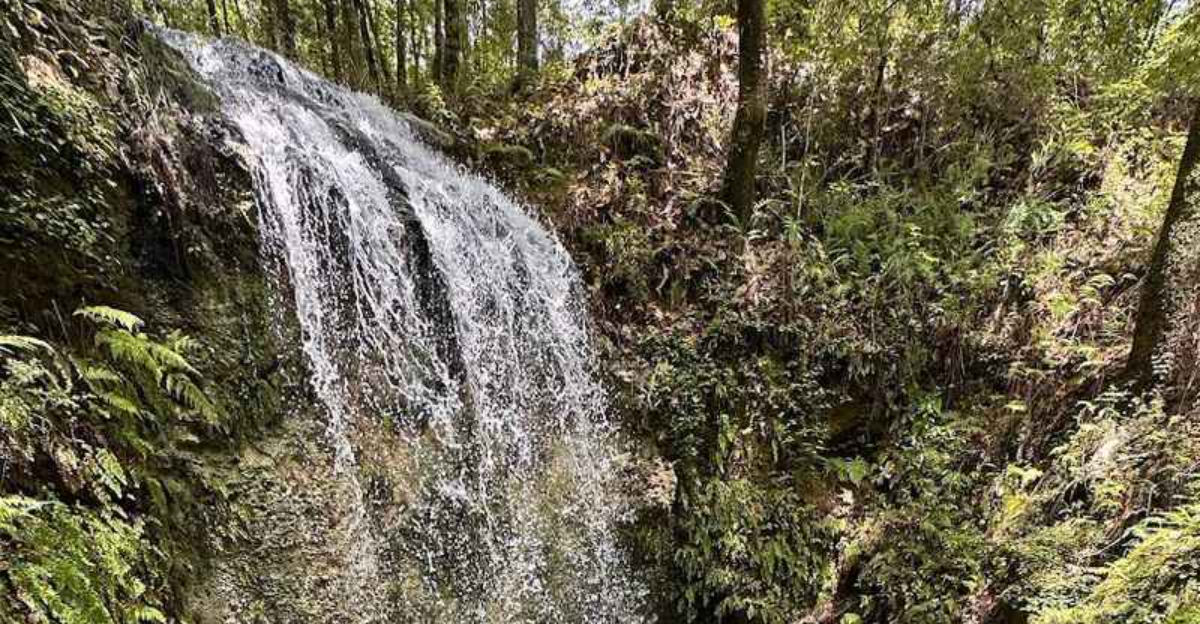
That’s why Falling Waters State Park feels like a glitch in the map: a legitimate waterfall, plunging 74 feet into a round sinkhole like it’s trying to escape the surface entirely.
It’s tucked away in the Panhandle near Chipley, and the vibe is refreshingly low-key—more “locals stretching their legs” than “tour bus photo scrum.” If you’ve ever wanted to see a side of Florida that doesn’t look like Florida, this is your spot.
Here’s how to do it right, without overthinking it.
1. Meet Florida’s Tallest Waterfall—A Rare Sight in the Sunshine State
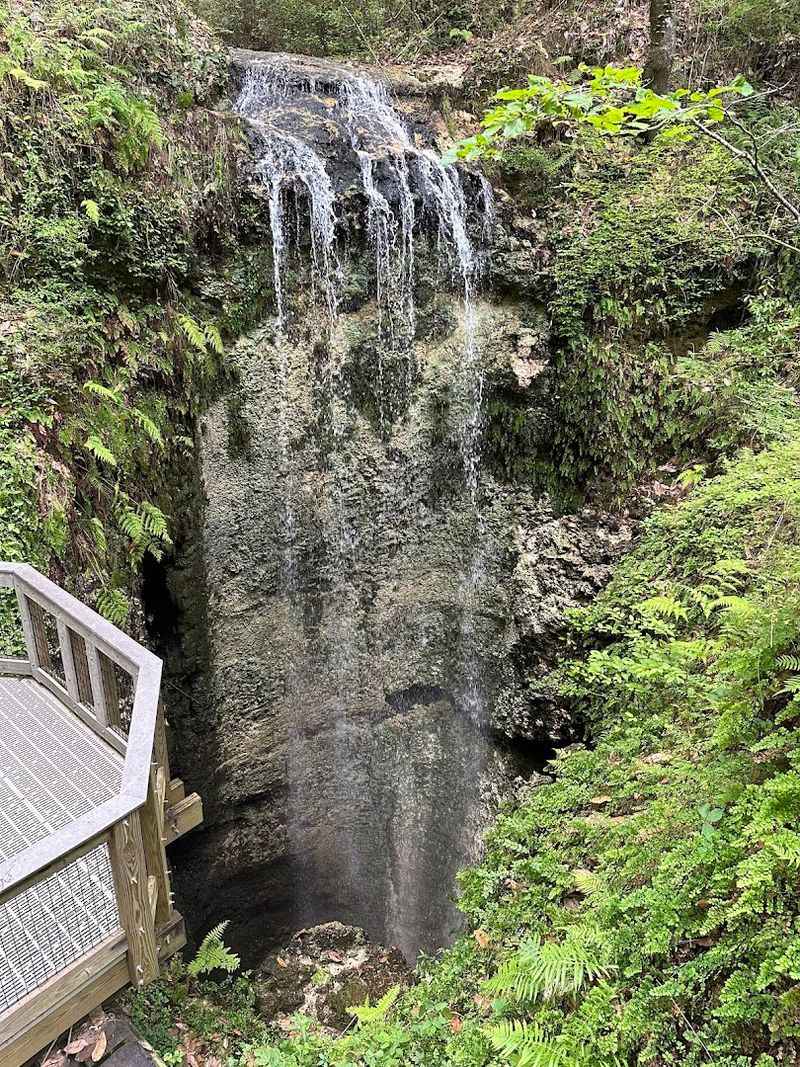
You’ll know you’re close when the air starts feeling cooler and the forest gets a little more hushed. The waterfall at Falling Waters State Park isn’t a long hike reward or a hidden scramble—it’s surprisingly accessible, which makes the whole thing even more delightful.
One minute you’re strolling through a leafy Panhandle landscape; the next, you’re looking down at a straight-up plunge that doesn’t match Florida’s reputation for “mostly level.”
The drop is commonly cited at 74 feet, and when it’s flowing well, you can hear it before you see it. It’s not a wide curtain like you’d find in the mountains, but the height makes it dramatic, especially framed by the steep walls around it.
Bring your camera, sure, but also take ten seconds to just watch the water vanish into the dark below. Florida doesn’t pull this trick often.
2. The Sinkhole Drop: Where the Water “Disappears” Underground
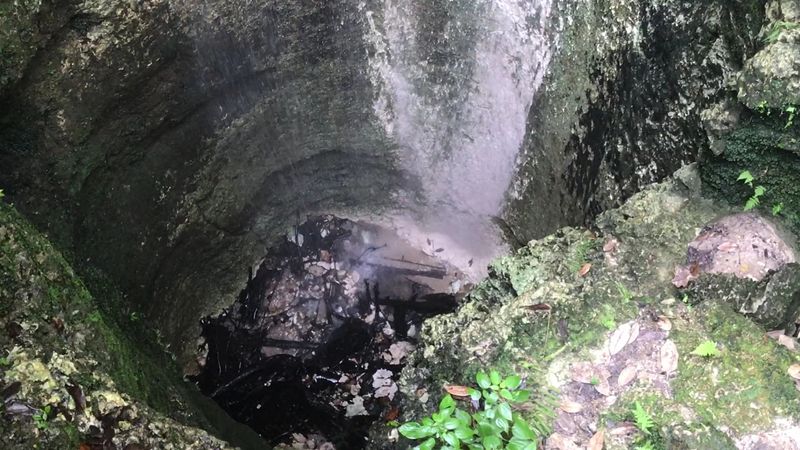
Instead of splashing into a typical pool, the falls dive into a circular sink that looks like nature’s drain. The opening is about 20 feet across, and the water doesn’t hang around—it drops, funnels, and then seems to get swallowed by the earth.
That’s the cool twist here: you’re not just looking at a waterfall, you’re watching Florida’s limestone geology do its thing in real time. The sinkhole is part of a bigger underground system, which is why the scene feels a little mysterious, especially if the light is changing or the flow is strong.
Depending on rain, you might see a steady stream or a more delicate ribbon, but the “where does it go?” factor always holds up. Lean over the rail, listen for the echo, and you’ll get why people linger here longer than they expect.
3. An Easy, Scenic Walk: The Short Trail to the Best Viewpoints
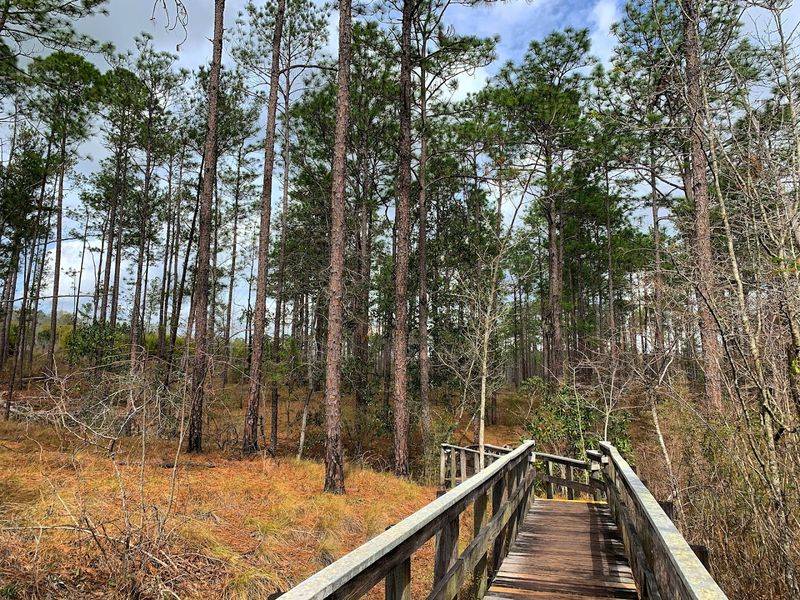
Getting to the waterfall doesn’t require a full-on hike mindset—more like “comfortable shoes and a little curiosity.”
The route is short and straightforward, with boardwalk sections and a trail that makes the approach feel like a mini nature tour rather than a trek. Along the way you’ll pass thick greenery, tall trees, and that damp, earthy Panhandle scent that shows up after rain.
The viewpoints are set up so you can get different angles without doing anything sketchy, and that’s key here because the terrain drops off fast near the sink. One overlook gives you the satisfying “full plunge” view; another brings you closer to the rim so you can see the water’s path into the opening.
Take your time and look around—this park is quieter than many Florida favorites, which means you can actually hear birds and breeze instead of someone’s speaker.
4. When to Go for Peak Flow (And When It’s Just a Trickle)
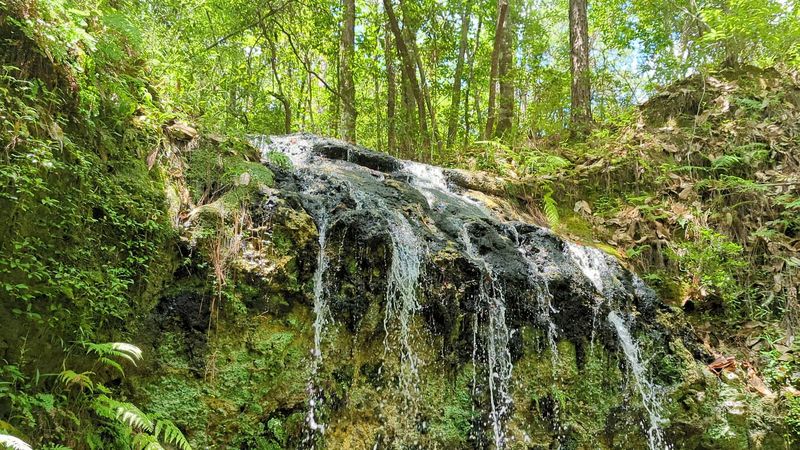
Rain is the difference between “wow” and “wait, that’s it?” at Falling Waters. The waterfall’s flow depends heavily on recent weather, so timing matters more here than at many Florida parks.
After a good stretch of rain—especially in wetter seasons—the drop looks fuller, sounds louder, and throws off that faint misty coolness near the viewing area. During drier periods, it can shrink to a thin stream or even calm down dramatically, which is still interesting, just less cinematic.
If you’re aiming for the big reveal, plan your visit after storms have moved through the Panhandle, not weeks into a dry spell. Locals often check conditions by keeping an eye on recent rainfall totals in the area, and that’s the move.
Go earlier in the day for softer light and fewer people, and you’ll get better photos without having to wait your turn at the rail.
5. More Than the Falls: Swim, Picnic, and Explore the Quiet Corners
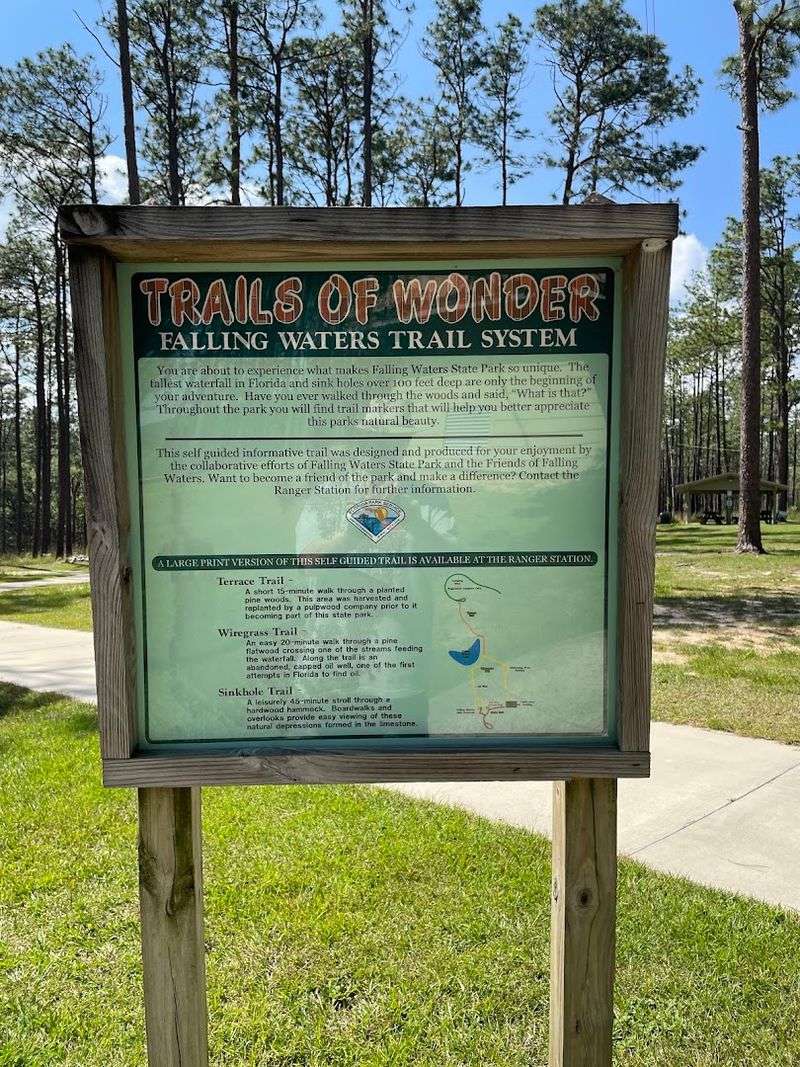
Once you’ve done the waterfall loop, don’t rush out—this park has enough extras to turn a quick stop into an easy half-day. The swimming area is a classic Florida reset when it’s warm out: simple, refreshing, and surprisingly satisfying after a walk in the shade.
There are picnic spots that feel genuinely peaceful, not wedged beside a busy parking lot, and the surrounding trails and natural areas keep the “Panhandle woods” mood going. Keep an eye out for the butterfly garden and little nature touches that make the place feel cared for without being overbuilt.
If you’re traveling with someone who’s not obsessed with waterfalls (it happens), these side options help everyone feel like they got something out of the stop. The best part is the pace: you can wander, snack, swim, and still feel like you’ve discovered something unusual without turning the day into a production.
6. Know Before You Go: Fees, Hours, Parking, and Camping Tips
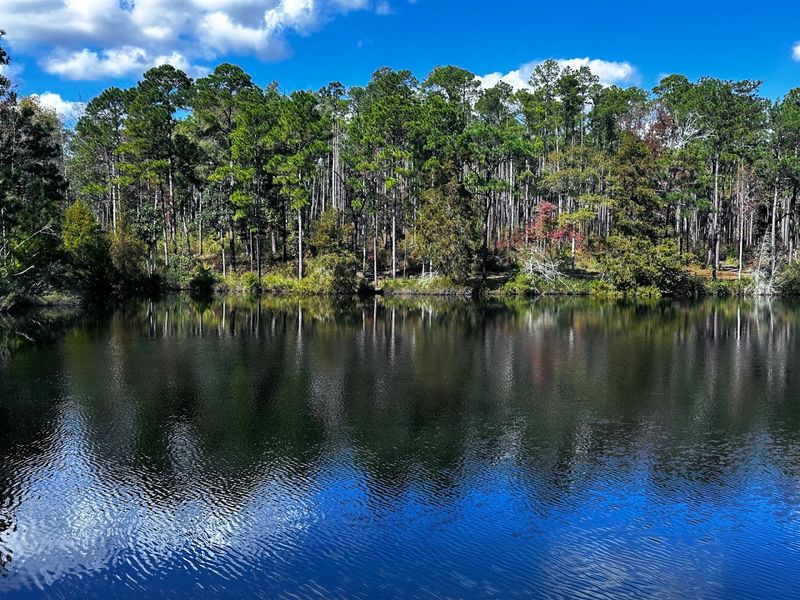
A little planning goes a long way here, mostly because the park is easy and you don’t want small details to trip you up. Entry is typically $5 per vehicle, and the park is generally open from 8 a.m. until sundown, which makes it a solid morning stop or an afternoon detour on an I-10 road trip.
Parking is straightforward, but on nicer weekends it can fill up faster than you’d expect for a “quiet” park—arriving earlier keeps things smooth. If you’re tempted to stretch the visit into an overnight, the campground is the move, especially if you want to catch the falls when the light is better and the crowds are thinner.
Pack water, wear shoes you don’t mind getting dusty, and remember that the waterfall experience is weather-dependent—so flexibility is your friend. When it’s flowing, you’ll be glad you made the effort.