7 Best Florida Beaches for Treasure Hunters and Fossil Lovers
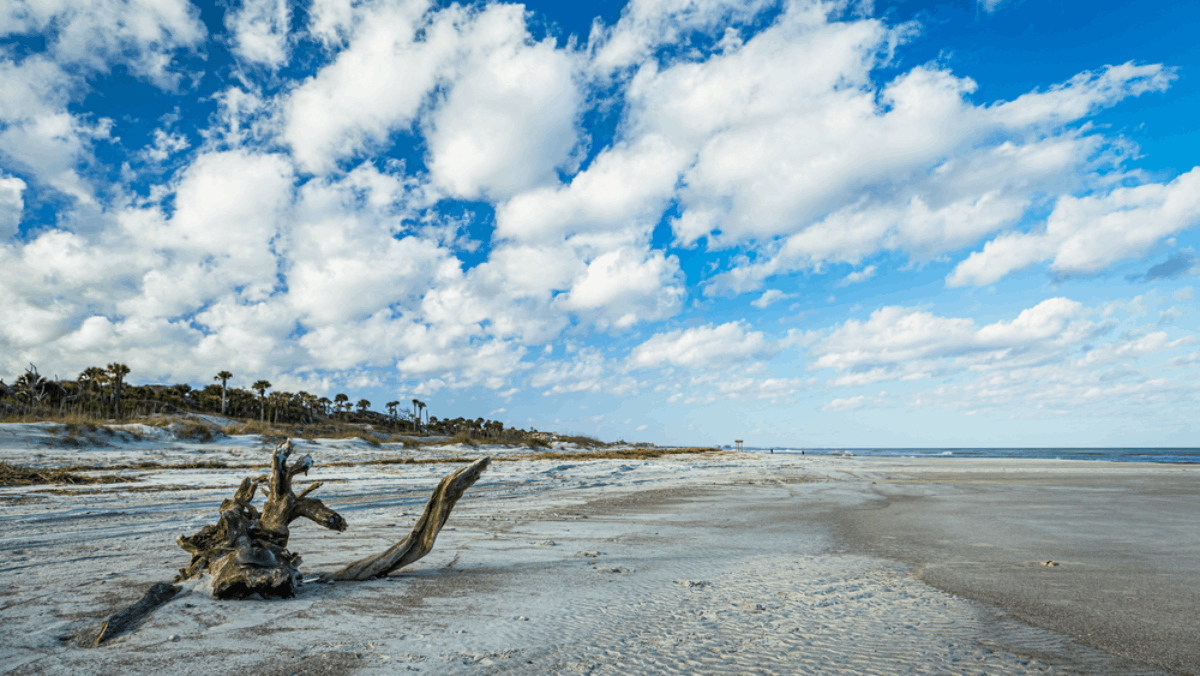
Florida’s coastline hides incredible treasures beneath the sand and surf, from ancient shark teeth to prehistoric fossils millions of years old.
Beachcombing along these shores offers more than just a relaxing day by the ocean—it’s a chance to hold history in your hands. Whether you’re hunting for your first fossilized tooth or searching for rare specimens, these seven beaches deliver unforgettable discoveries.
Grab a mesh bag and get ready to explore Florida’s best spots for treasure hunters and fossil enthusiasts.
1. Venice Beach (Venice)
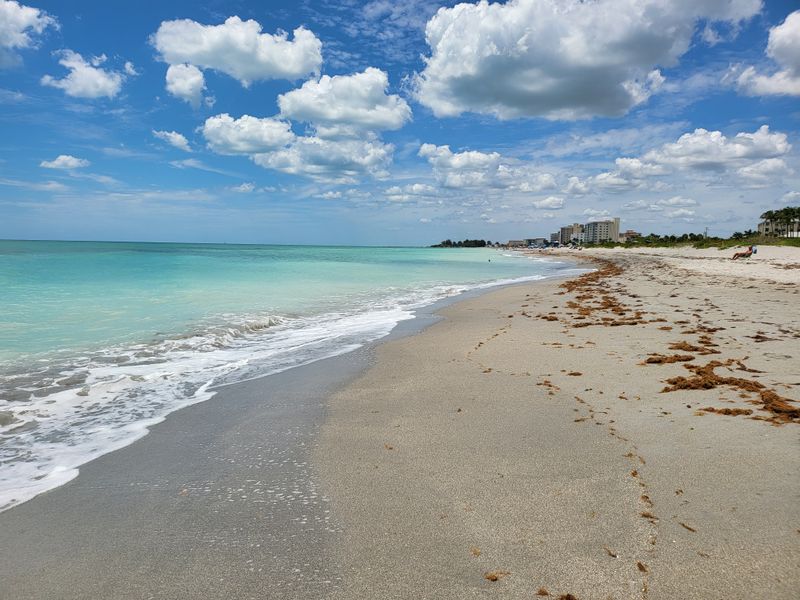
Known worldwide as the Shark Tooth Capital, this beach attracts collectors from every corner of the globe. After storms, thousands of fossilized shark teeth wash ashore, creating a natural treasure hunt that excites beginners and experts alike. The teeth come from ancient species that swam in these waters millions of years ago.
Early morning visits offer the best finds before crowds arrive. Look along the waterline where waves deposit fresh specimens hourly. Black and brown teeth stand out against the lighter sand, making them easier to spot.
Bring a small sifter or sand scoop to speed up your search. Local shops sell specialized tools and offer tips on identifying different shark species.
2. Caspersen Beach (Venice)
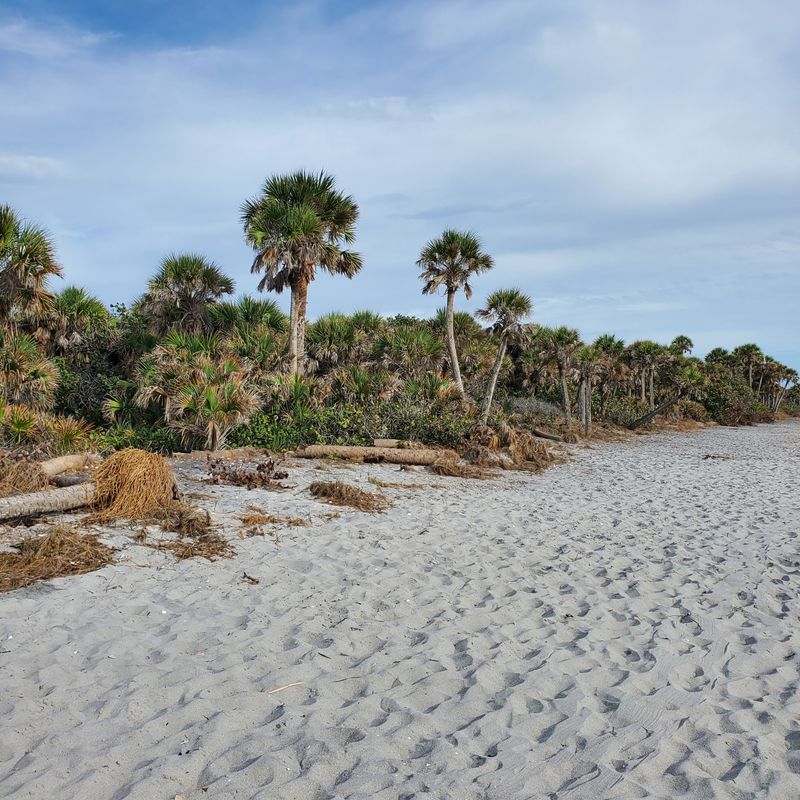
Serious collectors consider this beach the ultimate destination for fossil discoveries. Unlike its busier neighbor Venice Beach, Caspersen offers a quieter, more rugged experience with exceptional rewards. Prehistoric treasures here include not just shark teeth but also vertebrae, stingray barbs, and occasional mammoth bone fragments.
The offshore reef system acts like a natural conveyor belt, constantly delivering fossils from deeper waters. Wade into the shallows with a mesh basket to sift through shell beds where the best specimens hide. Patience pays off tremendously at this location.
3. Manasota Key Beach (Englewood)
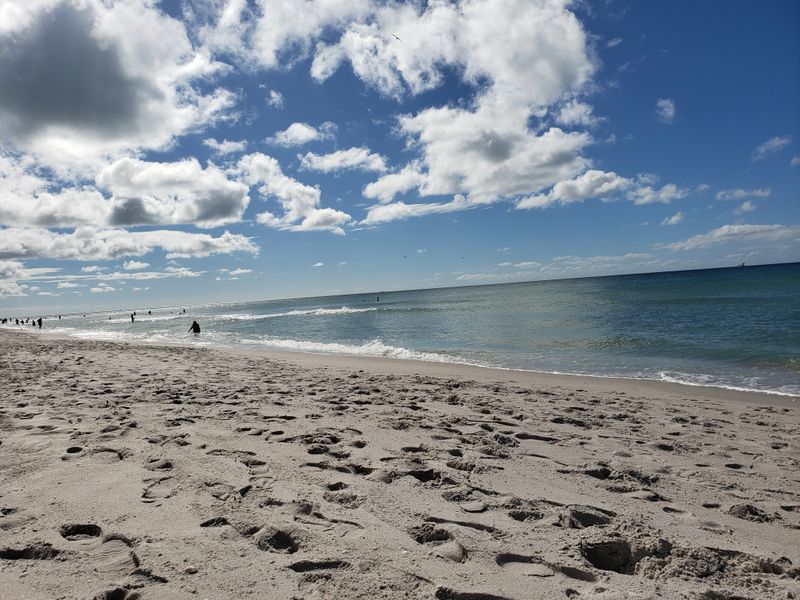
This hidden gem combines excellent fossil hunting with spectacular shelling opportunities. Manasota Key’s unique offshore geography channels both ancient teeth and beautiful shells directly onto the beach. Collectors often fill bags with treasures during a single low-tide session.
The key’s location between Charlotte Harbor and the Gulf creates ideal conditions for fossil deposits. Search near rock formations and tidal pools where currents naturally concentrate finds. Megalodon teeth occasionally appear here, though they’re extremely rare and highly prized.
Visit during winter months when northern storms churn up the ocean floor, bringing fresh specimens ashore. Combine your fossil hunt with birdwatching, as this area hosts incredible wildlife year-round, making every visit memorable beyond the treasures you discover.
4. Mickler’s Landing (Ponte Vedra Beach)
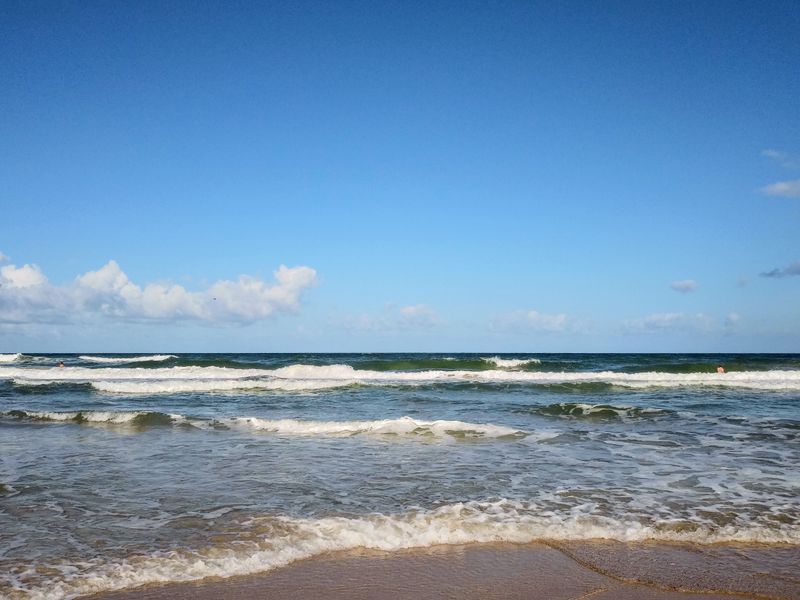
Northeast Florida’s premier fossil beach surprises visitors with abundant tiny shark teeth perfect for jewelry and crafts. While the teeth run smaller than Venice specimens, their quantity makes up for their size. After high tides, the sand practically glitters with miniature treasures.
The beach’s coquina rock formations create natural collection points where fossils accumulate. Walk slowly along these rocky areas, scanning carefully for the telltale triangular shapes. Bring reading glasses or a magnifying glass since many teeth measure under half an inch.
Parking fills quickly on weekends, so arrive before 9 a.m. for the best spots and finds.
5. Fernandina Beach (Amelia Island)
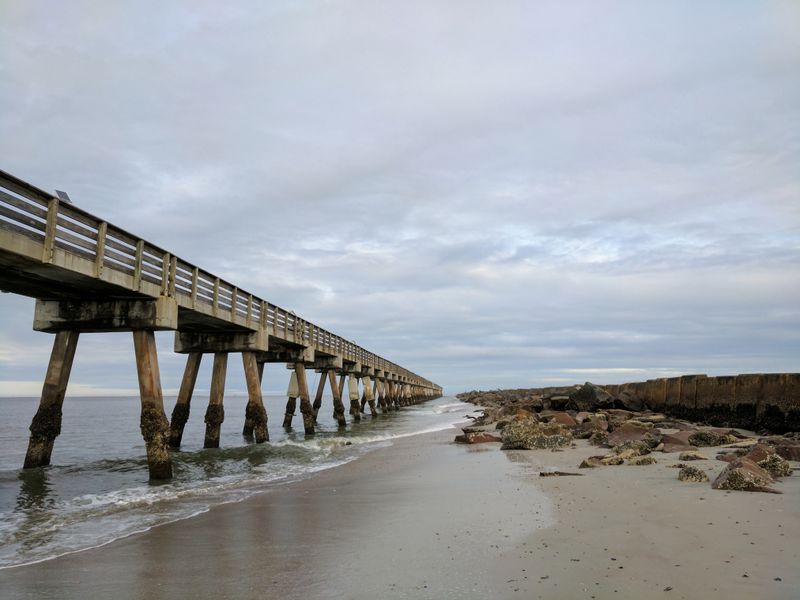
Amelia Island’s northern shores deliver diverse fossil finds beyond typical shark teeth. Ancient whale bones, fossilized turtle shells, and prehistoric fish vertebrae turn up regularly along this historic coastline. The variety keeps every beach walk exciting and unpredictable.
Strong Atlantic currents constantly replenish the fossil supply from offshore deposits. Check the tide charts and plan visits during low tide when more beach area becomes accessible. The packed sand near the waterline yields the most consistent discoveries.
Historic downtown Fernandina sits just minutes away, offering excellent restaurants and shops after your hunt. The island’s Victorian architecture and maritime heritage add cultural richness to your fossil-hunting adventure. Many visitors combine treasure hunting with exploring the island’s charming streets, making this destination perfect for a full-day excursion with family.
6. Blind Pass Beach (Sanibel Island)
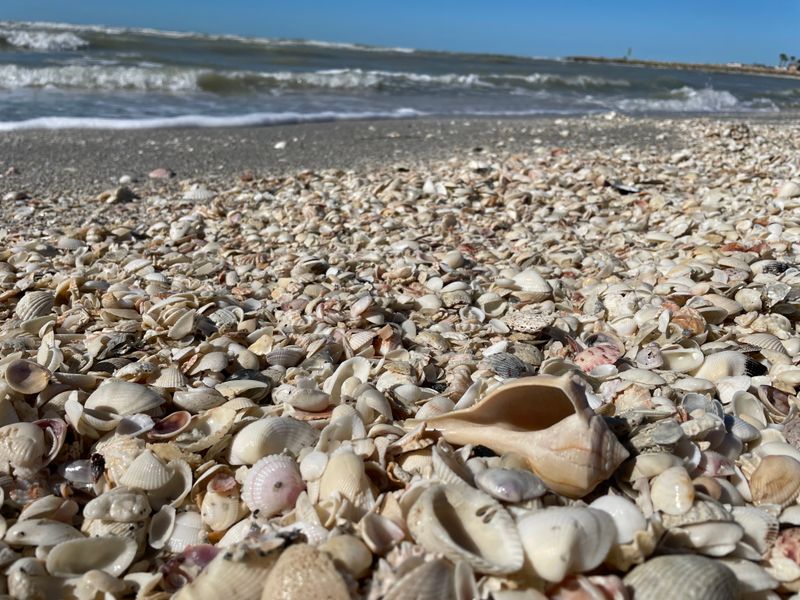
Sanibel’s reputation as a shelling paradise extends to fossilized specimens too. Blind Pass Beach sits at a strategic channel where tidal currents deposit exceptional finds daily. Collectors discover ancient shell fossils alongside modern rarities, creating a unique treasure-hunting experience.
The pass between Sanibel and Captiva Islands funnels shells and fossils from deep water onto the beach. Arrive at dawn during low tide for the absolute best selection before other collectors appear. The famous Sanibel Stoop position becomes second nature as you scan the abundant shell piles.
Bring a mesh bag rather than solid buckets to rinse your treasures easily. The nearby Bailey-Matthews Shell Museum provides fascinating context for your discoveries and helps identify unusual specimens you find.
7. Honeymoon Island State Park (Dunedin)
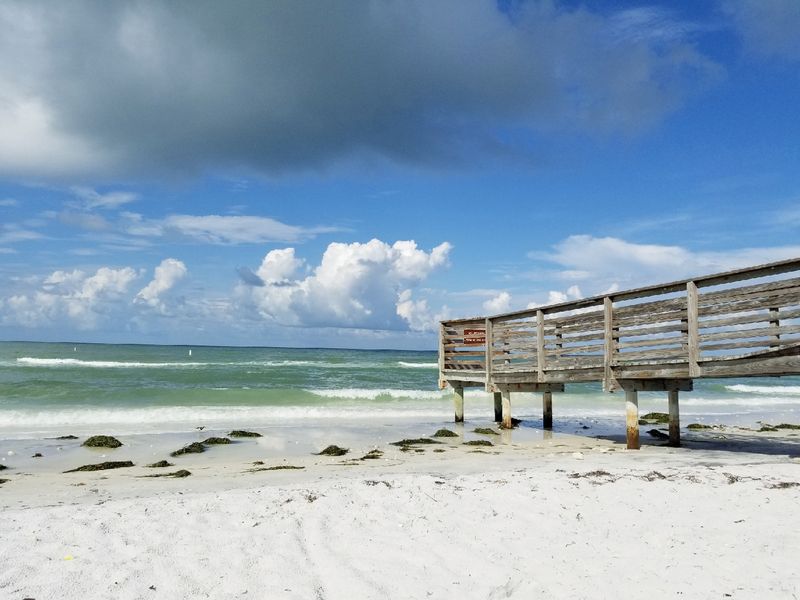
This protected state park offers pristine beaches where fossils and shells mingle in natural abundance. Honeymoon Island’s undeveloped shoreline preserves the kind of treasure-hunting experience that’s increasingly rare in developed Florida. Ancient shark teeth appear alongside sand dollars, whelks, and colorful scallop shells.
The park’s nature trails and osprey nesting areas add wildlife viewing to your fossil hunt. Rangers sometimes offer guided beach walks explaining the area’s geological history.
A small entrance fee grants full-day access to pristine beaches and excellent facilities. Arrive early since the park closes when parking reaches capacity.