The Enchanting Underwater Observatory In Florida Where You’ll Meet Manatees Face-To-Face
Ready to stand eye level with gentle sea cows in crystal clear spring water? At Ellie Schiller Homosassa Springs Wildlife State Park, Florida’s famous Fishbowl underwater observatory puts you face to face with manatees and swirls of native fish. Between boat rides under shady cypress, easy boardwalk loops, and kid friendly wildlife talks, your day feels both adventurous and effortless.
Come curious and leave inspired to protect Florida’s wild heart.
1. The Fishbowl Underwater Observatory
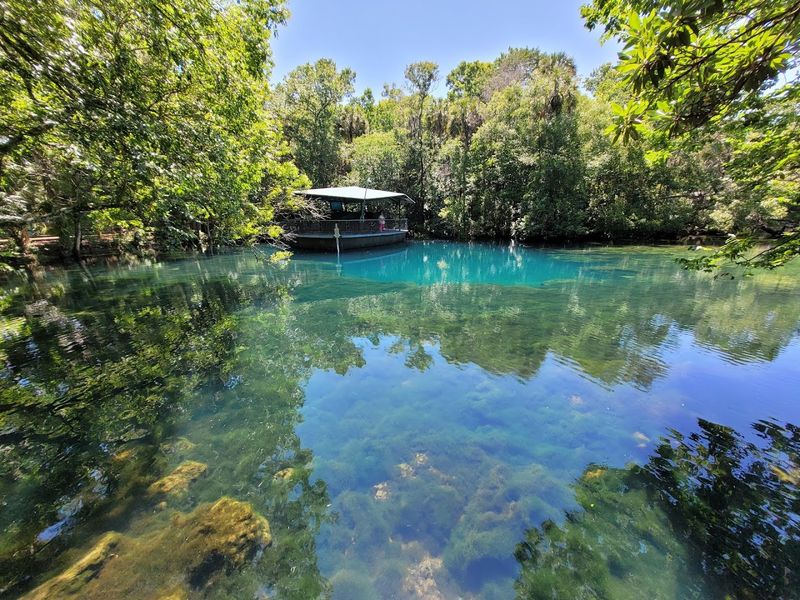
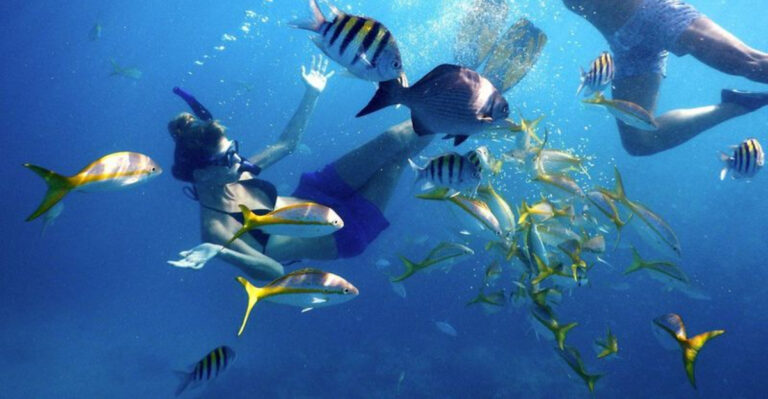
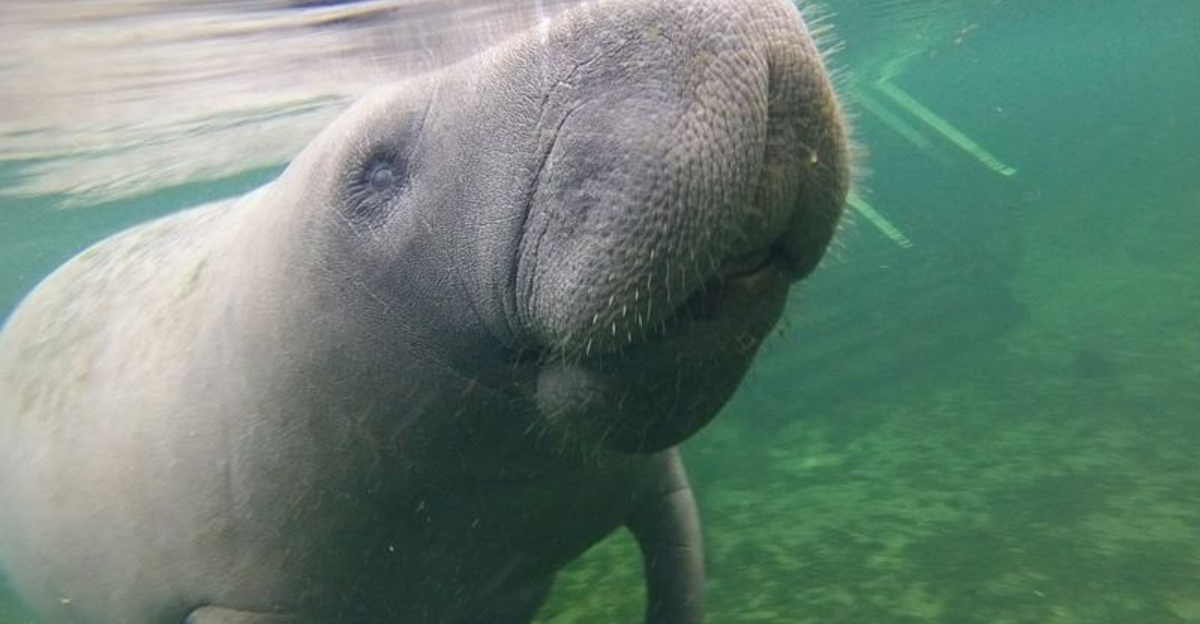
Step down into the Fishbowl and the river world surrounds you. Panoramic windows reveal manatees gliding past like slow floating clouds while snook and sheepshead flicker through sunbeams. You feel immersed yet calm, watching whiskered faces nose the glass and breathe at the surface.
Arrive near feeding times to see caretakers share insights about behavior, rescue, and release. The view changes with seasons and tides, so every visit tells a new story. On cold mornings, the spring becomes a warm refuge and crowds of manatees arrive.
Photography lovers, bring a polarizing filter and patience. Kids press close, counting fish and spotting scars that hint at survival. You leave appreciating why these waters deserve vigilant care.
2. Manatee Encounters and Seasonal Sightings
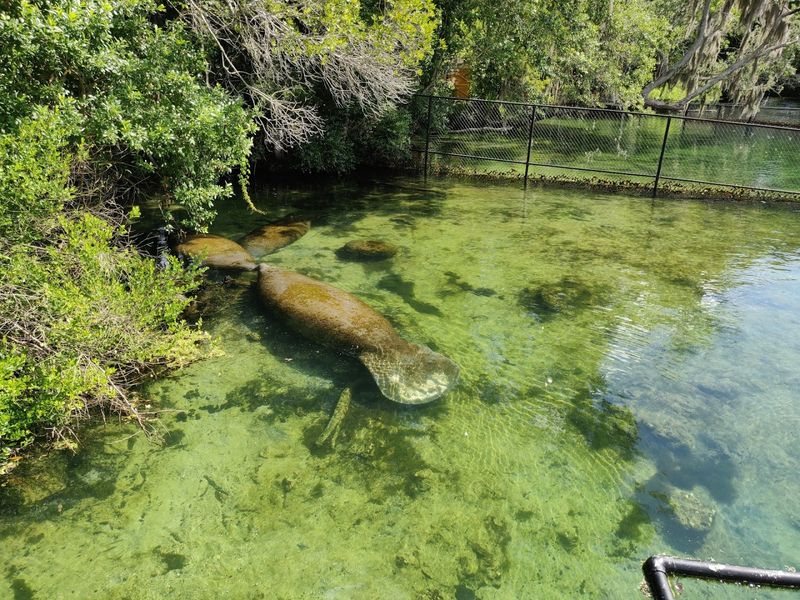
When temperatures drop, the spring’s constant warmth draws manatees in like a cozy blanket. You can watch mothers with calves drift together, paddle prints making delicate rings. Rangers explain scars, cold stress risks, and how sanctuary zones keep these gentle vegetarians safe.
Even in warmer months, resident manatees and fish animate the scene. Stand quietly along the railings and listen for that signature puff of breath. It is intimate without intruding, a respectful window into their day.
Time your visit early for fewer crowds and clear views. Dress in layers on chilly days. Afterward, explore the trail loop for more wildlife, then circle back for one more look because the spring keeps revealing new moments.
3. Scenic Boat Ride To The Park
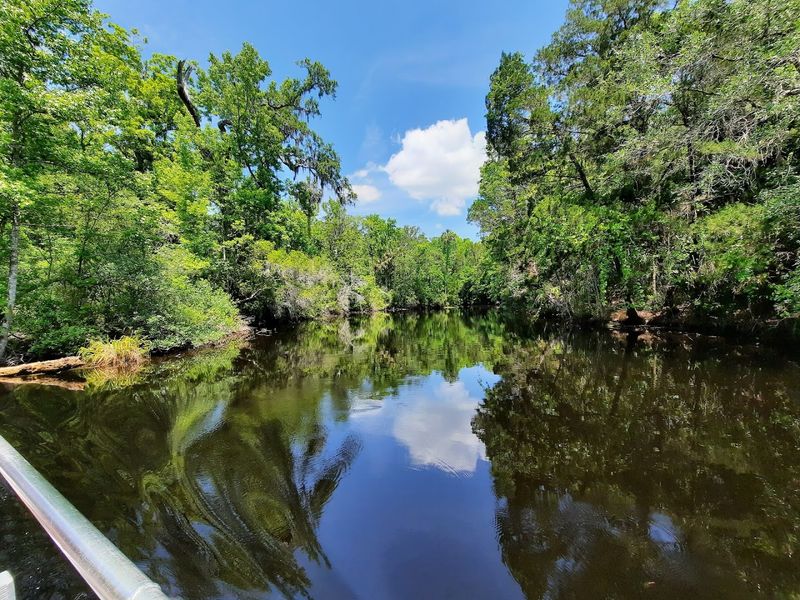
The boat ride to the park sets the mood with Old Florida charm. Glide under moss hung canopies as a guide shares local lore, river wildlife, and conservation wins. Look for ospreys, mullet flashes, and brackish edges blending toward the Gulf.
This gentle cruise costs a little extra but feels like a time machine. You arrive already unwound, ready to step onto boardwalks and meet the park’s ambassadors. On the return trip, you will notice details you missed earlier.
Arrive a bit early to secure seats, especially on weekends. If schedules are tight, trams offer a quick alternative. Either way, the river approach helps you slow down and tune your senses to the spring’s rhythm.
4. Wildlife Walk: Native Florida Residents
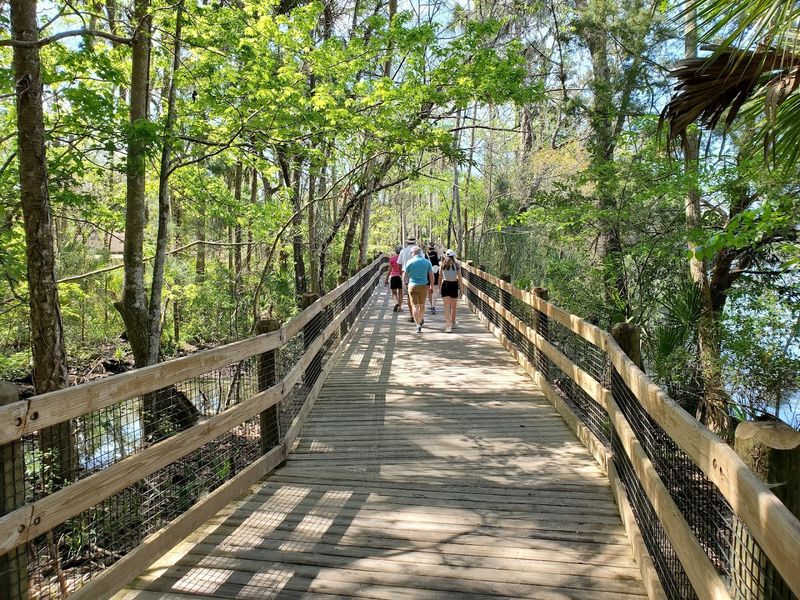
The wildlife loop is an easy stroll through shaded boardwalks and hammocks. Here you meet animals that cannot return to the wild, living in spacious, leafy habitats. Expect a Florida panther, black bear, bobcat, foxes, deer, and charismatic birds of prey.
Interpretive signs explain each resident’s story with honesty and hope. Volunteers add color with anecdotes and conservation tips. It feels like a thoughtful classroom woven into a forest, not a typical zoo.
Pause at open air aviaries for owls and wading birds. Watch for playful otters when their area is active. Even small details, like enrichment toys and natural perches, show care.
You leave rooting for recovery projects and smarter coexistence statewide.
5. Ranger Programs, Talks, and Feeding Times
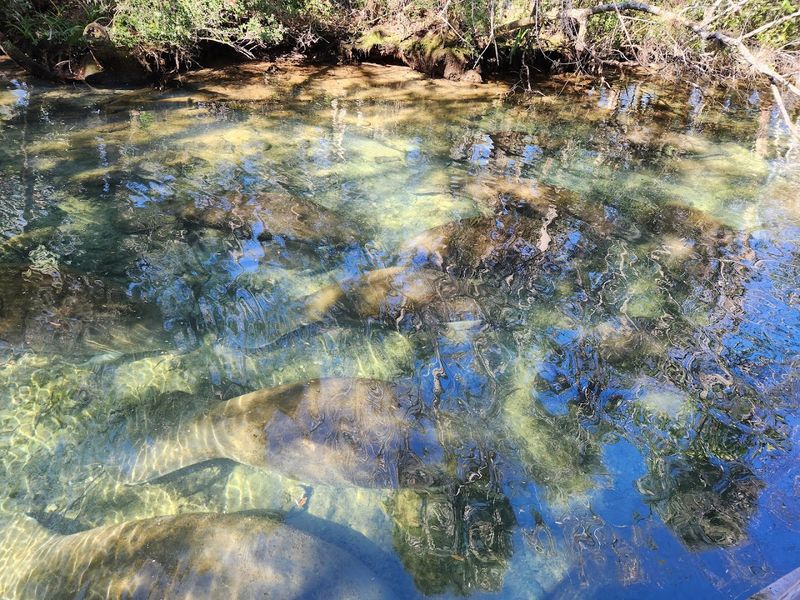
Short, lively talks share how the park rescues and rehabilitates Florida wildlife. Rangers demystify manatee biology, show how propeller scars heal, and explain sanctuary rules. Kids lean in, adults ask smart questions, and everyone leaves with practical tips for boating kindly.
Feeding sessions, when scheduled, help you observe behavior up close. You will learn what a manatee eats, how much, and why warm springs save lives each winter. Expect gentle reminders about not touching or chasing wildlife.
Check the day’s board for times when you arrive. Programs can shift with weather or animal needs. A 15 minute stop can reshape how you see the river, and that mindset sticks long after your visit.
6. Accessibility, Family Tips, and Easy Planning
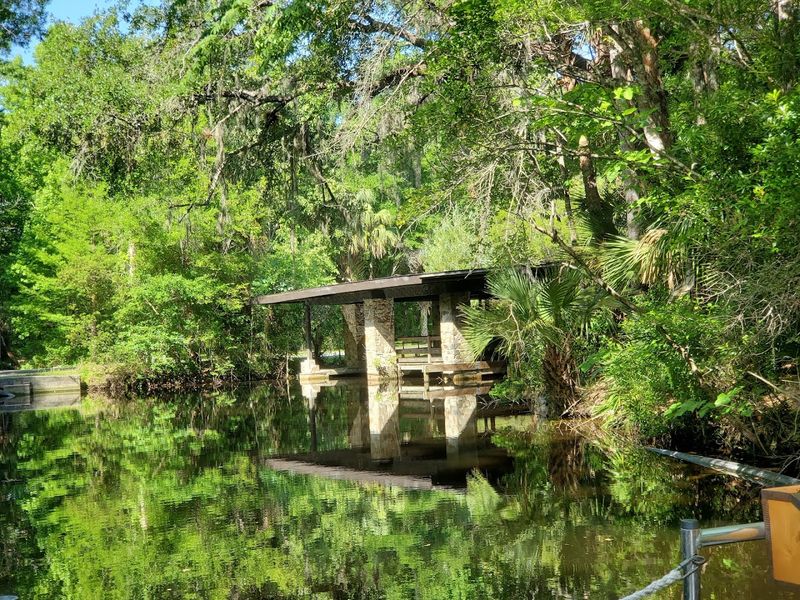
This park is built for simple, low stress exploring. Flat boardwalks and ramps make the loop accessible for wheelchairs and strollers. Choose a tram, boat, or pleasant walk from the entrance, then follow clear signage to the Fishbowl and trail.
Arrive at opening for quiet paths and crisp water clarity. Pack water, sunscreen, and bug spray, then plan a picnic near the entrance or gift shop. The loop is short enough for small legs yet full of discoveries.
Check hours, which usually run 9 AM to 5:30 PM daily. Storm repairs and seasonal changes can affect exhibits. If rain rolls in, the observatory still shines, turning gray skies into moody underwater light perfect for watching fish swirl.
7. Conservation Mission and How To Help
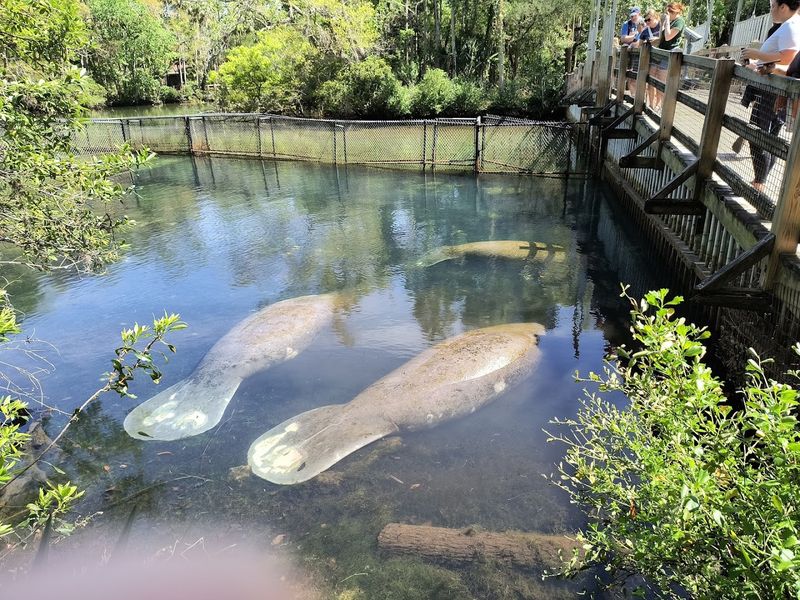
Homosassa Springs is more than a pretty place. It is a living classroom where injured wildlife receives care and, when possible, a second chance. Volunteers and veterinarians team up to stabilize animals, educate visitors, and release healthy individuals back into Florida’s wild web.
Support is practical and personal. You can donate, become a volunteer, shop the gift store, or simply share safe boating habits. Even choosing slower speeds and spotting zones protects unseen manatees.
After hurricanes, recovery needs rise, from habitat repairs to exhibit maintenance. Your visit fuels that work while giving you unforgettable encounters. Leave with a pledge: respect springs, pack out trash, and speak up for seagrass because every small action ripples outward.