The Oldest Street in America Is in Florida, and It Could Pass for a European Village
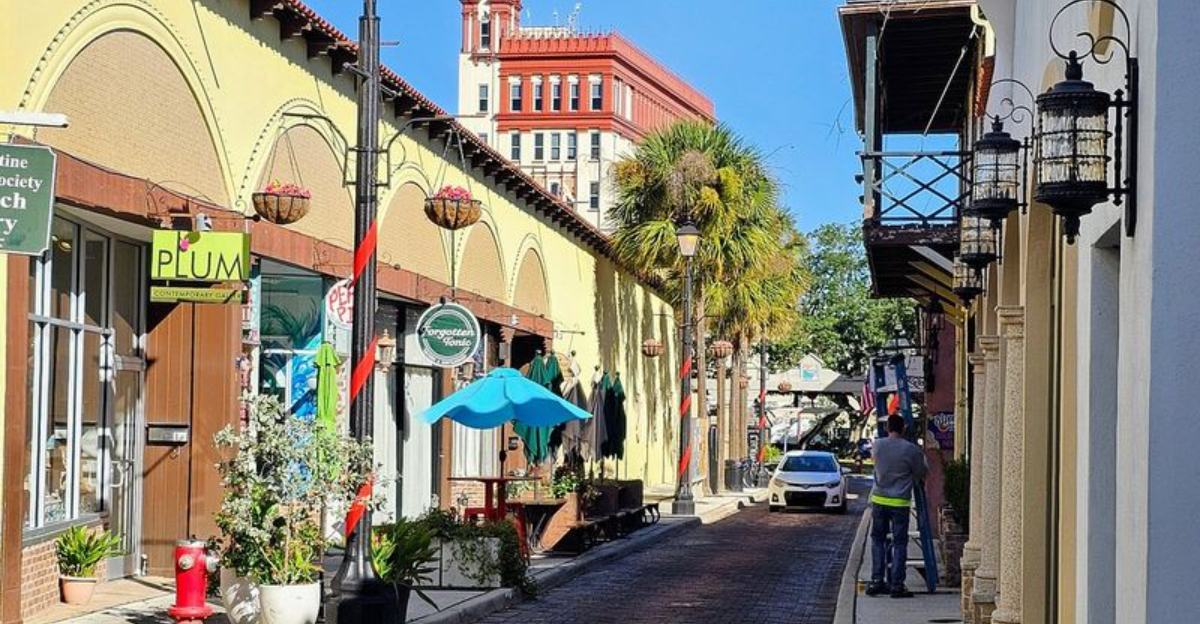
Tucked into the heart of St. Augustine, Aviles Street feels like you just crossed the ocean without leaving Florida. Cobblestones, balconied facades, and tiny courtyards whisper stories from the 1570s as you wander. You can step from an art gallery to a centuries old museum, then settle into a cafe where time slows down.
If you crave charm and history in one walkable lane, this is where your feet should lead you next.
1. A Stroll Through Centuries on Aviles Street
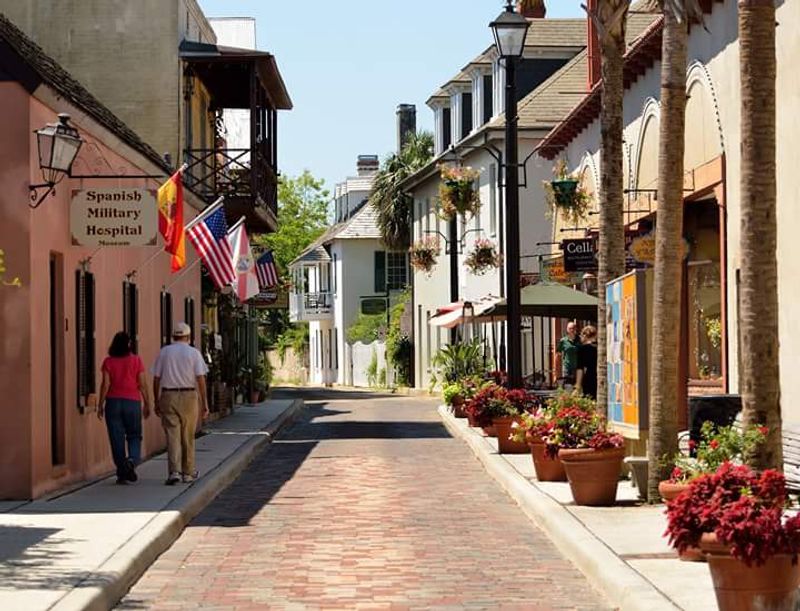
Begin at the north end and let the cobblestones guide your pace. The street is intimate, framed by coquina walls and weathered balconies that lean like friendly neighbors. You will notice tiled signs, fluttering flags, and hand painted wayfinding that feels charmingly old world.
Pause to hear heels click, forks clink, and shop bells chime. The scale invites conversation, so you will find yourself chatting with a gallery owner or a docent. Sunlight filters in slants, warming courtyards that smell faintly of espresso and citrus.
Here, history is not behind ropes. It lives in thresholds, lintels, and creaky floors. Walk slowly, look up, and let five centuries unfold around you.
2. Art Galleries and Local Studios
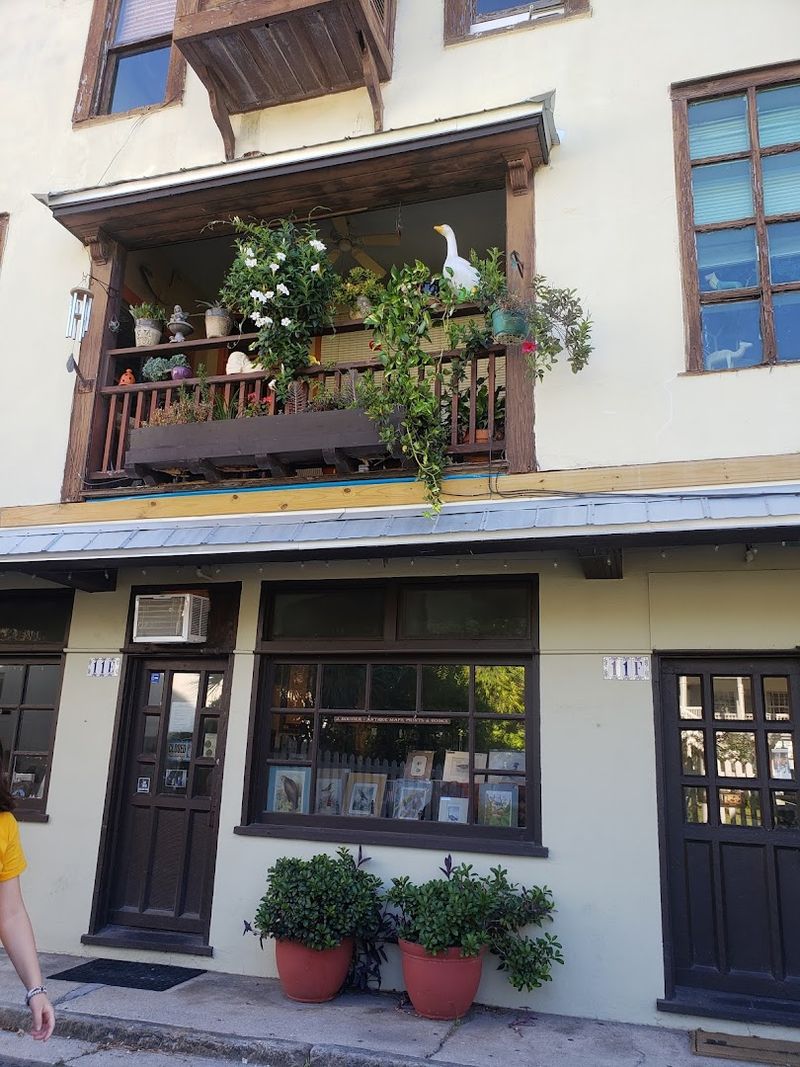
Aviles Street is an open air salon where creativity spills from doorways. Step inside small galleries with coquina walls that make colors glow richer. You can chat with artists finishing oils, flip through prints, and discover jewelry inspired by tides and tabby textures.
Nothing feels rushed here. Prices range from postcard friendly to heirloom worthy, so you can support a local maker no matter your budget. Ask about the story behind a brushstroke or a glaze and you will leave with more than a purchase.
Many studios host evening openings. String lights appear, glasses clink, and the lane turns festive. If you love art that feels personal, this is your lane.
3. Museums Tucked Into Historic Homes
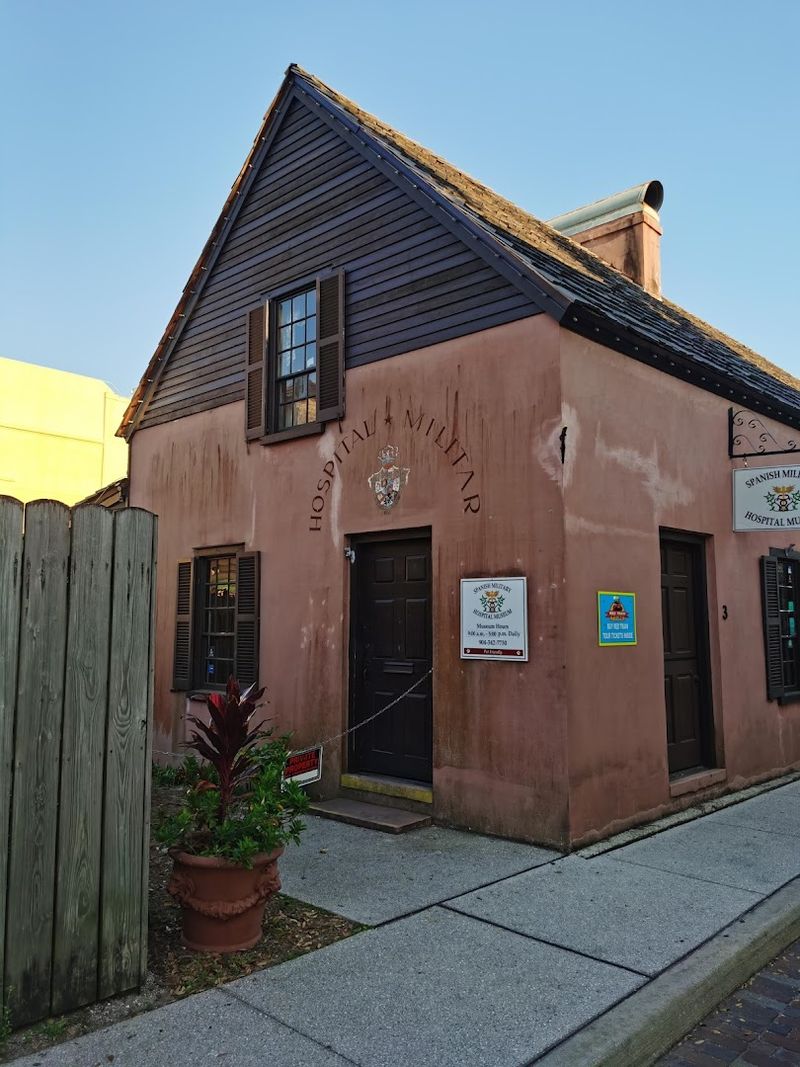
On Aviles Street, museums do not loom. They tuck into centuries old homes where timber beams and shell flecked walls quietly teach. Step over low thresholds and you will meet docents who love telling stories of sailors, settlers, and everyday routines.
Exhibits feel close and tactile, with kitchens, tools, and textiles staged as if the owners just stepped out. You sense the rhythm of colonial life right under your feet. Audio tours add layers without overpowering the setting.
Because spaces are intimate, you can linger without losing the plot. Kids love the scale and details, while history nerds savor timelines and maps. It is learning disguised as a pleasant wander.
4. Cafes, Courtyards, and Cozy Bites
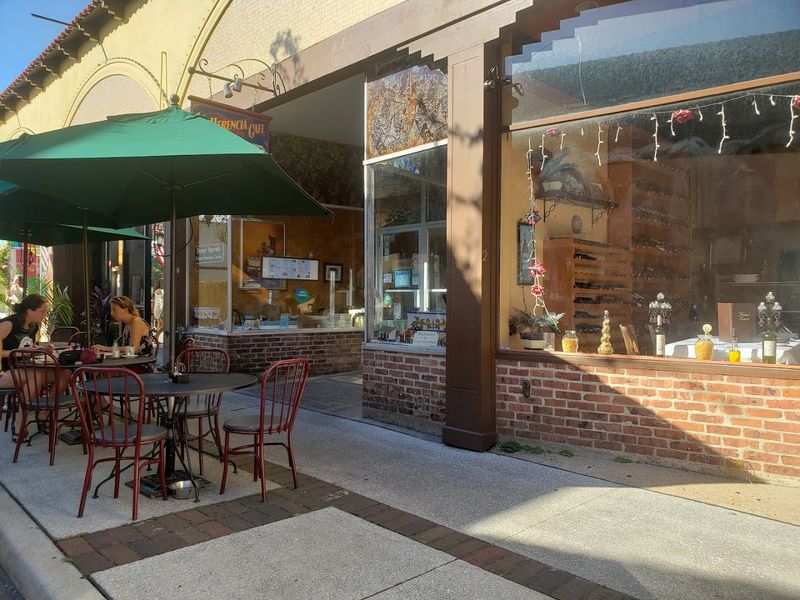
Food on Aviles Street is about mood as much as menu. You will find tiny cafes tucked behind arched gates, where ivy softens stone and espresso perfumes the air. Pastries, pressed sandwiches, and shareable small plates turn a quick stop into an unhurried pause.
Sit under cafe lights in a courtyard and you might forget you are in Florida. Sip something cold, listen to a busker, and watch the lane flow by. Servers know the neighborhood and happily steer you to their favorites.
Weekend mornings bring flaky croissants and locals greeting each other by name. Evenings lean romantic with candlelight flicker. Come hungry, but leave time to savor.
5. Architecture With European Echoes
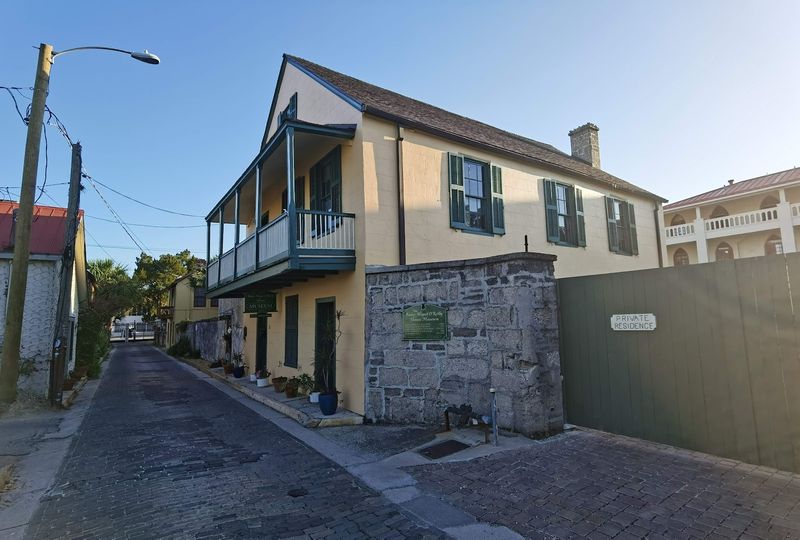
Aviles Street wears its centuries openly. Look for coquina stone, iron grilles, carved lintels, and red tile roofs that cast tidy shadows. Balconies jut just above your head, close enough to imagine conversation whispered from window to street.
The scale stays human, which is why the European comparison feels right. Narrow sightlines, uneven stones, and mismatched facades add character instead of chaos. Every doorway frames a moment worth photographing.
Do not rush past the details. Run your fingers along shell flecks in coquina, spot dated plaques, and trace old tool marks in wood. The craftsmanship rewards patience, and the street rewards curiosity.
6. Shops for Thoughtful Souvenirs
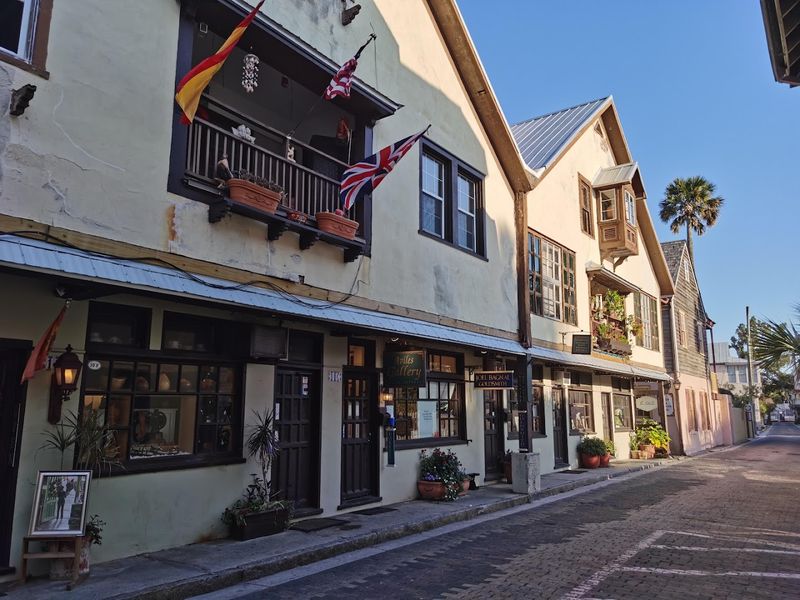
Souvenir hunting on Aviles Street feels refreshingly thoughtful. Instead of mass produced trinkets, you will discover ceramics, letterpress prints, linen textiles, and coastal inspired goods with a handmade touch. Shopkeepers know their makers and love sharing the backstory.
Many items pack light but carry meaning, from small batch candles to maps that chart old Spanish routes. Try on a locally made bracelet or pick up a sketch of the city gate. Prices vary, but the quality feels consistent.
Ask about shipping if your suitcase is full. Most shops offer careful packaging and quick service. You will walk away with pieces that keep the lane alive at home.
7. When To Visit and How To Savor It
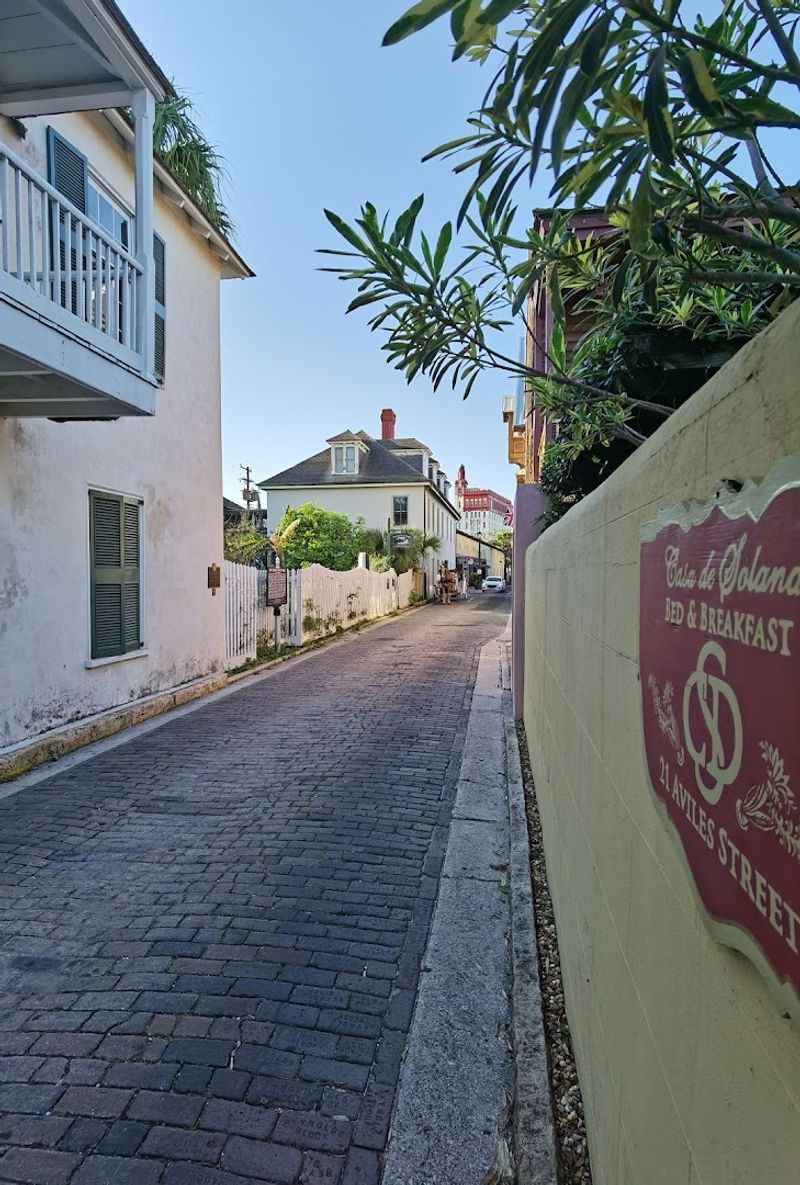
Mornings are gentle on Aviles Street. Arrive early for soft light, fewer crowds, and lingering chats with gallery owners. Midday brings energy, so duck into museums or a shaded courtyard when the sun climbs.
Golden hour is magic. Colors warm, musicians appear, and photos practically take themselves. Evenings remain relaxed compared with nearby thoroughfares, making it easy to wander without bumping shoulders.
Wear comfy shoes for cobbles and bring curiosity. Step into spaces that call your name, then step back out to watch the street breathe. Give yourself time, because Aviles rewards slow travelers best.