These 6 Florida Islands Are Critical Stopovers for Wildlife
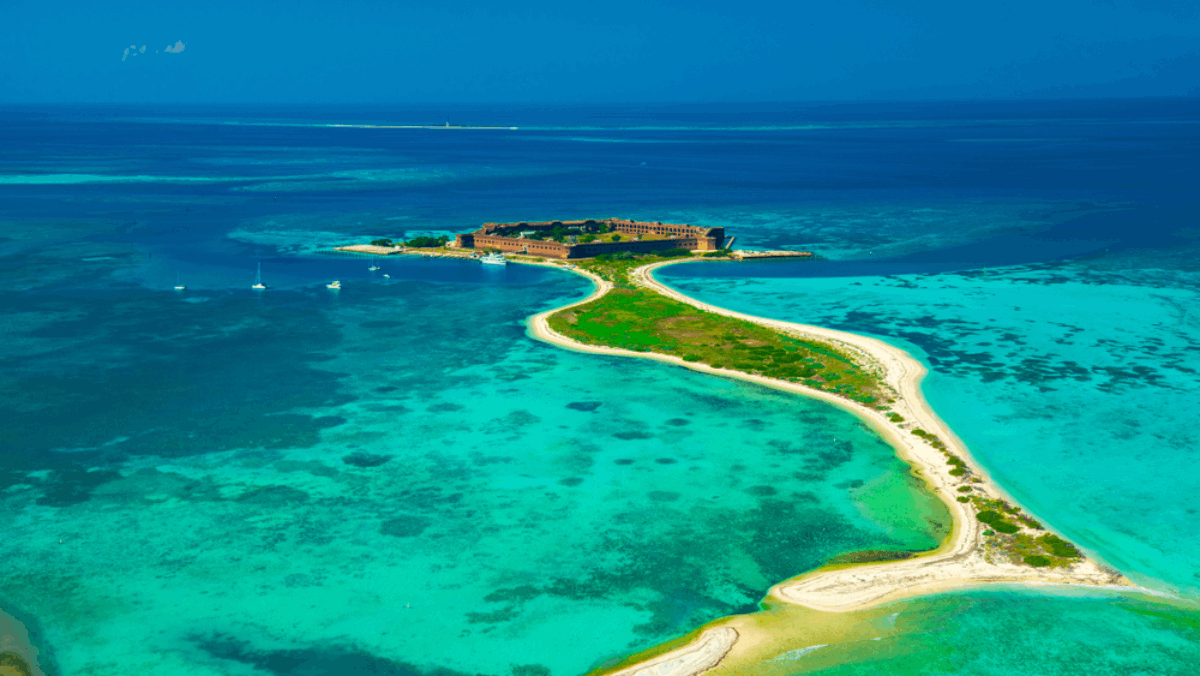
Florida’s islands play a crucial role in protecting wildlife that travels thousands of miles each year. These special places offer safe resting spots for tired birds, nesting grounds for sea turtles, and homes for rare plants and animals.
Without these island stopovers, many species would struggle to survive their long journeys across oceans and coastlines.
1. Dry Tortugas (Dry Tortugas National Park)
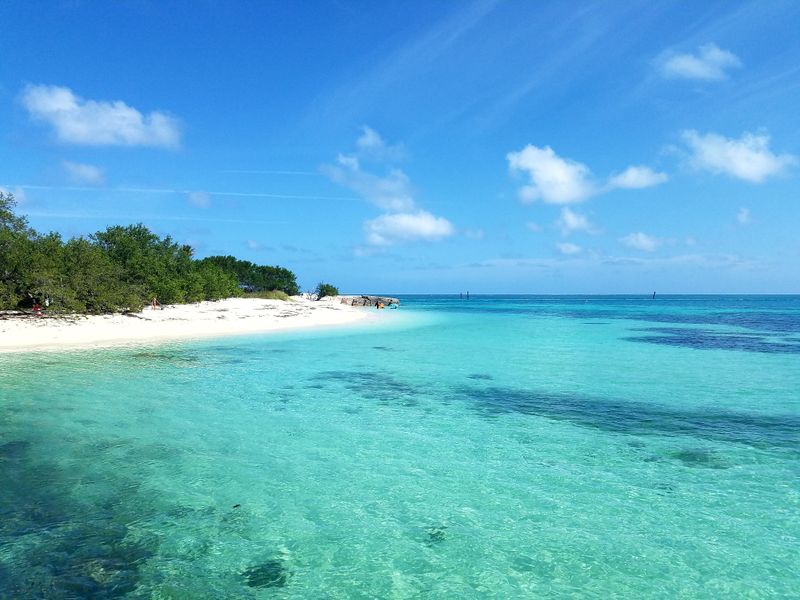
Seventy miles beyond Key West lies a cluster of islands that saves countless lives every spring and fall. Birds flying across the Gulf of Mexico face a dangerous journey with no place to land for hundreds of miles. When exhausted warblers, thrushes, and tanagers finally spot these remote islands, they drop from the sky to rest and refuel.
The historic Fort Jefferson stands as a silent witness to this natural drama. Seabirds like sooty terns and brown noddies choose these islands to raise their chicks, away from mainland predators. Sea turtles also crawl ashore at night to lay their eggs in the warm sand.
The crystal-clear waters surrounding the islands teem with colorful fish and coral reefs. Visitors who make the boat or seaplane journey witness nature at its most spectacular, watching waves of migrating birds arrive after their perilous ocean crossing.
2. Sanibel Island
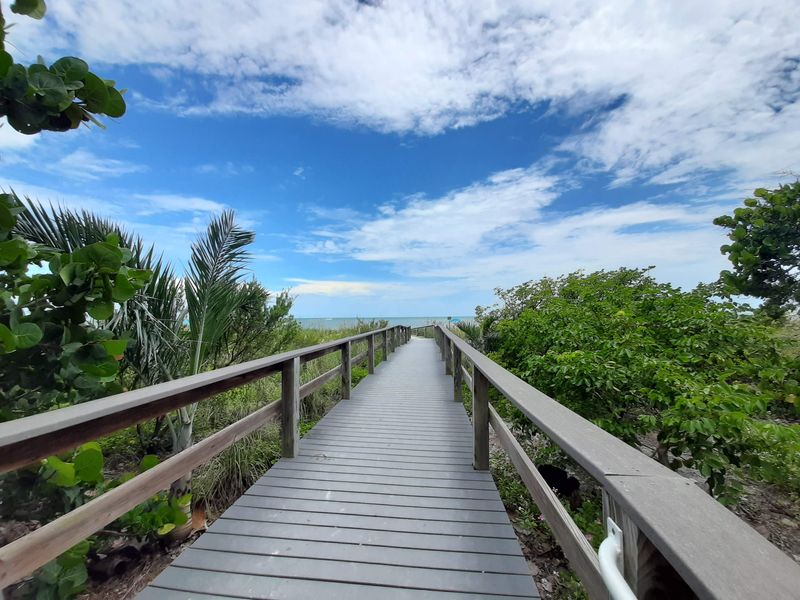
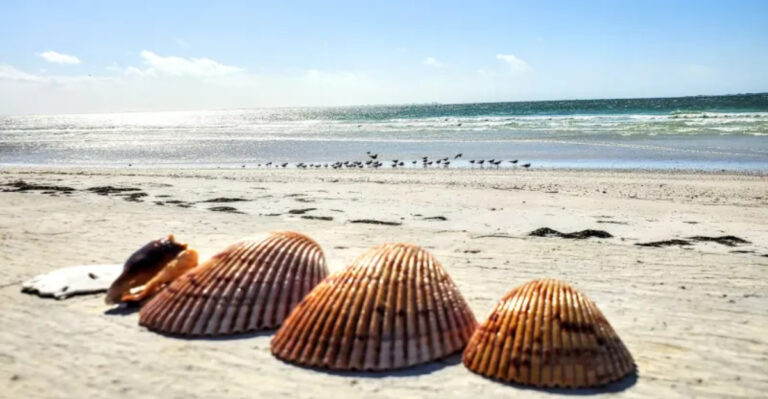
Shells aren’t the only treasures washing up on Sanibel’s famous beaches. This barrier island has become a sanctuary for over 245 bird species, making it one of America’s top birdwatching destinations. Roseate spoonbills wade through shallow waters, sweeping their unique bills side to side while hunting for small fish and crustaceans.
The J.N. “Ding” Darling National Wildlife Refuge covers more than 6,400 acres of the island. Mangrove forests provide perfect nurseries for baby fish and safe roosting spots for herons and egrets. During winter months, the refuge buzzes with activity as northern birds escape freezing temperatures.
Wildlife Drive takes visitors through different habitats where they might spot alligators sunbathing or dolphins playing offshore. Conservation efforts here focus on preserving natural landscapes that countless species depend upon.
3. Anastasia Island
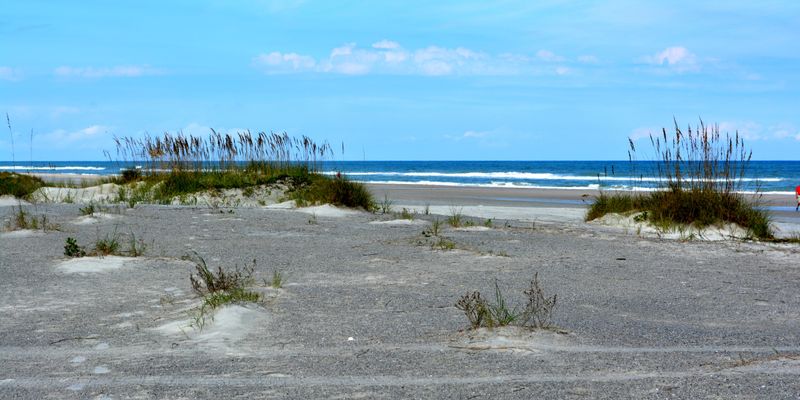
Just across the Bridge of Lions from historic St. Augustine, something magical happens every summer night. Female loggerhead sea turtles emerge from the Atlantic Ocean to dig nests and lay their eggs on Anastasia’s beaches. This ancient ritual has continued for millions of years, and volunteers now help protect these vulnerable creatures.
The island sits along the Atlantic Flyway, a major highway in the sky for migrating birds. Warblers, vireos, and thrushes stop here to rest during their spring and fall journeys between breeding and wintering grounds. Salt marshes and maritime forests provide the food and shelter these travelers desperately need.
Rangers conduct turtle walks during nesting season, teaching visitors about conservation. Red markers along the beach indicate protected turtle nests, reminding everyone to watch where they step and keep beach lights dim so hatchlings don’t get confused.
4. Little St. George Island
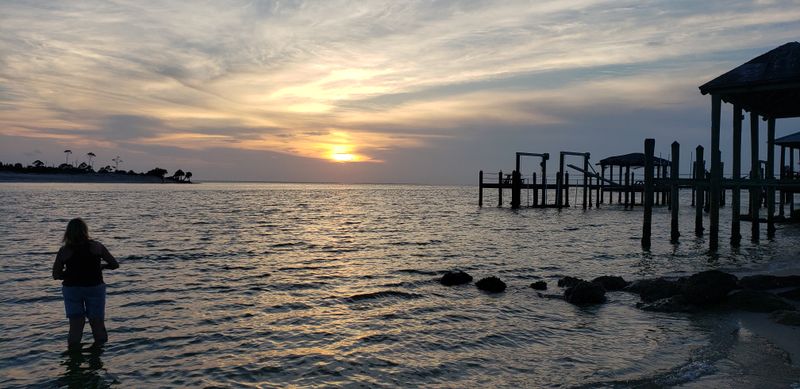
No roads, no buildings, no crowds—just nine miles of untouched wilderness in Florida’s Panhandle. Little St. George Island represents what Florida’s coast looked like before development changed everything. This rare gem belongs to the state and remains gloriously wild, giving wildlife space to thrive without human interference.
Snowy plovers and least terns nest directly on the sand, their eggs perfectly camouflaged among shells and pebbles. These ground-nesting birds need undisturbed beaches to successfully raise their chicks. During migration seasons, exhausted songbirds find refuge in the island’s scrub vegetation, which provides insects and berries for fuel.
Scientists study the island as a living laboratory, learning how natural barrier islands function without human modification. Visitors must arrive by private boat, which limits traffic and protects fragile ecosystems.
5. Egmont Key
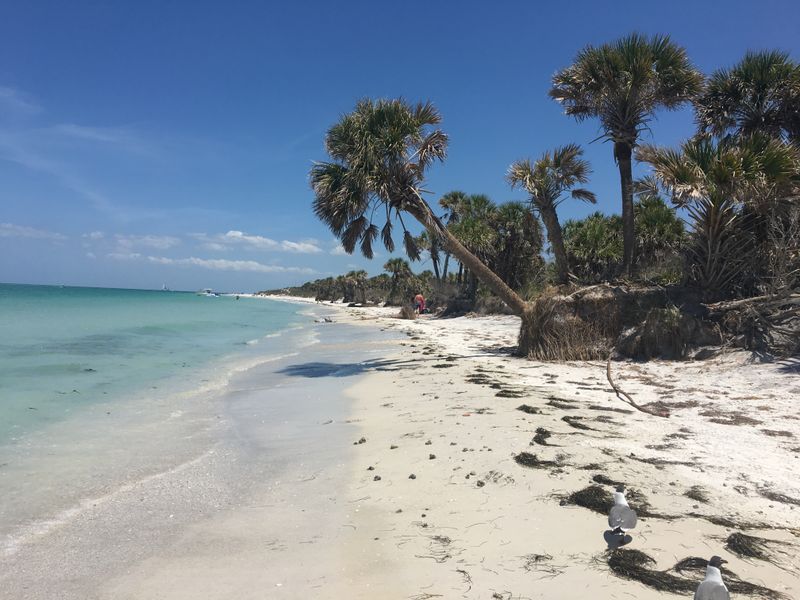
Egmont Key earned National Wildlife Refuge status in 1974, protecting its 440 acres from development forever. The island’s greatest treasure walks slowly through coastal vegetation on stumpy legs—the threatened gopher tortoise.
These ancient reptiles dig burrows that over 350 other species use for shelter, making them a keystone species. Seabirds nest in colonies here, including royal terns and black skimmers whose chicks depend on fish-rich waters nearby. During migration periods, the island becomes a rest stop for exhausted birds that need safe ground after flying across open water.
The island’s isolation creates a natural barrier against predators like raccoons and feral cats that devastate bird populations elsewhere, allowing vulnerable species to reproduce successfully in peace.
6. Cayo Costa
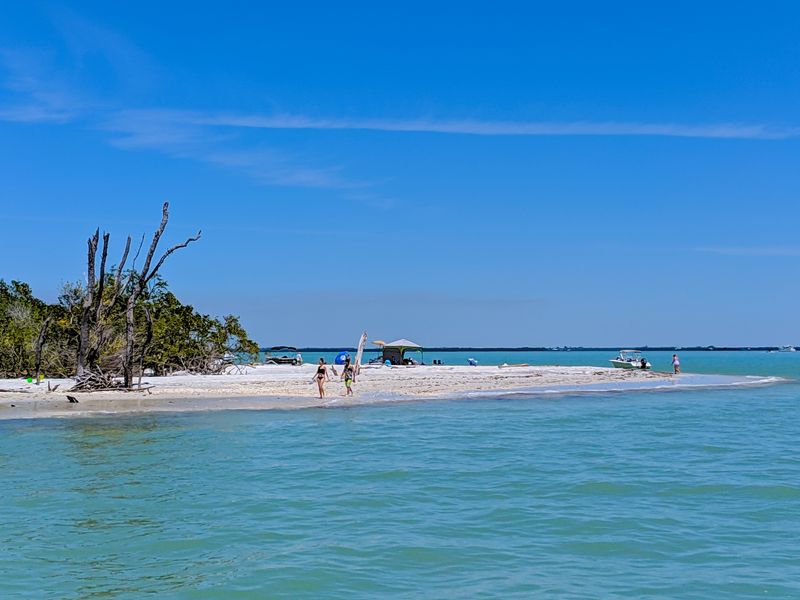
Imagine a Florida beach without high-rise hotels or crowded boardwalks—that’s Cayo Costa. This 2,500-acre barrier island remains almost entirely undeveloped, offering a glimpse into Florida’s wild past. Pristine beaches stretch for miles, interrupted only by driftwood and shells, not beach chairs and umbrellas.
Every summer, female sea turtles crawl onto these dark beaches to nest. Without artificial lights to confuse them, baby turtles instinctively head toward the ocean when they hatch. Shorebirds like Wilson’s plovers and American oystercatchers nest among the dunes, while native plants stabilize sand and provide food for insects and small animals.
The island’s interior features pine flatwoods and oak-palm hammocks where snakes, lizards, and countless insects thrive. Accessible only by boat or ferry, Cayo Costa State Park welcomes visitors who want to experience true wilderness. Primitive camping allows overnight stays, though campers must pack out all trash.
This commitment to preservation ensures future generations will know what Florida’s coast once looked like everywhere.