These 7 Florida Beaches Charge an Entrance Fee—and They’re Worth Every Dollar
Florida is famous for its miles of sandy shores, but some of the most beautiful beaches require a small entrance fee.
These aren’t just any beaches—they’re protected state parks and national seashores that offer pristine waters, amazing wildlife, and well-maintained facilities. Paying a few dollars to visit these spots means you’re supporting conservation efforts while enjoying some of the cleanest and most stunning coastal areas in the Sunshine State.
1. Playalinda Beach (Canaveral National Seashore)
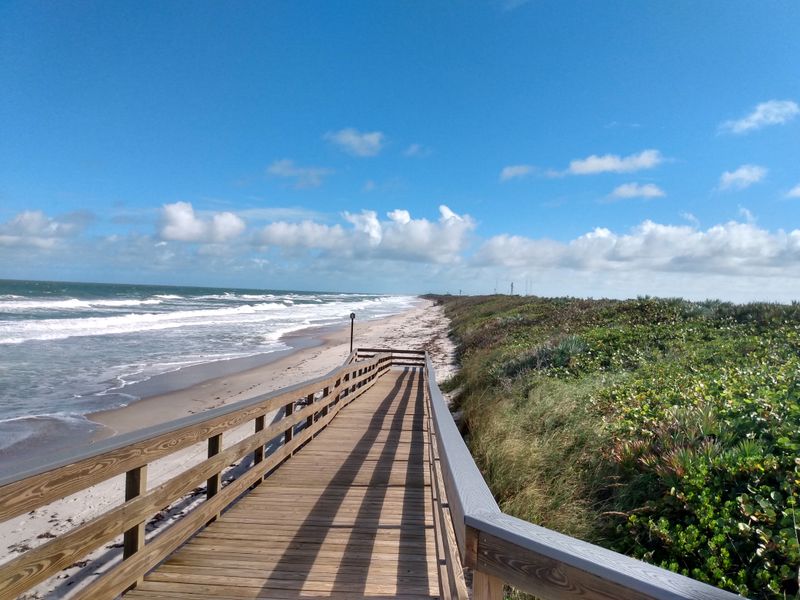
Stretching along Florida’s east coast, this pristine shoreline offers something truly special for nature lovers. Playalinda Beach is part of the Canaveral National Seashore, meaning it’s federally protected and carefully maintained to preserve its natural beauty. You’ll pay a daily entrance fee per vehicle, but annual passes are available if you plan multiple visits throughout the year.
What makes this beach worth the admission fee? For starters, it’s one of the few places where you can watch rocket launches from Kennedy Space Center, just miles away. The undeveloped coastline stretches for miles, giving you plenty of space to find your own quiet spot.
Wildlife sightings are common here—sea turtles nest along the shore during summer months, and dolphins often swim close to the beach. The lack of commercial development means clearer water and softer sand than many free public beaches. Facilities include parking areas, restrooms, and boardwalks that protect the fragile dune ecosystem while giving you easy beach access.
2. Honeymoon Island State Park Beach
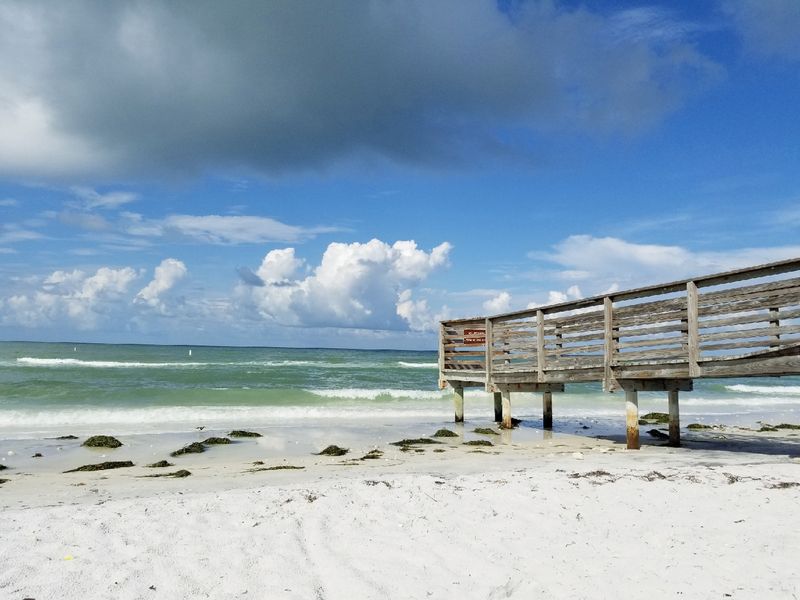
Located on Florida’s Gulf Coast near Dunedin, this island paradise earned its romantic name back in the 1940s when it served as a honeymoon destination. Today, it’s one of the state’s most visited beaches, and the per-vehicle entrance fee (typically around $8, less for individuals) helps maintain its exceptional condition.
Nature trails wind through the island’s interior, where you can spot wildlife like ospreys, eagles, and armadillos. The island also serves as a ferry departure point for Caladesi Island, another stunning state park. Many visitors bring kayaks to explore the mangrove-lined shores on the bay side.
Unlike crowded free beaches, Honeymoon Island limits daily visitors to protect the environment, so you’ll have more room to spread out and enjoy your day by the water.
3. Bahia Honda State Park Beaches
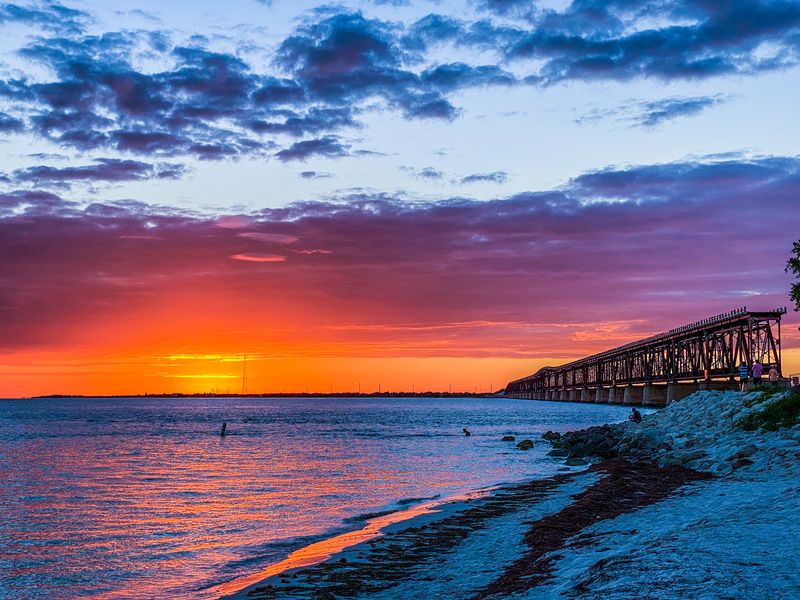
Often ranked among America’s best beaches, Bahia Honda sits in the Florida Keys and delivers Caribbean-like beauty without leaving the country. As a Florida state park, it charges standard entrance fees per vehicle, and those few dollars grant access to three separate beach areas. Sandspur Beach on the Atlantic side features deeper water ideal for swimming, while the bayside beaches offer calmer conditions and incredible sunset views.
The park’s location in the Keys means you’re surrounded by tropical fish and coral formations perfect for snorkeling. Rent gear from the park’s concession stand or bring your own to explore the underwater world just offshore.
The entrance fee also supports preservation of the rare coastal habitat that makes this beach so special.
4. Stump Pass Beach State Park (Englewood)
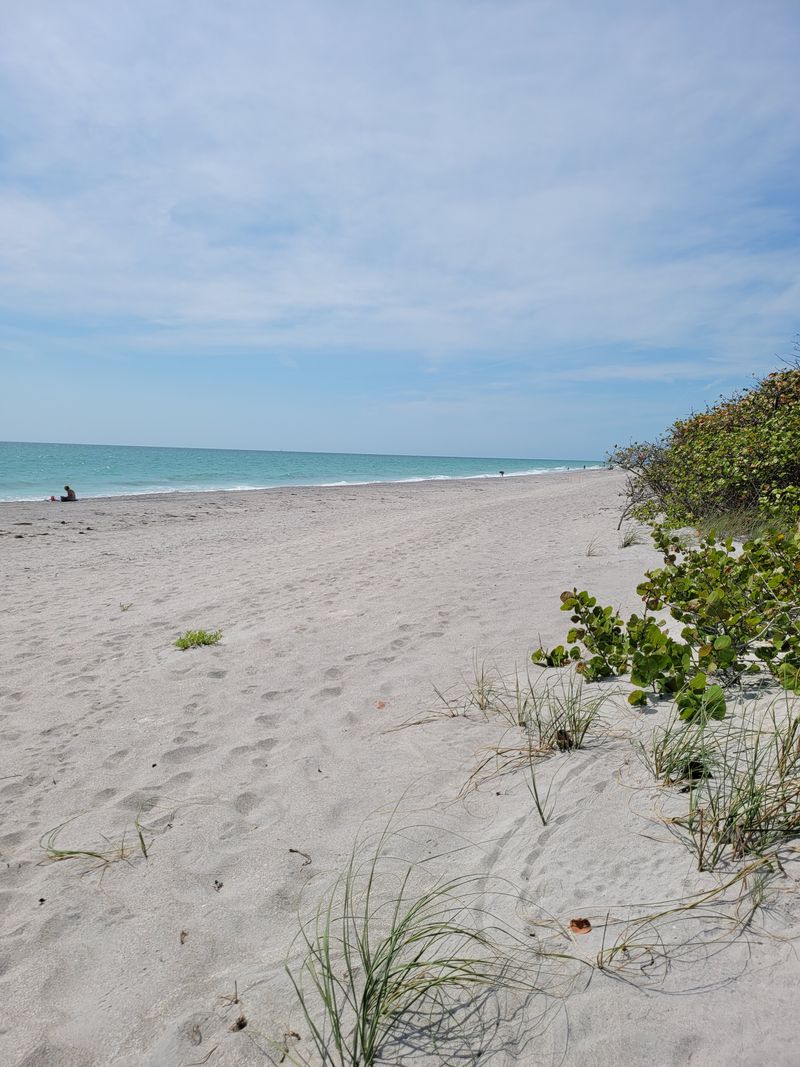
Tucked away on Manasota Key near Englewood, this hidden gem requires a small daily entrance fee per vehicle but rewards visitors with an uncrowded slice of paradise. Access involves a short walk from the parking area, which naturally limits crowds and keeps the beach peaceful. The pass itself—where Lemon Bay meets the Gulf of Mexico—creates excellent conditions for finding seashells and shark teeth.
Shelling enthusiasts absolutely love this spot because strong currents deposit treasures along the shoreline daily. Bring a mesh bag and arrive early for the best finds. The beach also attracts serious anglers who cast lines into the pass, hoping to catch snook, redfish, and tarpon.
While facilities are minimal compared to larger parks, you’ll find restrooms, outdoor showers, and covered picnic areas. The natural, undeveloped setting means no lifeguards, so swimmers should watch for currents near the pass.
5. John D. MacArthur Beach State Park (North Palm Beach)
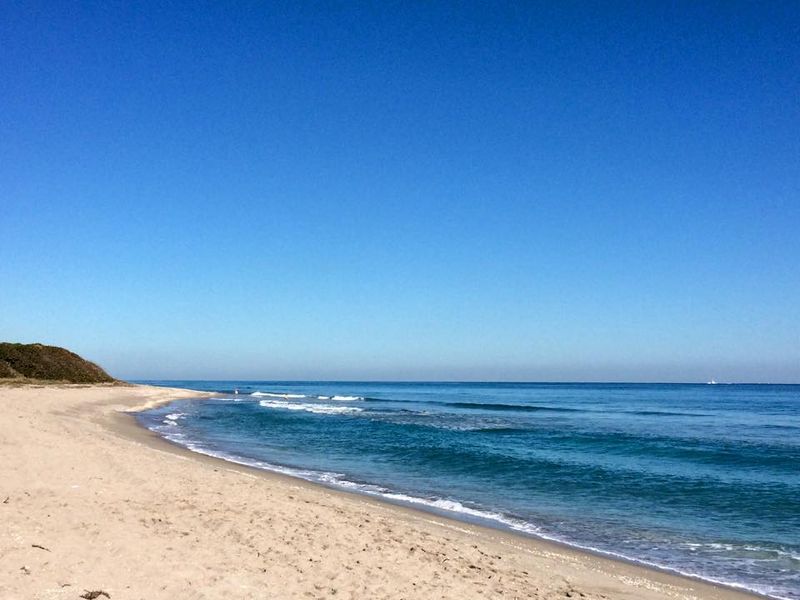
Situated between the Intracoastal Waterway and the Atlantic Ocean, this North Palm Beach treasure offers more than just beautiful sand. The standard Florida state park entry fee per vehicle gets you access to a remarkable 2-mile beach plus unique coastal habitats rarely seen together. A wooden boardwalk carries you through a maritime hammock and mangrove wetland before reaching the ocean shore.
Unlike the heavily developed beaches nearby, MacArthur Beach maintains a wild, natural character. Kayak rentals let you paddle through mangrove tunnels and spot manatees in the Intracoastal waters. Picnic areas, restrooms, and outdoor showers provide necessary amenities without overwhelming the landscape.
6. Delnor-Wiggins Pass State Park (Naples)
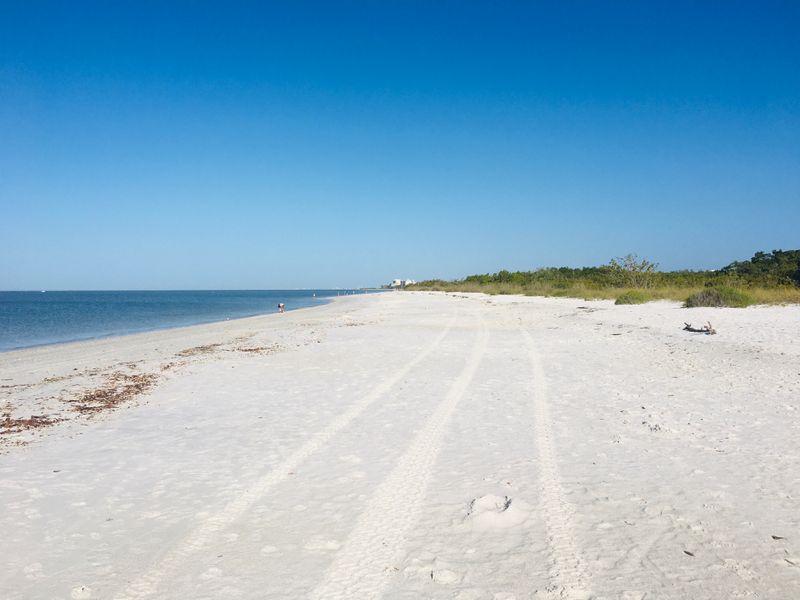
North of Naples, this Gulf Coast beauty consistently earns top ratings from beachgoers who appreciate its powder-soft sand and excellent water quality. The daily state park entrance fee provides access to a mile of pristine shoreline plus a boat ramp for watercraft.
The shallow, gentle waters make this an ideal family destination where parents can relax while kids safely play near shore. Shelling here is fantastic, especially after storms when new treasures wash up overnight.
Nature lovers appreciate the park’s location at Wiggins Pass, where freshwater meets saltwater and creates a rich habitat for fish and birds. Dolphins frequently swim through the pass, and manatees visit during cooler months.
7. Grayton Beach State Park (Santa Rosa Beach)
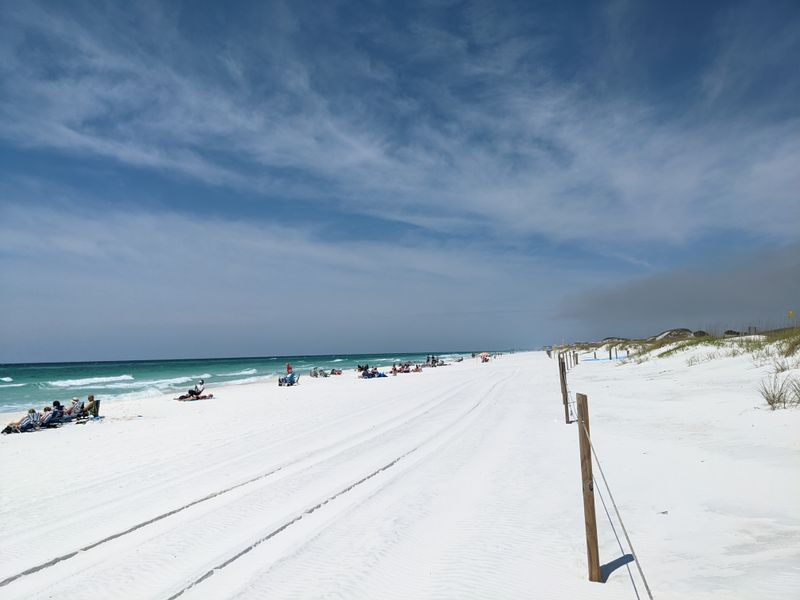
Consistently voted one of America’s most beautiful beaches, this Panhandle treasure delivers stunning scenery that justifies the state park entrance fee. The emerald-green waters and sugar-white quartz sand create an almost surreal landscape that looks like something from a tropical postcard. Towering sand dunes, some reaching 30 feet high, provide dramatic backdrops and protect the coastal ecosystem from erosion.
Beyond the beach itself, the park offers hiking and biking trails through coastal dune lakes—rare geological features found in only a few places worldwide. Western Lake, accessible from the park, connects to the Gulf and supports unique plant and animal species.
The small beach town of Grayton Beach sits nearby, offering restaurants and shops within walking distance.