These 9 Florida Waterfront Towns Still Feel Like Real Fishing Villages
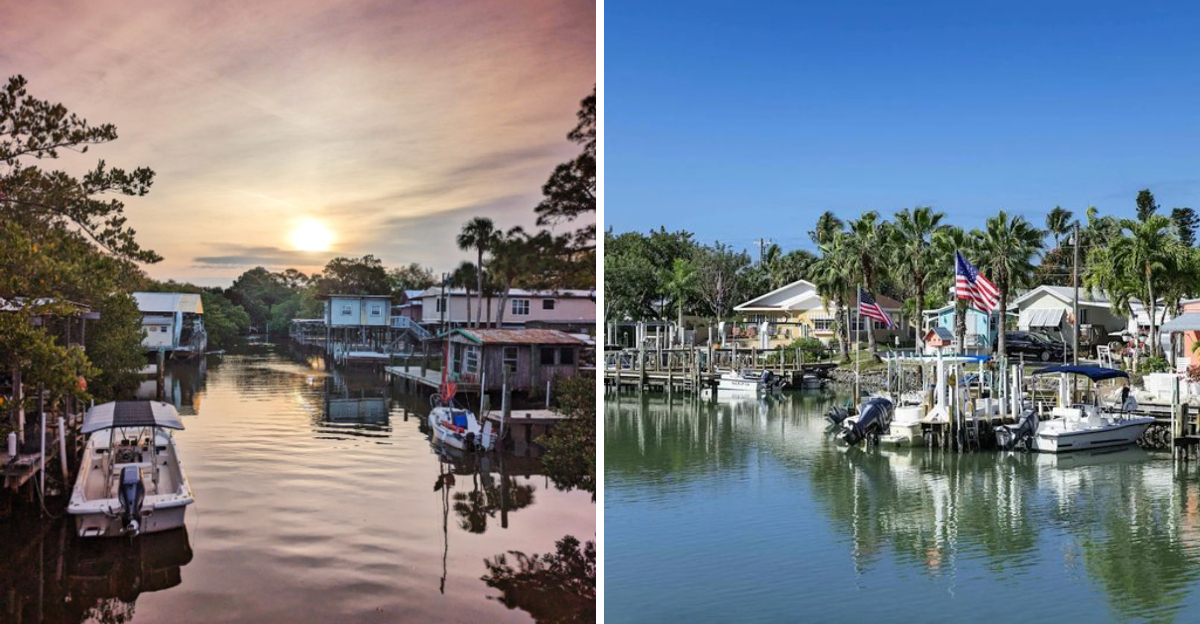
I love wandering to places that have held onto a slower rhythm, where the tide still sets the schedule and the docks tell stories. These Florida waterfront towns feel like living postcards from the state’s maritime past, each with salt-sprayed piers, weathered boats, and neighbors who still know one another by name.
Pack light, bring curiosity, and expect low-key restaurants, small marinas, and sunsets that make you pause. If you want to remember what coastal life felt like before development hurried in, these spots are the best places to start.
1. Cedar Key
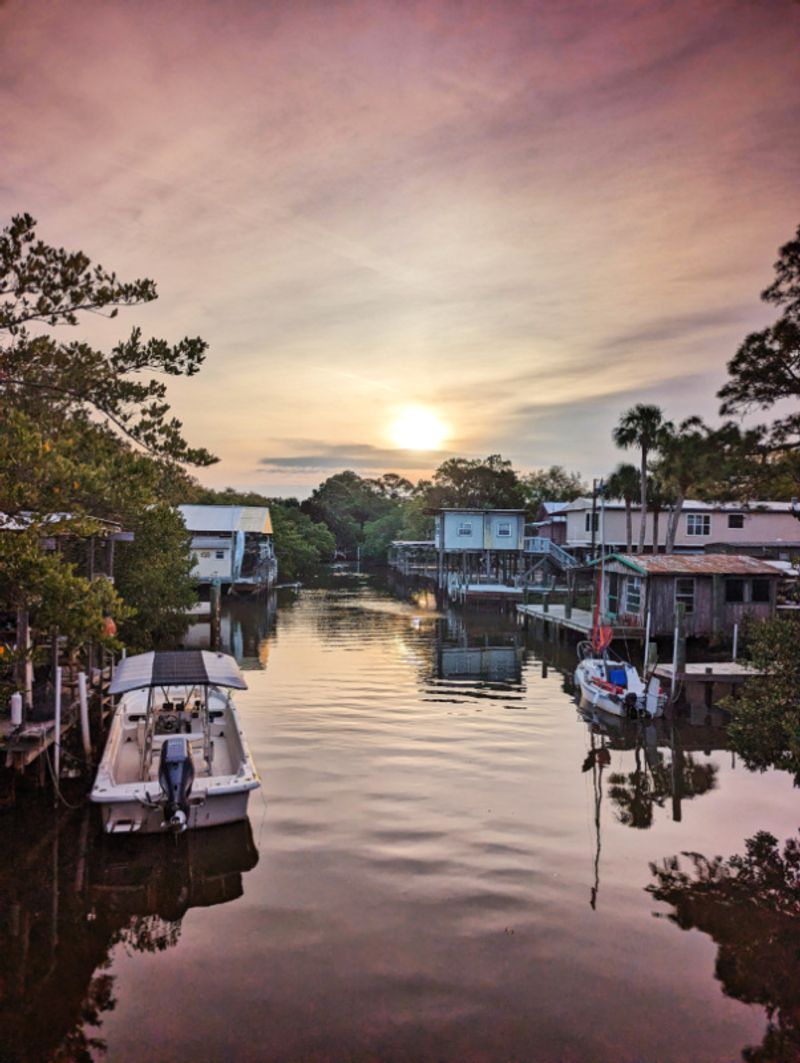
On a slow afternoon you can almost hear the calendar of tides in the town – minutes of activity punctuated by long, easy stretches. The harbor feels intimate, with small skiffs bobbing near docks that creak with history, and you might find someone mending nets with a cigarette tucked into the corner of their mouth.
I always look for a spot overlooking the water where you can watch boats come and go while sipping a drink from a mason jar.
Food here is honest and straightforward – fried grouper, clam chowder, shrimp that still taste like the sea they came from. There are art galleries tucked into old storefronts, and the main street moves at a pace that lets conversation breathe.
Bring binoculars for birdwatching and a good pair of sandals for wandering the shell-strewn beaches and tidal creeks.
At dusk the sky puts on a quiet show, and locals gather to trade stories and fishing tips like treasured recipes. Staying overnight means waking to gulls and the smell of coffee and diesel – a soundtrack that will remind you why slow places linger in memory.
If you want a genuine fishing village vibe, this is a textbook example worth savoring.
2. Apalachicola
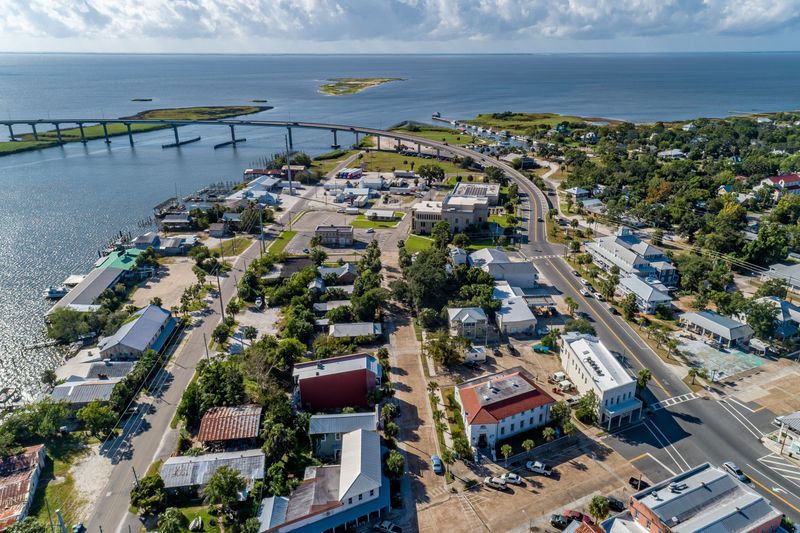
Walking the main street feels like stepping back into a slower chapter of coastal life – shutters clap in the breeze and the scent of oysters hangs in the air. Shops sell handmade goods and fishermen haul coolers brimming with the day’s catch, while I slow down to listen to the soft clatter of crates and the banter at the docks.
It’s easy to lose track of time here, where the architecture and people both tell stories of hard work and deep local pride.
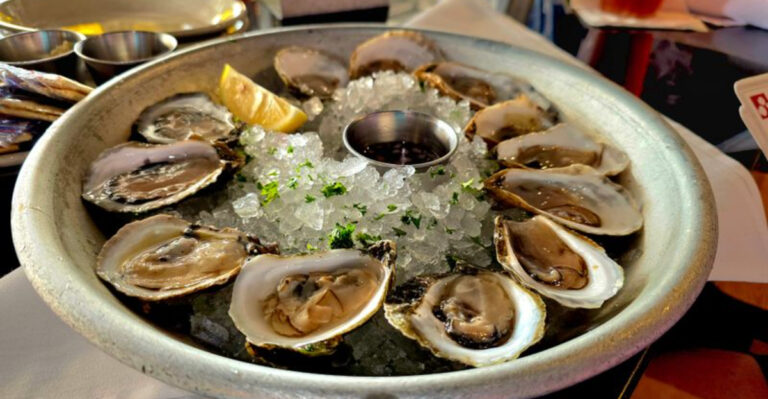
Seafood dominates the menus and you should try freshly shucked oysters served simply to appreciate why this place built a reputation. There are small museums and guided boat tours that explain the area’s maritime history, and afternoons are perfect for exploring the nearby barrier islands.
Photographers will find beautiful light on brick alleys and wooden piers alike, while anyone seeking peace will appreciate the measured pace.
Evenings bring low-key bars and friendly conversations between visitors and residents who remember seasons when the bay supported whole families. Accommodations tend to be quaint inns and B&Bs that preserve a homey feeling, so staying here is less about luxury and more about authenticity.
When you want a town that keeps its traditions close, this one delivers in spades.
3. Steinhatchee
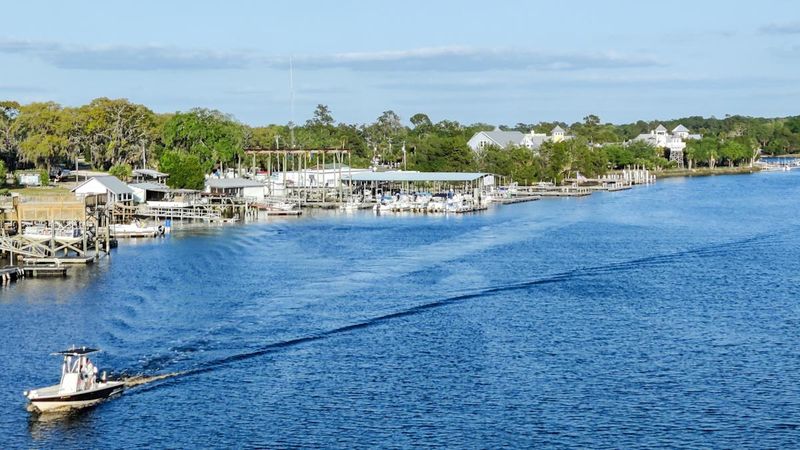
Small boats, shrimp nets, and the occasional shrimp boat captain steering home create a soundtrack that defines the place, and the shoreline is lined with homes that look like they were built to weather everything. I like starting early here to watch the light hit the water and see local fishermen head out while the world still feels quiet.
The town moves deliberately, with a friendly openness that invites conversation and questions about where the best bite was found that morning.
Food options celebrate the sea – think peel-and-eat shrimp and freshly fried fish sandwiches that taste better for their simplicity. There are outdoor outfitters renting kayaks and flats boats, and the surrounding river systems are ideal for anglers after redfish and trout.
If you want to disconnect, Steinhatchee’s lack of big-box stores and neon signs helps a lot.
At sunset the marshes glow and fireflies begin to pop up along the shore, a natural light show that makes you pause. Accommodations are mostly small motels and rental cottages that fit the unpretentious mood, and the whole experience feels like staying in someone’s well-loved coastal home.
For a genuine taste of Florida’s fishing traditions, this spot stays true to form.
4. Carrabelle
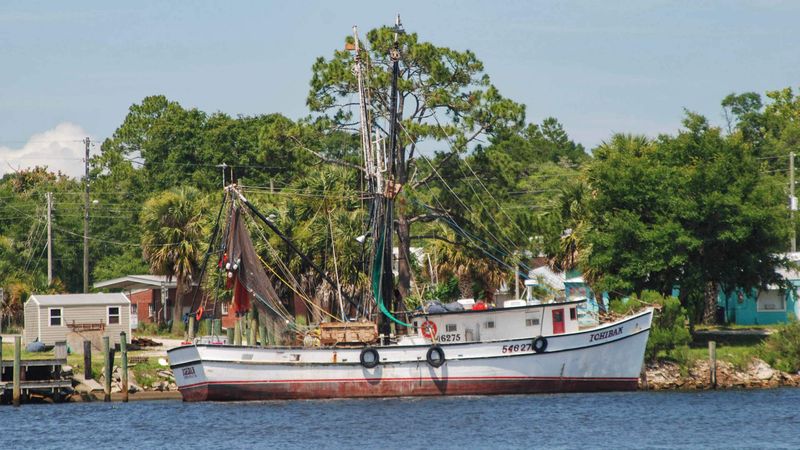
There is a working harbor energy that feels honest and unglamorous, with shrimp boats and charters mingling alongside tiny pleasure craft. I enjoy strolling the waterfront where signs advertise the catch of the day and the conversation is as likely to be about tides as it is about hometown news.
The town’s scale makes it easy to connect with locals who are happy to share directions to a preferred fishing hole or the best dockside sandwich.
Dining leans heavily on fresh-caught fish, and you’ll find family-owned places that serve generous portions at modest prices. Nearby state parks and shell-laden beaches provide quiet outdoor options if you want to explore between meals.
For anglers, the access to open water and estuaries is a major draw, and captains here have a practical knowledge of the water that feels reassuring.
Evening light softens the town and the mood shifts to relaxed conversations and porch lights coming on. Lodging tends to be low-key motels and small inns that keep things simple, which is part of the charm for travelers who want substance over flash.
If you value authenticity and a lived-in coastal vibe, Carrabelle delivers a straightforward, satisfying experience.
5. Matlacha
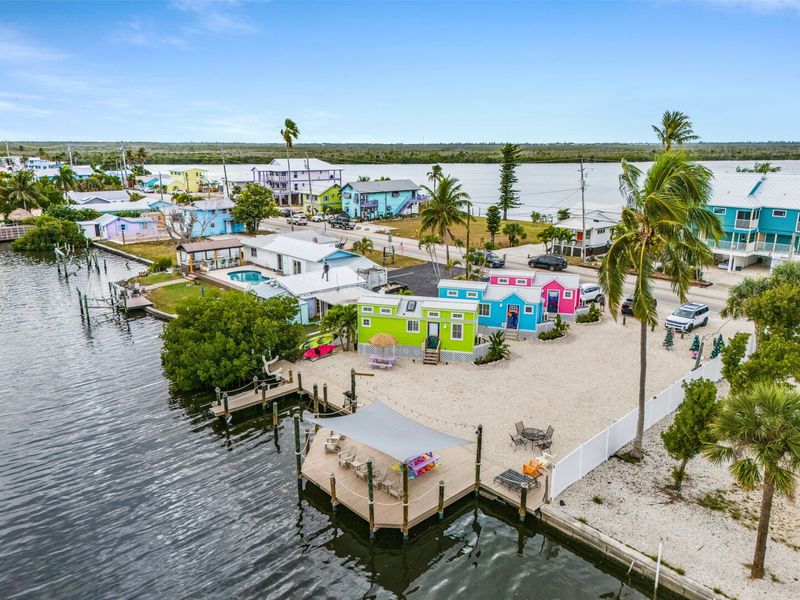
Art and fishing coexist in a way that feels joyful and unforced, with murals, craft shops, and bait shops sharing the same narrow streets. I always plan to spend an afternoon wandering galleries and popping into tiny eateries that serve up fresh catches, then hop over to a dock to watch the light shimmer on the water.
The town’s color palette is as much a draw as its seafood, and bright buildings give the place a cheerful energy that makes exploring feel lighthearted.
Locals mix creativity with maritime skill, and festivals celebrating both art and fishing pop up through the year. Kayak rentals and guided tours make it easy to explore mangrove-lined waterways, where wildlife sightings are common.
For families, the approachable size and friendly vibe make this an easy place to unwind without fuss.
Evenings here are mellow, with a few live-music spots and patios overlooking the water where you can savor the day. Accommodations are small cottages and rental homes that fit into the neighborhood rather than towering above it.
If you want a Florida village that blends coastal life with artistic flair, this is a bright, welcoming option that stays true to its roots.
6. St. Marks
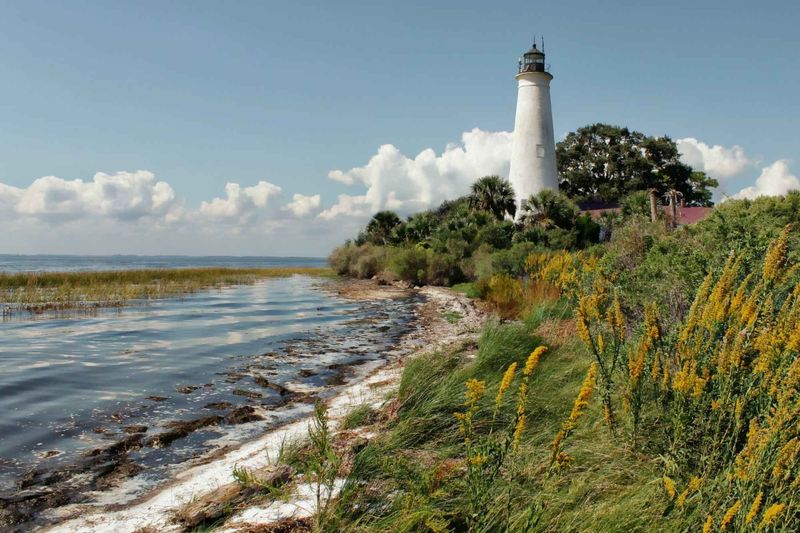
History and marshland combine to create a quiet, reflective place that invites slow exploration and birdwatching. I like to begin near the old lighthouse and let the marsh paths guide a morning of discovery, where you can see wading birds, fiddler crabs, and boats moving in the distance.
The town’s modest scale keeps things personal, and conversations with locals often turn to favorite fishing spots and seasonal changes in the estuary.
There are simple restaurants and picnic spots that welcome anglers and families alike, and nearby trails make it easy to mix a nature hike with a waterfront lunch. Ferry rides and kayak trips open up access to secluded creeks and barrier islands that feel miles from modern life despite being close to town.
Photographers will find gorgeous light during the low sun hours that play across tidal flats.
Evenings are calm, and the starlit sky over the marsh is a reminder of why people are drawn to these quieter coastal corners. Accommodations are understated but comfortable, favoring function and local flavor over boutique styling.
If you want to feel the pulse of a maritime landscape that remains largely intact, this spot offers genuine solitude and charm.
7. Aripeka
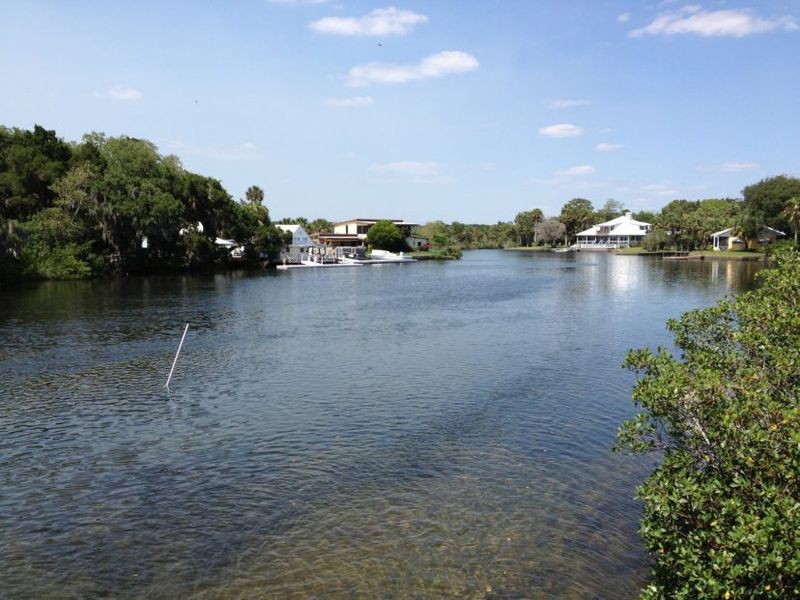
Quiet estuaries and mangrove-lined creeks shape the rhythm here, with boats slipping silently through narrow channels at dawn. I find Aripeka particularly restorative because the scale is intimate and neighbors still exchange waves and fishing tips from their porches.
There are no flashy tourist traps, just honest river access and a landscape that rewards patience and curiosity.
Local spots serve up straightforward seafood and sandwiches, and the best discoveries are often the smallest – a hidden boat ramp, a good shelling stretch, or a lonely pier for casting a line. Kayaking is a highlight, letting you move quietly through habitats where wildlife is abundant and interruptions are rare.
The community feels protective of its natural setting, which keeps development minimal and views uncluttered.
Sunsets here are understated but beautiful, turning the water to soft bronze tones and inviting quiet reflection. Accommodations are simple rentals and family-run motels that fit the restrained mood.
If your idea of a perfect coastal stop includes solitude, easy access to nature, and a genuine local feel, this place quietly checks those boxes without fanfare.
8. Goodland
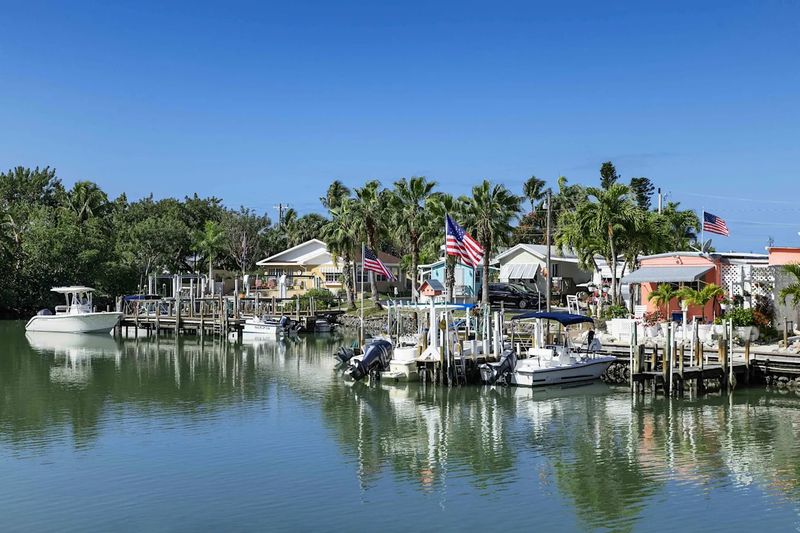
The tiny scale here feels like a secret-keepers’ place, where the community is compact and life orbits the water in a very hands-on way. I often enjoy wandering along the few streets that make up the town, noting that boats are as common in driveways as trucks.
There’s a relaxed, neighborly energy that makes it easy to strike up a conversation about the best local spots for a cast or a bite to eat.
Dining options are limited but sincere, favoring freshness and simple preparations that highlight the quality of the catch. For outdoor lovers, shallow flats and backcountry routes provide excellent opportunities for sight fishing and quiet exploration.
The absence of chain shops contributes to a preserved feeling – everything here leans toward authenticity rather than tourist spectacle.
Evenings are peaceful, with only the sound of water against hulls and distant frogs in the marsh. Accommodations are small cottages and rentals that blend into the landscape and keep the overall vibe calm and estate-like.
If you’re seeking a low-key coastal retreat still rooted in fishing tradition, this little enclave offers an appealingly authentic experience.
9. Cortez
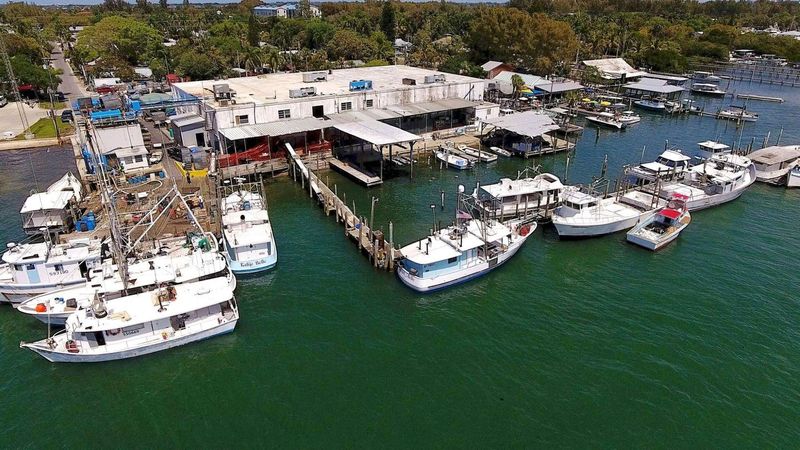
Generations of fishing families keep traditions alive here, and the working waterfront is the star attraction rather than any curated tourist scene. I appreciate the straightforwardness – you can watch boats unload, talk to captains who grew up on the water, and eat at family-run spots where recipes are handed down.
The community’s identity is tightly tied to harvest seasons and the practical knowledge of the bay.
There are small museums and historic sites that explain the heritage, alongside boatyards where craft are kept seaworthy by experienced hands. For anglers and food lovers, this place offers direct access to both culture and cuisine, with stands selling fresh fish and local restaurants serving time-tested dishes.
The pace is deliberate and unhurried, allowing visitors to absorb the rhythms of maritime life.
Sunlit mornings and calm afternoons are perfect for strolling the docks and taking photographs of weathered textures and everyday work. Accommodations are modest and often family-operated, which preserves the town’s lived-in quality.
If you’re after a genuine fishing village experience where tradition still guides daily life, this location remains remarkably intact and rewarding to visit.