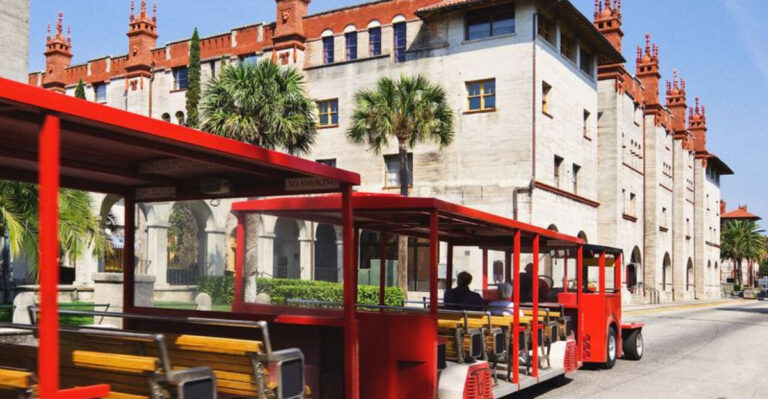
This 13,000-Acre Florida Bird Sanctuary Draws Photographers Worldwide During Nesting Season
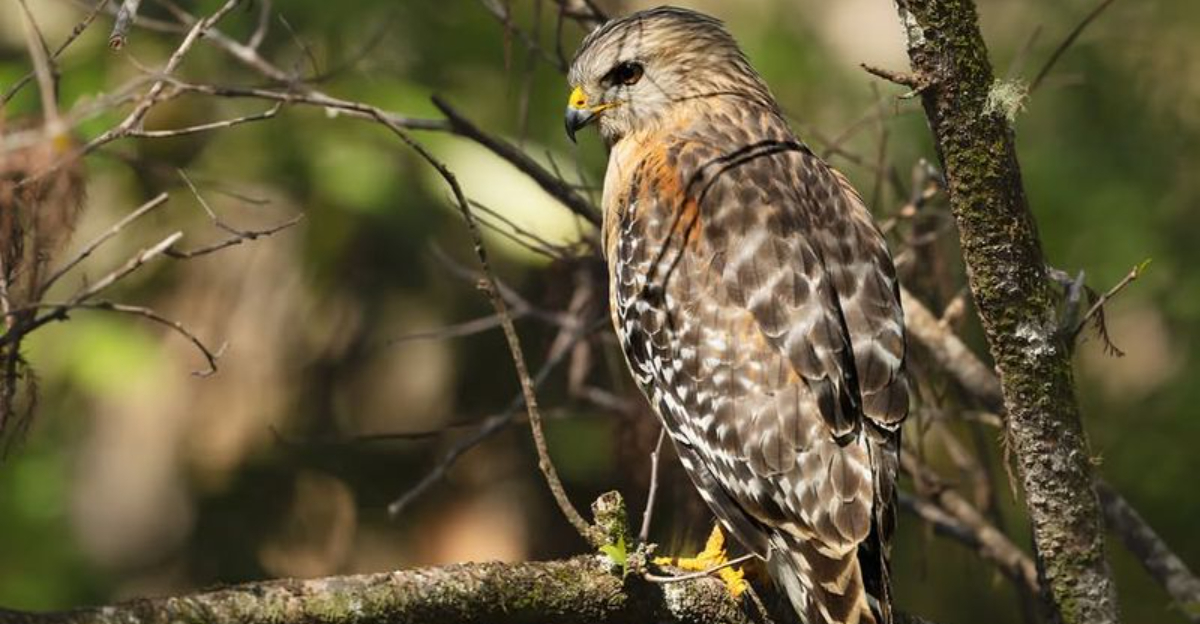
Florida’s most storied bird rookery is humming, and your camera will feel it the moment you step onto the boardwalk. At Audubon Corkscrew Swamp Sanctuary in Naples, nesting season transforms cypress shadows into a living theater. Wood storks, anhingas, and owls deliver nonstop moments, from courtship to first flights.
Here is how to time your visit, find the action, and come home with images you cannot wait to share.
1. Why Photographers Flock Here in Nesting Season
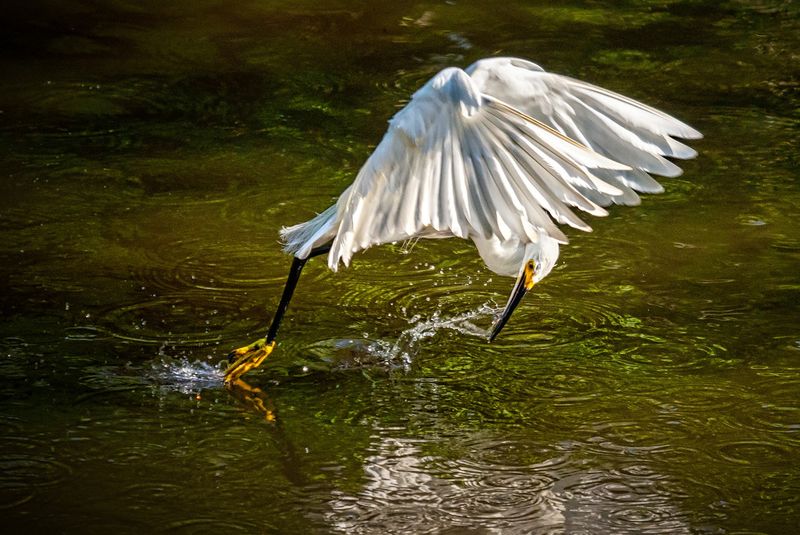
During nesting season, Corkscrew Swamp Sanctuary feels electric with life. Wood storks circle above the ancient cypress canopy, while anhingas and herons claim perches along mirror still pools. You can hear chicks begging from hidden platforms, a soundtrack that pulls you deeper along the boardwalk.
The real magic is predictability. As water levels drop, fish concentrate, turning rookeries into well stocked buffets for parents. That means reliable action for your lens, from wing stretches to feeding exchanges.
Arrive at sunrise for clean light and calmer air. Mid morning brings shimmering heat, so plan breaks at shaded overlooks to review images. If clouds build, stay put, because diffused skies create gorgeous, even tones on feathers.
You will leave smiling every time.
2. Iconic Species You Should Spot and Photograph
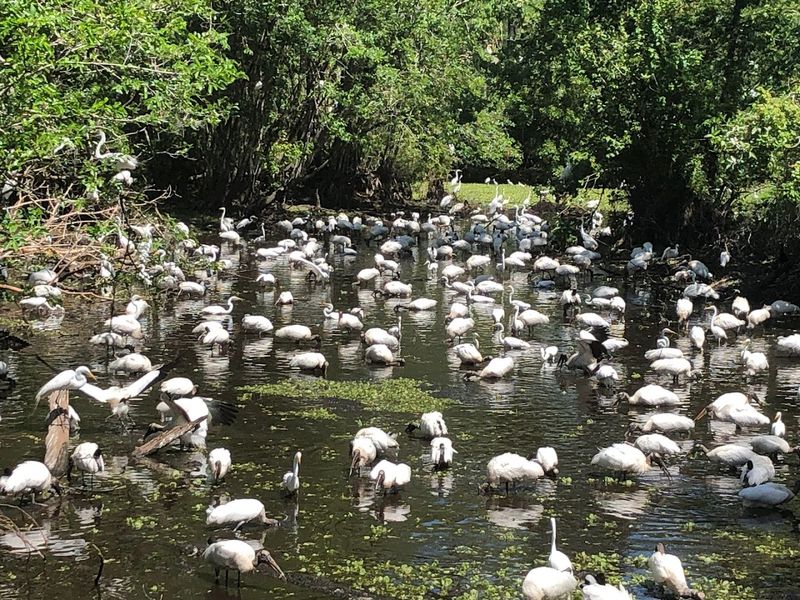
Start with the headliners, the wood storks that made this sanctuary famous. Their prehistoric profiles read dramatic against soft morning mist. Watch nesting platforms for stick deliveries, courtship clattering, and awkward chick wing flaps.
Scan cypress knees for barred owls resting between hunts. If you listen, you might hear that classic who cooks for you call echoing through the trees. Anhingas dry wings like capes, while tricolored herons joust delicately over feeding lanes.
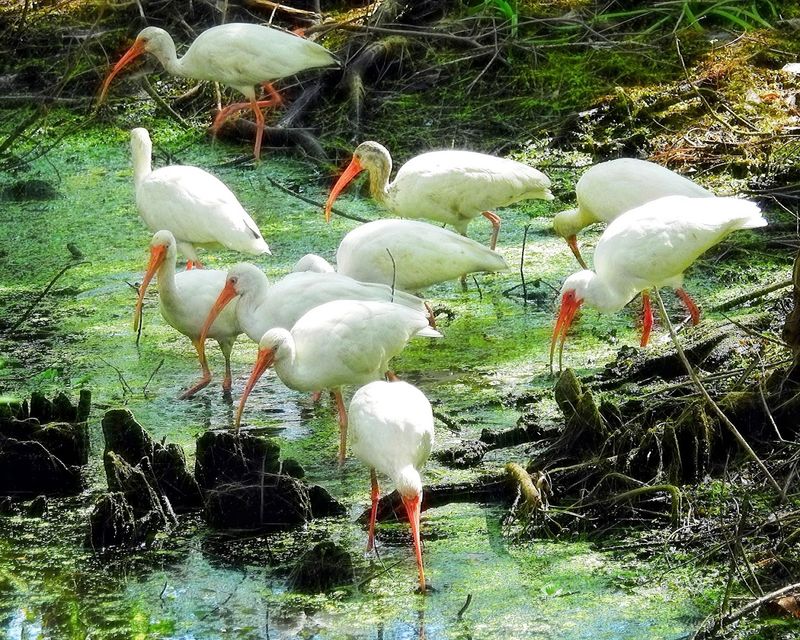
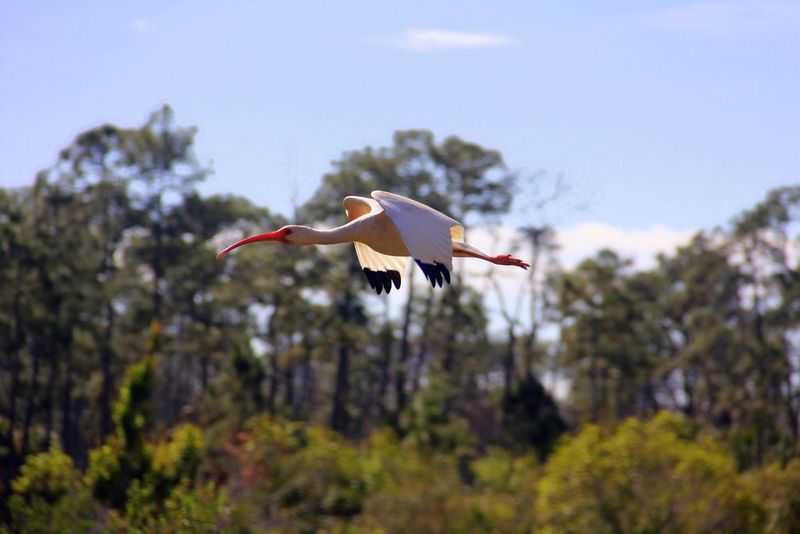
Keep an eye on swallow tailed kites cruising above the treetops. In lower water, limpkins, ibises, and egrets gather tightly, creating layered compositions. Move slowly, whisper, and wait, because patience turns quick glimpses into frame filling moments.
Your gallery will thank you later.
3. Best Boardwalk Photo Spots and Light
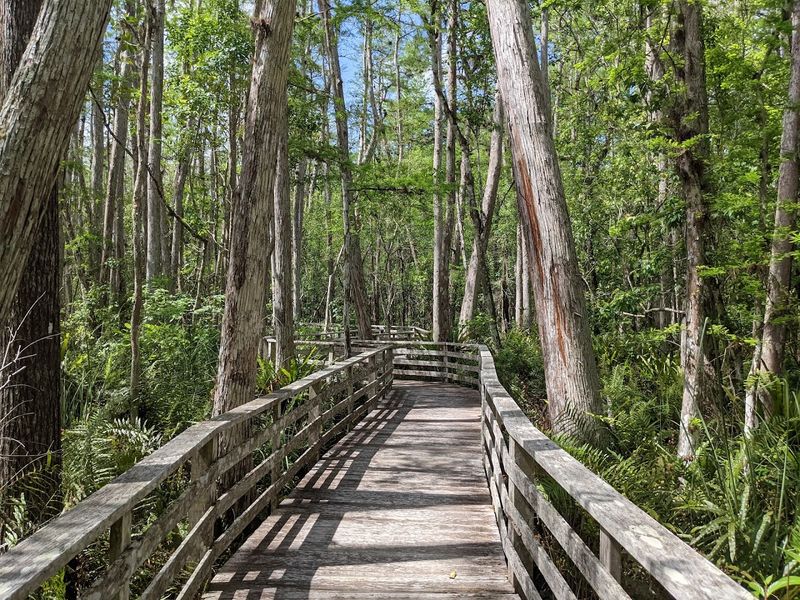
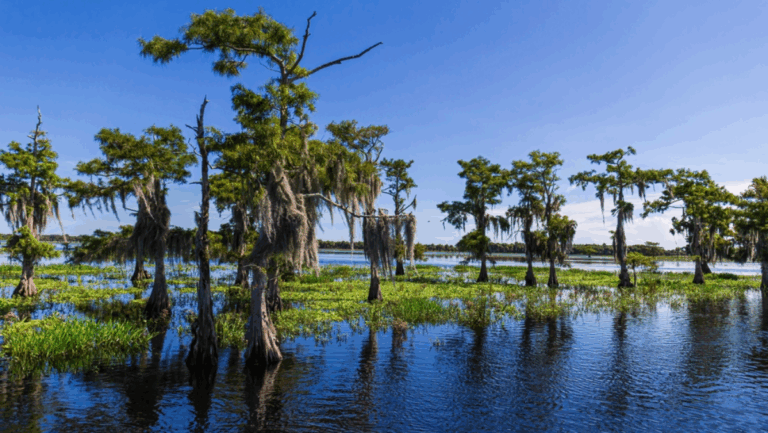
The 2.25 mile boardwalk snakes through pine flatwoods, wet prairie, marsh, and ancient bald cypress. Each habitat offers different light, so timing matters. Early sun kisses dew on sawgrass, while deep swamp pockets stay moody and quiet.
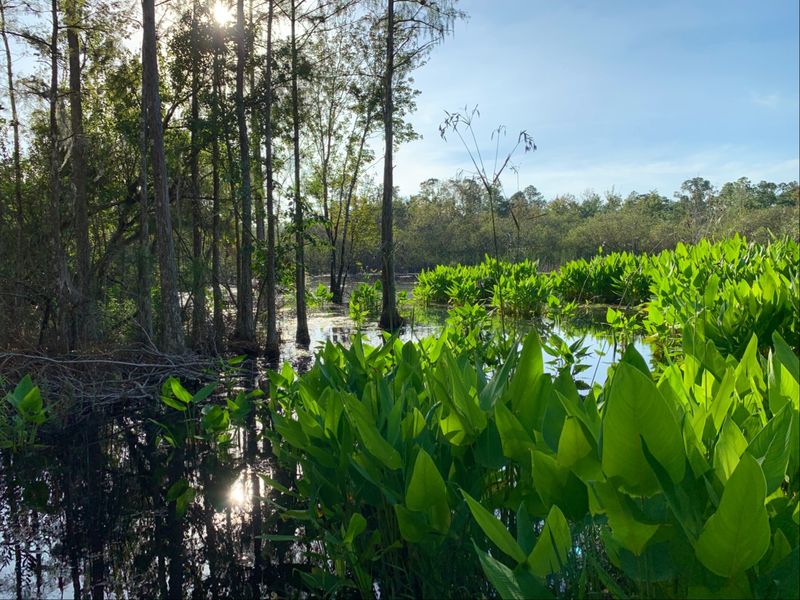
Start clockwise and pause at the Lettuce Lakes, where reflections double your subject and soft backlight outlines feathers. The Blair Audubon Center overlook helps you spot movement before you commit to an angle. Side light along the ancient cypress stand reveals texture like carved stone.
Cloudy afternoons are underrated, giving you rich files without harsh contrast. If a shower passes, stay put for birds returning to preen, shake, and feed in calmer air. Golden hour on the exit stretch can surprise with owls and kites hunting the edge.
4. Practical Visiting Tips: Hours, Crowds, Comfort
Corkscrew opens at 8 AM and closes at 3 PM, so plan an early arrival. Morning tickets sell quickly in peak season, and the parking lot fills fast. Pre book online, then breeze through the welcome center to hit the boardwalk before tour groups.
Weekdays feel calmer, but even busy days mellow after lunch when heat sends folks indoors. Bring water, a brimmed hat, and light layers, because shade shifts between habitats. Bug pressure varies by month, yet a small bottle of repellent saves the day.
Use restrooms before you start. The loop has no facilities once you leave the visitor center, so pace snacks and breaks. Respect the quiet, lower your ringtone, and you will notice more birds than the chalkboard promises.
5. Photo Gear and Settings That Work Here
You do not need a giant lens to come home thrilled. A 300mm or 400mm with teleconverter covers most action, while a 70 200 shines for environmental portraits. Pack a lightweight tripod or monopod, but keep movement fluid for birds in flight.
Start around 1/1600 sec for flight, f5.6 to f8 for sharpness, and Auto ISO capped for clean files. For static portraits, drop to 1/500 and lower ISO, then wait for catchlight. Continuous autofocus with subject detection helps when branches confuse tracking.
Carry a microfiber cloth, rain cover, and extra batteries. The swamp is humid, so fogged glass happens when you leave air conditioning. Wipe, breathe gently on the lens, and give it time before firing the next burst.
6. Accessibility, Safety, and Wildlife Ethics
The boardwalk is flat, wide, and wheelchair friendly, with pullouts for resting and viewing. Benches and shaded overlooks invite longer sits, which often reveal the best behavior. You can comfortably bring strollers, and staff happily share recent sightings before you roll out.
Safety is simple. Stay on the boardwalk, keep a respectful distance, and never feed wildlife. Watch footing in damp spots, secure straps, and avoid leaning phones beyond rails when gators cruise below.
Ethics matter as much as exposure. Move slowly, keep voices low, and let birds choose the interaction. If a subject changes posture, opens its bill, or glances repeatedly, step back and you will likely get a calmer, better shot.
Your photos will reflect that respect.