This 16-Acre Japanese Garden in Florida Is a Hidden Gem Most People Miss
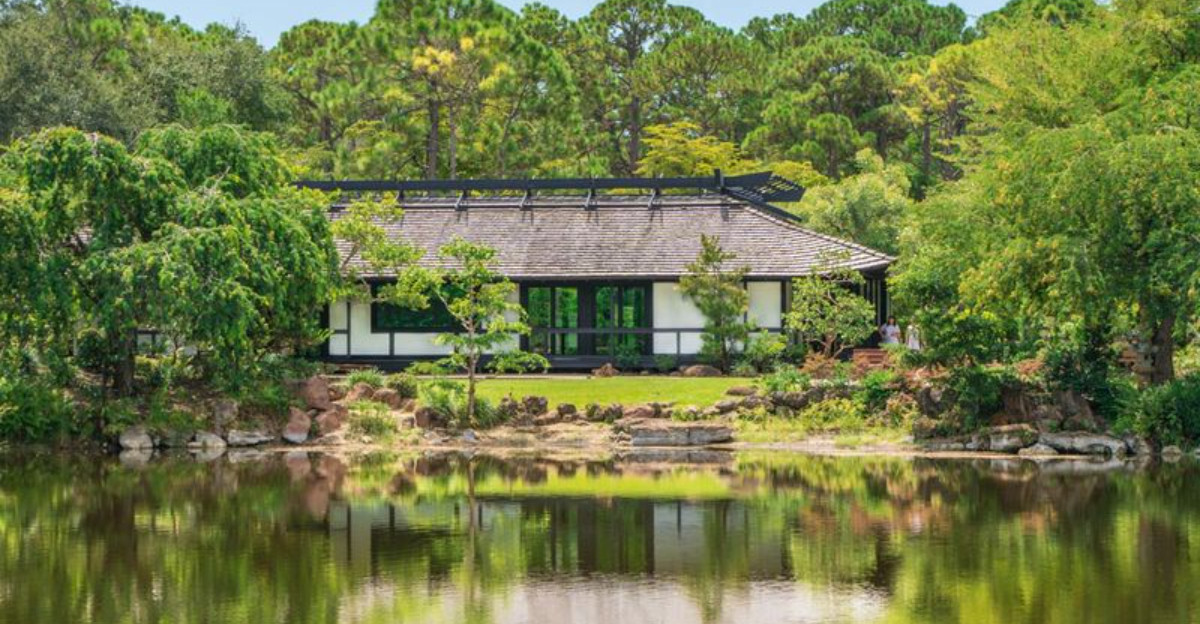
Tucked into Delray Beach, the Morikami Museum and Japanese Gardens feels like a secret world where stress melts the moment you step in. Sixteen acres of lakes, bridges, and sculpted greenery invite you to slow down and really look. You will find art, history, and unforgettable tranquility woven together in one graceful loop.
If you crave a peaceful escape with authentic culture, this hidden gem delivers.
1. Roji-en Garden Walk
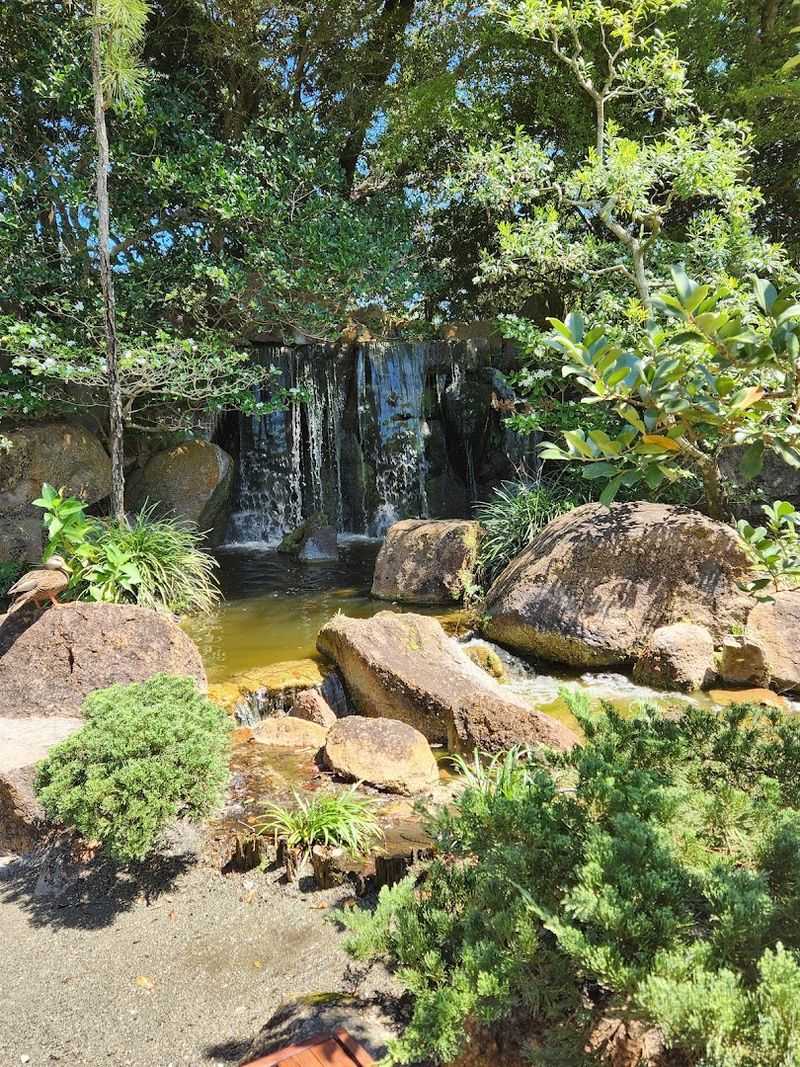
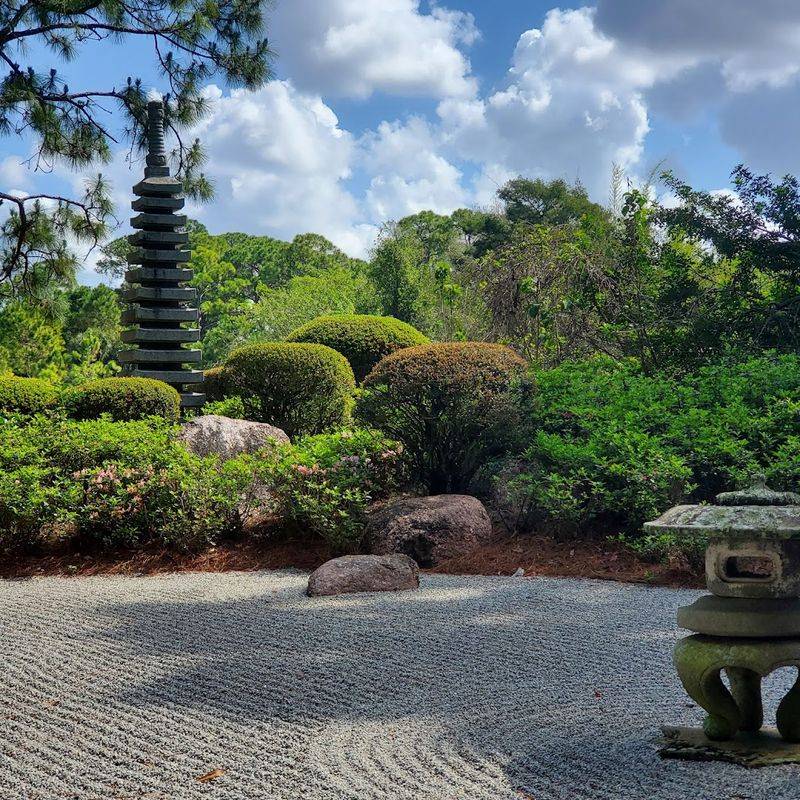
Step onto the Roji-en paths and your pace naturally slows. Seven distinct garden styles unfold around the lake, each interpreting a historic Japanese era with Florida light and breezes. Stone lanterns, arched bridges, and rippling waterfalls frame reflections that make you pause.
You will spot turtles sunning, koi darting under lilies, and herons standing like statues. Benches invite quiet breathing while gravel crunches softly underfoot, a sound that feels meditative. Bring water and give yourself 90 minutes so you can linger at overlooks without rushing.
Visit in early morning or late afternoon for cooler air and golden light. Shaded bamboo groves soothe, and mossy stones glow. Read the discreet signs, then pause to notice wind moving pines and mirrored clouds.
2. The Bonsai Collection
The bonsai courtyard feels like a gallery of living time. Centuries of training show in tiny trunks with powerful roots, wired branches, and seasonal silhouettes. You will find Florida-friendly species alongside classic junipers, each labeled for slow, appreciative viewing.
Stand close and study the nebari, then step back to see the overall form. Subtle deadwood, minute buds, and textured bark reveal themselves when you linger. It is easy to lose track of time here, especially when the sun softens.
Ask volunteers about care routines if you are curious, because their insights deepen appreciation. Morning visits bring shadows, helpful for photographs. Keep voices soft, avoid touching displays, and notice how small trees echo the garden beyond, connecting patience, design, and nature.
3. The Museum Galleries
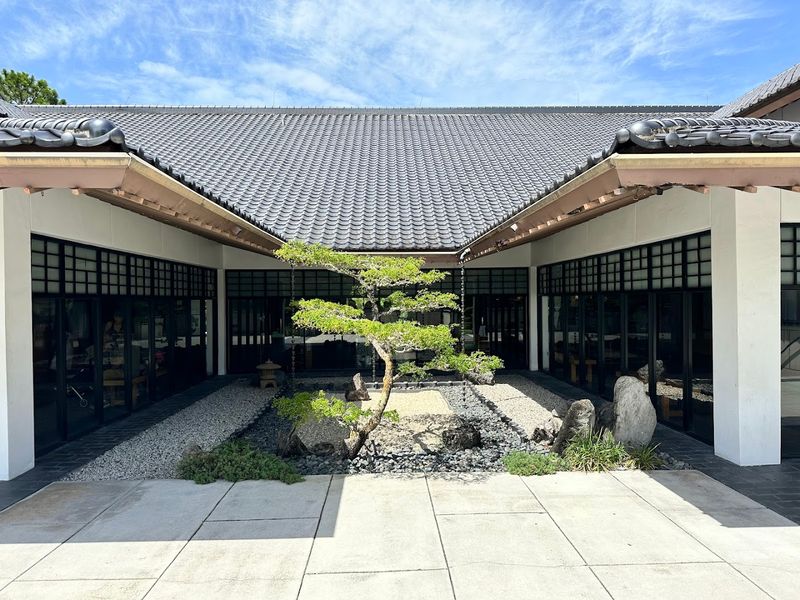
Inside the museum, rotating exhibitions introduce art, craft, and contemporary ideas tied to Japan. Labels are concise, and galleries feel intimate, so you can actually absorb each piece. Recent shows like Light as Air create surprising moments that complement the calm outdoors.
You will also find context about the Yamato Colony and George Morikami, whose gift made this place possible. Archival photos and personal stories connect Florida soil with immigrant dreams. The result is a meaningful pause that gives the gardens even deeper emotional resonance.
Plan a loop that alternates gallery time with garden time to keep senses fresh. Photography rules vary, so check signs. If attention drifts, step outside, breathe, then return ready to notice textures, colors, and craftsmanship.
4. Lunch With A View at Cornell Cafe
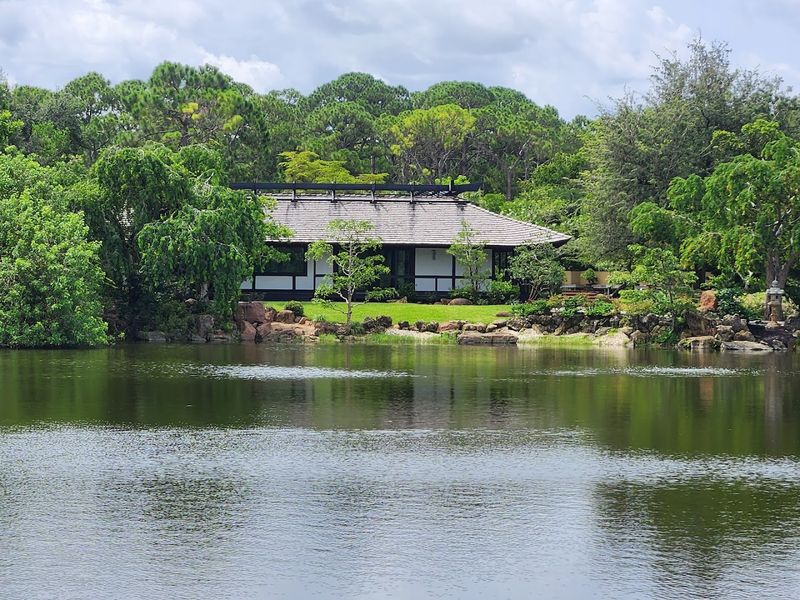
Cornell Cafe sits above the water with leafy views that make lunch feel like a retreat. The menu offers sushi rolls, bento, and Japanese-inspired bowls that satisfy after your walk. Order green tea, then snag a patio table if the breeze is kind.
Service moves steadily, but weekends can be busy, so arrive early or later than the lunch rush. Portions are generous without feeling heavy, perfect for returning to the paths. And yes, the classic bento hits the spot with simple, comforting flavors.
Check hours before visiting, as the museum closes on Monday. If you prefer picnics, there are spots outside the garden loop. Whatever you choose, hydrate, savor the shade, and let the water reset senses exploring again.
5. Yamato-kan and Living History
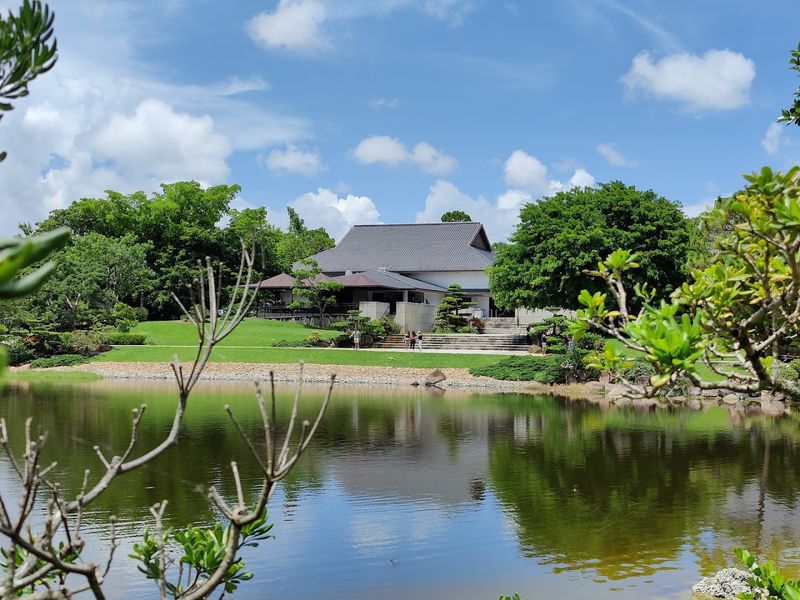
The Yamato-kan house shares stories of the original Yamato Colony and George Sukeji Morikami. Displays explain how Japanese farmers came to South Florida, worked the land, and shaped a lasting cultural bridge. Standing here, you feel gratitude for a gift that still grows.
Old photographs, maps, and household objects add texture to the narrative. The setting faces the lake, so history and landscape converse in real time. You can imagine boats, crops, and daily routines, then turn and step right back into the gardens.
Take moment to read plaques aloud with kids or friends. The details make everything memorable. When questions pop up, note them, because staff and website provide dives that enrich the walk and link past to present.
6. Festivals, Tea, and Cultural Programs
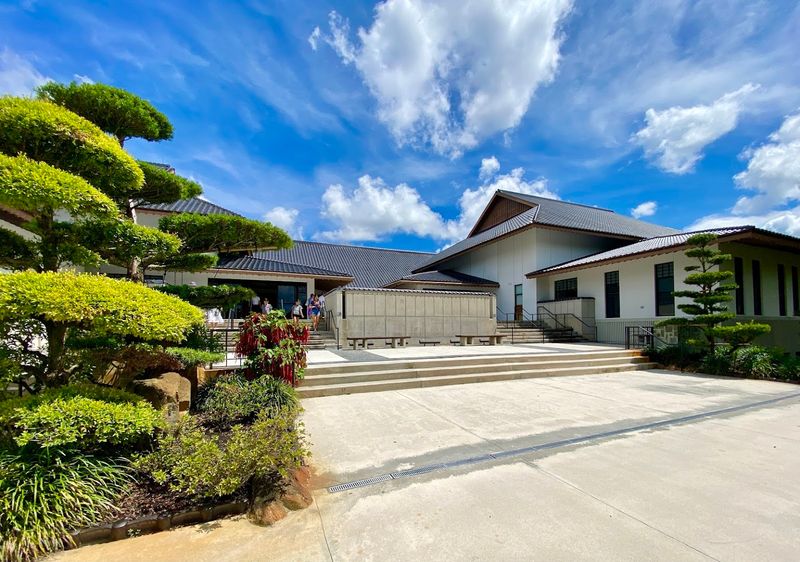
Seasonal festivals bring color and community to the peaceful grounds. Lantern evenings, cultural demonstrations, and tea presentations add rhythm to the calendar. You will feel the buzz of families, music, and food while the gardens keep their balanced, restorative spirit.
Workshops range from calligraphy to flower arranging, and classes fill quickly, so check schedules ahead. Performances and special exhibits often pair with outdoor activities, creating full-day experiences. Remember hydration, sun protection, and comfortable shoes, especially if you plan to explore every loop.
Festivals can draw crowds, but patient pacing preserves magic. Arrive near opening, follow shaded paths, and pause at overlooks between events. When energy needs a reset, sit by waterfall, listen, and let sound wash stress away each time.
7. Planning Your Visit
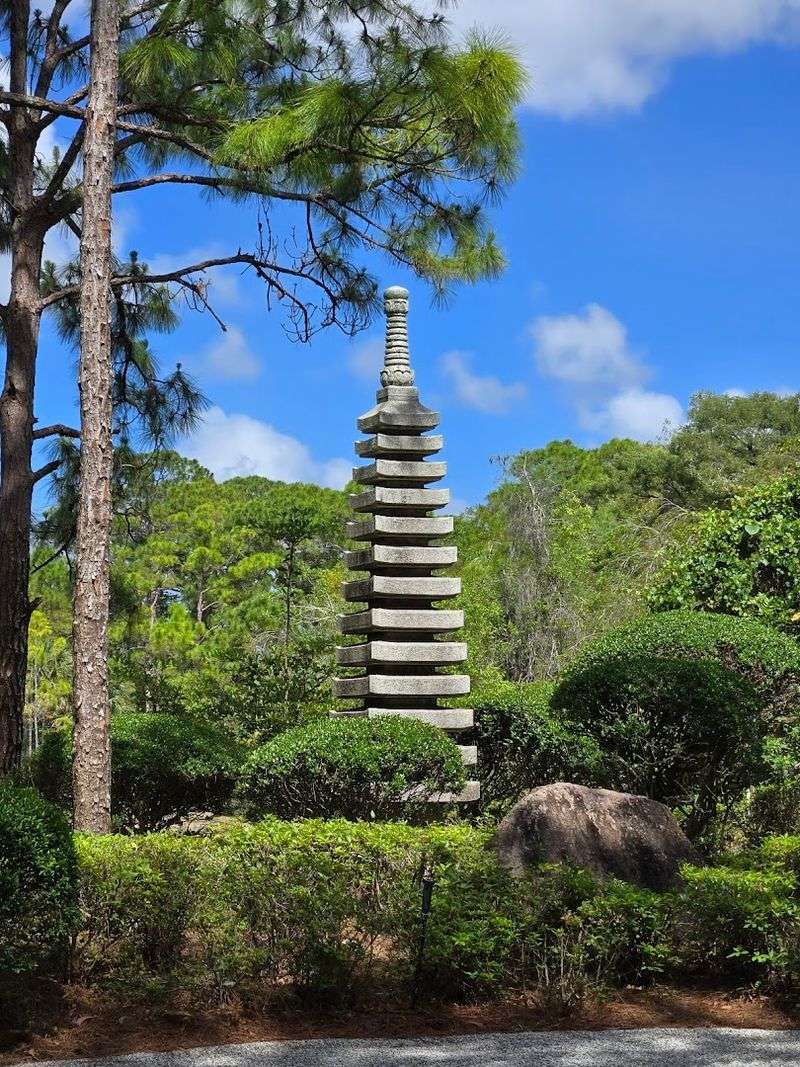
Morikami opens Tuesday through Sunday from 10 AM to 5 PM, with Monday closed. Aim for mild weather because most experiences are outdoors. Parking can fill on popular days, so arrive early or after lunch to enjoy calmer pathways.
General admission is around the high teens, and you can call ahead for current exhibits or accessibility. Paths include fine gravel, so strollers and wheelchairs with terrain-friendly tires do better. Bring water, sunscreen, and unhurried curiosity for the best day.
Map your route to include the bonsai, Yamato-kan, galleries, and long lake views, then leave room for serendipity. Download the app for added insights. Most of all, slow down, breathe deeply, and let the quiet teach you how to look today.