This 1,650-Acre Florida Bird Sanctuary Becomes A Photographer’s Dream During Nesting Season
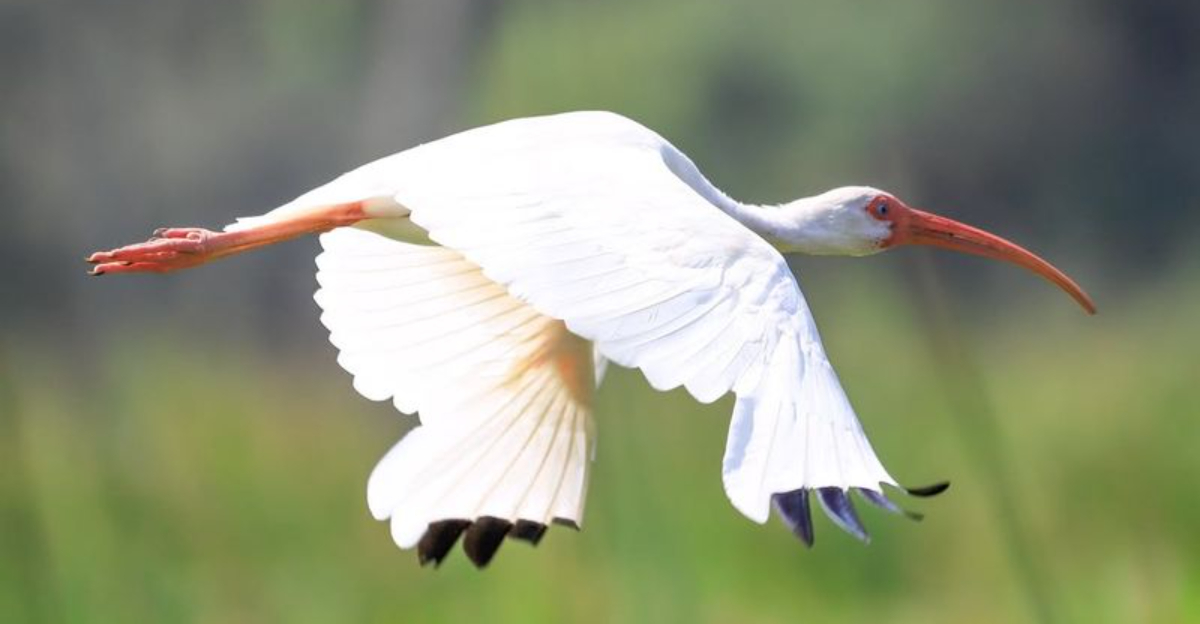
When nesting season arrives, Orlando Wetlands Park in Christmas, Florida turns into a living canvas of wings, water, and light. Everywhere you look, birds gather, build, and tend their young against a backdrop of shimmering marsh. You can feel the hush of anticipation at sunrise when the first herons lift off and the spoonbills glow pink in the sky.
Bring your camera, because every bend in the trail holds a story worth capturing.
1. Sunrise At The Boardwalk
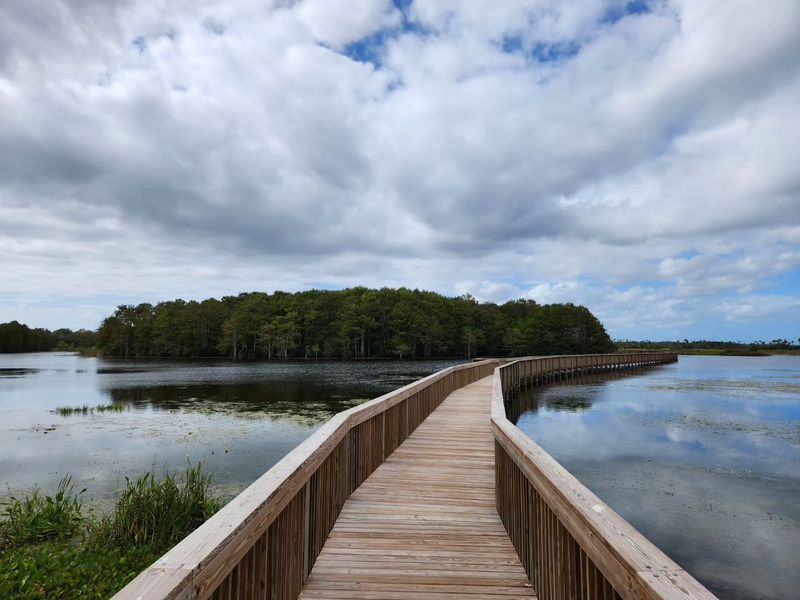
Start at the boardwalk right at opening, when the gate swings wide at 7 AM and the marsh exhales its mist. You will watch spoonbills preen in rose colored light while herons stake claims along the railings. The reflections double everything, so each click feels like two frames at once.
Lean on the wood, breathe slowly, and track patterns rather than single birds. You will see silhouettes turn into texture as the sun rises, revealing fronds, beaks, and ripples. If the wind is gentle, switch to a longer shutter and let wings paint soft streaks across the water.
Bring bug spray, respect the railings, and keep movement small. The stillness welcomes you, and your photos will show it.
2. Rookery Rhythm On The Berms
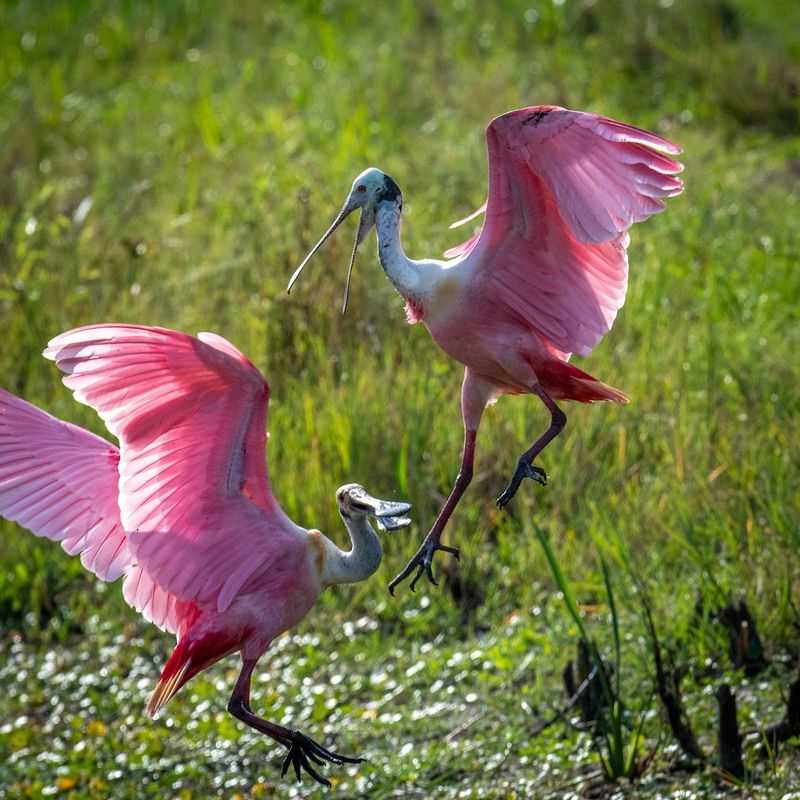
Walk the berms slowly and listen for the clatter of bills. That is your signal that nesting is underway, with spoonbills and wood storks swapping twigs like seasoned contractors. You will spot fluffy heads peeking over fresh nests while adults guard from nearby perches.
Use a longer focal length and stay on the trail. You will get intimate frames without crowding the birds, keeping stress low for everyone. When the adults trade places, fire short bursts to catch those wing tips and eye contact.
Overcast light is your friend here, revealing soft feathers and true color. Bring patience, water, and a hat. The rookery has a rhythm, and when you move with it, your images sing.
3. Great Blue Heron Fishing Lanes
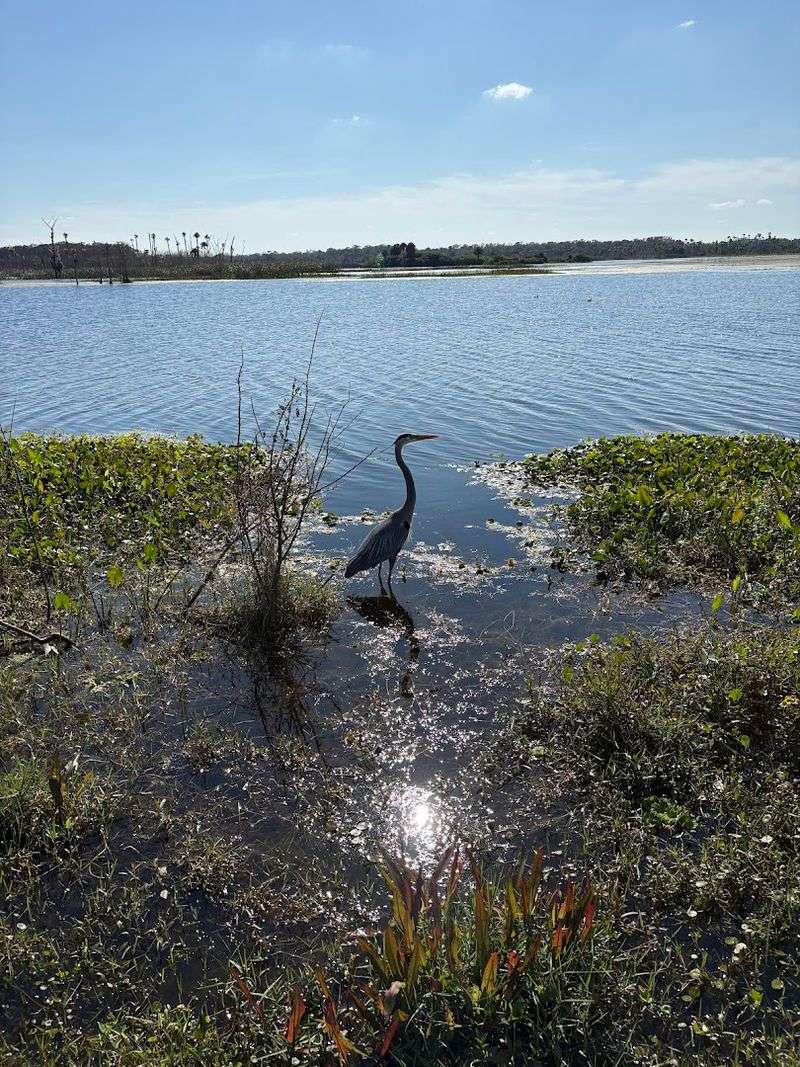
Follow the shallow channels where great blue herons patrol like patient statues. Each step is measured, each pause a prelude to lightning. You will learn to anticipate the strike by watching the neck coil and pupils narrow, then time your shutter with the splash.
Keep ISO flexible, because action unfolds under tree shade and open sky. You will freeze droplets midair or let a hint of motion blur sell the speed. Low angles help, so kneel safely on firm ground and align the beak with its reflection.
After the catch, wait for the head toss and swallow sequence. That is your storytelling moment. Respect distance, stay on trails, and let the hunt play naturally.
4. Sandhill Crane Family Walks
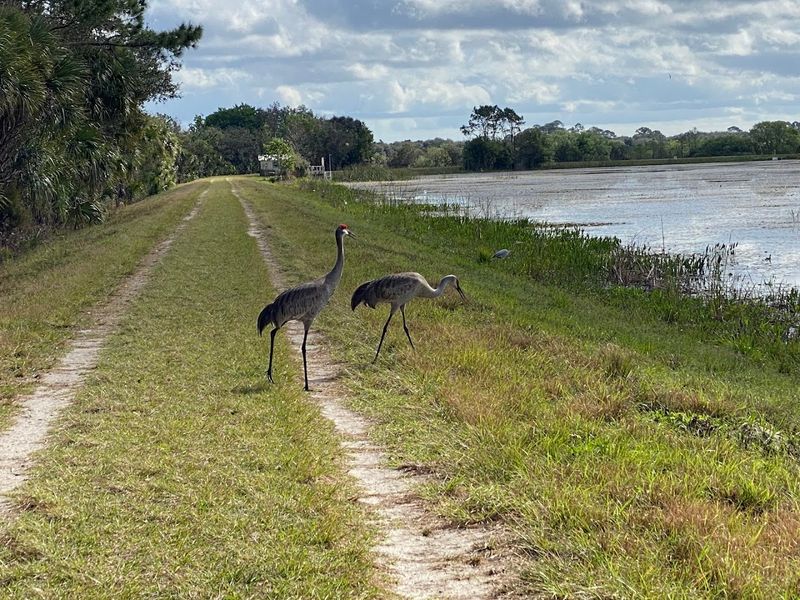
Scan open berms and short grass for lanky silhouettes and soft trills. Sandhill cranes often parade their colts along the paths, teaching foraging with gentle nudges. You will catch tender exchanges when a parent drops a morsel and the chick hustles to grab it.
Shoot from a respectful distance and keep your profile small. You will frame long legs and downy fuzz without interrupting the lesson. Backlight at golden hour turns their crowns into halos and the chick into a glowing ember.
Mind your footing, since gators bask near sunny edges. If the family crosses your path, stop and let them pass. Those few quiet seconds can deliver your most heartfelt series.
5. Gators, Safety, And Stunning Shots
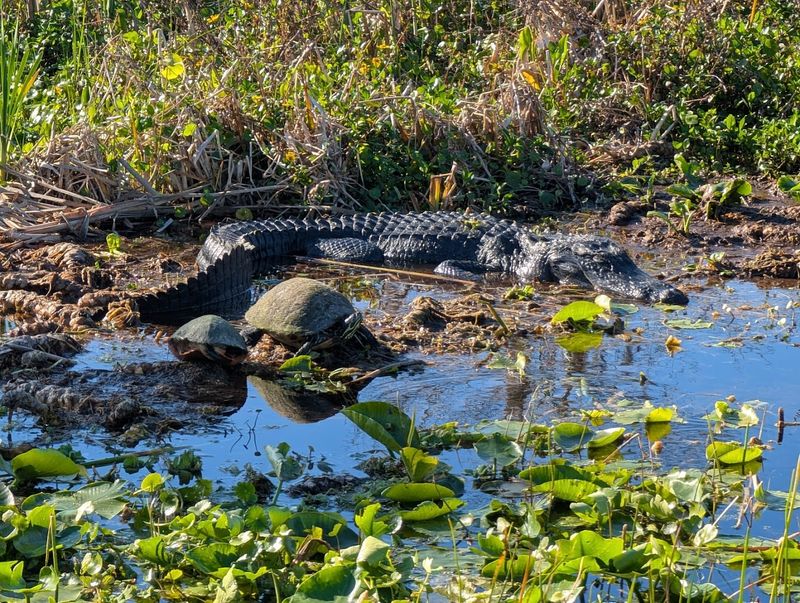
Alligators are part of the park’s heartbeat, sunning on banks and sliding through mirror water. You will respect them first, photograph them second. Telephoto lenses let you fill the frame while staying well back on marked trails.
Look for rim light skimming the scutes at sunrise or late afternoon. You will reveal texture without harsh contrast. Environmental portraits work beautifully here, placing the gator within grasses, lilies, and distant egrets for scale and story.
Never approach, feed, or crouch at the water’s edge. Keep your body upright, give space, and move calmly. Safety is non negotiable, and your images benefit because caution encourages thoughtful composition and steadier hands.
6. Visitor Center And Free Tram Tips
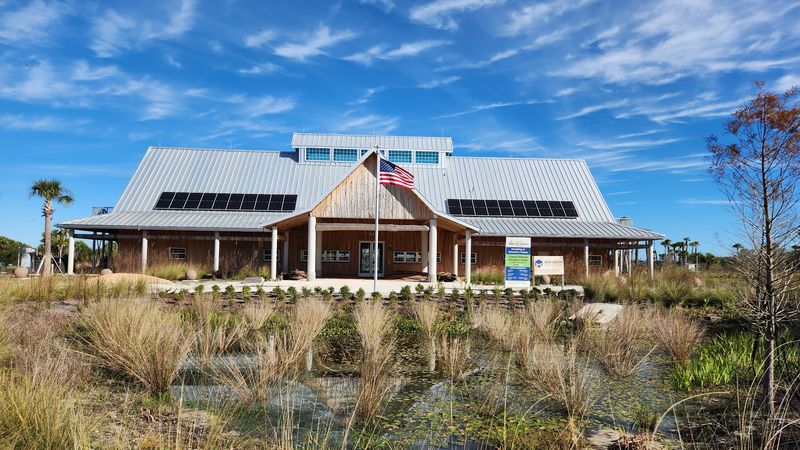
Before hiking deep, stop by the visitor center for maps, exhibits, and real time sightings. Volunteers share nesting updates and light advice that can save you miles. You will learn how reclaimed water shapes the habitat, and where birds are most active that week.
On weekends, hop the free tram for a guided overview. You will mark promising spots, then walk back later with purpose. If the sun is fierce, the ride gives you shade and fresh framing ideas from a higher vantage.
Confirm hours, since the park opens at 7 AM and closes at 6 PM most days. Pack sunscreen, bug spray, and water. Prepared minds make better photographs, every time.
7. Seasonal Light And Weather Strategy
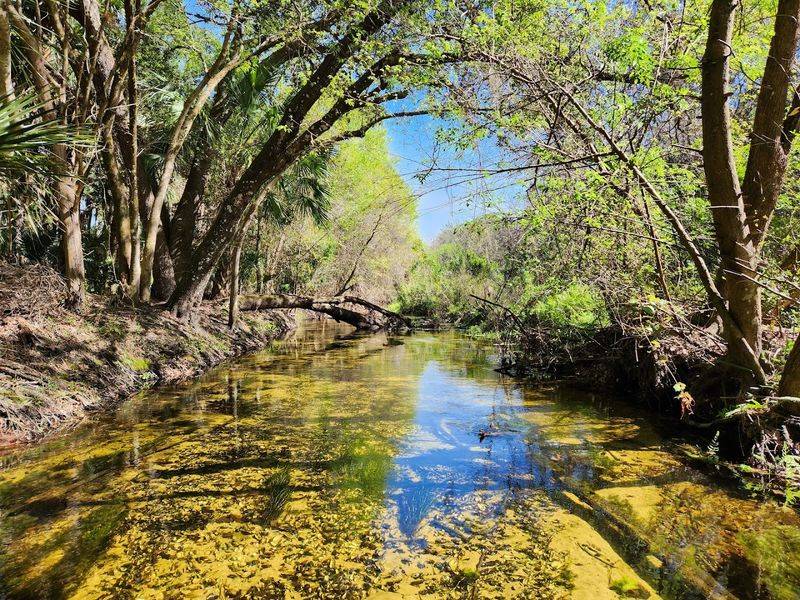
Light is your secret ally here. Winter brings mist and basking gators, spring ignites nest building, summer storms paint dramatic skies, and fall lays down amber grasses. You will plan for wind direction to read reflections and anticipate takeoffs into the breeze.
Arrive early or late for low sun and quieter paths. You will meter for highlights on white egrets to save feather detail, then lift shadows later. Cloudy days become softboxes, perfect for color true portraits of spoonbills and storks.
Check radar, pack a dry bag, and protect gear with simple covers. Hydrate more than you think. When weather and light align, the 1,650 acres feel boundless, and your portfolio grows fast.