This 200,000-Acre Florida Forest Has Longleaf Pines, Cypress Swamps, And One Of Florida’s Best Campgrounds
Tucked away in northeast Florida near the Georgia border, Osceola National Forest sprawls across 200,000 acres of untouched wilderness that feels worlds away from the state’s crowded beaches. Ancient longleaf pines tower overhead while blackwater swamps hide alligators and wading birds around every bend. Whether you’re looking to pitch a tent by a pristine lake, explore miles of off-road trails, or simply escape into nature for a weekend, this hidden gem offers something for everyone who craves adventure.
1. Ocean Pond Campground Offers Lakeside Camping At Its Finest
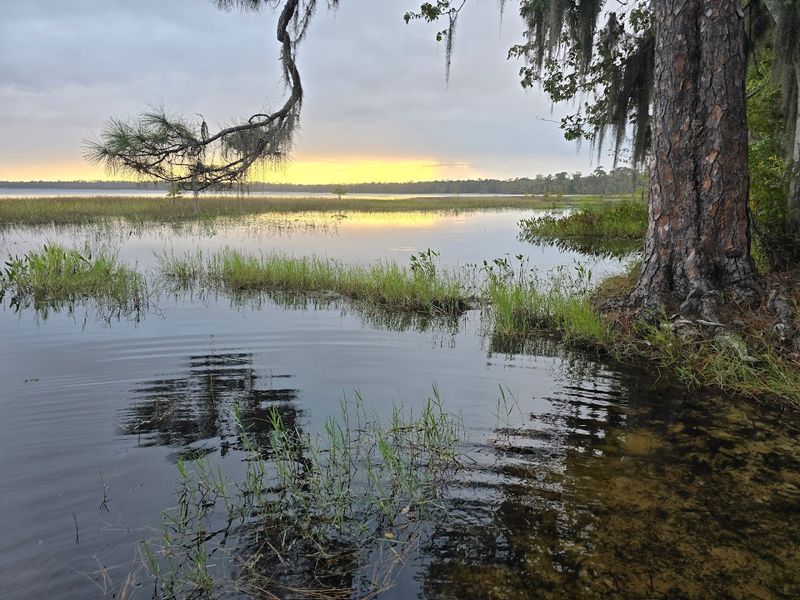
Ocean Pond Campground sits right on the shores of a gorgeous 1,760-acre lake that gives campers direct water access and stunning sunrise views. You’ll find campsites ranging from primitive tent spots tucked under the pines to concrete pads with full hookups for RVs up to 30 feet. The lake itself is perfect for fishing, kayaking, or taking a refreshing swim on hot summer days.
Campers rave about how clean and well-maintained the facilities are, with actual flush toilets and showers available. The campground fills up on weekends but stays pleasantly quiet during weekdays, making it ideal for a peaceful mid-week escape. Prices are budget-friendly, with options for every camping style and wallet size.
The surrounding area offers easy access to hiking trails and forest roads perfect for exploration. Cell service is surprisingly decent if you need to catch up on work between adventures. With a 14-day stay limit, you could easily spend two weeks here without running out of things to do or places to explore around this beautiful lake.
2. Towering Longleaf Pine Ecosystems Create An Unexpected Florida Landscape
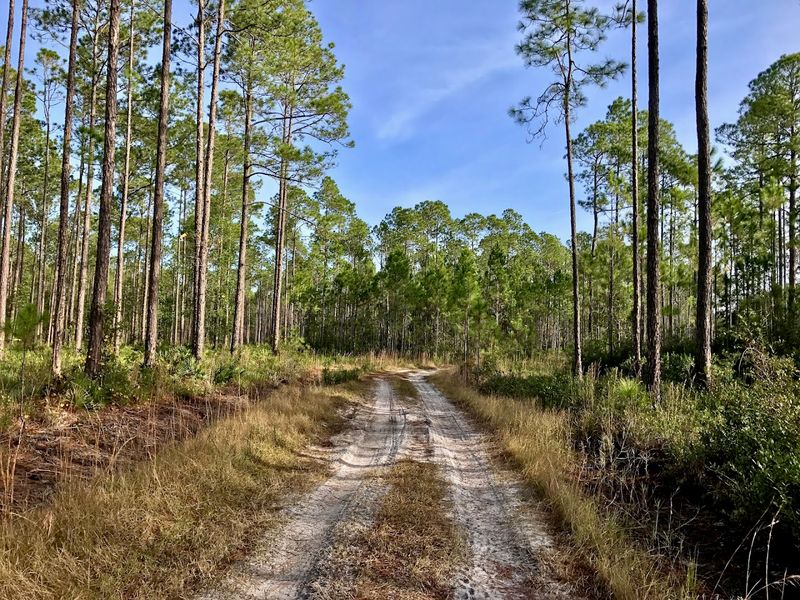
Walking through Osceola’s longleaf pine forests feels like stepping into a different Florida entirely. These towering giants can reach over 100 feet tall, creating cathedral-like spaces beneath their canopies that seem more Appalachian than tropical. The ecosystem they support is one of the rarest in North America, with only a fraction of the original longleaf forests remaining.
The forest floor underneath stays surprisingly open thanks to periodic controlled burns that maintain the natural fire cycle. This allows native wiregrass and wildflowers to thrive while preventing undergrowth from choking out the pines. During spring and fall, you might spot gopher tortoises digging burrows or red-cockaded woodpeckers hammering away at the bark.
Many visitors are genuinely shocked to find such tall, straight pines in Florida. The shade they provide makes hiking bearable even during warmer months, and the gentle breeze through their needles creates a soothing soundtrack. Photographers absolutely love the way light filters through these ancient trees, especially during golden hour when everything glows amber and gold.
3. Cypress Swamps And Blackwater Creeks Harbor Hidden Wildlife
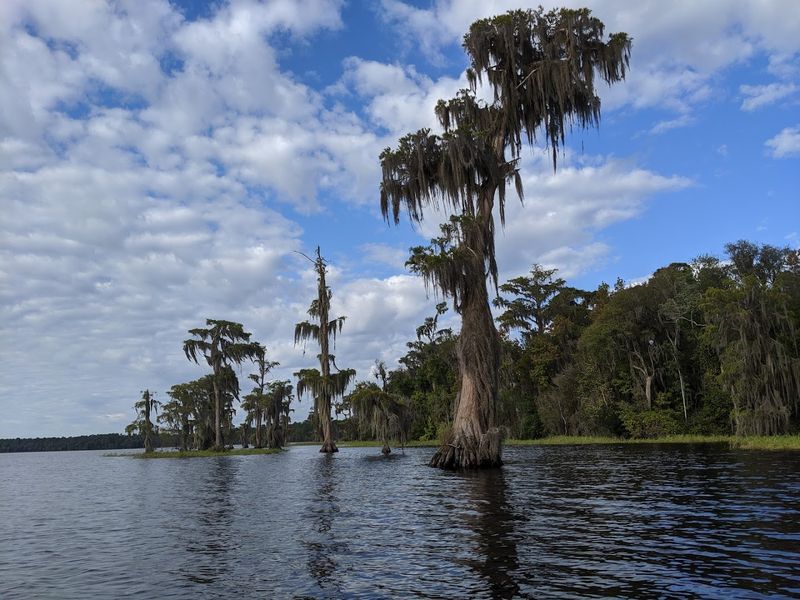
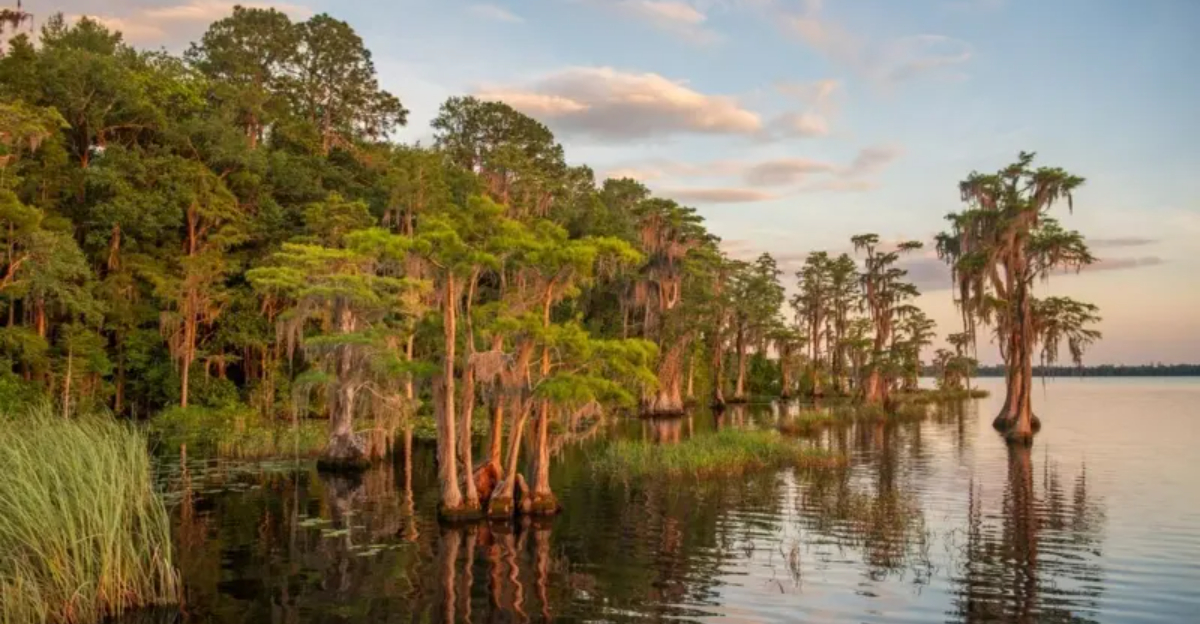
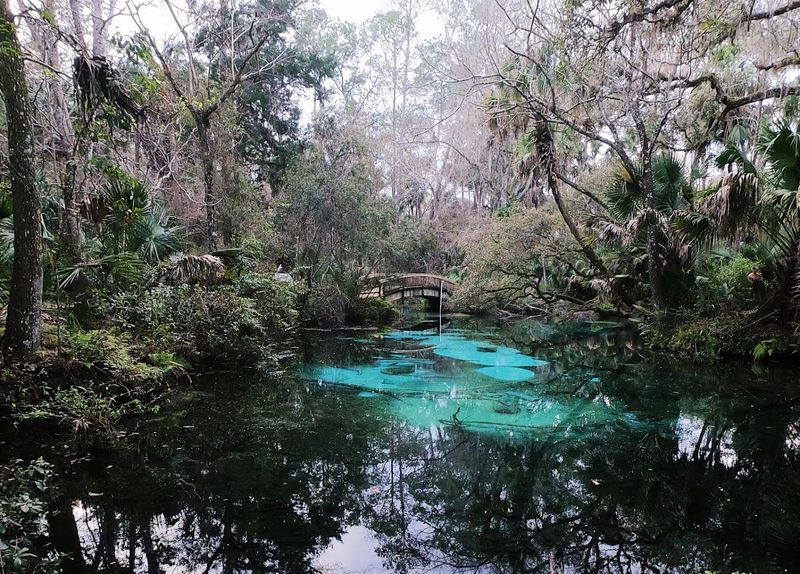
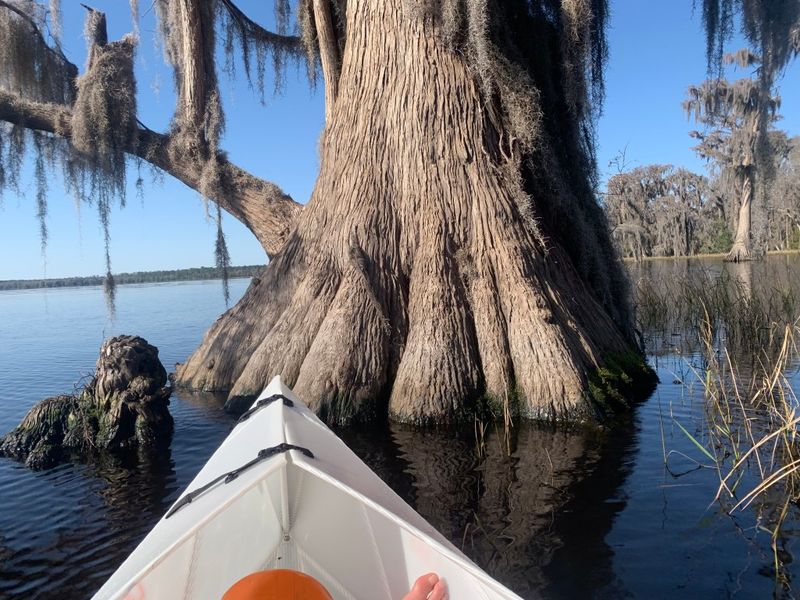
Osceola’s cypress swamps present a completely different world from the upland pine forests. Blackwater streams wind through stands of bald cypress draped in Spanish moss, their knobby knees poking up from tea-colored water. Depending on rainfall, some trails might have you wading through ankle-deep to thigh-high water, turning your hike into a genuine Florida adventure.
Alligators call these swamps home, along with river otters, wading birds, and countless frogs that create a nighttime symphony. The water gets its dark color from tannic acid leaching from decaying vegetation, giving it an almost mystical appearance. Bring waterproof boots if you plan to explore during wet season, which typically runs from June through September.
These wetlands serve as crucial habitat for threatened and endangered species while filtering water and preventing floods. The contrast between dry pine uplands and soggy cypress lowlands happens within just a few hundred yards in many spots. Smart hikers pack extra socks and embrace getting their feet wet, because avoiding water completely is pretty much impossible during certain times of year.
4. Over 100 Miles Of Multi-Use Trails For Every Adventure Style
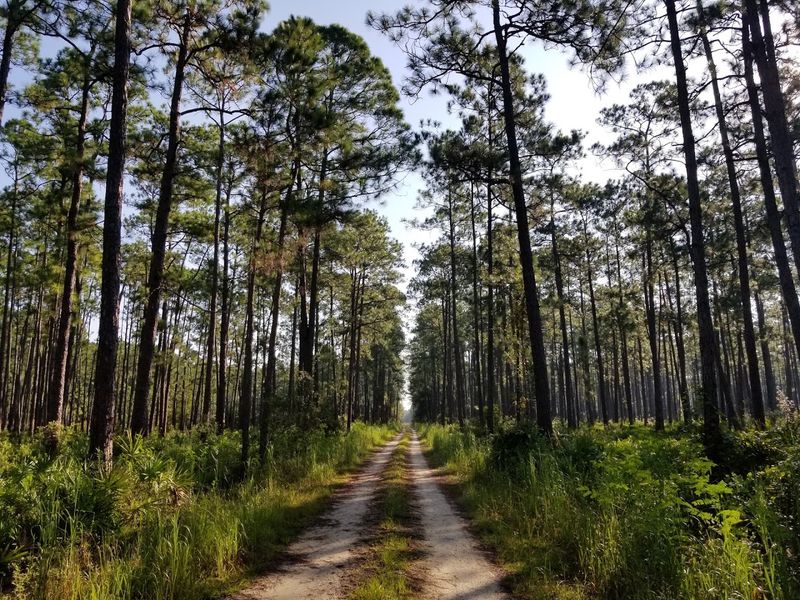
Trail enthusiasts hit the jackpot at Osceola with over 100 miles of paths designated for hiking, horseback riding, and off-road vehicles. The main forest roads stay accessible for regular cars, but the real fun begins when you venture onto smaller trails with a truck, ATV, or side-by-side. During dry months, you can cruise these trails at decent speeds, though dust masks and goggles become essential gear when riding with friends.
Equestrians particularly love the varied terrain, from sandy flatwoods to water crossings that keep horses engaged. ATV riders find plenty of challenging spots during wet season when certain areas flood, creating muddy obstacles perfect for testing your skills. Hikers can tackle sections of the Florida National Scenic Trail that cuts through the forest.
Trail conditions vary dramatically depending on recent rainfall. What’s bone-dry in March might be underwater in August. Locals recommend checking with forest rangers about current conditions before heading out.
Geocachers have hidden treasures throughout the trail system, adding a scavenger hunt element to your exploration. Just remember to bring a map because cell service gets spotty in remote sections.
5. Free Dispersed Camping Sites Scattered Throughout The Forest
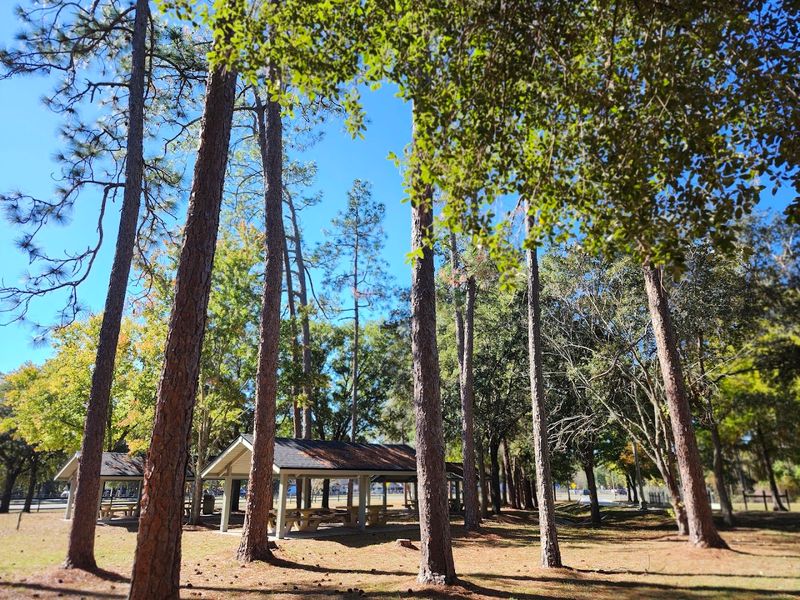
Budget campers celebrate the numerous free dispersed camping areas hidden throughout Osceola’s 200,000 acres. These primitive spots let you park your RV, pitch your tent, or set up a hammock camp for up to 14 days without spending a dime. You’ll find porta-potties and garbage collection at some locations, though don’t expect running water or electrical hookups.
The trade-off for free camping is solitude and flexibility. Pick a spot that suits your style, whether that’s deep in the woods or along a forest road with easier access. Class C motorhomes up to 30 feet can squeeze into larger clearings, though smaller rigs have more options.
Weekends bring more visitors, but weekday camping often means having entire sections to yourself.
Recent changes have removed some porta-potties from certain areas, disappointing tent campers who relied on those facilities. Smart campers bring their own portable toilet setup and practice leave-no-trace principles. The peaceful atmosphere, especially when hunting dogs aren’t training nearby, makes any minor inconveniences worthwhile.
Wildlife sightings are common, so secure your food and stay alert for bears, though they’re generally more scared of you than you are of them.
6. Excellent Fishing And Paddling On Ocean Pond And Waterways
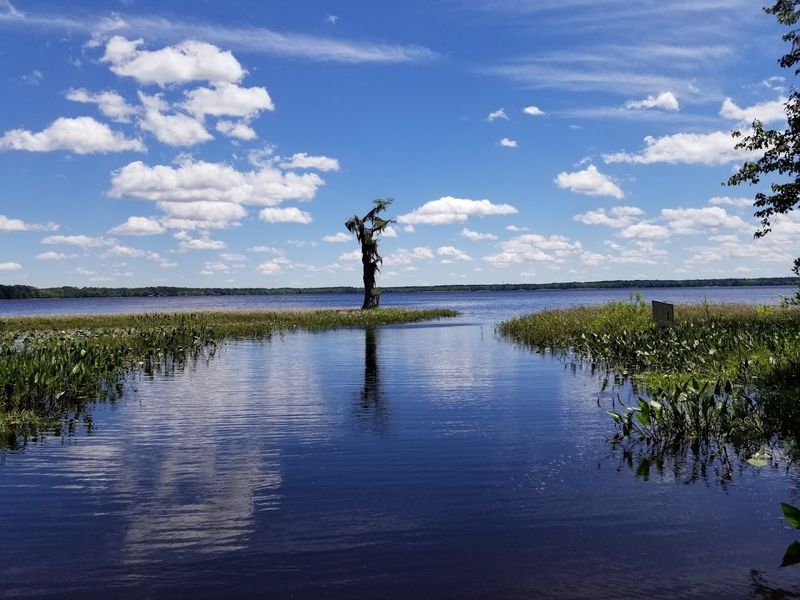
Anglers find plenty of action in Ocean Pond’s 1,760 acres of freshwater fishing. Bass, bream, and catfish all call these waters home, providing year-round opportunities to wet a line. The lake’s relatively undeveloped shoreline means you can find quiet fishing spots away from the main camping areas, especially if you have a kayak or canoe to reach more remote coves.
Paddlers love exploring the lake’s nooks and crannies, where cypress trees grow right out of the water and birds nest in the branches. The calm waters make it perfect for beginners, while the size gives experienced paddlers room to cover serious distance. Early morning paddles often reward you with wildlife sightings and mirror-like reflections before afternoon breezes ripple the surface.
Beyond Ocean Pond, smaller creeks and blackwater streams offer intimate paddling experiences through cypress tunnels. Water levels fluctuate seasonally, so spring and early summer typically provide the best conditions. Bring your own boat since rental options are limited in this remote area.
The refreshing water temperature stays comfortable enough for swimming during Florida’s long summer months, giving you multiple ways to enjoy these pristine aquatic environments.
7. Hunting Opportunities During Designated Seasons
Osceola National Forest provides extensive hunting opportunities during regulated seasons for deer, turkey, hogs, and small game. The 200,000 acres of diverse habitat support healthy wildlife populations that attract hunters from across the region. Turkey hunters particularly appreciate the spring season when gobblers sound off in the longleaf pines and hardwood hammocks.
Successful hunts require knowledge of the terrain and willingness to work for your game. The mix of open pine forests and thick swamps means animals have plenty of places to hide and feed. Deer hunting during fall and winter brings many visitors who combine camping at Ocean Pond with early morning hunts in the surrounding forest.
All hunting follows Florida Fish and Wildlife Conservation Commission regulations, with specific seasons and bag limits that change annually. Hunters need appropriate licenses and should check current rules before heading out. The forest also allows hunting dog training in designated areas, which explains the occasional barking visitors hear even outside hunting season.
If you’re camping during hunting season, wearing bright colors when hiking is smart. The combination of good habitat, reasonable access, and proper management makes Osceola a reliable destination for ethical hunters seeking wild game.
8. Wildlife Watching From Bears To Rare Woodpeckers
Nature lovers can spot an impressive variety of wildlife throughout Osceola’s diverse ecosystems. Black bears roam the forest, though they typically avoid humans and stick to remote areas. Gopher tortoises dig their burrows in sandy soils, creating homes that dozens of other species also use.
White-tailed deer browse along forest edges, especially visible during early morning and evening hours.
Bird watchers get particularly excited about the federally endangered red-cockaded woodpecker that nests in old-growth longleaf pines. These small black-and-white birds excavate cavities in living trees infected with red heart fungus, and spotting one requires patience and a good eye. The forest also hosts wild turkeys, various hawks, owls, and countless songbirds depending on the season.
Reptile and amphibian diversity is outstanding, with numerous snake species, frogs, and salamanders calling the swamps home. Alligators inhabit wetland areas and occasionally sun themselves along pond edges. Smart visitors keep a respectful distance from all wildlife and never feed animals.
Bring binoculars and a camera with a good zoom lens to capture sightings without disturbing the creatures. The variety of habitats packed into this national forest creates exceptional biodiversity that rewards patient observers.