This 4-Mile Trail Feels Nothing Like Florida, With Caves, Rock Walls, and a Huge Sinkhole
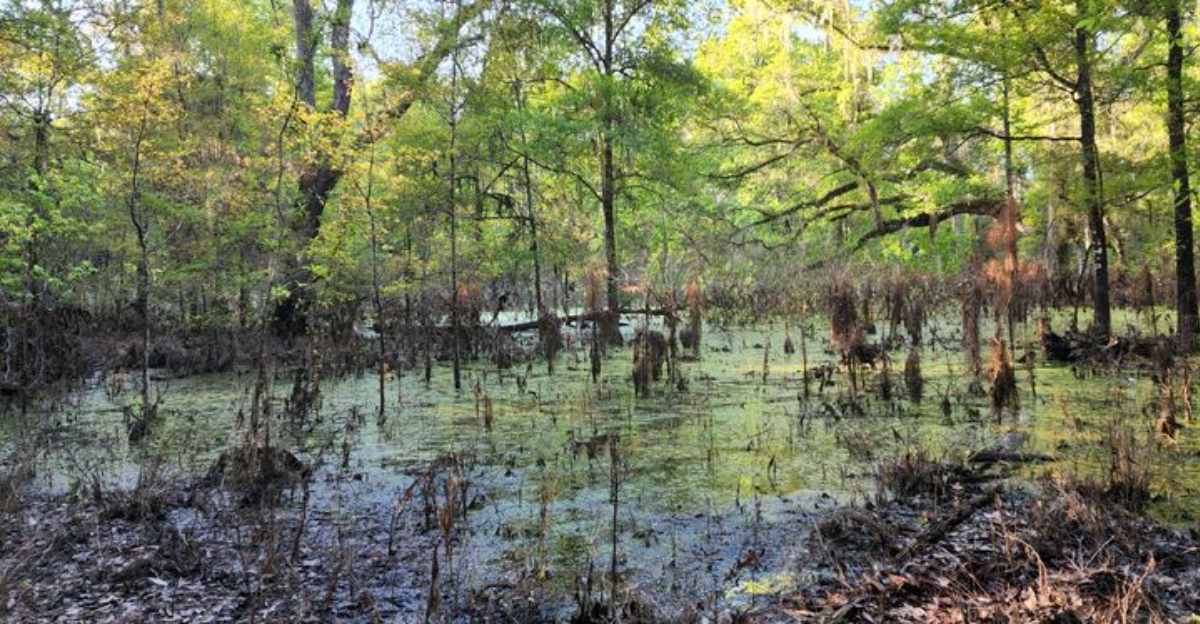
Ready to hike a part of Florida that feels more like Tennessee limestone country than sandy flatlands? The Trail to Lizzie Hart Sink winds past rock walls, exposed karst, and a dramatic sinkhole that shifts with the seasons. Expect roots, uneven limestone, and a quiet, off the radar vibe thanks to a brushy trailhead.
If you crave solitude and scenery that surprises you at every turn, this four mile out and back delivers.
1. Finding the Hidden Trailhead and First Fork
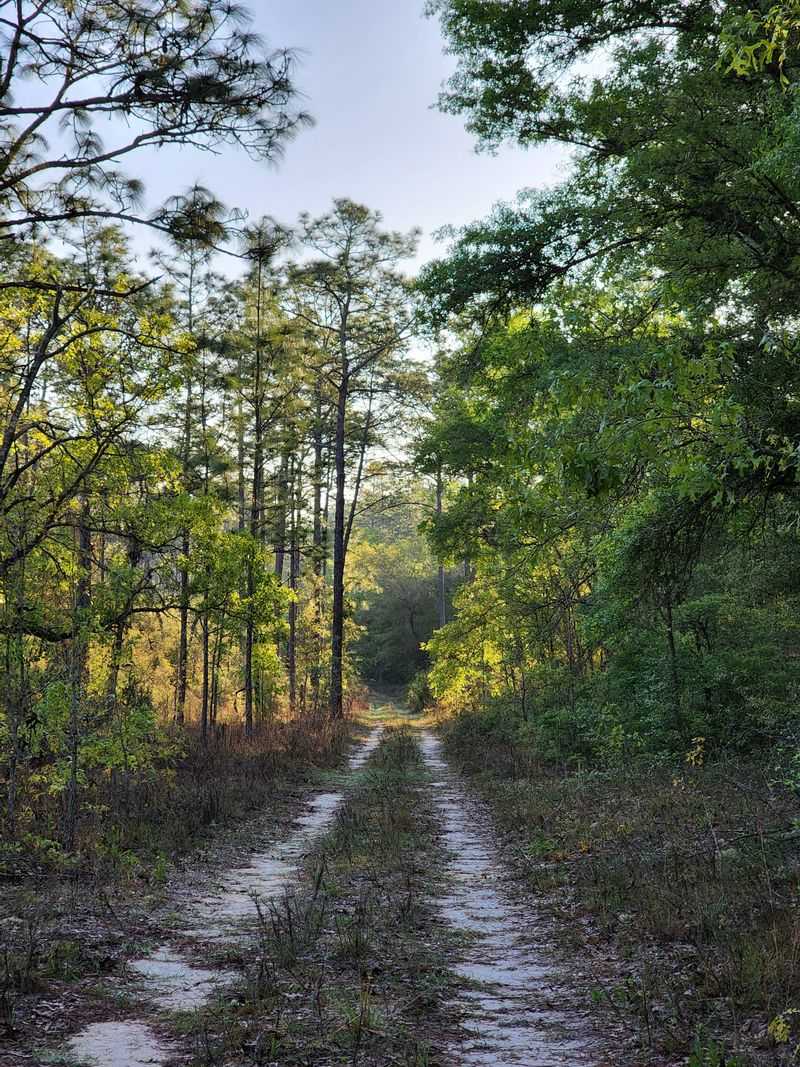
The start can look closed at first glance, with brush and limbs disguising the entrance off Stage Coach Trail. Do not panic. Walk around the debris to pick up Forest Road 15 heading north, where the corridor opens and the quiet settles in fast.
Very shortly, watch for the fork and take a left zag, as locals mention. Miss it and you will wander needlessly. Yellow paint blazes appear here and there, guiding you toward the Florida Trail junction.
This opening stretch parallels private property to the left, so keep respectful distance and stay on the roadbed. The vibe is instant tranquility thanks to near zero traffic. You will hear birds, not engines.
2. Forest Road Stroll Beside Farmland
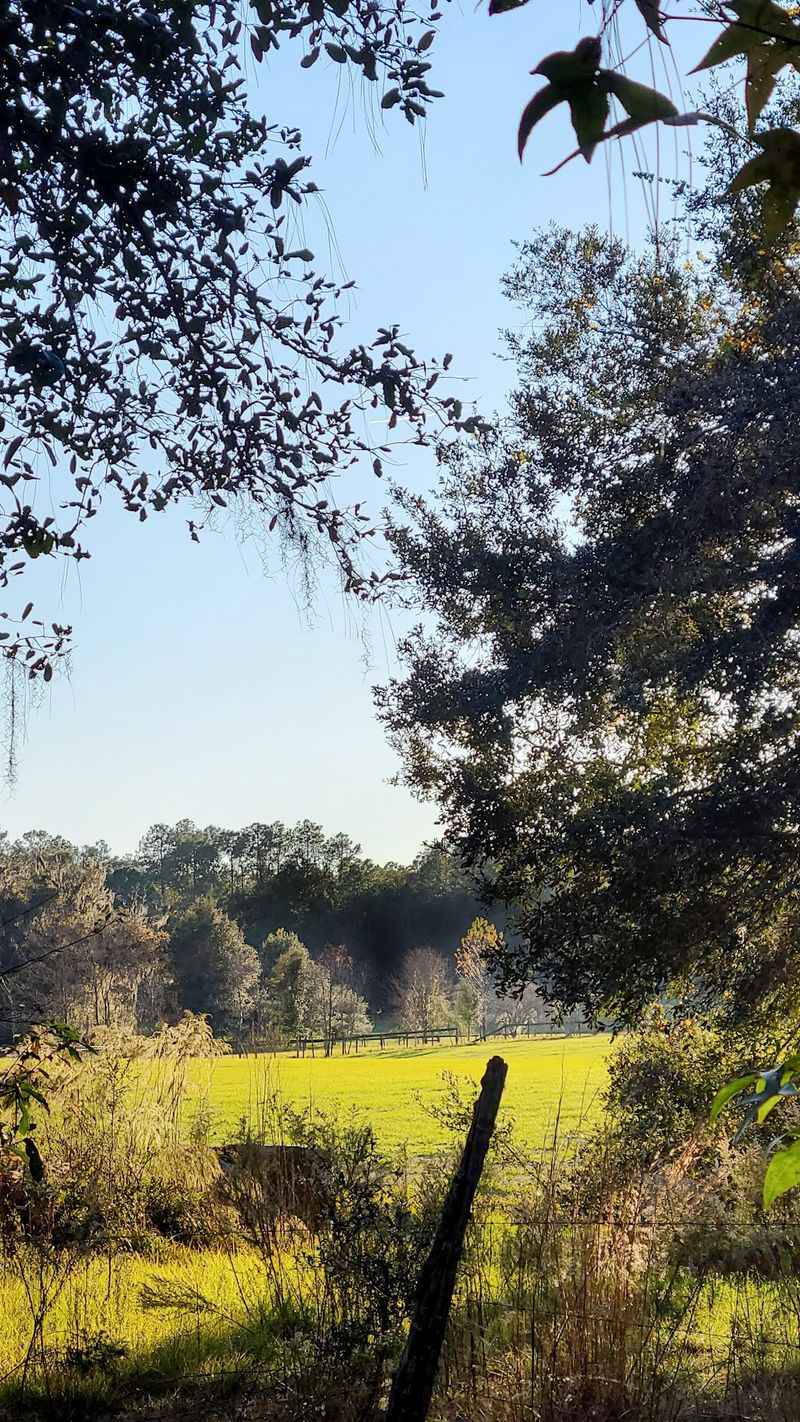
Once you pass the first zag, the route flows along a forest road that shadows pretty farmland. On your right, pines, oaks, and palmettos keep shade generous. On your left, open pasture and fences lend a pastoral calm, making the miles feel easy.
It is Florida, yet not the beachy postcard. Expect mild elevation undulations, hardpack sand, and limestone pebbles underfoot. You will likely meet no one, which makes the birdsong pop.
Look for wildflowers in spring and fluttering butterflies cruising the edge habitat. Keep an eye out for deer, and if lucky, a bobcat slipping through the brush. This peaceful segment sets the tone before the rockier fun begins.
3. Joining the Florida Trail
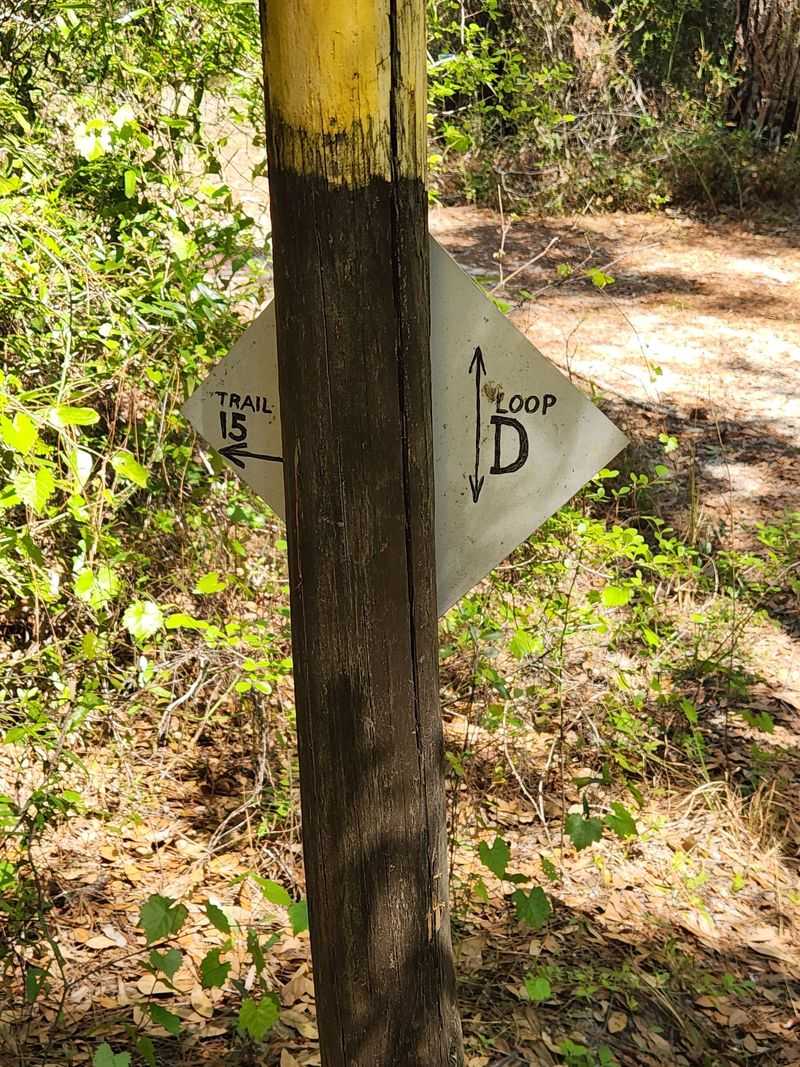
Eventually the forest road meets the Florida Trail, and that is your sign to turn left toward Lizzie Hart Sink. Orange blazes appear consistently, though spacing varies. The tread narrows to singletrack, with roots and limestone knobs testing your attention.
Right at this junction would lead to Brush Sink and back to Stage Coach Trail, but left is your destination. Scan for yellow paint marks and occasional signs that confirm you are aimed correctly. Step carefully, as rock and root trip hazards are common.
The canopy grows thicker, light dims pleasantly, and the air cools. It feels like a different state altogether, carved by water and time. Keep moving steadily and the terrain begins to express stone.
4. Rock Walls and Caves
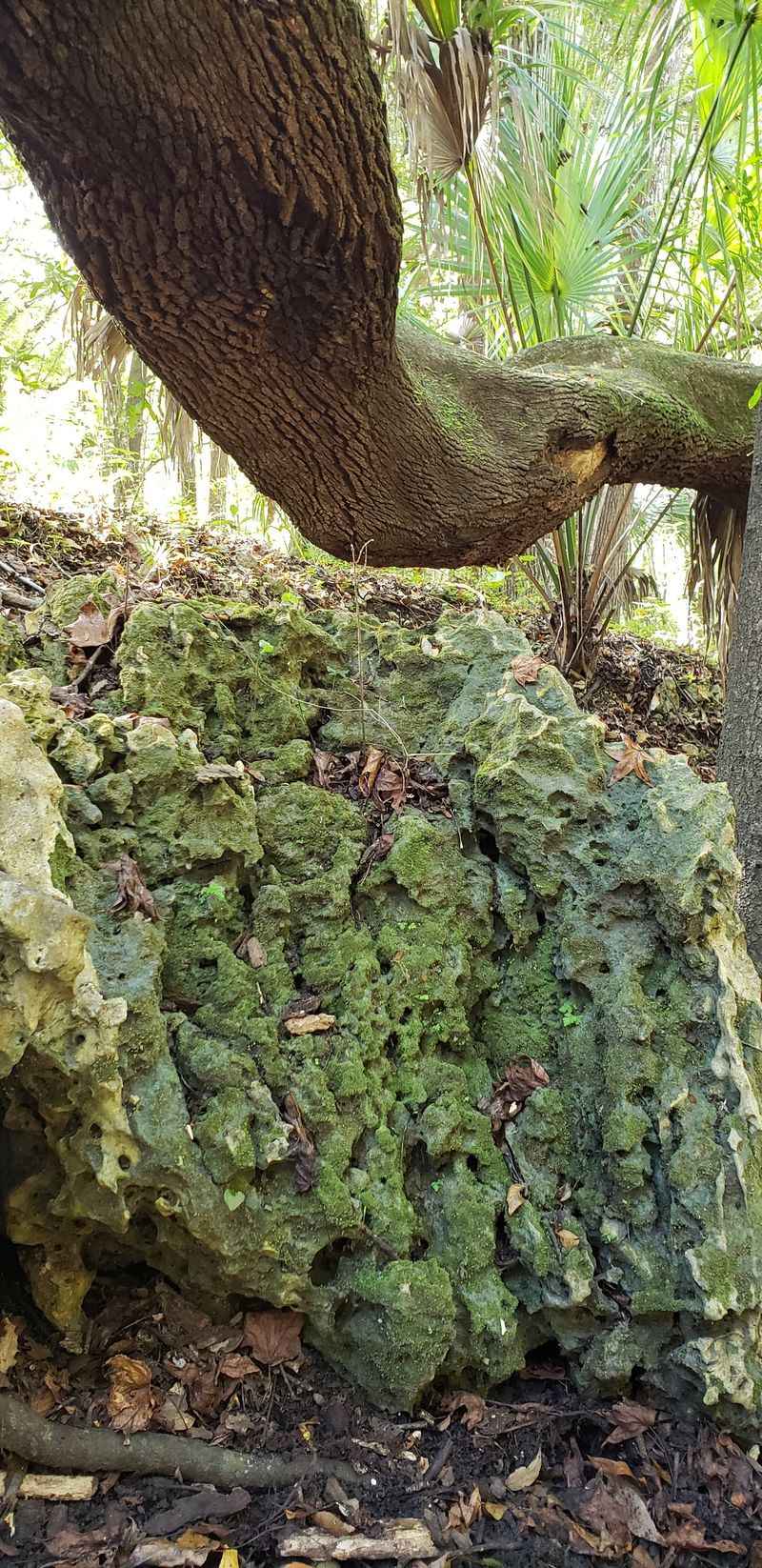
This is where the trail earns its not Florida reputation. Limestone outcrops jut from the ground, pocked with solution holes and shallow caves. The rock walls feel ancient, like exposed ribs of the landscape guiding your steps.
Watch footing on uneven stone and slick patches after rain. Trekking poles help with micro steps up and down short ledges. Every bend reveals textures that look more Appalachian than peninsula.
Pause to listen. Water once sculpted these corridors, and in wet months you might hear drips echoing in small cavities. It is rugged in a charming way, photogenic yet honest, with roots, shadows, and lime dust on your boots.
5. Reaching Lizzie Hart Sink
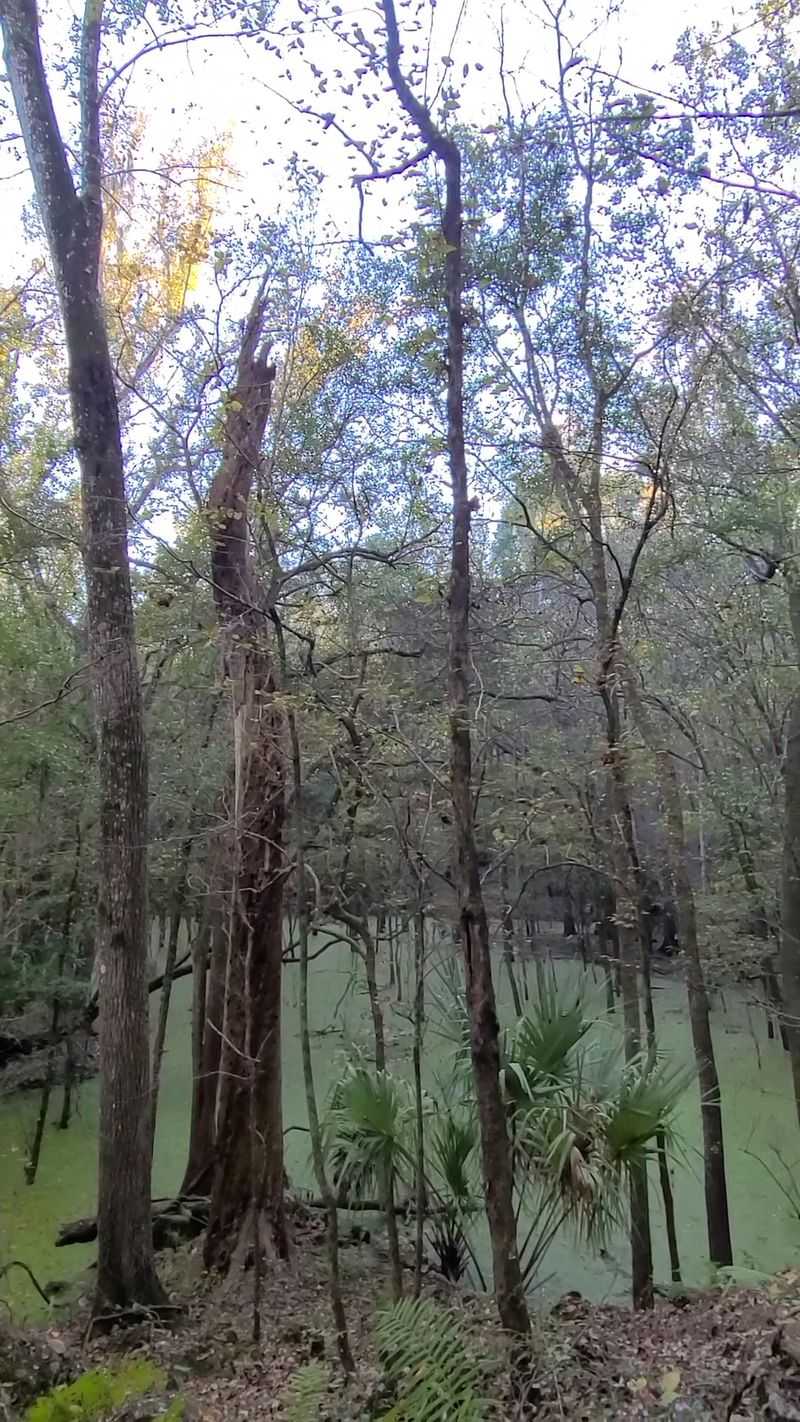
The sinkhole arrives suddenly, a broad limestone bowl cupping seasonal water. In dry spells, the basin can look cracked and muted, as recent hikers noted. After storms and summer rains, it swells with reflective green, doubling the forest sky.
Stay back from undercut edges and do not scramble into unstable sections. The geology here is active, with voids hidden by leaf litter. Treat it like a living feature, beautiful but serious.
Settle for a snack on solid ground and soak in the calm. You earned a scene few Floridians expect. Then retrace your steps, letting the rock corridors guide you back toward the orange blazes.
6. Safety, Access, and Timing Tips
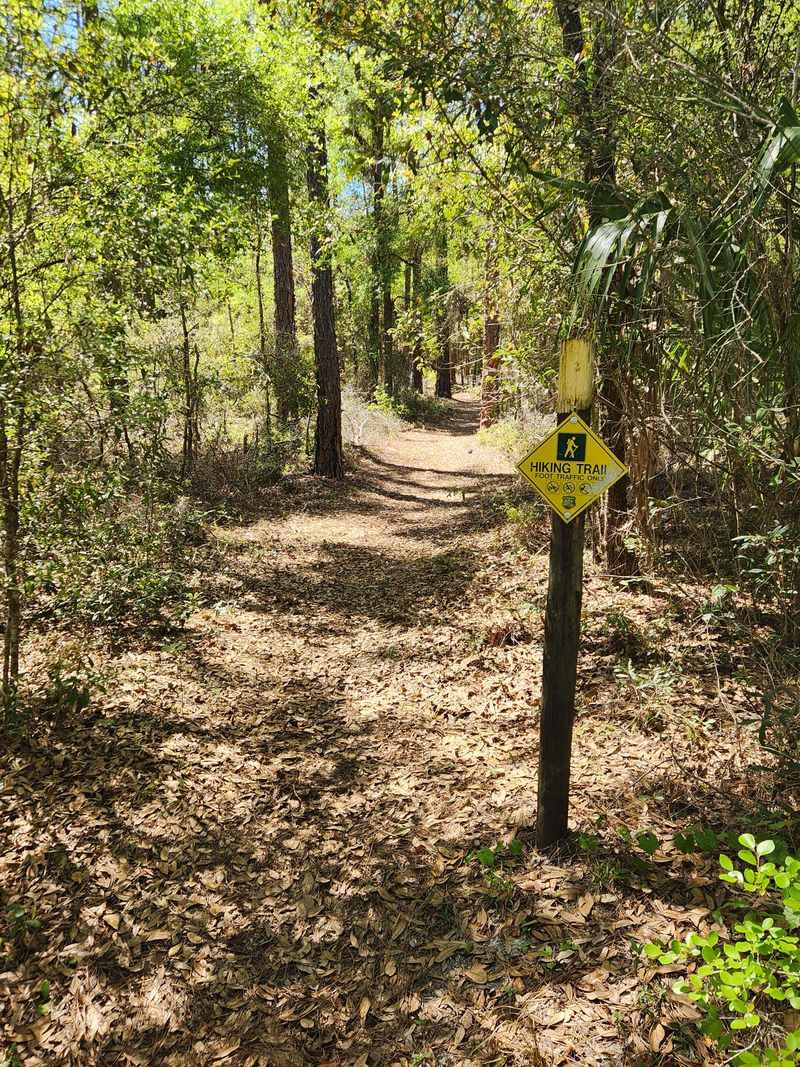
Conflicting reports claim the route is closed, but locals say brush only masks the start. Respect posted signs, avoid any gated no trespassing areas, and stay on the established corridor. If debris blocks the opening, carefully walk around where permitted and verify blazes.
Wear grippy shoes for rock and root hazards. Summer heat and storms build fast, so start early, carry water, and watch radar. In wet season, expect higher water at the sink; in drought, mostly dry.
Wildlife is real here. Give deer and bobcats space. A four mile out and back takes about 45 to 90 minutes depending on photos, rock pacing, and how long you linger at the sink.