This Beach Town Is Famous for Its Sunrise Shelling Tradition
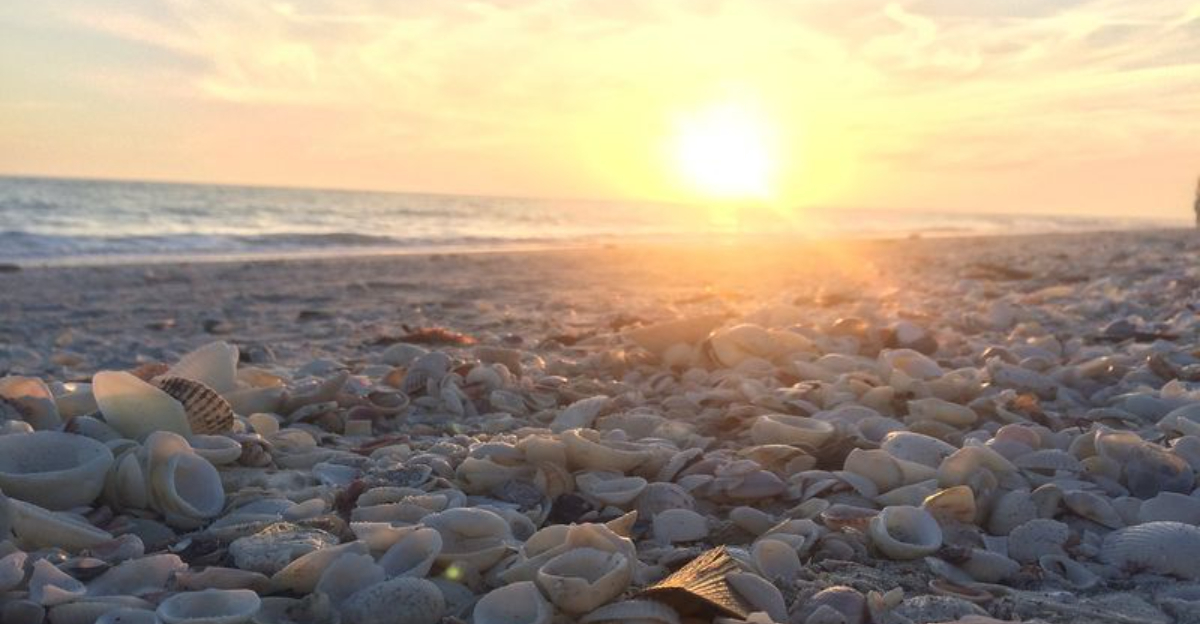
Sanibel Island sits tucked along Florida’s Gulf Coast like a treasure chest waiting to be opened. Every morning before most people pour their first cup of coffee, locals and visitors alike head to the shoreline in what’s become known as the “Sanibel Stoop”—a bent-over stance shell hunters adopt while scanning the sand for perfect specimens. This quirky island tradition has turned Sanibel into one of the world’s best shelling destinations, where the beaches practically shimmer with colorful shells deposited by the Gulf’s unique currents and the island’s east-west orientation.
1. The Magic Behind Sanibel’s Shell Bounty
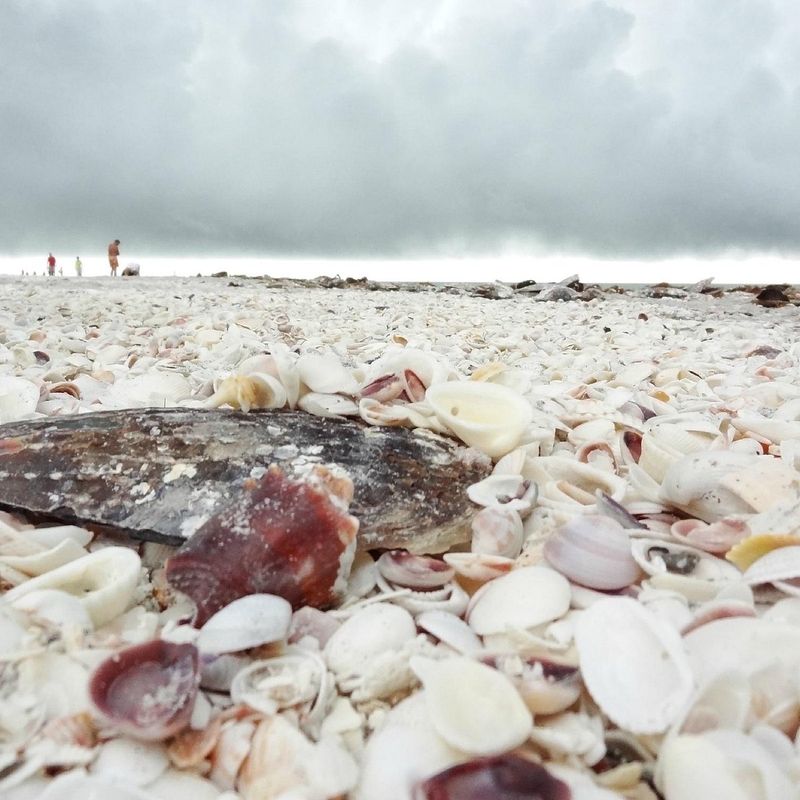
Most Florida beaches run north to south, but Sanibel breaks the mold. The island juts out perpendicular to the coastline, acting like a natural net that catches shells swept along by Gulf currents. When storms churn up the ocean floor or tides shift just right, millions of shells tumble onto these shores in spectacular displays that make collectors weak in the knees.
Over 400 species of shells have been documented here, from tiny coquinas to giant horse conchs. Lightning whelks, sand dollars, fighting conchs, and the prized junonia all call these waters home. The variety is staggering compared to other beaches, where you might find a handful of broken fragments if you’re lucky.
Timing matters more than you’d think. Low tide reveals the best hunting grounds, and mornings after storms often deliver the motherload. Winter months tend to bring stronger shells to shore, while summer offers warmer wading conditions.
Experienced shellers check tide charts like stockbrokers watch market trends, planning their beach walks down to the hour for maximum shell payoff.
2. Mastering the Sanibel Stoop
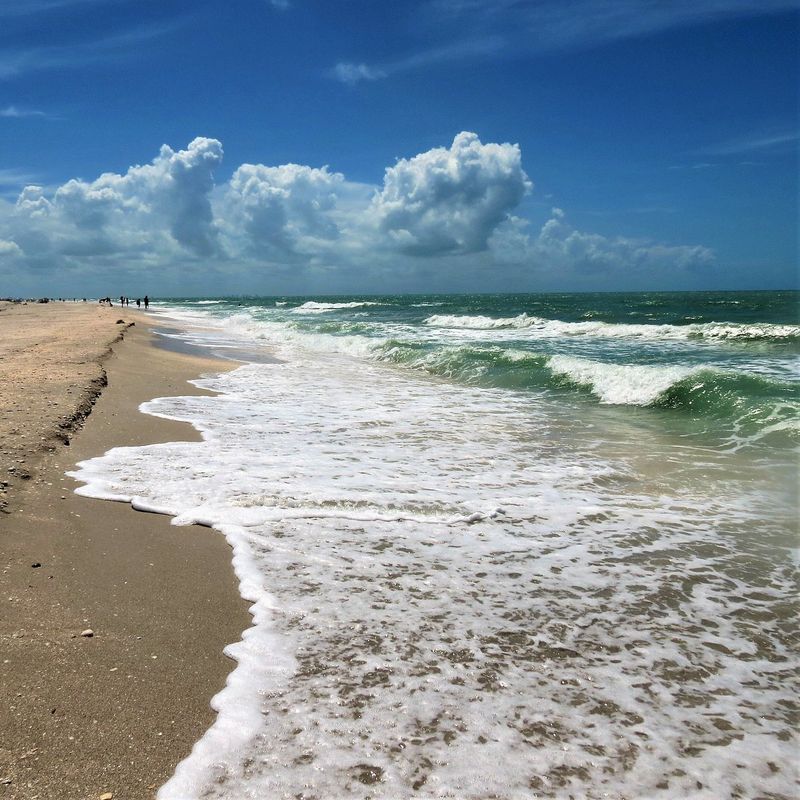
Walk any Sanibel beach at dawn and you’ll spot them—rows of people bent at the waist, shuffling slowly along the waterline like human metal detectors. This signature posture has earned its own name: the Sanibel Stoop. Your lower back might protest after an hour, but serious shellers swear the temporary discomfort is worth every spectacular find.
Smart hunters bring mesh bags or buckets with handles to free up both hands for sifting. Some invest in shell scoops—long-handled tools that let you rake through sand without bending quite so dramatically. Polarized sunglasses cut through water glare and help you spot submerged treasures before waves claim them back.
The unwritten rules are simple but sacred. Take only empty shells—live creatures still need their homes. Respect the three-shell limit for certain protected species.
Rinse your finds in the Gulf rather than hogging bathroom sinks at public facilities. Most importantly, share your excitement when someone near you discovers something amazing, because shell enthusiasm is wonderfully contagious on this island.
3. Bowman’s Beach: The Sheller’s Secret Weapon
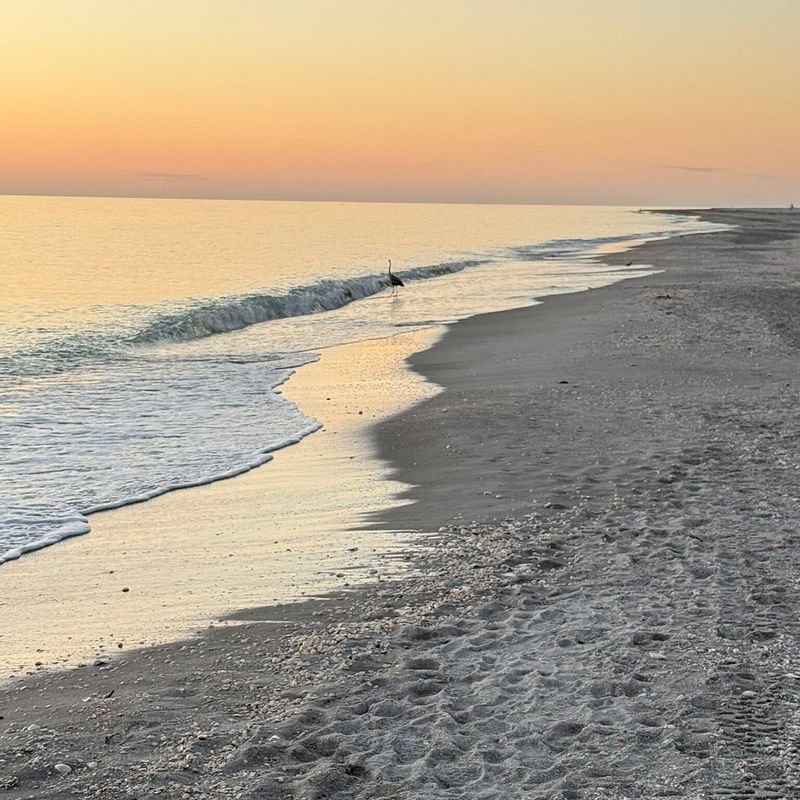
Bowman’s Beach doesn’t scream for attention like some of Sanibel’s more famous spots, which is exactly why seasoned shellers adore it. Located on the island’s western end, this beach requires a bit more effort to reach—you’ll walk a winding boardwalk through native vegetation before sand meets your toes. That extra distance keeps crowds thinner and shells more plentiful.
The beach curves gently, creating pockets where shells accumulate in concentrated drifts. After high tide recedes, these collection zones can look like nature’s own gift shop exploded across the sand. Calico scallops, cockles, and colorful coquinas pile up in rainbow-hued windows that make photographers swoon.
Facilities include restrooms and outdoor showers, plus ample parking for a small fee. The beach allows dogs during certain hours, so you might share your shelling expedition with happy pups splashing through the shallows. Arrive within an hour of sunrise for the best selection, before other early birds claim the premium specimens.
Bring water and snacks since you’ll likely lose track of time once the hunting begins.
4. Lighthouse Beach and Its Fishing Pier Advantage
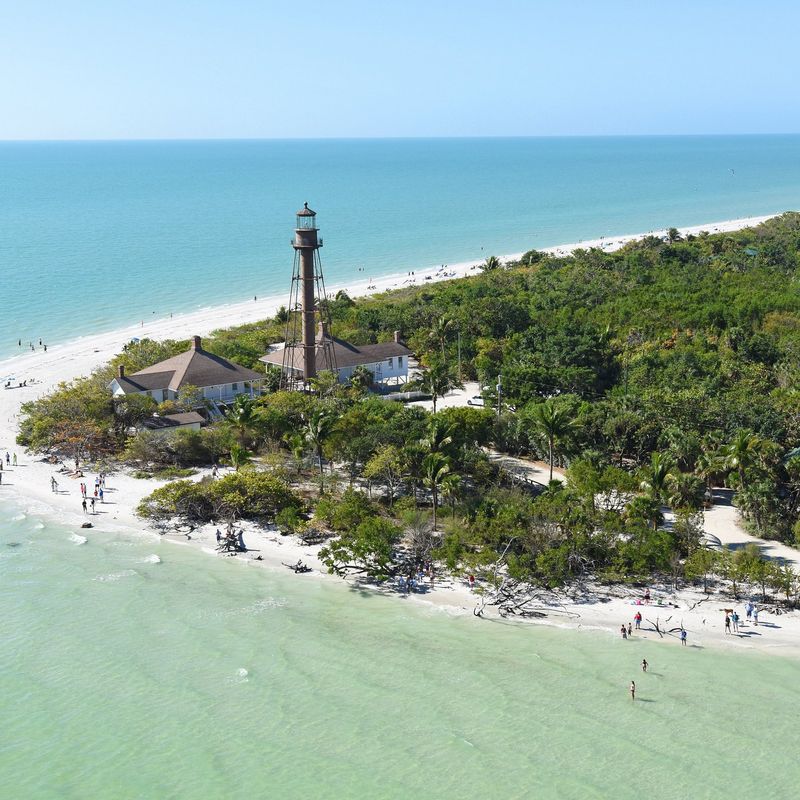
The historic Sanibel Lighthouse stands guard over the island’s eastern tip, and the beach surrounding it delivers shelling opportunities with a bonus view. What gives this spot an edge is the fishing pier jutting into the Gulf—its pilings disrupt water flow and create swirling currents that deposit shells in unexpected patterns along the shore.
You’ll find parking right near the beach, though spaces fill quickly on weekends and during peak winter season. The lighthouse itself, built in 1884, makes for fantastic photos when the morning sun backlights its iron frame. Many shellers work the beach on both sides of the pier, comparing finds and swapping stories about their best discoveries.
This beach tends to yield larger shells than some other island spots. Horse conchs, whelks, and substantial sand dollars turn up regularly, especially after storms push deeper water treasures toward shore. The mix of shell sizes means both serious collectors and families with young kids find something to celebrate.
Just watch for the occasional fishing line if you wander near the pier—anglers and shellers peacefully coexist here, each pursuing their own version of the perfect catch.
5. Turner Beach: Where Two Islands Meet
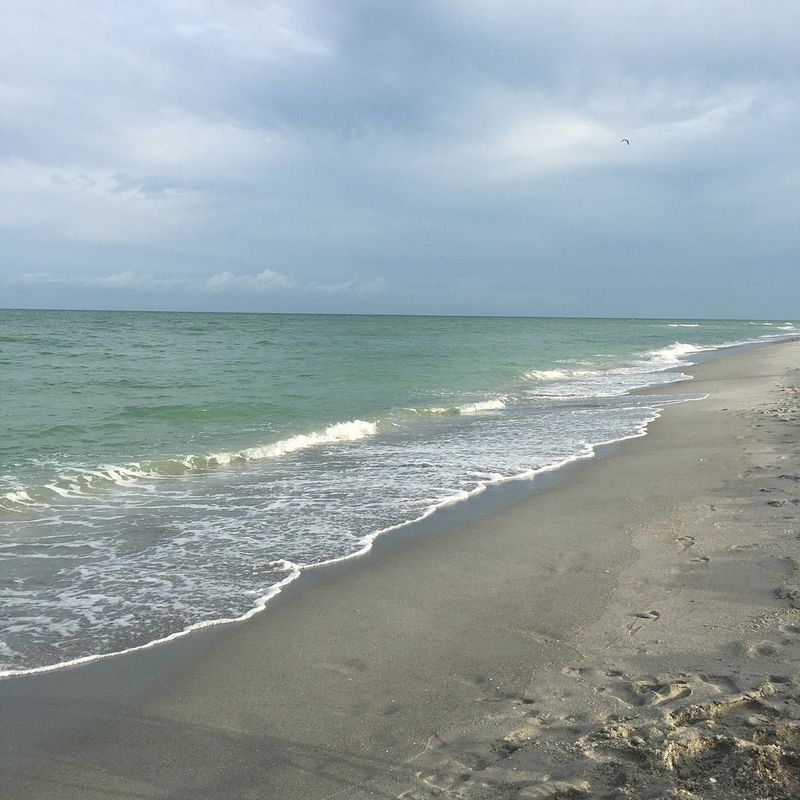
Right where Sanibel kisses its neighbor Captiva, Turner Beach hugs both sides of Blind Pass. Strong tidal currents squeeze through this narrow channel, creating a shell superhighway that dumps treasures on both banks. The water moves fast here, constantly refreshing the beach with new specimens that make repeat visits worthwhile even within the same day.
Parking is limited and competitive, so arriving before 7 a.m. during busy season isn’t paranoid—it’s strategic. The beach itself is narrower than some other island spots, which concentrates shells into tighter bands that make scanning easier. You’ll often find unusual specimens here that currents carried from deeper water, including the occasional rare junonia that makes collectors’ hearts race.
The pass separating the islands creates dramatic scenery as boats navigate between the Gulf and Pine Island Sound. Dolphins frequently cruise through, and pelicans dive-bomb the current-rich waters for breakfast. Bring sturdy water shoes since shells can be sharp when densely packed, and be mindful of the strong currents if you wade in—this isn’t the spot for casual swimming, but it’s absolutely golden for serious shelling.
6. The Bailey-Matthews National Shell Museum
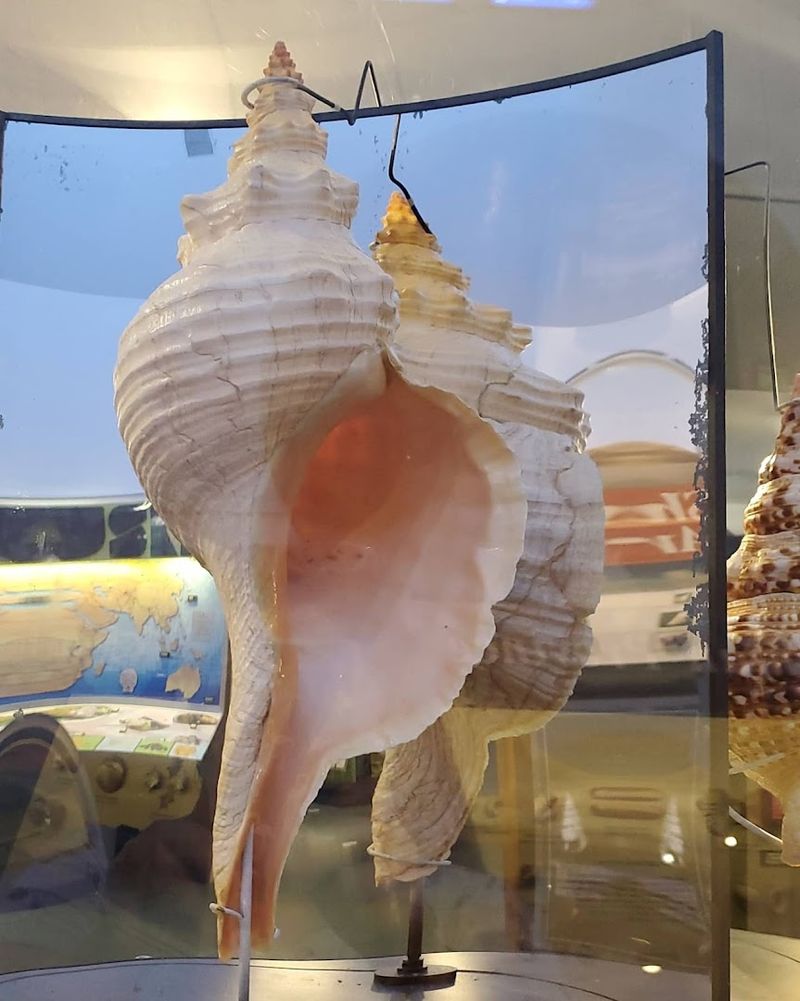
After hours of beachcombing, you’ll probably wonder about the names and stories behind your finds. The Bailey-Matthews National Shell Museum exists solely to answer those questions and deepen your appreciation for these calcium carbonate wonders. It’s the only museum in the United States devoted entirely to shells, and spending an hour here transforms casual collectors into educated enthusiasts.
Massive display cases showcase shells from around the world, organized by scientific family and geographic origin. Interactive exhibits explain how mollusks create their protective homes, why shells display such incredible variety in shape and color, and which species live in local waters. Kids love the touch tanks where they can gently handle live mollusks and watch them respond.
The museum’s Great Hall of Shells is genuinely breathtaking—a two-story display featuring specimens from every corner of the globe. You’ll see shells so rare and valuable they’re kept under special lighting, alongside common varieties you probably walked past on the beach that morning. Educational programs run regularly, teaching proper collecting techniques and conservation principles.
Before you leave, browse the gift shop where shell-themed books, jewelry, and identified specimen sets make perfect souvenirs that actually mean something.
7. Shell Etiquette and Conservation Rules
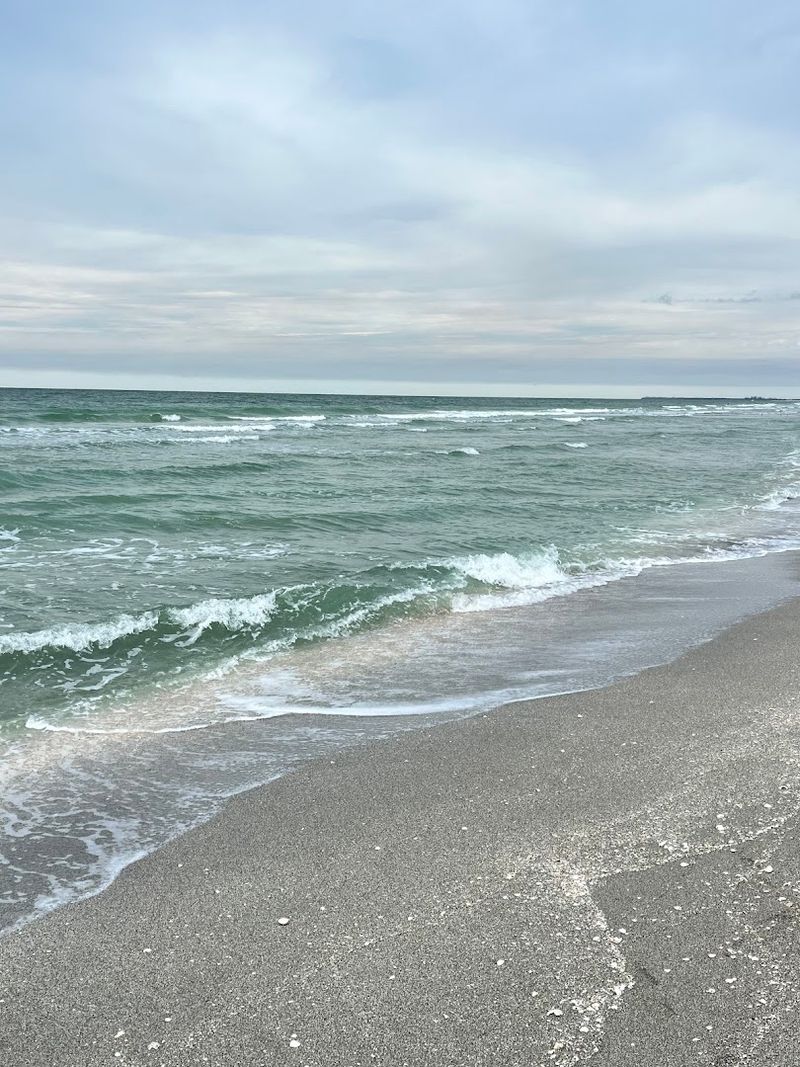
Sanibel takes shell conservation seriously, and visitors who ignore the rules face real consequences. The most important principle is simple: if it’s occupied, leave it alone. Taking live shells—those still housing their mollusk creators—is illegal and carries hefty fines.
Even if you think the creature inside looks dead, return anything questionable to the water and let nature decide.
Certain species have collection limits regardless of whether they’re empty. You can only take two live sand dollars per person, and regulations protect horse conchs over a certain size. Rangers patrol beaches and aren’t shy about checking bags when they suspect violations.
The rules exist because Sanibel’s shell populations faced serious pressure from over-collecting in past decades.
Beyond legal requirements, consider the ecosystem impact. Hermit crabs desperately need empty shells for homes as they grow, so leaving some behind helps these charming creatures survive. Shells also break down over time, returning minerals to the beach system.
Take your favorites, photograph the rest, and feel good knowing future visitors will enjoy similar treasures. The island’s shelling tradition only continues because most people respect these boundaries and prioritize conservation over collection.
8. Planning Your Sunrise Shelling Adventure
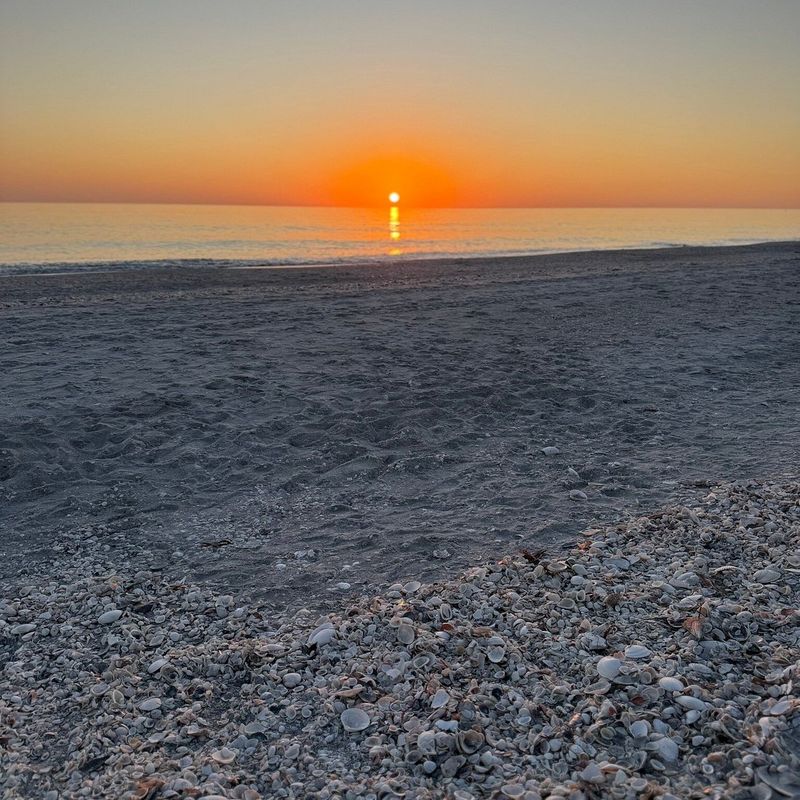
Your alarm will ring while it’s still dark, but trust the process—the best shelling happens in those magical moments when night surrenders to dawn. Check tide charts before you go to bed and aim to hit the beach within an hour of low tide. Moon phases matter too, with new and full moons creating especially low tides that expose wider shell beds.
Pack smart for comfort and success. Mesh bags breathe better than plastic and rinse clean easily. A small cooler with ice keeps water cold during your hunt.
Sunscreen goes on before you leave your room because UV rays strengthen quickly once the sun clears the horizon. A headlamp helps you navigate beach access paths in pre-dawn darkness.
Most importantly, manage your expectations while staying open to wonder. You might not find a junonia on your first trip, or even your tenth. But you’ll absolutely discover beautiful shells, breathe salt air as the world wakes up, and participate in a tradition that connects you to generations of shellers who’ve walked these same beaches.
That $6 causeway toll becomes the bargain of a lifetime when you’re standing ankle-deep in the Gulf, watching sunrise paint the sky while perfect shells appear at your feet.