This Downtown Tampa Museum Is One Of The Most Fun Places To Take Kids In Florida
Downtown Tampa hides a treasure that turns ordinary weekdays into epic adventures for kids. The Glazer Children’s Museum sits right in the heart of the city at 110 W Gasparilla Plaza, where three floors of hands-on exhibits transform learning into pure joy. Whether your little ones want to steer ships through a miniature harbor, dress up as firefighters, or dig for dinosaur bones, this place delivers nonstop action that somehow sneaks in education when nobody’s looking.
1. Water Play Zone That Makes A Splash
Right when you walk into the first floor, you’ll spot the massive water exhibit that pulls kids like a magnet. This isn’t your backyard kiddie pool situation. We’re talking about a full-scale miniature harbor where children can roll balls through port systems, operate cranes, and watch fog and rain effects create mini weather patterns.
The conveyor belt system features different gates and pathways that teach STEM concepts without feeling like school. Kids can draw islands on slate boards using water pens, then watch their creations disappear and start fresh. There’s even a small hurricane feature that demonstrates water movement in storms.
Parents should definitely pack extra clothes or grab one of the splash bibs the museum provides. Your kids will get wet, but that’s half the fun. The interactive walls let children steer boats and control various water mechanisms, keeping them engaged for surprisingly long stretches.
This zone works perfectly for multiple age groups since toddlers can splash safely while older elementary kids dive into the more complex engineering challenges. The area teaches water cycles, physics, and weather patterns through pure play.
2. Pretend Publix Supermarket Experience
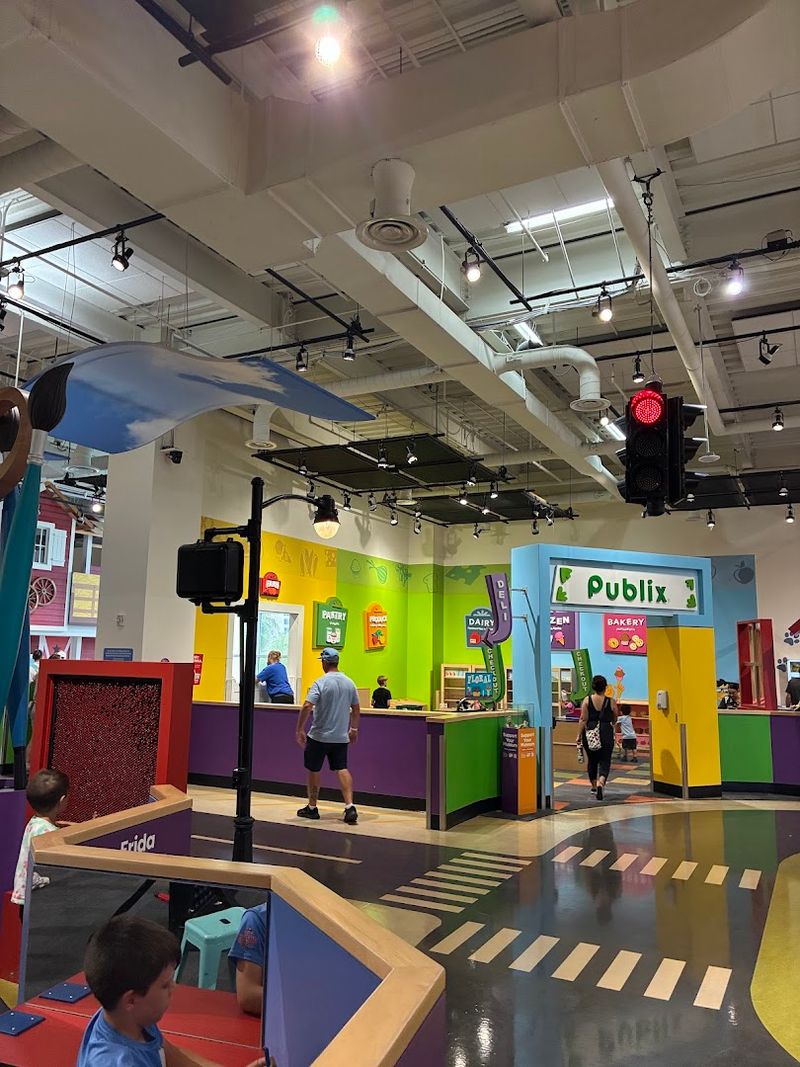
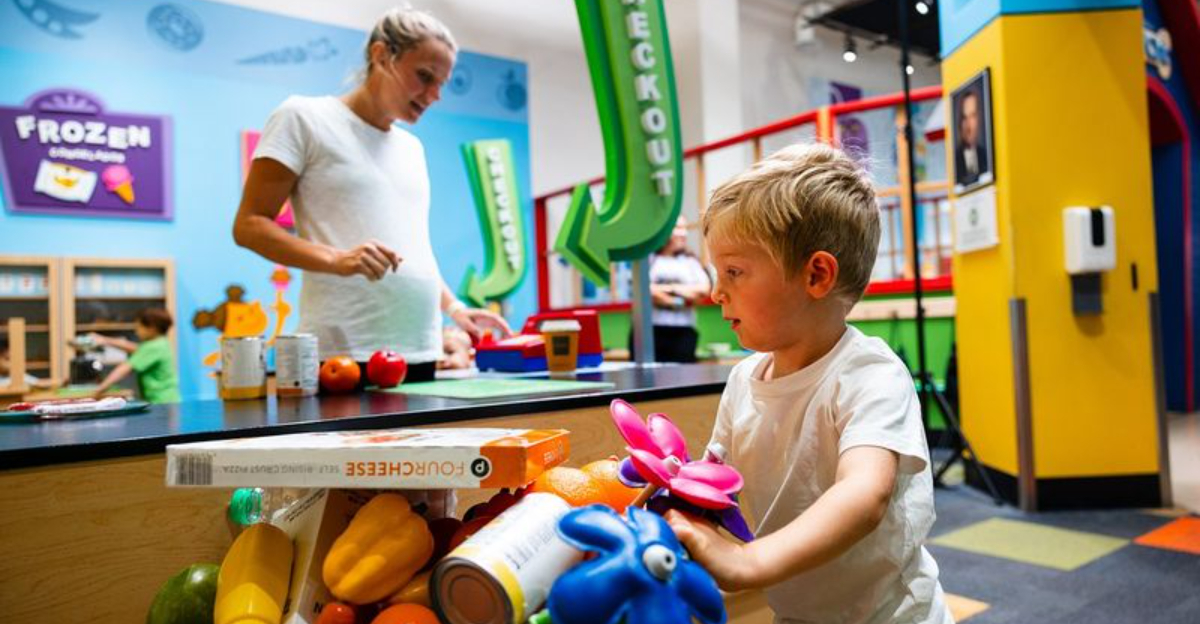
Kids absolutely lose their minds over the miniature Publix where they can live out their grocery shopping fantasies. This isn’t some half-hearted setup with a few plastic vegetables. The museum created a legit scaled-down supermarket complete with shopping carts, checkout lanes, and tons of pretend food items.
Children can take turns playing cashier, scanning items and bagging groceries for their friends. Others push carts around, selecting products from shelves stocked just like the real thing. The role-playing opportunities teach money concepts, social skills, and basic math without anyone realizing they’re learning.
What makes this exhibit brilliant is how it mirrors real Florida life. Publix is such a cultural touchstone here that kids genuinely recognize the experience. They’re not just playing store; they’re recreating trips they’ve actually taken with their parents.
The exhibit encourages cooperation as kids work together to complete shopping trips or manage the checkout counter. Parents often find themselves impressed by how long this relatively simple concept holds attention. Something about the familiar setting mixed with control over the experience creates magic for young minds.
3. Firefighter Station With Real Gear
Every kid dreams of being a firefighter at some point, and this exhibit lets them test drive the experience. The fire station comes loaded with authentic-looking gear including helmets, jackets, and all the accessories real firefighters use. There’s even a vehicle setup so children can understand basic operations.
The hands-on nature means kids aren’t just looking at displays behind glass. They’re actually putting on the equipment, climbing into the truck, and acting out emergency scenarios. This type of immersive play builds confidence while teaching important lessons about community helpers.
Parents love watching their children’s faces light up when they slide down the pole or grab the fire hose. The exhibit does an excellent job balancing fun with education about fire safety. Kids leave knowing more about what firefighters do and why their work matters.
The station area typically stays busy but never feels overcrowded thanks to smart design. Multiple kids can engage with different aspects simultaneously, whether they’re gearing up, exploring the vehicle, or learning about emergency response. It’s one of those exhibits that appeals equally to boys and girls despite old stereotypes.
4. Hospital And Veterinary Clinic Combo
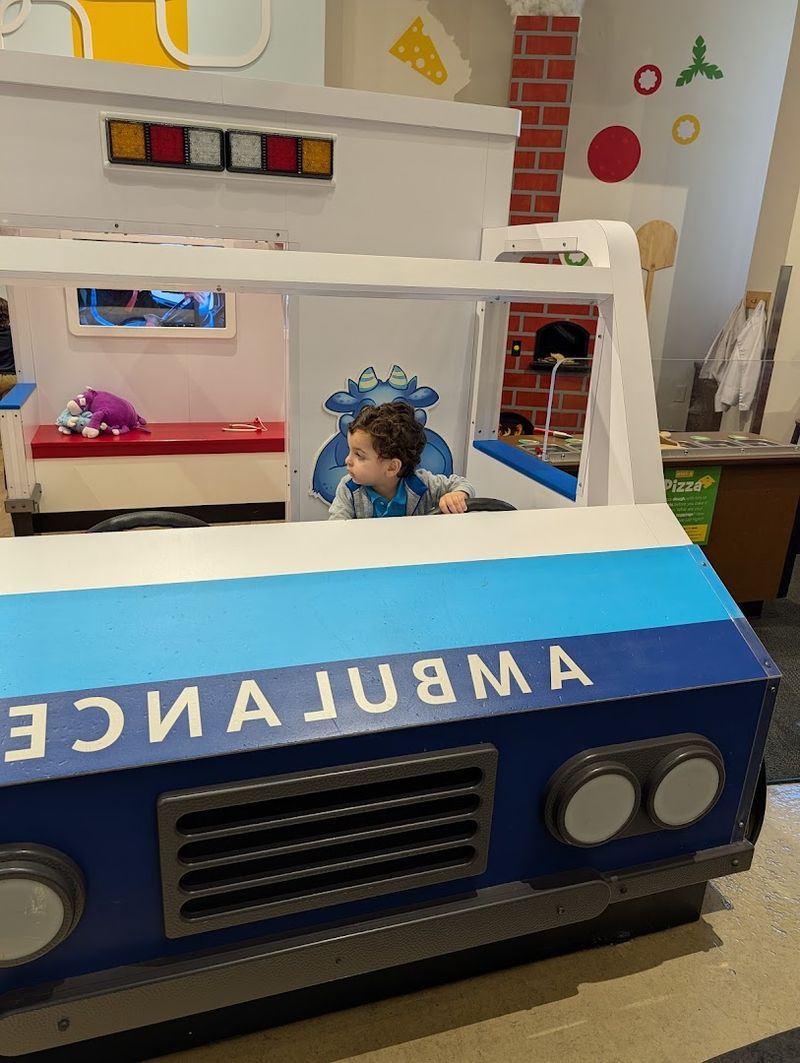
Medical play gets taken to the next level with exhibits covering both human and animal healthcare. The hospital section features examination tables, X-ray machines, CT scanning displays, and even a full ambulance loaded with real medical accessories. Kids can explore different body systems through interactive displays that make anatomy actually interesting.
The veterinary clinic lets animal-loving children treat pretend pets while learning about compassionate care. This dual setup teaches empathy alongside basic medical knowledge. Children rotate through different roles, sometimes playing doctor or vet, other times acting as patients or pet owners.
What sets this exhibit apart is the attention to realistic detail. The ambulance isn’t just a painted box; it’s equipped like actual emergency vehicles. The medical tools look and feel authentic enough that kids take their role-playing seriously.
Parents appreciate how this area demystifies medical settings that might otherwise seem scary. When children have positive, playful interactions with doctor’s offices and hospitals, they often feel less anxious about real appointments. The vet clinic adds an extra dimension that connects to many kids’ love of animals.
5. Movie Theater With Full Production Setup
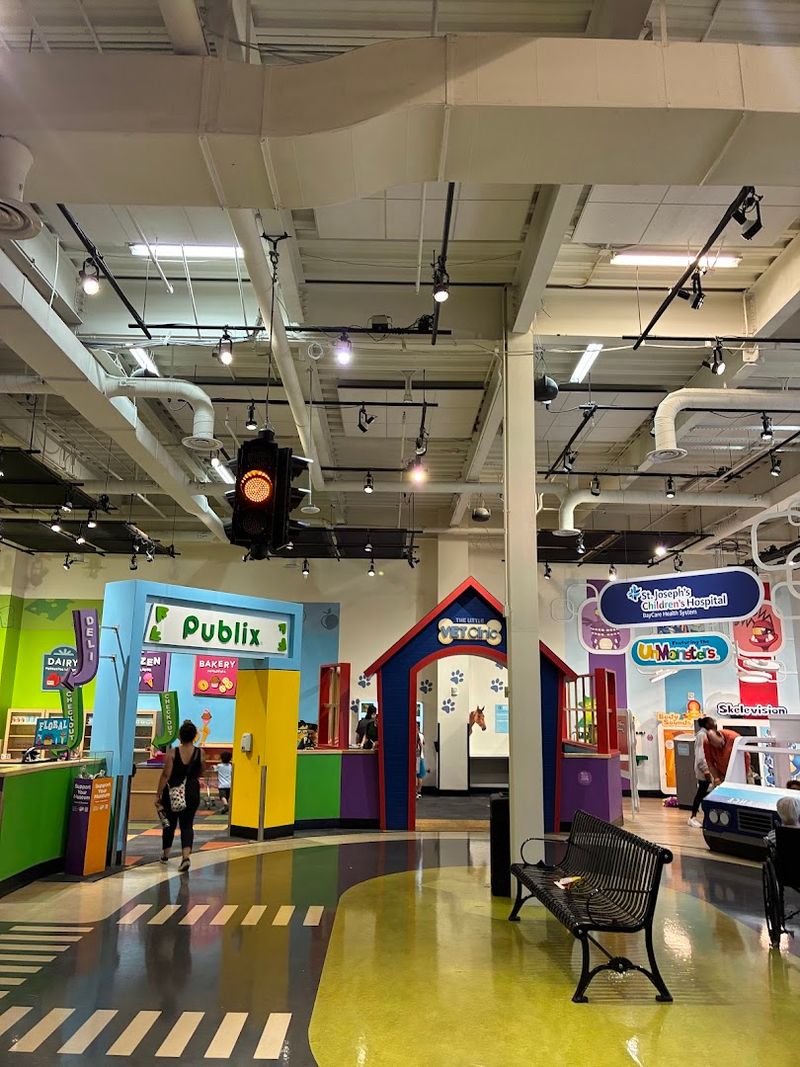
Budding performers find their spotlight in the complete movie theater that lets kids control every aspect of production. Children can sell tickets at the box office, choose costumes from the dress-up collection, and then take the stage for their own performances. The setup includes lights, camera equipment, and everything needed to feel like a real production.
The genius here is how it teaches multiple skills simultaneously. Kids working the ticket booth practice counting and customer service. Those choosing costumes explore creativity and self-expression.
Performers on stage build confidence while learning about storytelling and entertainment.
The theater seating area means children can also experience being an audience member, learning to watch respectfully and support their peers. This back-and-forth between performing and observing creates natural lessons about both sides of entertainment. Parents often discover hidden talents when their shy kid suddenly belts out a song or their energetic child finds focus directing a scene.
The production quality surprises many visitors. This isn’t a thrown-together stage in the corner. The museum invested in creating an authentic theater experience that honors children’s imaginative play while introducing them to arts and performance.
6. Farm Experience With Crops And Animals
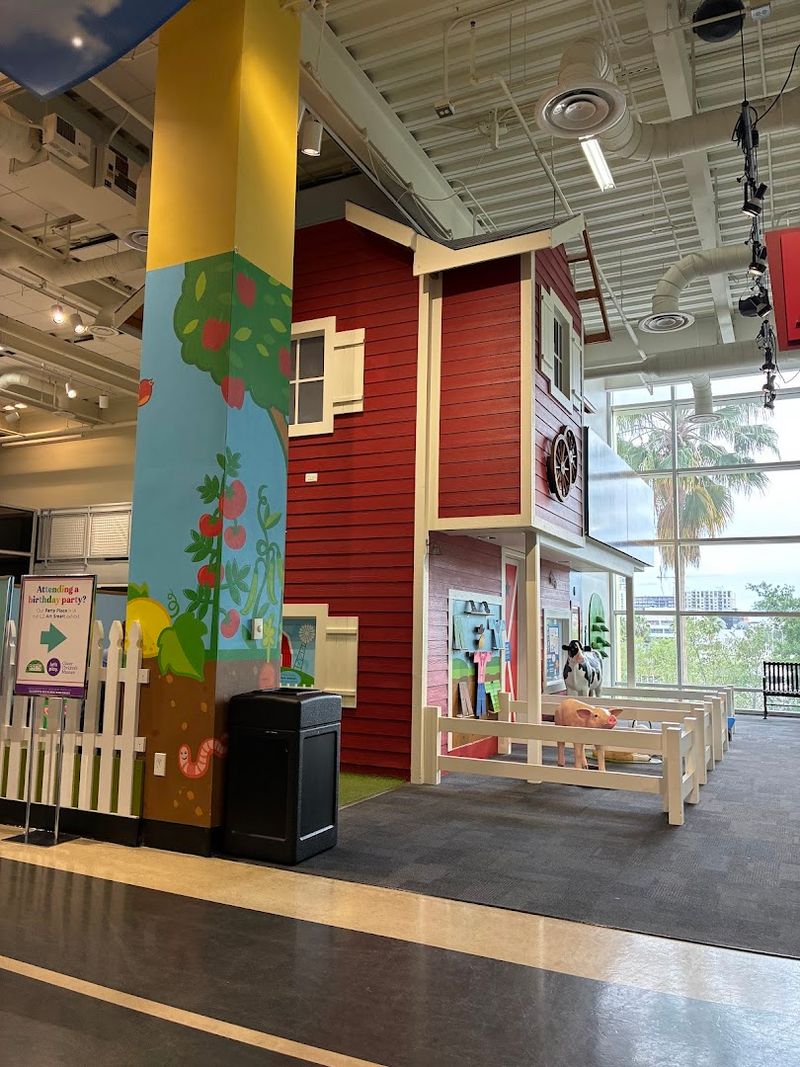
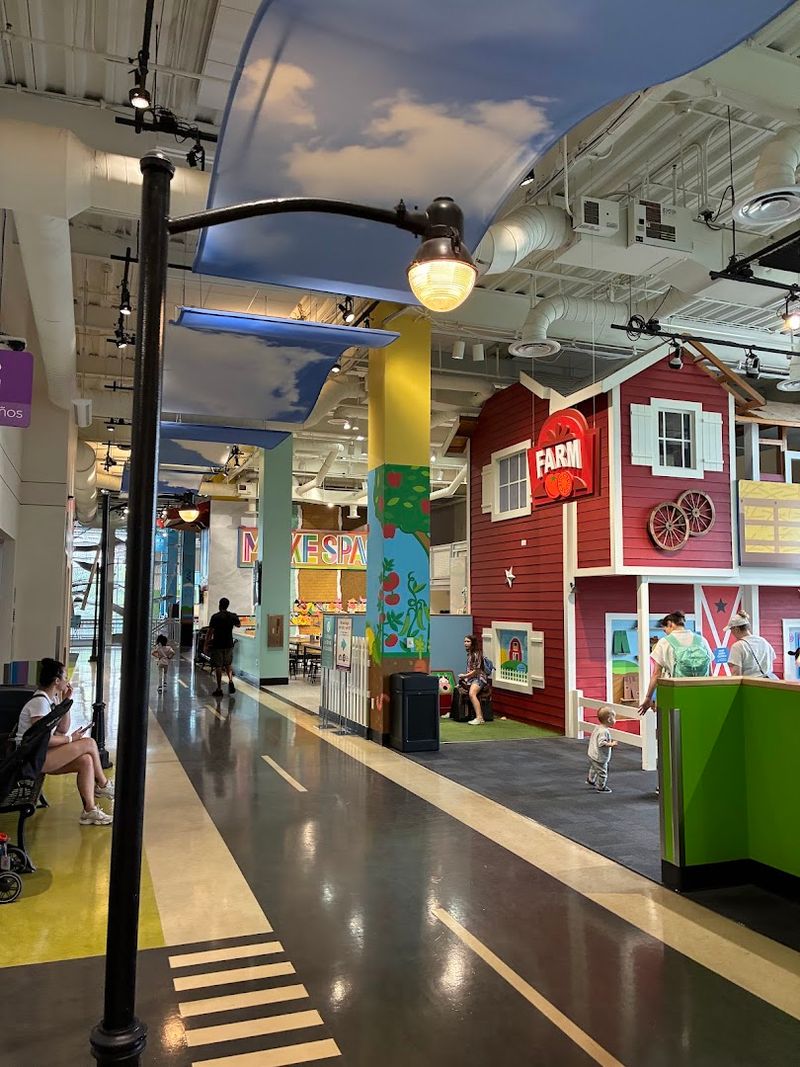
City kids get their hands dirty (figuratively) at the farm exhibit showcasing crops, cows, pigs, and roosters. This agricultural setup teaches the basics of where food comes from and how farms operate. In an increasingly urban world, many children have zero connection to farming, making this exhibit surprisingly eye-opening.
The hands-on elements let kids pretend to harvest crops, care for animals, and understand the daily rhythms of farm life. Interactive displays explain growth cycles and animal care in ways young minds can grasp. The exhibit bridges the gap between grocery store shelves and actual food production.
Parents notice their children asking better questions about food after exploring this area. Suddenly the chicken nuggets at dinner spark conversations about real chickens. The vegetables they push around their plates connect to the crops they just learned about.
Education that sticks happens when kids can touch and explore rather than just read or listen.
The farm area complements the Publix exhibit perfectly, creating a full circle from production to retail. Kids start understanding the journey their food takes, building appreciation for agriculture and the people who feed us all.
7. Dinosaur Discovery On The Third Floor
The entire third floor transforms into prehistoric times with dinosaur exhibits that capture every kid’s fascination with these ancient creatures. Big John the Triceratops serves as the star attraction, captivating dinosaur enthusiasts who can’t get enough of these massive reptiles. The displays provide specific details about different species, their evolution, and the world they inhabited millions of years ago.
Interactive elements let children dig for fossils, examine replicas, and learn about paleontology in hands-on ways. The museum presents scientific information at a level young visitors can understand without dumbing it down. Kids leave knowing the difference between herbivores and carnivores, understanding time scales, and grasping basic extinction concepts.
What makes this floor special is how it balances education with pure wonder. Dinosaurs naturally fascinate children, and the museum leans into that enthusiasm rather than trying to make it overly academic. The result is learning that feels like adventure.
Parents of dinosaur-obsessed kids report this floor alone justifies the admission price. Children who already know their dinosaur facts find new information, while those just discovering prehistoric life get hooked. The exhibits work for various age ranges and knowledge levels.
8. Fort Building Zone With Household Materials
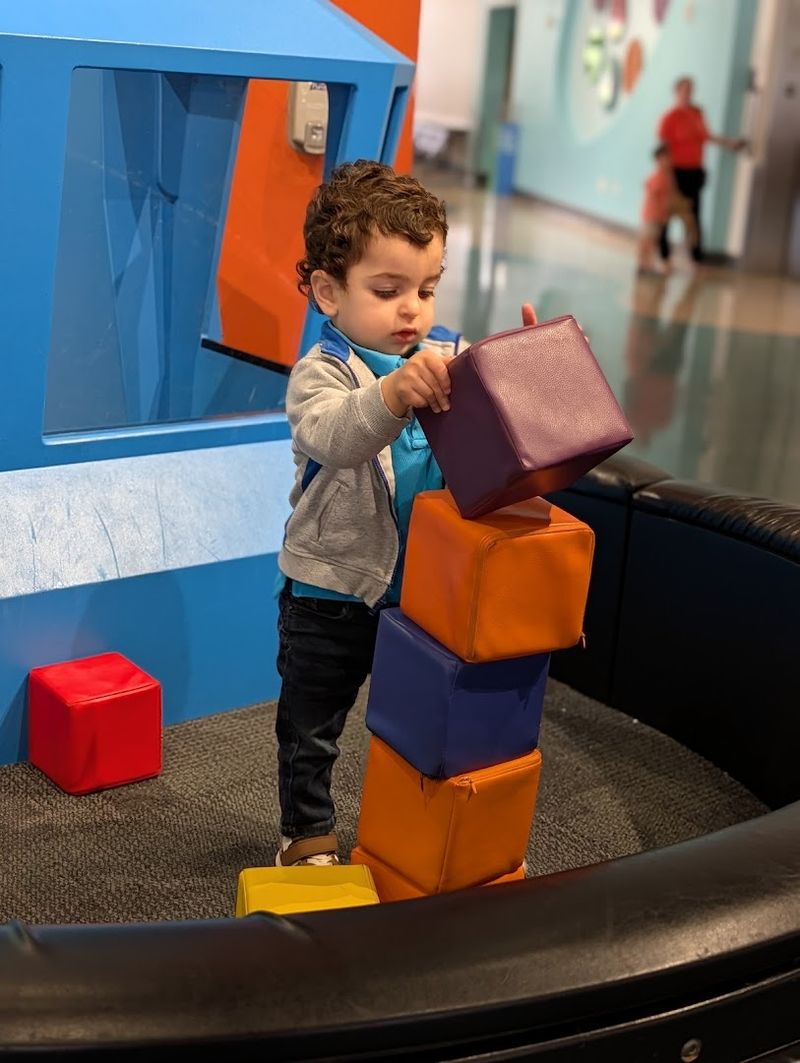
Sometimes the simplest concepts create the most magical experiences, and the fort-building area proves this perfectly. Using household furniture, sheets, pillows, and various materials, children construct their own private hideaways and imaginative spaces. This unstructured play area stands out precisely because it doesn’t dictate what kids should do.
The open-ended nature encourages creativity, problem-solving, and cooperation when multiple children work together on elaborate structures. Kids learn spatial reasoning as they figure out how to drape sheets and position furniture. They negotiate with peers about design choices and collaborate to bring shared visions to life.
Parents often find this low-tech exhibit captivates their children longer than flashier displays. There’s something deeply satisfying about building your own space, especially in a world where so much of childhood has become programmed and structured. This area gives kids real agency and control.
The fort zone also provides a natural break from more stimulating exhibits. After running around the water area or performing in the theater, children can retreat to their constructed forts for quieter play. The museum understands that even high-energy kids need spaces to decompress and engage in calmer activities throughout their visit.