This Florida Aquarium Lets You Walk Through a Real Marine Rescue Hospital
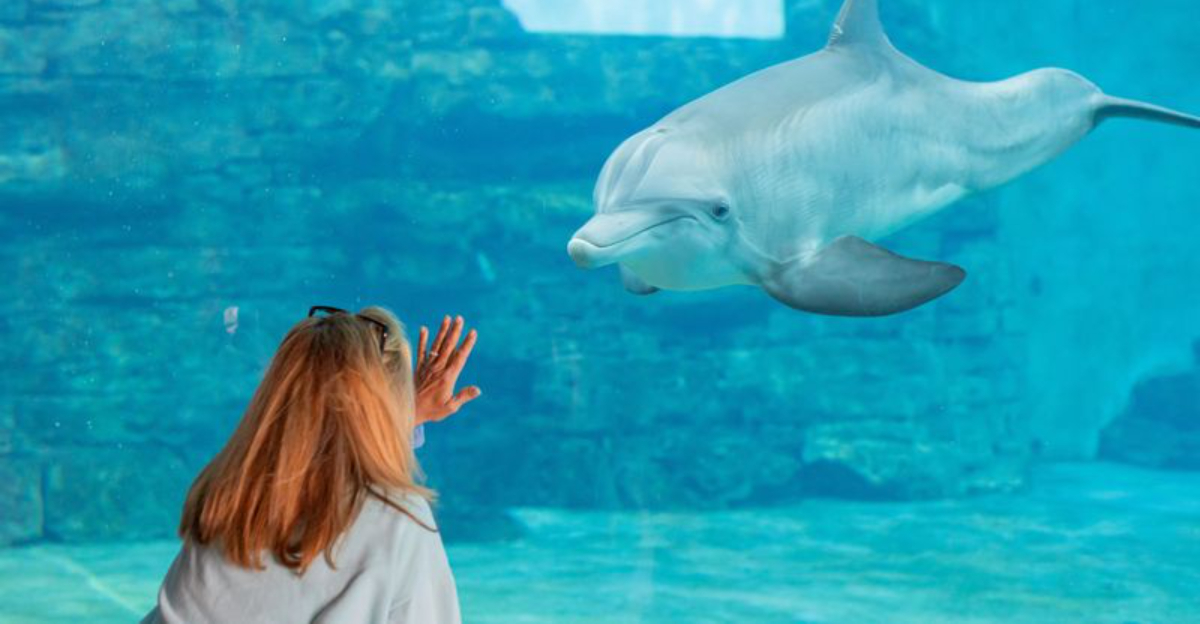
Most aquariums show you pretty fish swimming in fancy tanks, but Clearwater Marine Aquarium does something completely different. Here, you can actually walk through a working animal hospital where injured dolphins, sea turtles, and other marine creatures get life-saving treatment. This isn’t just about looking at animals through glass—it’s about seeing real rescue work in action and learning how dedicated teams help sick and hurt ocean animals recover and hopefully return to the wild.
1. Behind-the-Scenes Hospital Access
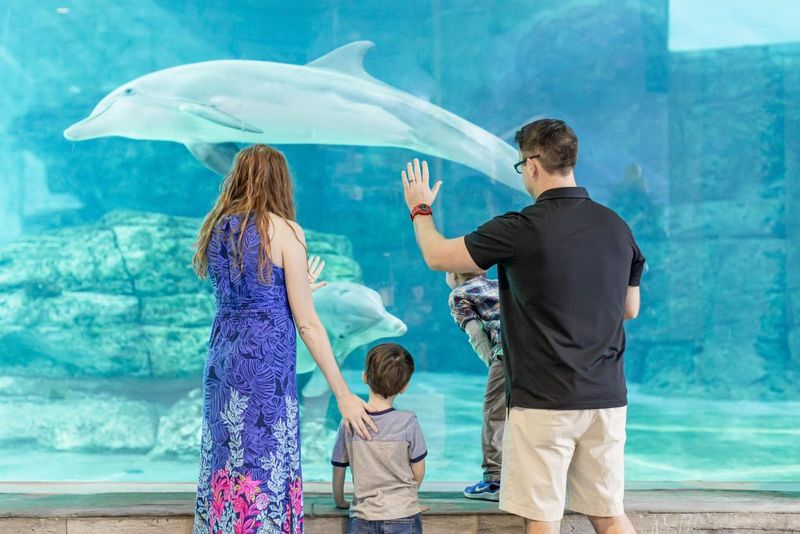
Walking through actual treatment rooms and recovery areas feels like stepping into a veterinary episode, except the patients have flippers instead of paws. The hospital layout lets you peek into spaces most aquariums keep hidden, showing you exactly where the magic happens when injured animals arrive.
Glass viewing windows reveal medical equipment, treatment pools, and sometimes even procedures in progress. Staff members position themselves throughout these areas, ready to explain what’s happening and answer questions about specific animals currently receiving care.
The experience feels raw and real rather than polished for entertainment. You might see empty pools being cleaned, medical charts on walls, or rehabilitation equipment that looks more functional than decorative.
This setup prioritizes animal welfare over aesthetics, which means the space looks like an actual working hospital. Some visitors find this refreshingly honest compared to traditional aquarium exhibits designed purely for visual appeal.
The access changes your perspective on marine rescue work. Seeing the behind-the-scenes reality—the daily routines, specialized equipment, and dedicated spaces for different recovery stages—makes the conservation mission feel tangible rather than abstract.
2. Winter’s Legacy and Memorial
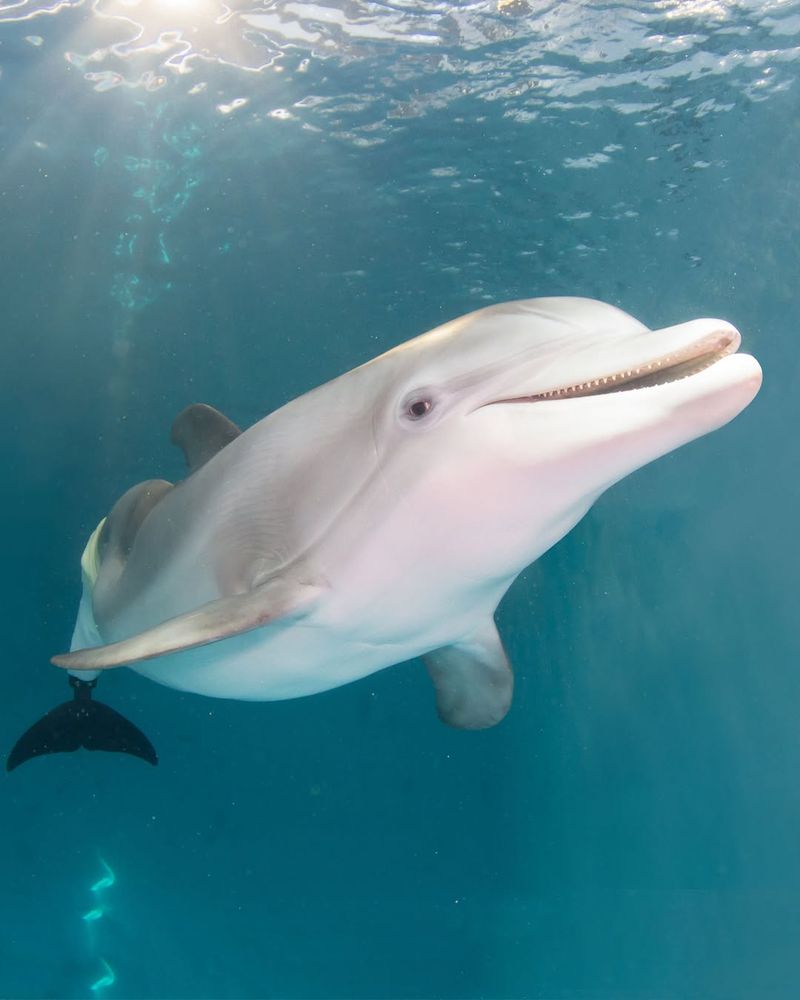
Winter the dolphin became a global celebrity after starring in “Dolphin Tale,” but her real story matters more than Hollywood magic. She survived a crab trap entanglement that cost her tail, then lived years with a groundbreaking prosthetic that changed veterinary medicine forever.
Though Winter passed in 2021, the aquarium preserves her memory beautifully. Her actual prosthetic tail remains on display, letting you see the innovative technology that kept her swimming. An honor walk celebrates her life and impact on marine science.
Props from both “Dolphin Tale” movies appear throughout the building, creating unexpected movie-set moments during your visit. These artifacts blend entertainment history with conservation education in ways that feel meaningful rather than gimmicky.
Staff members still talk about Winter with obvious affection, sharing stories that reveal her personality beyond the famous tail. Hearing these personal anecdotes makes her legacy feel more intimate and real.
The memorial approach balances celebration with education. Instead of just mourning her loss, the aquarium uses Winter’s story to teach visitors about ongoing threats to marine life and the importance of rescue work that continues helping animals today.
3. Live Dolphin Training Sessions
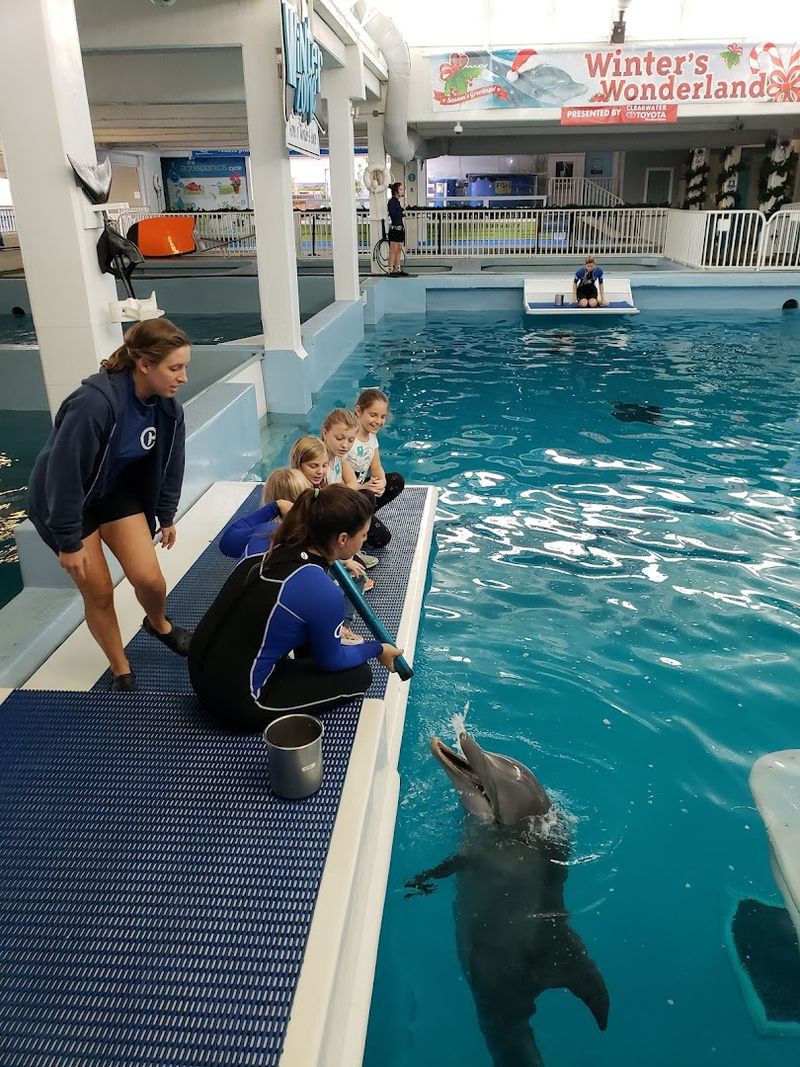
Forget choreographed shows with music and splashing crowds. The dolphin presentations here focus on actual training techniques used for medical care and mental enrichment, demonstrated by staff who clearly adore their work.
Trainers explain each behavior’s purpose—how teaching a dolphin to present its tail helps with health checks, or why certain exercises maintain muscle strength. Their passion radiates through every interaction, making even routine demonstrations feel special.
You get surprisingly close viewing angles that traditional stadium-style dolphin shows can’t offer. The intimate setup lets you see facial expressions, body language, and the genuine bonds between trainers and dolphins.
Multiple reviewers specifically praised these staff members’ knowledge and enthusiasm. One visitor called them “especially impressive,” noting how their pride and love for the dolphins enhanced the entire experience.
The educational balance works perfectly—entertaining enough to hold attention while teaching real science. Kids learn about echolocation and communication without realizing they’re absorbing complex biological concepts, while adults appreciate the depth of information shared.
These sessions happen throughout the day, so you can catch multiple presentations if one dolphin steals your heart.
4. Active Manatee Viewing Areas
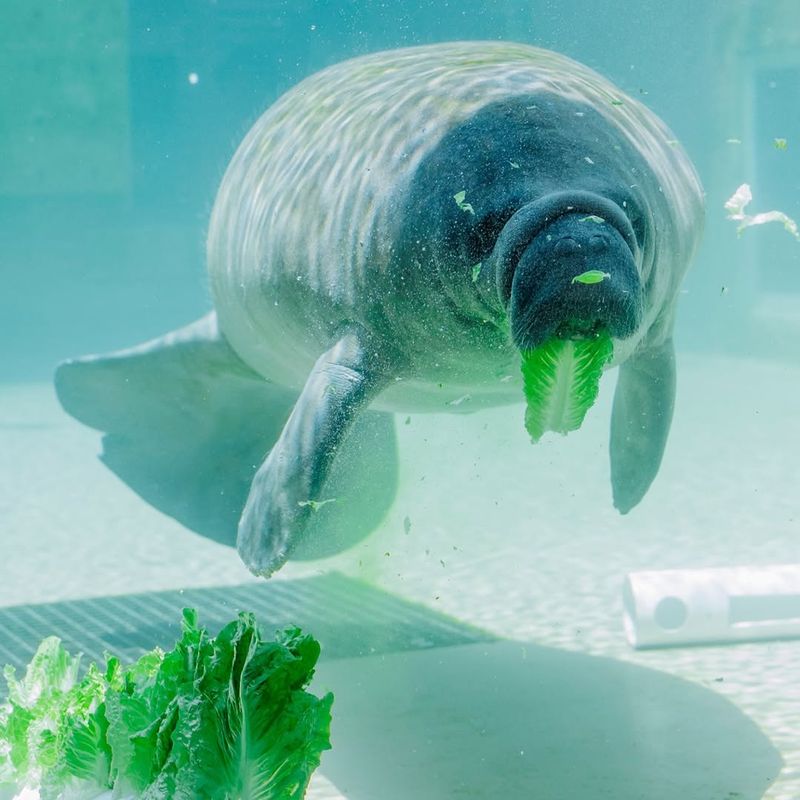
Manatees move with surprising grace for animals that look like underwater potatoes. The viewing setup here offers multiple angles—above water, below water, and side perspectives that show these gentle giants from every possible direction.
During many visits, manatees demonstrate unexpectedly active behavior rather than just floating lazily. They interact with enrichment items, investigate their environment, and sometimes approach viewing windows with what feels like genuine curiosity about the humans watching them.
The spacious habitat gives manatees room to actually swim and move naturally. This matters because cramped exhibits often show lethargic animals, but proper space encourages the behaviors you’d see in wild manatees.
Staff positioned near manatee areas share facts about individual animals—their rescue stories, injuries, and whether they’ll eventually return to Florida’s waterways. These personal histories transform anonymous creatures into characters you root for.
One visitor mentioned watching manatees “all day,” which speaks to how mesmerizing these encounters become. There’s something deeply calming about observing these peaceful animals navigate their recovery space, especially knowing each one survived circumstances that could have been fatal.
5. Interactive Stingray Touch Pool
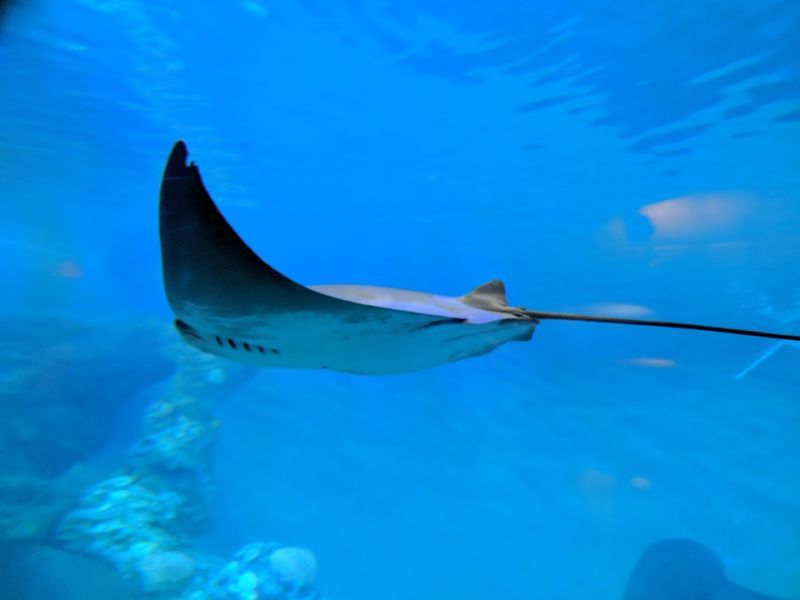
Running your hand along a stingray’s back feels completely different than you’d expect—smooth, slippery, and almost velvety. The touch pool gives you this weird, wonderful experience under supervision from staff who genuinely love talking about these misunderstood creatures.
A gentleman working this exhibit earned special mention in reviews for his infectious passion. His enthusiasm transforms a simple touch tank into an engaging educational experience that visitors remember long after leaving.
The rays glide past in endless loops, sometimes pausing under gentle hands like cats enjoying pets. Their wing-like movements create hypnotic patterns in the water, and getting to actually feel them swim by creates connection in ways that just watching never could.
Staff explain proper touching techniques—gentle back strokes only, never grabbing or blocking their path. These guidelines protect both animals and visitors while ensuring positive interactions that don’t stress the rays.
Some aquariums charge extra for stingray encounters, but Clearwater includes it with admission. This accessibility means more people experience the magic of connecting with marine life through respectful touch, potentially sparking conservation interest that lasts beyond vacation.
6. Sea Turtle Rehabilitation Exhibits
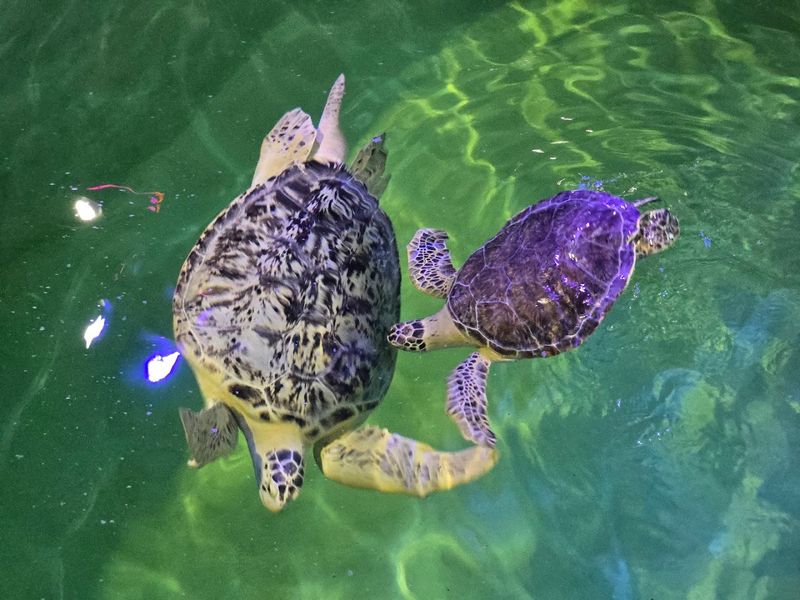
Seeing sea turtles missing flippers or unable to dive properly hits differently when you understand they’re alive only because this facility exists. Many turtles here sustained injuries too severe for survival in the wild—boat strikes, fishing line entanglements, or illnesses that destroyed their ability to regulate buoyancy.
The exhibits don’t hide these harsh realities. Instead, educational signage explains each turtle’s specific injuries and why release isn’t possible, turning heartbreaking circumstances into powerful conservation lessons.
Watching a turtle with permanent buoyancy issues struggle to dive, then succeed with adapted techniques learned during rehab, shows animal resilience in action. These aren’t perfect recovery stories, but they’re real ones that matter.
Staff throughout turtle areas answer questions about individual animals, their personalities, and daily care routines. This personal attention helps visitors see beyond injuries to the living creatures adapting to their circumstances.
One reviewer found comfort knowing injured turtles “can live a better life here instead of struggling to survive in the wild.” That perspective shift—from sadness about injuries to gratitude for sanctuary—represents exactly what this aquarium does best.
The turtle exhibits prove rescue work isn’t always about returning animals to nature.
7. Playful River Otter Habitat
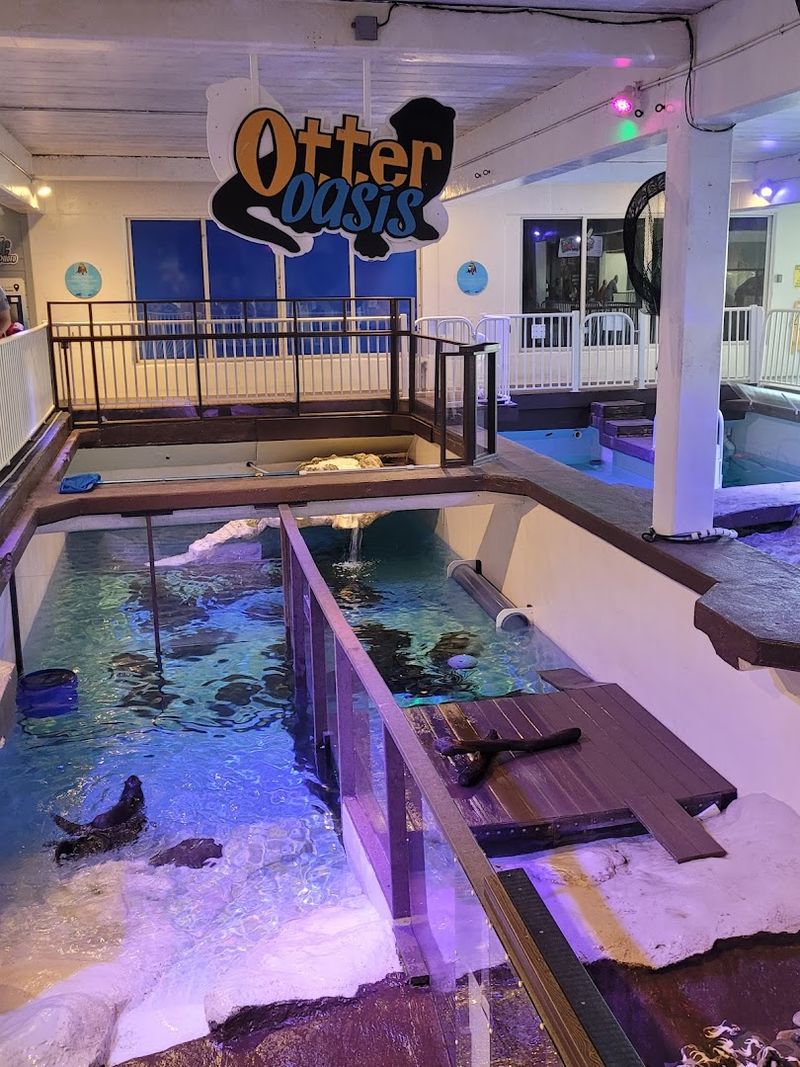
Otters possess energy levels that make toddlers look calm. The habitat here showcases these furry torpedoes zooming through water, wrestling with toys, and generally being adorable chaos agents that steal every visitor’s heart.
Multiple reviews specifically called out otters as “amazing,” which makes sense once you watch them. Their constant motion, playful interactions, and seemingly endless curiosity create entertainment that never gets boring, no matter how long you stand there watching.
The naturalistic setup includes rocks, water features, and enrichment items that encourage natural behaviors. You might see otters sliding, diving, manipulating objects with their incredibly dexterous paws, or engaging in social play that reveals their intelligence.
Staff presentations sometimes feature otter training demonstrations, showing the “tricks and chores they can do” that impressed reviewers. These sessions reveal how keepers use positive reinforcement training for medical care and mental stimulation.
Unlike the rescue-focused dolphin and turtle exhibits, otters here serve more as ambassadors for their species. They help visitors connect emotionally with wildlife, potentially inspiring conservation action for river ecosystems these animals depend on in the wild.
Fair warning—you’ll leave wanting a pet otter, despite knowing that’s absolutely not feasible.
8. Conservation-Focused Mission Experience
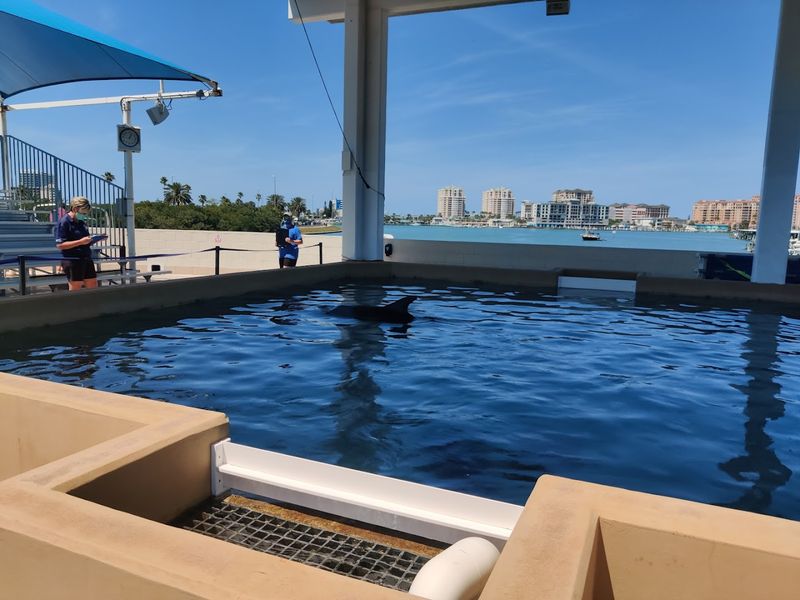
This place operates on a fundamentally different philosophy than entertainment-focused aquariums. The priority centers on rehabilitation and education rather than flashy presentations, which means your admission dollars directly fund actual rescue work instead of just maintaining display animals.
You feel this mission-driven approach everywhere—in the hospital-like aesthetic, the educational focus of presentations, and staff members who talk about conservation with genuine urgency. Nothing feels designed purely for Instagram moments, though you’ll certainly find them.
The transparency about which animals can’t be released and why creates powerful teaching moments. Understanding that many residents here would die in the wild helps visitors grasp the real-world consequences of boat strikes, pollution, and fishing gear entanglements.
Staff knowledge about rehabilitation processes runs deep. They explain treatment protocols, recovery timelines, and release criteria with the expertise of people who actually do this work daily, not just memorized scripts.
Several reviewers mentioned feeling good about where their money went, knowing it supports meaningful conservation. That satisfaction—visiting a place that prioritizes animal welfare over profit—creates a different kind of enjoyment than traditional tourist attractions offer.
The experience sticks with you precisely because it feels real, unpolished, and genuinely important.