This Florida Boardwalk Feels Like Walking Through a Jungle
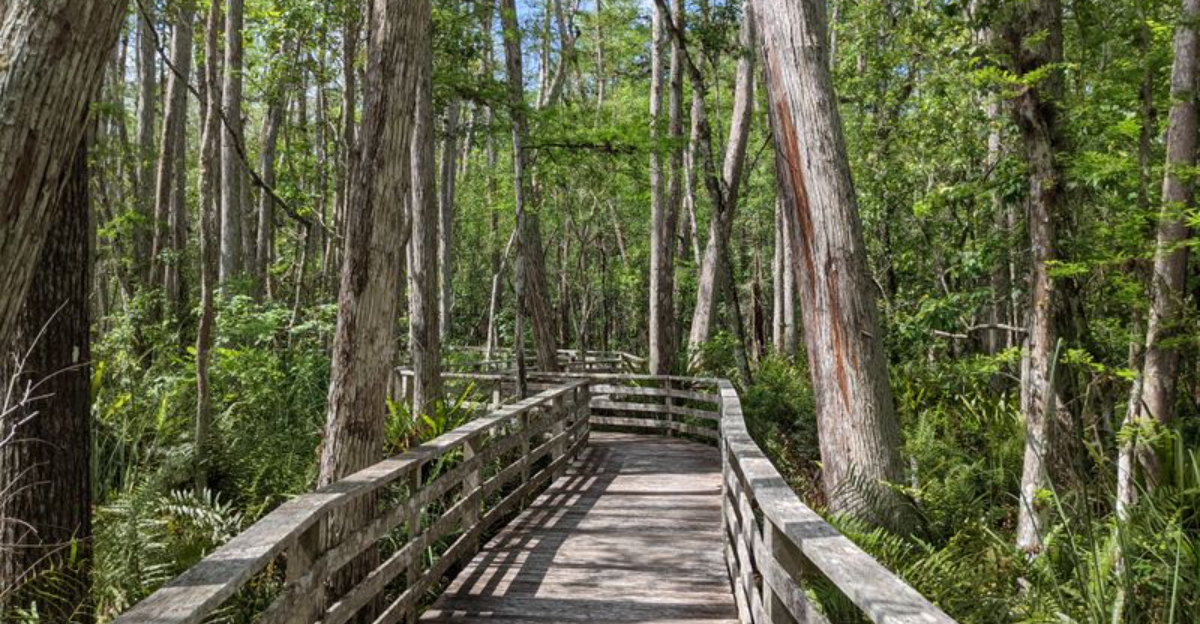
Step onto the boardwalk at Audubon Corkscrew Swamp Sanctuary and you will swear you have entered a living jungle. The air feels cooler under ancient cypress, and each curve reveals new sounds, from bird calls to gentle water ripples. With last admission at 3 PM, every minute inside feels precious and unhurried. Come ready to slow down, look closer, and let the swamp reshape how you see Florida.
1. The Legendary Boardwalk Experience
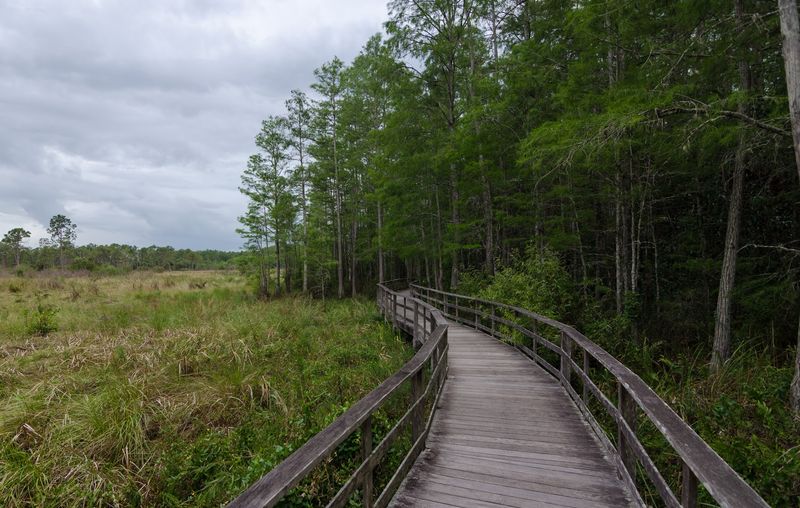
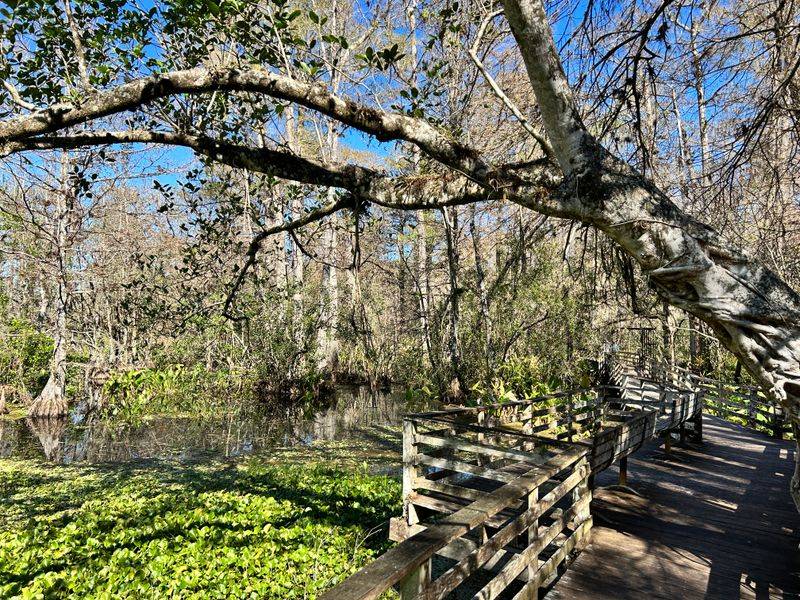
Follow the 2.25-mile boardwalk as it slips through old-growth bald cypress, where the air smells like rain and wild orchids cling to bark. You will notice the hush first, then the layered songs of warblers, woodpeckers, and distant owls. Around each bend, the swamp reveals mirrored pools, sunlit glades, and a surprising sense of calm.
Railings make it accessible, and the path’s gentle curves invite you to slow your steps. Pause where water widens and you might spot anhingas drying wings like living sculptures. Morning light glows golden through the canopy, and late afternoon feels cinematic.
Arrive early before the 3 PM last admission to linger. Bring water, patience, and curiosity.
2. Ancient Bald Cypress Cathedral
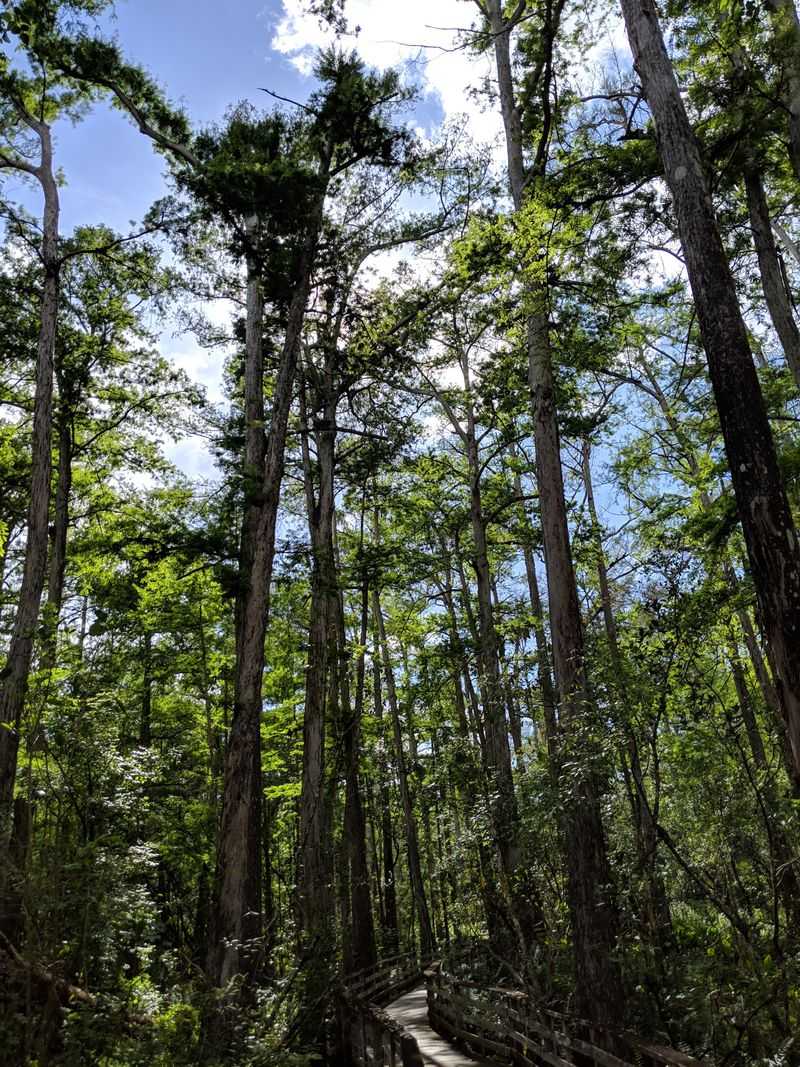
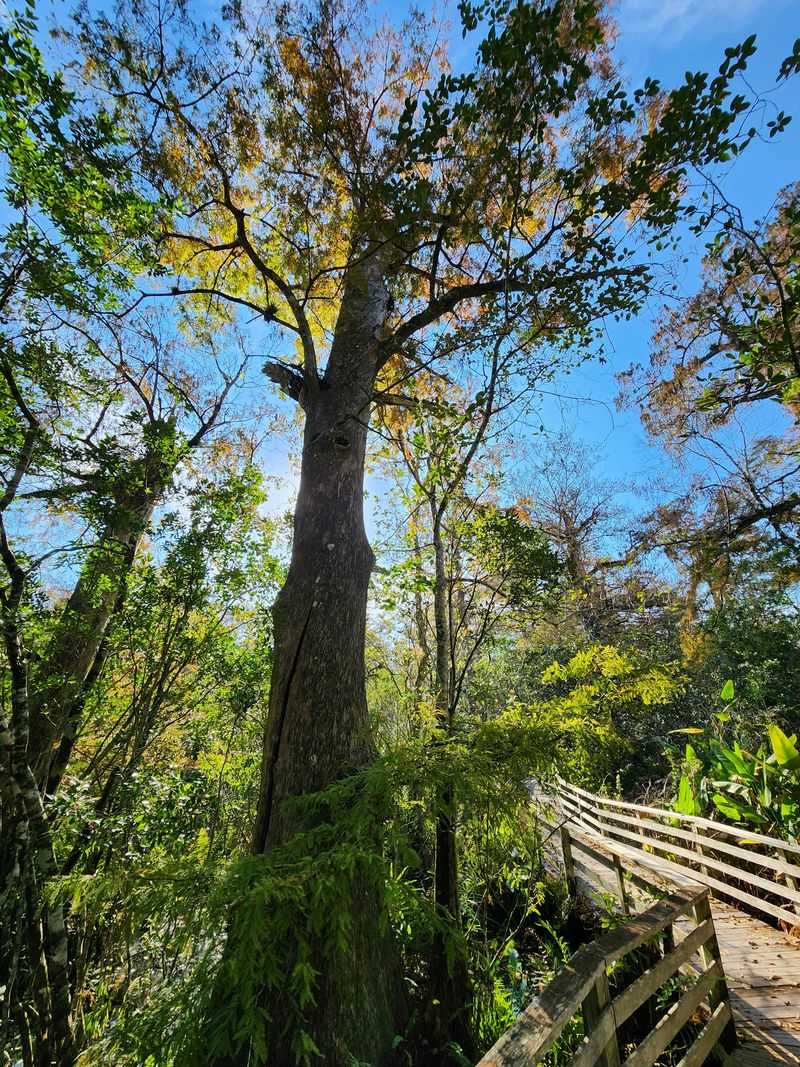
Stand beneath the towering bald cypress and you will understand why people call this a cathedral. The trunks swell into buttresses, and strange wooden knees poke from tea-colored water like sculptures. Listen for gentle drips, the tap of a distant woodpecker, and your own breath settling into the rhythm of the swamp.
Some trees here are centuries old, survivors of logging and storms. They host lichens, air plants, and the famed ghost orchid in a hidden ballet of patience. Look up and you will see the canopy stitched with sunlight.
Guides sometimes point out specific giants along the boardwalk. Even without a tour, the trees themselves feel like storytellers, whispering resilience and time.
3. Wildlife Watching Hotspots
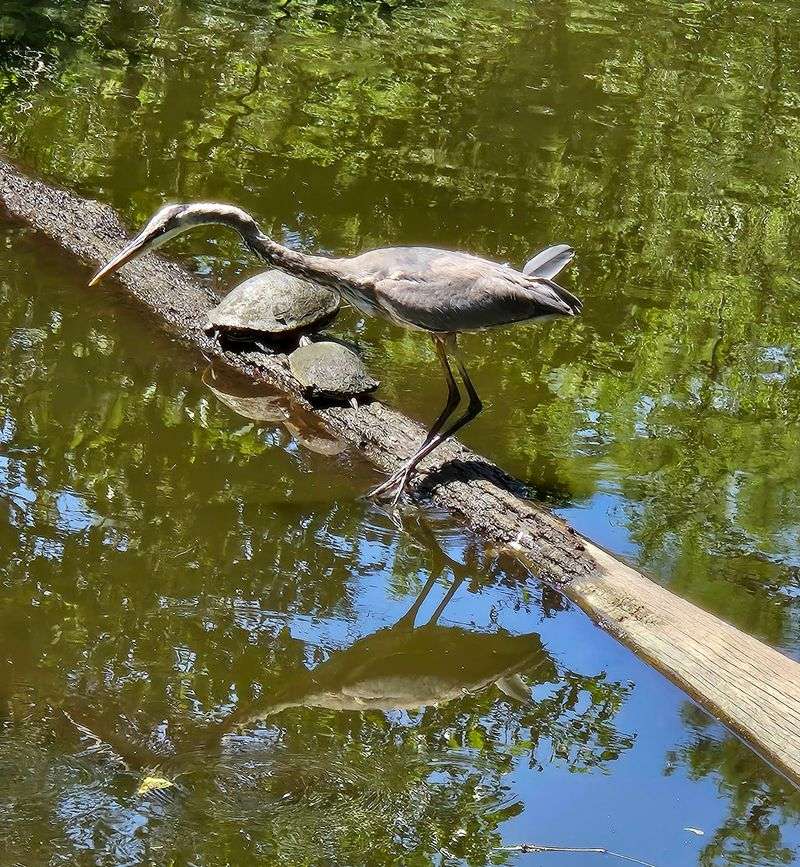
Bring binoculars because Corkscrew is a masterclass in patient wildlife watching. Egrets spear minnows in bronze water while anhingas spread wings like capes. If you scan the surface, you might catch the quiet blink of an alligator or the quick ripple of an otter slipping away.
Listen for barred owls calling who cooks for you through the cypress. Red-shouldered hawks patrol edges, and pileated woodpeckers hammer dramatic rhythms. In drier stretches, turtles bask on logs like round, sun-charged medallions.
Ask volunteers about recent sightings near Lettuce Lakes and the central marsh. Early hours and calm afternoons are best. Move slowly, whisper, and keep a respectful distance so the swamp keeps unfolding naturally around you.
4. Ghost Orchid Lore and Bloom Season
The ghost orchid is the sanctuary’s whispered legend, a flower that seems to float without leaves. You will not always see it, and that mystery makes the swamp feel enchanted. Volunteers track known plants and sometimes set up scopes when blooms appear high in cypress.
Bloom timing varies with rainfall and heat, often peaking in summer. Ask at the Blair Audubon Center about current sightings and etiquette. Staff emphasize protection first, so view from designated spots and never stray from the boardwalk.
Even without a bloom, learning its story deepens your visit. You will notice every air plant, every slick of bark, differently. The possibility alone turns looking into a gentle treasure hunt.
5. Best Times and Practical Tips
Plan for an early start since last admission is 3 PM and mornings are cooler. In summer, humidity rises fast, so bring water, a hat, and breathable layers. Comfortable walking shoes are key, and a lightweight rain shell can be a day saver when clouds pop.
Bug spray helps during wetter months, though breezes and cooler days lessen it. Pack binoculars and a camera with a quiet shutter. Keep voices low, and you will notice more life revealing itself near the railings.
Check hours and any trail advisories before you go. Allow two to three hours for the full loop with photo stops. If time is tight, focus on the marsh overlooks and cypress cathedral sections.
6. Blair Audubon Center Essentials
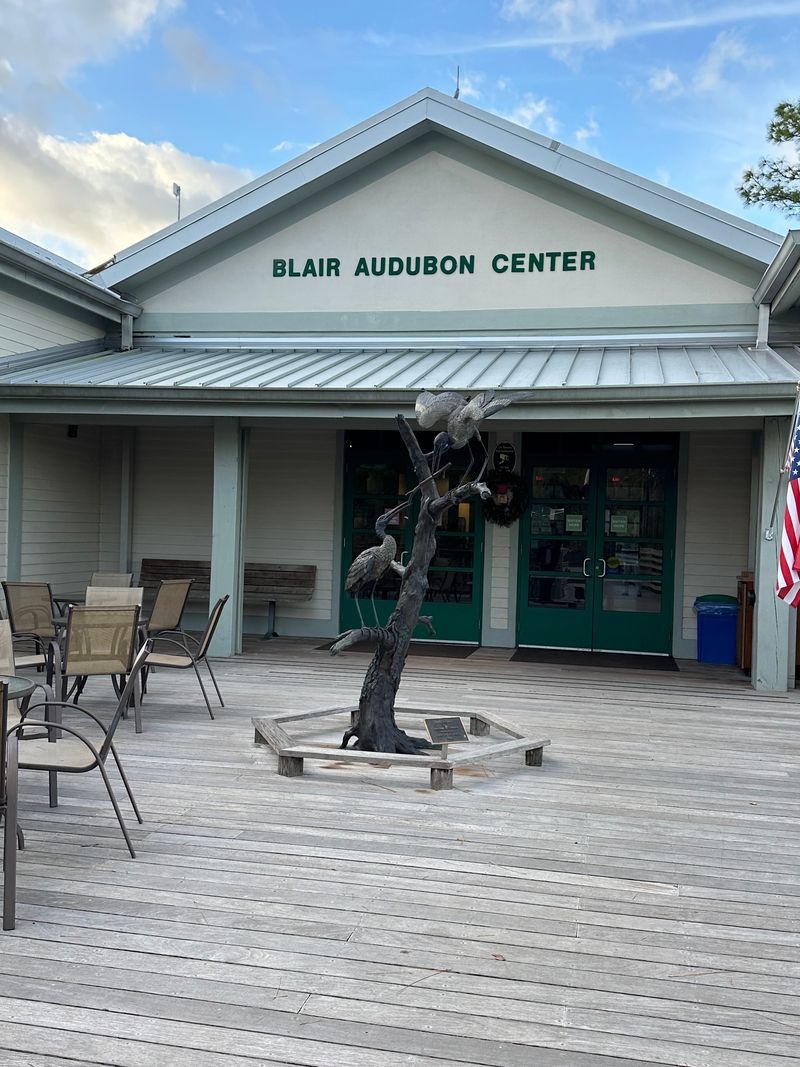
Start at the Blair Audubon Center to get oriented and ask about sightings. Friendly staff will highlight recent wildlife activity, current conditions, and any construction or closures. You can grab maps, refill on details, and set realistic timing before stepping onto the boardwalk.
Exhibits explain hydrology, fire, logging history, and conservation wins that saved the cypress. The small shop carries field guides, reusable bottles, and locally inspired gifts that support the sanctuary. Restrooms are here too, so plan accordingly before you wander.
Check the whiteboard for ghost orchid notes, birding updates, and weather alerts. You will leave with sharper eyes and a better sense of the ecosystem’s heartbeat. It turns a simple walk into an informed experience.
7. Seasonal Water and Soundscapes
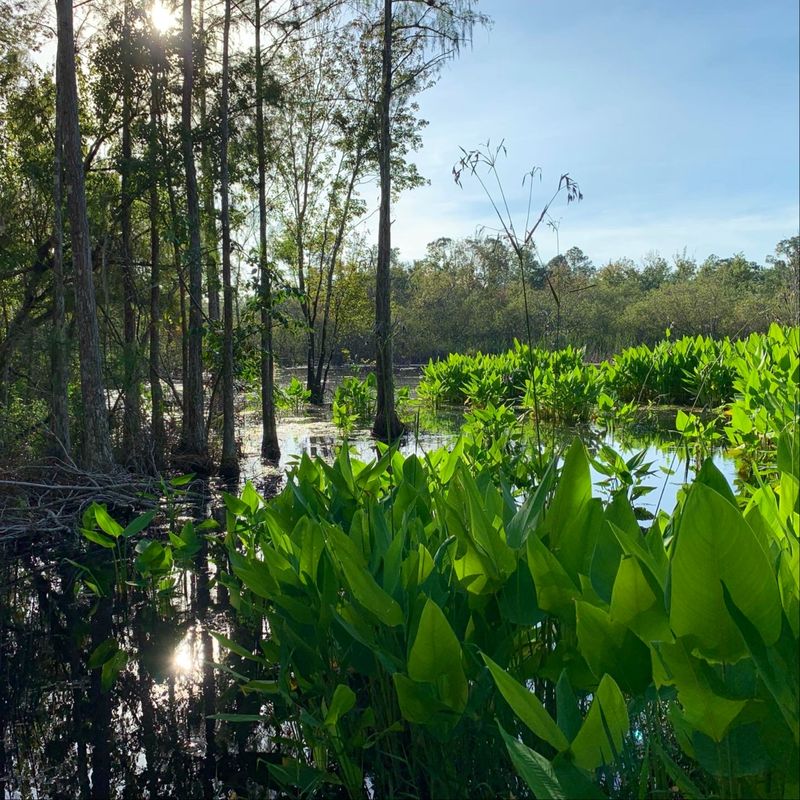
Corkscrew changes personality with the water. In wetter months, the pathways float above reflective pools that chorus with frogs at dusk. During drier periods, sun-warmed mudflats invite herons to stalk and turtles to line up like punctuation marks.
Close your eyes and you will hear wind combing cypress needles and distant thunder pushing summer storms. Wood ducks squeal, pig frogs grumble like bass drums, and insects weave a bright perimeter. Even your footsteps soften on the wooden planks.
These soundscapes shape how wildlife moves. Visit in different seasons to feel the sanctuary’s shifting mood. Each return teaches new rhythms, reminding you that water writes the swamp’s daily script.
8. Respectful Photography and Etiquette
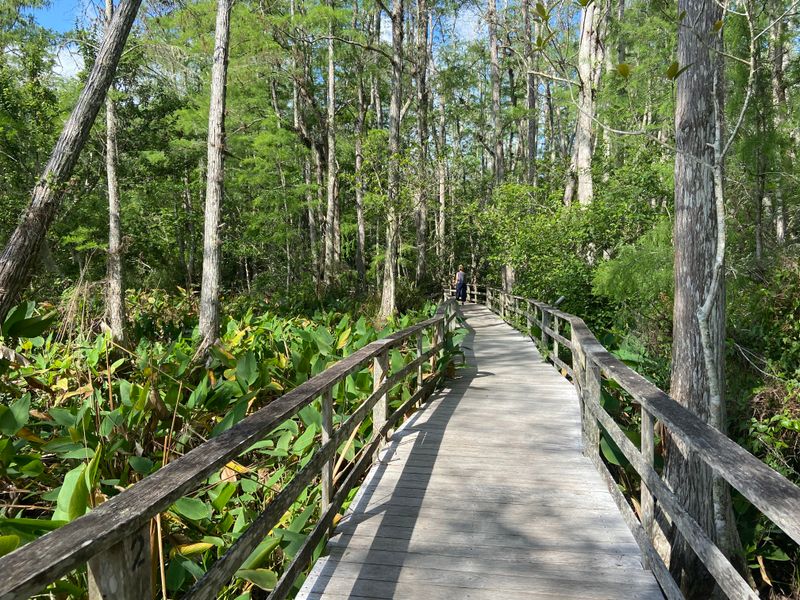
Photography here rewards patience more than chasing. Use a telephoto lens and wait at railings where light filters through leaves. Golden hour paints feathers and water with soft highlights, letting you capture detail without disturbing anything.
Stay on the boardwalk and keep gear tucked so others can pass. Whisper near overlooks and step aside when groups gather. If an animal changes behavior, you are too close, even with a big lens.
Respect the sanctuary’s quiet ethic and you will come home with better images. Ask volunteers about good angles for reflections and silhouettes. You will learn that kindness to wildlife translates directly into photographs with soul.