This Florida Island Has No Cars, No Crowds, and Feels Completely Untouched
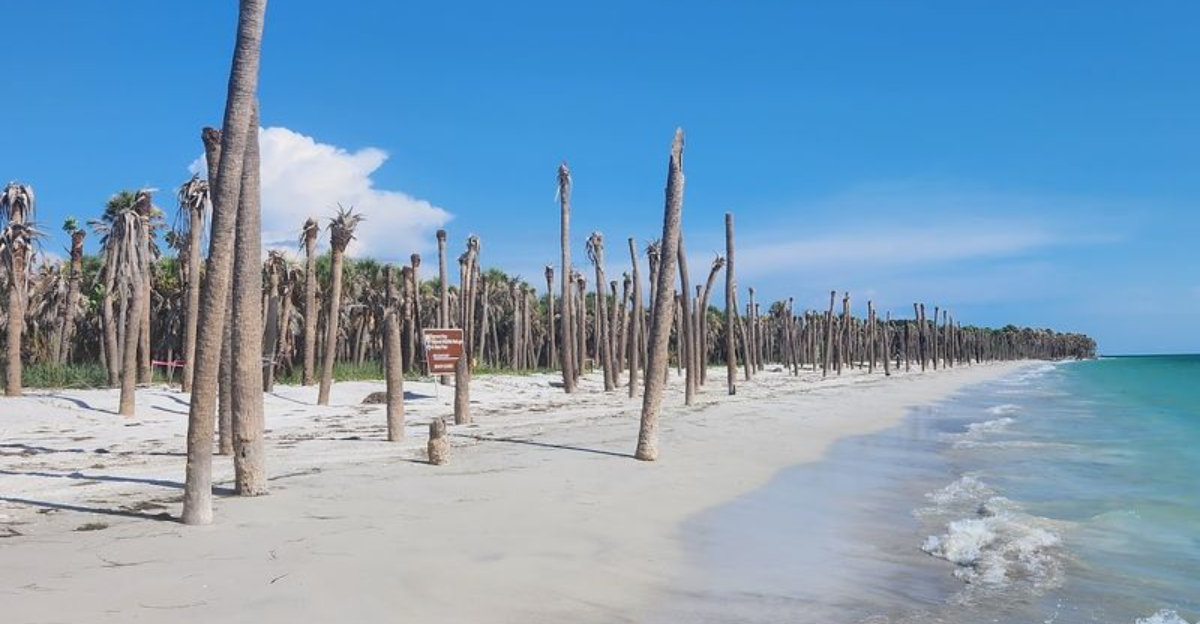
If you have ever dreamed of a Florida island that still feels wild, Egmont Key is the one. There are no cars, almost no crowds, and nothing but wind, water, and history. You arrive by boat, step onto sugar sand, and feel time slow instantly.
Stay for the lighthouse, the fort ruins, the snorkeling, and the quiet that lingers long after you leave.
1. Getting to Egmont Key
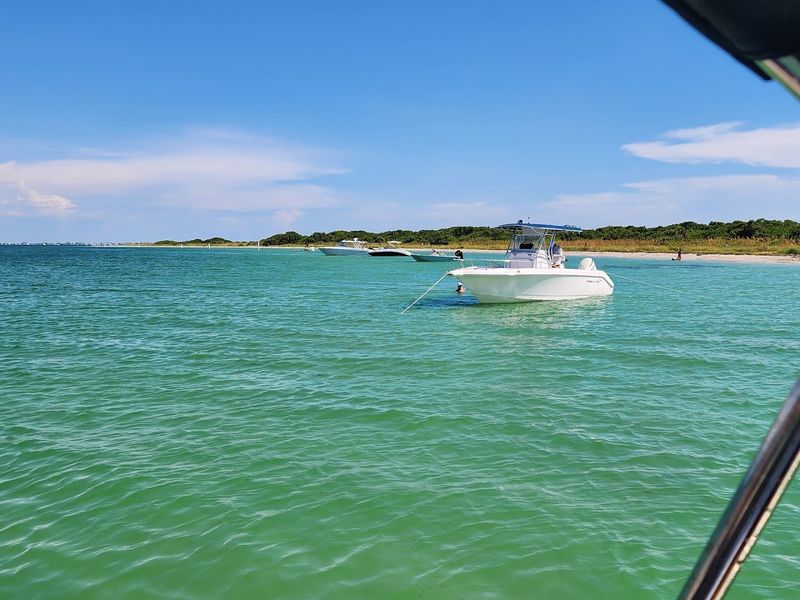
Egmont Key feels like a secret because you can only reach it by water. Most visitors hop the Fort De Soto ferry, which runs on a simple schedule and keeps the vibe relaxed. If you prefer more flexibility, book a small charter or paddle a kayak on very calm days, always checking wind and tide.
The ride across turquoise water builds anticipation as the lighthouse appears on the horizon. You step onto sugar sand and instantly hear nothing but waves and seabirds. Bring cash or a card for the ferry, but remember there are no services once you land.
Pack water, snacks, sun protection, and a dry bag. After that, you are free to explore solitude at your own pace.
2. Pristine Beaches
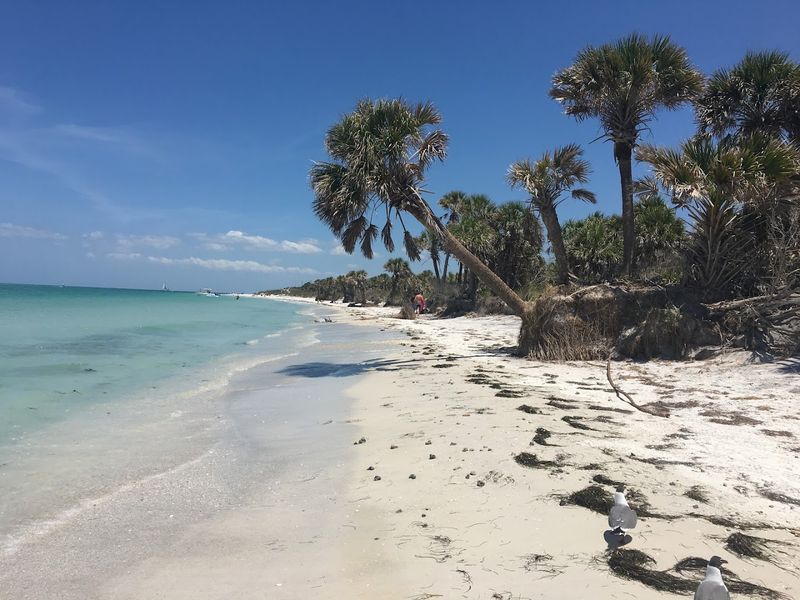
Egmont Key’s beaches wrap the island in soft, pale sand and water that shifts from glassy jade to bright aqua. You can choose Gulf side calm or Tampa Bay views, depending on wind and mood. Walk north or south and the footprints thin until it feels like your personal shoreline.
Set a towel by the dunes, respecting posted signs that protect bird habitat. Swim in the shallows, then float and let the current hush everything else. There are no umbrellas for rent, so bring shade if you need it and pack out every crumb.
Keep an eye on changing tides, and avoid fragile roped areas. With patience, you will find long quiet stretches perfect for reading, napping, and watching pelicans dive.
3. Snorkeling the Ruins
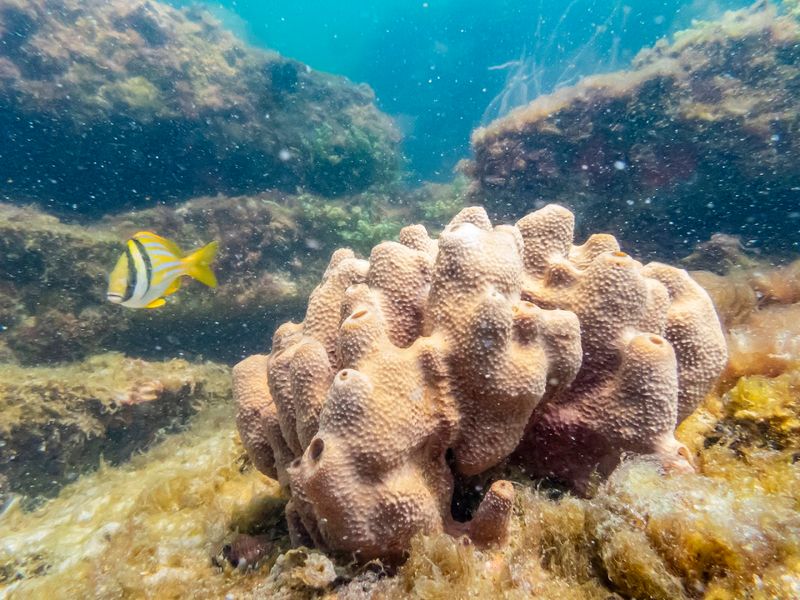
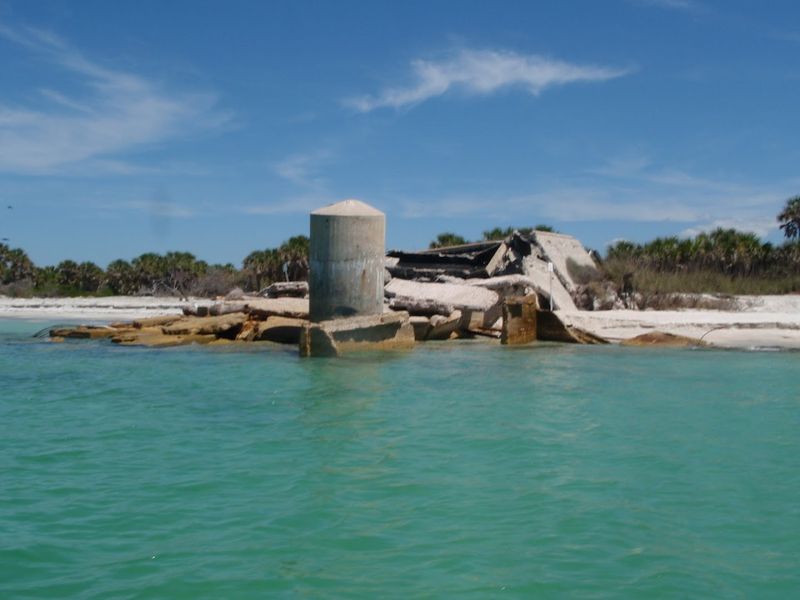
On the west side, shallow ruins from old Fort Dade structures create a snorkel playground. Slip in when the water is clear and calm, and stay close to a buddy. You will spot schools of baitfish, sheepshead, sea stars, and sometimes a cruising ray weaving past the coquina blocks.
Bring your own mask, snorkel, and fins because there is no rental hut here. A lightweight vest helps you float while you scan the cracks for shy creatures. Watch for jellyfish in summer and shuffle your feet in sandy areas to avoid surprising anything.
Always respect wildlife and never touch the ruins. When the sun lights the sand ripples just right, the whole place looks like a pocket Keys reef.
4. Historic Fort Dade
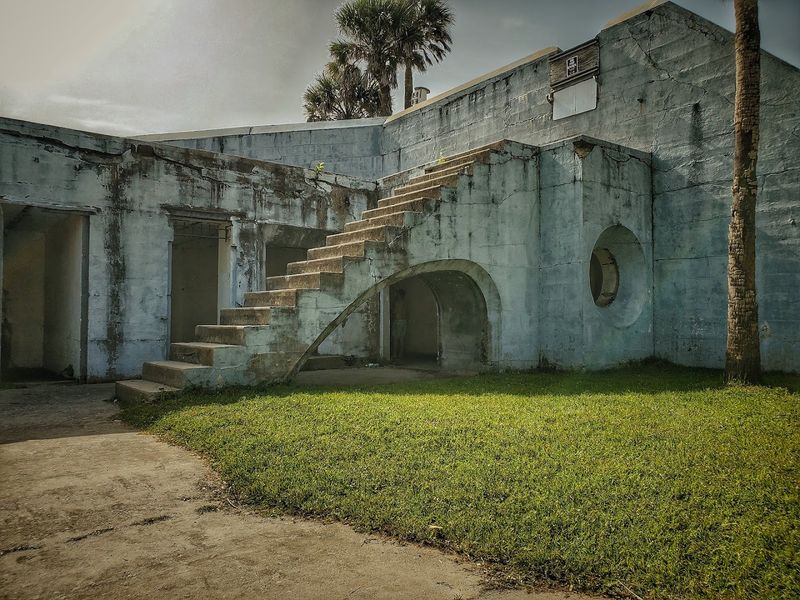
Egmont Key once guarded the entrance to Tampa Bay, and Fort Dade’s ghostly streets still thread the island. As you wander, you pass brick foundations, batteries tucked in scrub, and crumbling walkways swallowed by sand. Interpretive signs fill in stories of soldiers, telegraphs, and quarantine days that shaped this tiny post.
Stay on the trails to avoid erosion and hidden holes. It is fun to imagine the energy here during the Spanish American War, but today the soundtrack is wind in the sea oats. Peer into doorways, then glance up for ospreys on lookout.
The past feels close yet softened by salt and sun. You will leave with gritty shoes and a new respect for coastal history.
5. Egmont Key Lighthouse
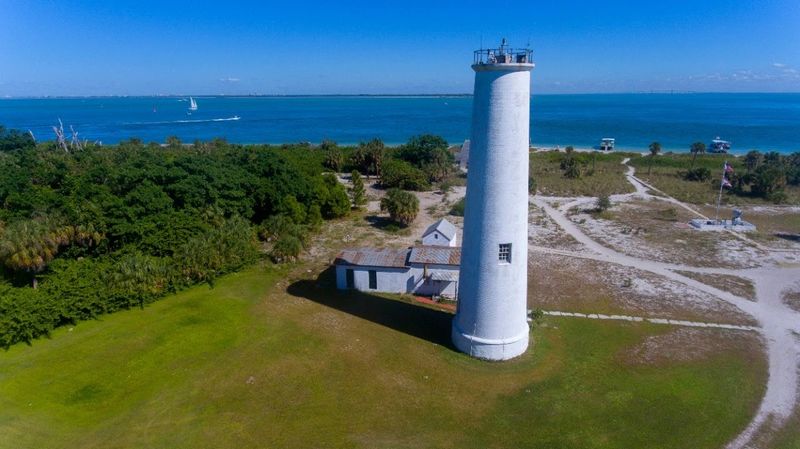
The lighthouse anchors Egmont Key’s silhouette, a white tower framed by palms and sky. Its lantern is not on the tower now, which adds a quirky twist you can learn about on site. Stand at the base and feel how the island’s stories gather here, from storm warnings to steady guidance.
Photographers love the angles at golden hour, when shadows stretch across the grass. Walk the nearby remnants of keeper’s quarters and imagine weathered routines. Please do not climb restricted areas or step into fenced zones.
This is a living historic site inside a fragile refuge. Take your photo, breathe the salt, and let the quiet sink in. Then continue toward the beaches for a seamless day.
6. Wildlife and Gopher Tortoises
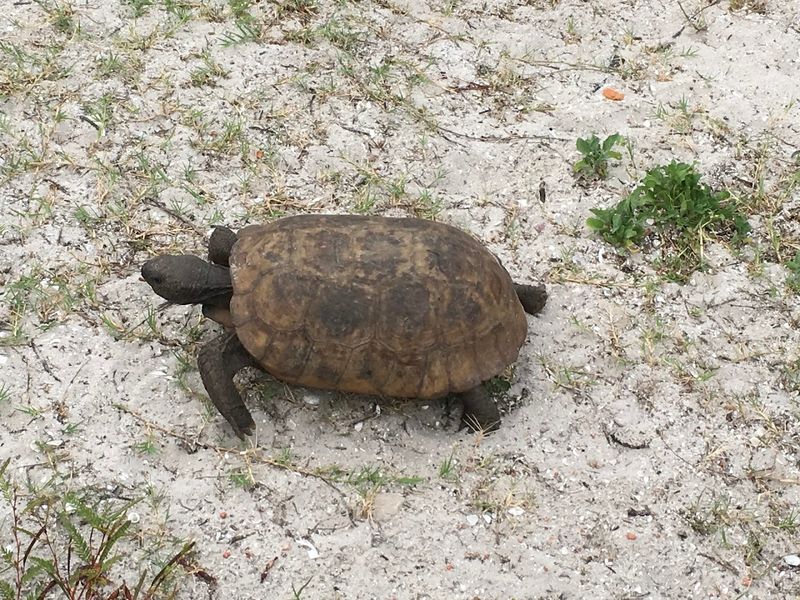
One of the joys here is spotting gopher tortoises browsing calmly beside sandy paths. They share the island with ospreys, pelicans, skimmers, and the occasional dolphin cruising just offshore. Give every animal plenty of space, and listen for rustles in the sea grapes that reveal shy movement.
The refuge protects sensitive habitat, so stay off closed beaches and respect nesting birds. Tortoise burrows tunnel deep and can collapse if stepped on, so keep to the trail line. Bring binoculars for distant shapes and a zoom lens if you love photography.
Early or late visits feel most alive. When the breeze carries seabird calls across the dunes, you will understand why this sanctuary feels untouched.
7. Shelling and Shark Teeth
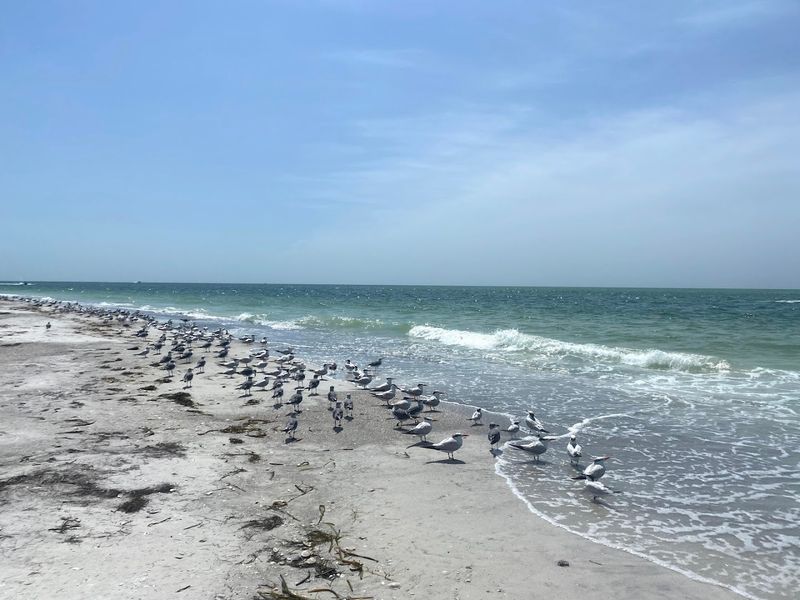
Shell seekers love Egmont Key, where each tide reveals new treasures along shifting bars. You will find scallops, olives, lettered cones, and worn coral, plus the occasional tiny shark tooth if luck aligns. Bring a mesh bag and rinse finds at the edge of the surf.
Mind local collection rules and never take living shells or disturb creatures. Scan wrack lines after storms and check calmer coves on the Gulf side when winds blow east. Take only what you truly love, leaving plenty for others and the ecosystem.
Kids get hooked quickly, and adults do too. It is meditative to walk, stoop, and listen as waves sort shells like a gentle drum beneath an open sky.
8. Know Before You Go
Egmont Key is a state park and wildlife refuge with no restrooms, no food, and no drinking water. Plan like you are going backcountry for the day. Bring at least two liters of water per person, reef safe sunscreen, a hat, sturdy sandals, and a small trash bag.
Check marine forecast, tides, and ferry times, then aim for light winds from the east if you want calmer Gulf water. There is little shade, so consider a compact umbrella and long sleeves. Service can be spotty, so carry a reliable paper map or screenshot.
Respect closures, pack out everything, and leave shells for future visitors. Do that, and you will understand why this place feels unspoiled.