This Florida Park Is Home to Wild Horses—and You Can See Them
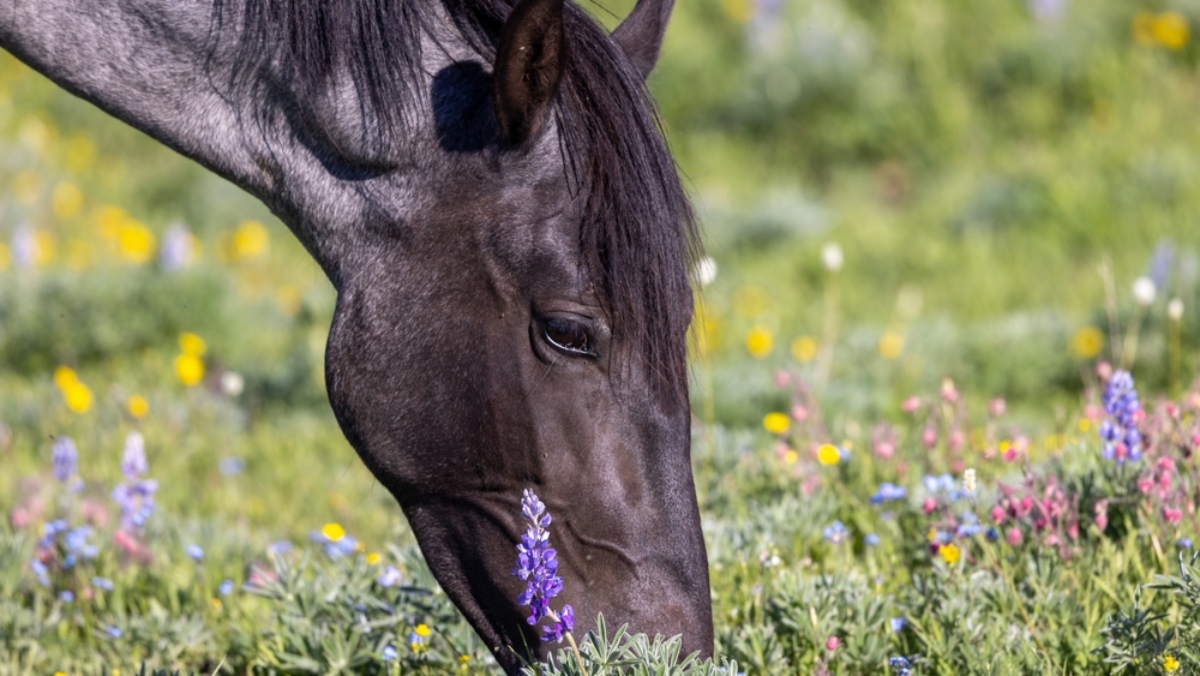
Imagine standing on an observation tower, scanning a vast prairie, when suddenly you spot a herd of wild horses galloping across the grassland. At Paynes Prairie Preserve State Park near Gainesville, this isn’t just a dream—it’s a real experience you can have any day of the week.
This incredible park offers visitors a rare chance to see Spanish horses roaming free, along with bison, alligators, and countless bird species in their natural habitat.
Why Paynes Prairie Is Florida’s Wild-Horse Wonderland
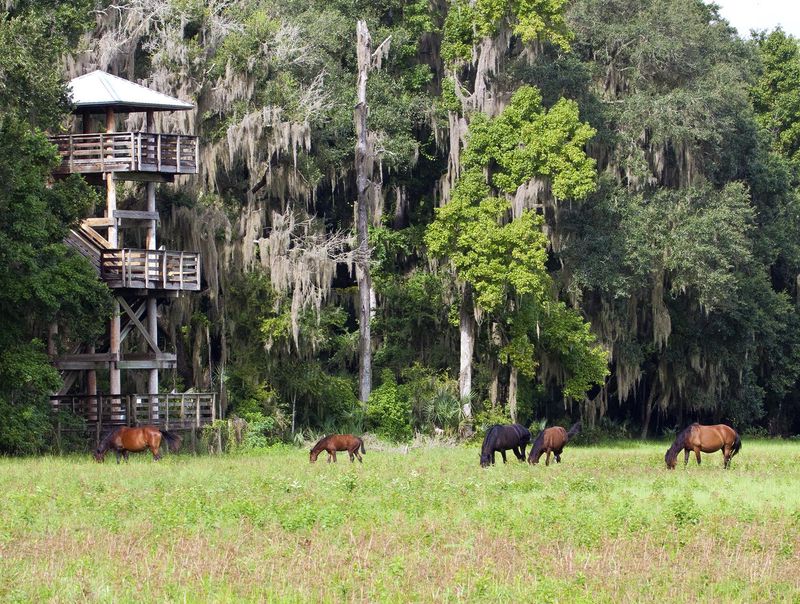
Most people don’t expect to find wild horses roaming free in Florida, but Paynes Prairie breaks all expectations. This 21,000-acre preserve creates a unique ecosystem where Spanish horses have thrived for decades, offering wildlife enthusiasts an unforgettable viewing experience.
Unlike horses you might see at a ranch or farm, these animals live completely wild and free. They roam the prairie at their own pace, grazing on native grasses and interacting naturally with their herd.
The park’s observation tower near the visitor center provides the perfect vantage point for spotting these majestic creatures from a safe distance. Bring binoculars for the best views!
The Park’s Backstory: How Horses Ended Up Roaming Here
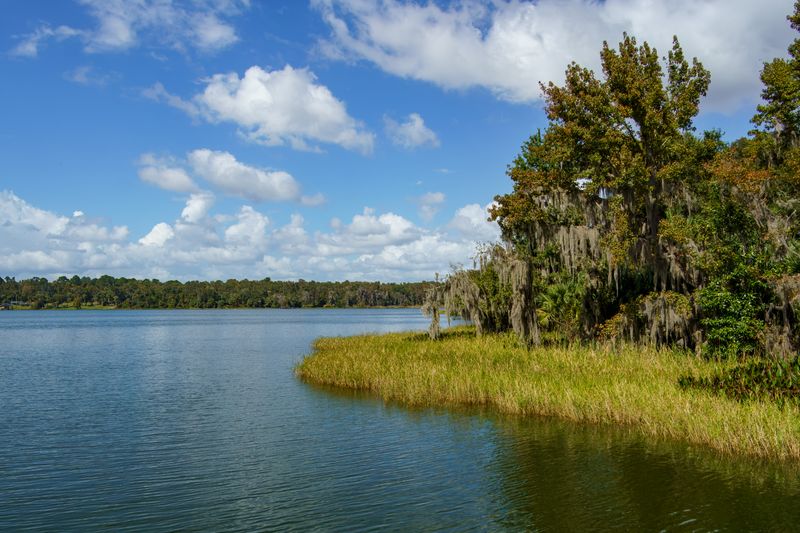
Spanish explorers brought horses to Florida centuries ago, and some escaped or were released into the wild. These descendants of colonial Spanish horses found their way to Paynes Prairie, where they’ve lived ever since, creating a living connection to Florida’s past.
The horses you see today carry the bloodline of those original Spanish breeds. Park managers carefully monitor the herd to maintain their health and prevent overpopulation while preserving this historical legacy.
Understanding this backstory makes your visit even more meaningful. You’re not just watching horses—you’re witnessing a piece of Florida’s cultural and natural history playing out before your eyes.
Where to Spot the Herd (Best Trails and Viewpoints)
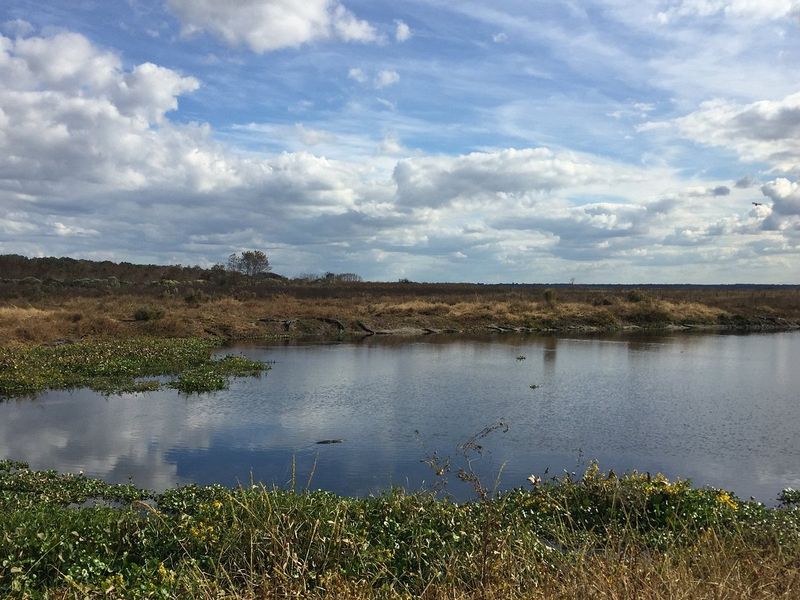
The observation tower near the visitor center stands as your best bet for horse sightings. From this elevated platform, you can scan the entire prairie and spot horses even when they’re far in the distance.
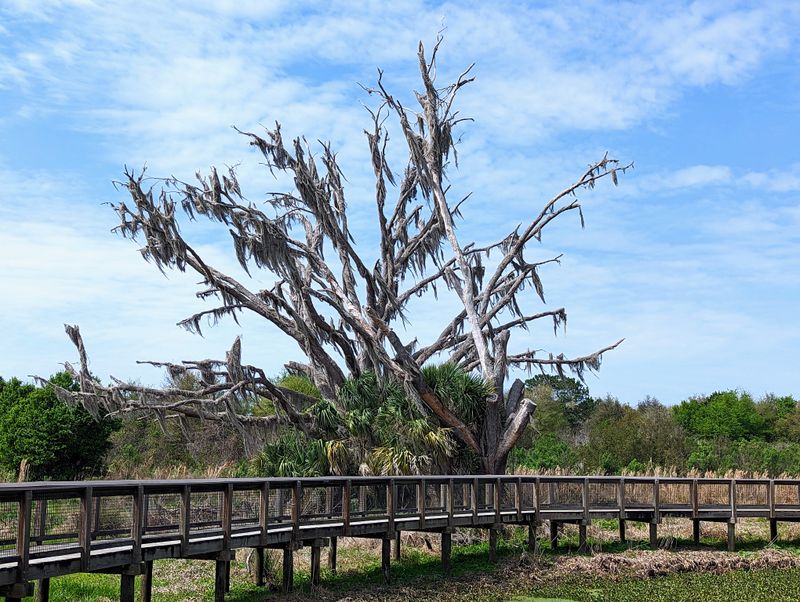
La Chua Trail also offers excellent wildlife viewing opportunities, though horses tend to roam throughout the preserve. The boardwalk keeps you safe while providing clear sightlines across the wetlands and grasslands where horses frequently graze.
Stop by the visitor center first to grab a map and ask rangers where horses were spotted recently. They track animal movements and can point you toward the most promising locations that day.
What the Wild Horses Are Like—and How to Watch Responsibly

These horses may look calm and friendly, but remember, they’re truly wild animals. They haven’t been trained or domesticated, so approaching them can be dangerous for both you and the horses.
Always maintain at least 50 feet of distance and never attempt to feed or touch them. Wild horses can kick, bite, or charge if they feel threatened or if you interrupt their natural behavior patterns.
Bring binoculars or a camera with a zoom lens to get great views without disturbing the herd. Watch how they interact with each other, graze peacefully, or occasionally break into a run across the prairie—it’s magical from a respectful distance.
The Best Time of Day and Year to See Them
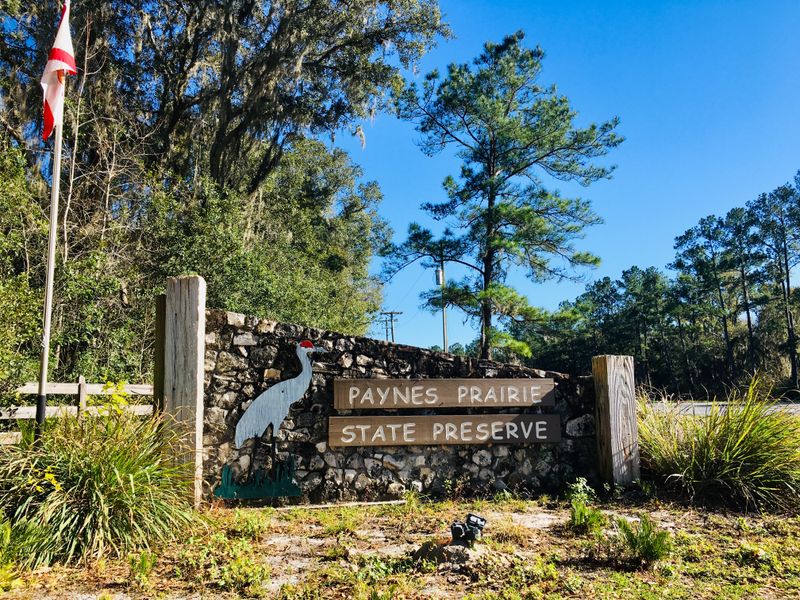
Early morning hours, right after the park opens at 8 AM, offer your best chance for horse sightings. The animals are most active during cooler parts of the day, feeding and moving around before the Florida heat sets in.
Late afternoon, especially in the hour before sunset, also brings increased activity as horses emerge to graze again. The lighting during these golden hours makes for stunning photographs, too.
Winter and spring months from November through April provide the most comfortable weather for both visitors and wildlife. During hot summer months, horses often rest in shaded areas and become less visible throughout the middle of the day.
More Than Horses: Bison, Gators, and Other Wildlife to Look For
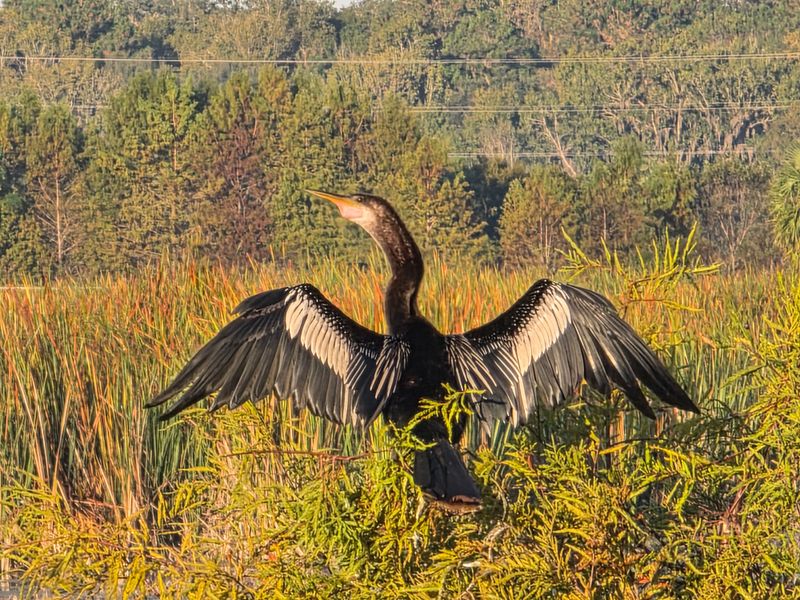
Wild horses share this preserve with an impressive cast of wildlife characters. American bison also roam the prairie—another surprising sight in Florida that makes this park truly special.
Alligators are everywhere, especially along La Chua Trail and near any water source. You’ll spot them sunbathing on banks or gliding through the water with just their eyes visible above the surface.
Birdwatchers absolutely love this park, with sandhill cranes, eagles, herons, and countless other species calling it home. Deer, armadillos, and even the occasional bobcat round out the wildlife roster, making every visit an adventure in animal spotting.
How to Plan Your Visit: Parking, Trails, and What to Bring
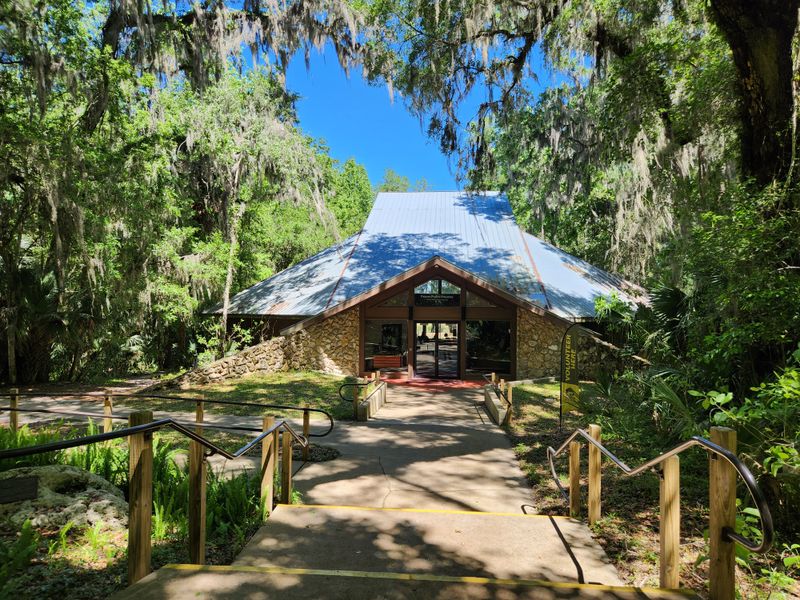
The park opens daily at 8 AM and stays open until 8:45 PM, giving you plenty of time to explore. Head to the visitor center at 100 Savannah Blvd in Micanopy first to pay the entrance fee and collect maps.
Parking is available at multiple trailheads throughout the preserve. Wear comfortable walking shoes, bring plenty of water, and pack sunscreen since shade is limited on observation areas and boardwalks.
Binoculars, a camera, and insect repellent should top your packing list. Bathroom facilities exist but are limited, so plan accordingly.
The Takeaway: Who This Park Is Perfect For (and What to Expect)
Nature lovers, photographers, and families seeking an authentic Florida wilderness experience will find Paynes Prairie absolutely perfect. The park offers something rare—a chance to witness large wild animals in their natural environment without traveling to distant locations.
Set realistic expectations: you might not see horses on every visit, though chances are good, especially during optimal times. Even without horse sightings, the preserve’s diverse wildlife and beautiful landscapes make the trip worthwhile.
Whether you spend an hour at the observation tower or hike trails all day, this park delivers a genuine connection to Florida’s wild side that few other places can match.