This Florida Town Is One of the Best Places to Spot Sea Turtles in the U.S.
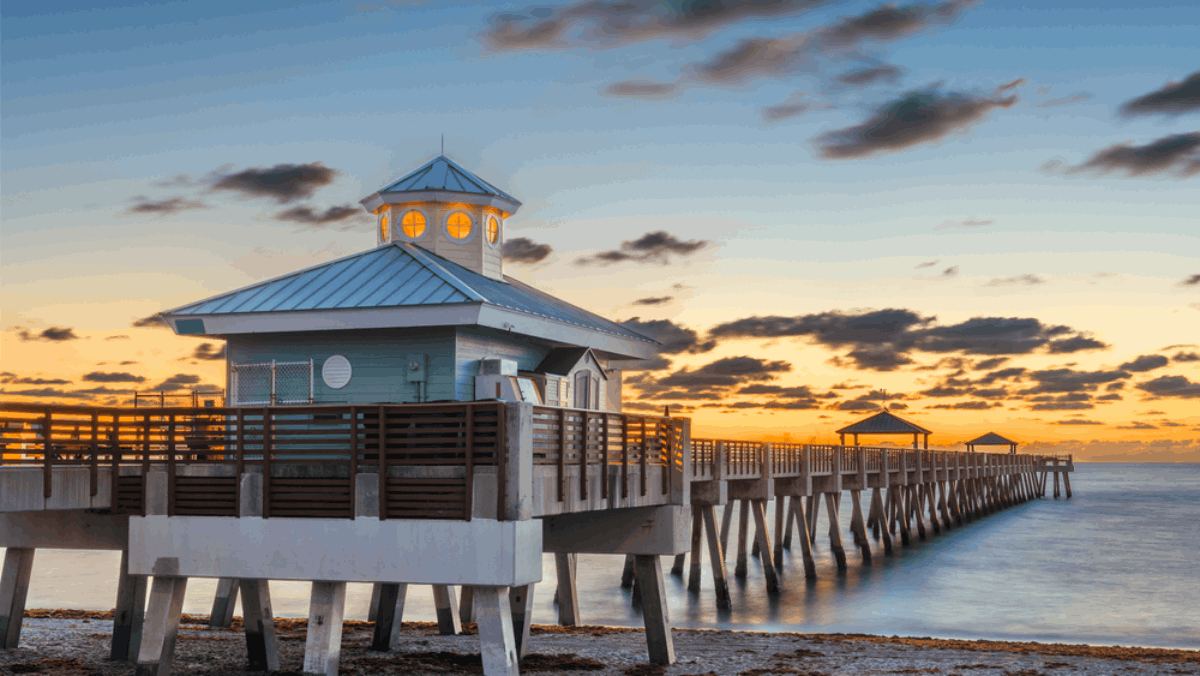
Juno Beach, a small coastal town in Palm Beach County, Florida, holds a special distinction that draws nature lovers from across the country. This quiet community is home to one of the most concentrated sea turtle nesting areas on the planet. Every year, thousands of loggerhead, green, and leatherback turtles return to these shores to lay their eggs, creating an unforgettable wildlife spectacle that few places can match.
Why This Florida Town Is a Hotspot for Sea Turtle Activity
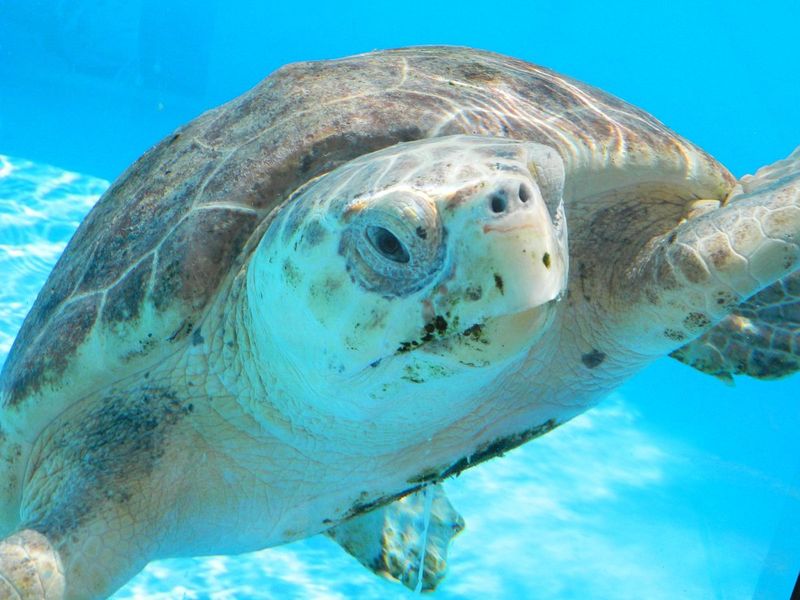
Every spring and summer, something remarkable happens along the shoreline of Juno Beach. Female sea turtles emerge from the Atlantic Ocean under the cover of darkness to dig nests and deposit their precious eggs. What makes this location so special is the perfect combination of wide, sandy beaches and minimal artificial lighting that might confuse hatchlings.
The town has earned recognition as having one of the highest densities of sea turtle nests anywhere in the world. In a single season, thousands of nests appear along just a few miles of coastline. Three different species choose these beaches: loggerheads, green turtles, and the occasional leatherback.
Local conservation groups work tirelessly to protect nesting sites and monitor turtle activity throughout the season. Their dedication has helped Juno Beach become a model for successful sea turtle preservation efforts nationwide.
The Beaches Where Sea Turtles Nest Most Often
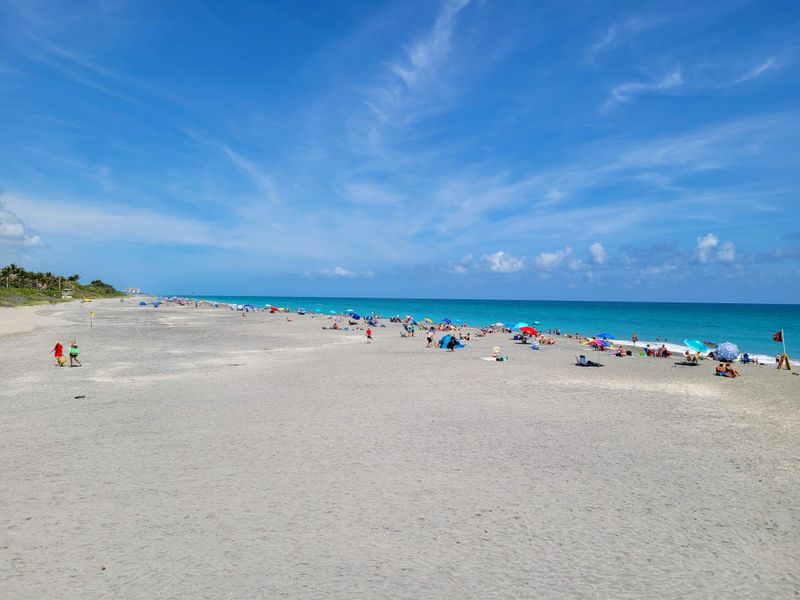
Juno Beach Park serves as the primary public access point where visitors can experience the magic of sea turtle season. This well-maintained beach stretches along the Atlantic coast and provides ideal conditions for nesting turtles. The sand here has just the right texture and temperature for incubating eggs successfully.
North of the main park, additional nesting zones extend toward neighboring communities, but Juno Beach itself claims the highest concentration. Beach patrol volunteers mark and protect each nest with wooden stakes and bright tape, making them easy to identify during daytime visits.
The Best Time of Year to See Sea Turtles Here
Mark your calendar for late spring through early fall if you want to witness sea turtle activity in Juno Beach. Nesting season officially runs from March through October, with peak activity occurring between May and August. During these months, female turtles crawl ashore almost nightly to create their nests.
Hatchlings typically emerge from their sandy nurseries about sixty days after eggs are laid. This means late summer and early autumn offer the best chances to see baby turtles making their dash to the ocean. August and September are particularly exciting months for hatchling releases.
Guided turtle walks operate during peak season, usually starting around 9 PM when darkness provides cover for the sensitive creatures. These tours book up quickly, so planning ahead is essential for anyone hoping to observe nesting behavior firsthand.
How Close You Can Actually Get to Sea Turtles (And the Rules to Know)
Strict regulations protect sea turtles in Juno Beach, and following them is not just required by law but essential for the animals’ survival. Visitors must maintain a minimum distance of at least ten feet from any turtle or nest. Getting too close can cause a nesting female to abandon her effort and return to the sea without laying eggs.
Flashlights and camera flashes are prohibited near turtles because artificial light disorients both adults and hatchlings. If you need illumination, only red or amber lights are permitted, as turtles cannot see these wavelengths. Touching or disturbing turtles in any way carries serious penalties, including hefty fines.
Authorized tour guides from organizations like the Loggerhead Marinelife Center can bring small groups to observe turtles under controlled conditions. These professionals know exactly how to facilitate meaningful encounters while prioritizing animal welfare above all else.
Why Conservation Efforts Here Matter More Than Ever
Sea turtles face mounting threats worldwide, from climate change to coastal development to plastic pollution. Every single nesting beach becomes critically important for species survival. Juno Beach represents one of the last strongholds where multiple turtle species still thrive in significant numbers.
Rising sea levels and stronger storms threaten to wash away nests before eggs can hatch. Beach erosion reduces available nesting habitat each year. Meanwhile, artificial lighting from nearby buildings confuses hatchlings, leading them away from the ocean toward dangerous roads and parking lots.
Conservation programs in Juno Beach tackle these challenges through nest relocation, light pollution reduction, and public education. Volunteers patrol beaches daily, relocating vulnerable nests and rescuing disoriented hatchlings. Their work directly impacts whether future generations will still see these ancient mariners returning to shore each summer.
What Makes This Coastline Ideal for Sea Turtle Nesting
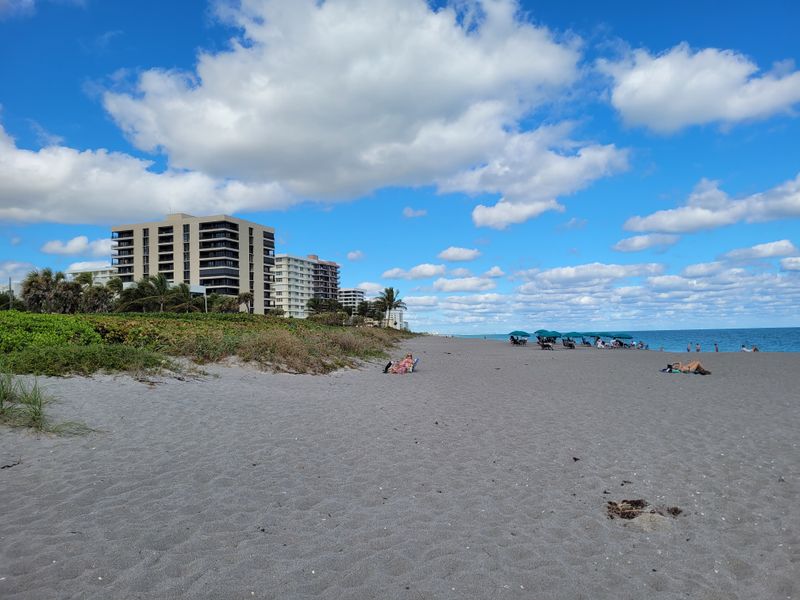
Geography and geology combine to create perfect nesting conditions along the Juno Beach shoreline. The beach features fine-grained sand that females can easily excavate with their flippers, yet it remains stable enough to protect developing eggs. The slope of the beach allows proper drainage while maintaining ideal moisture levels within nest chambers.
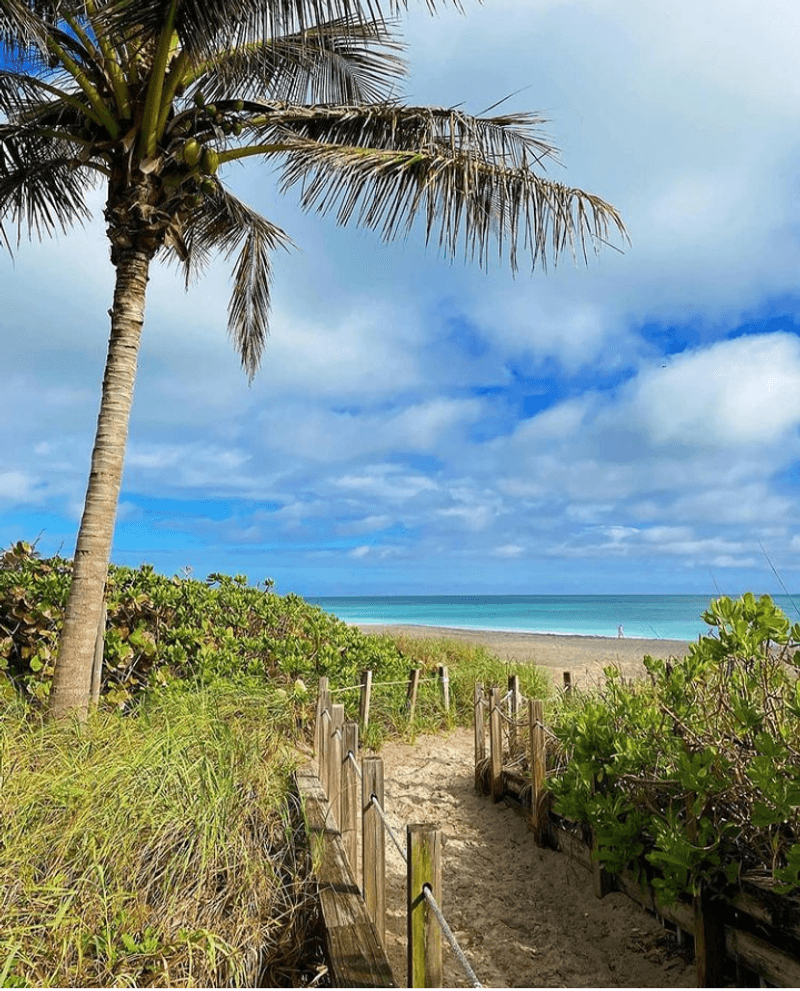
Natural dune systems provide crucial protection from high tides and storm surge. Vegetation on these dunes stabilizes sand and creates slightly cooler temperatures that benefit incubating eggs. The offshore waters remain relatively shallow, making it easier for exhausted mothers to reach the beach after their long ocean journey.
Perhaps most importantly, Juno Beach has maintained relatively low levels of development compared to other Florida coastal areas. Fewer buildings mean less light pollution and more natural beach habitat available for nesting turtles year after year.
Where to Learn More About Sea Turtles Before You Go
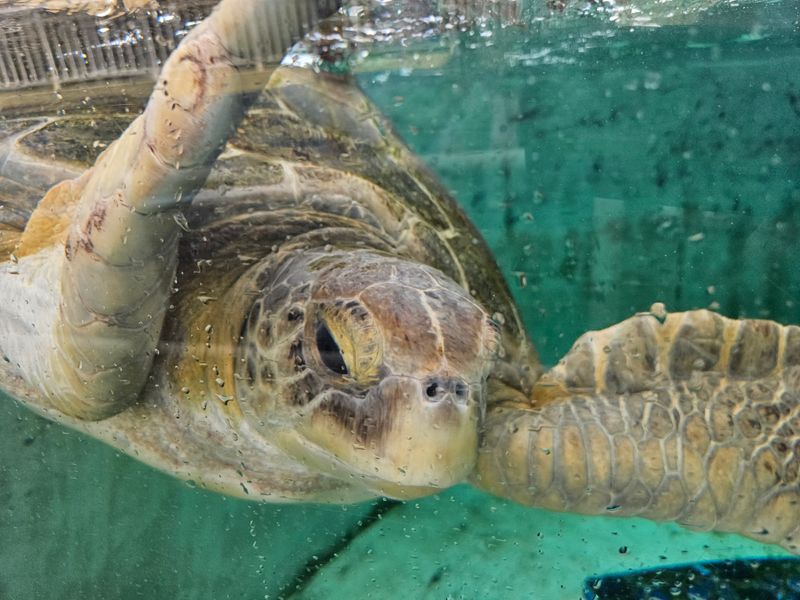
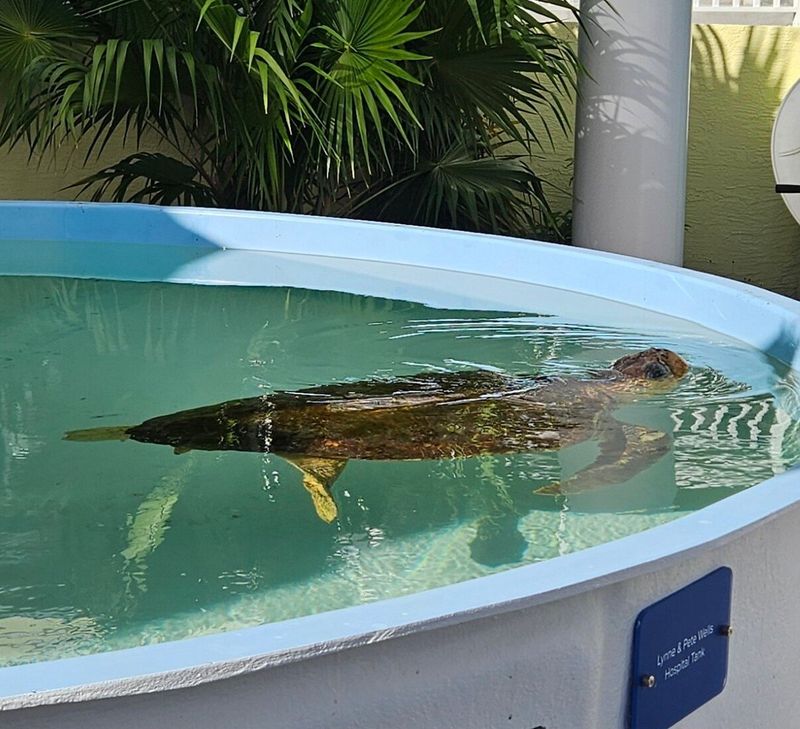
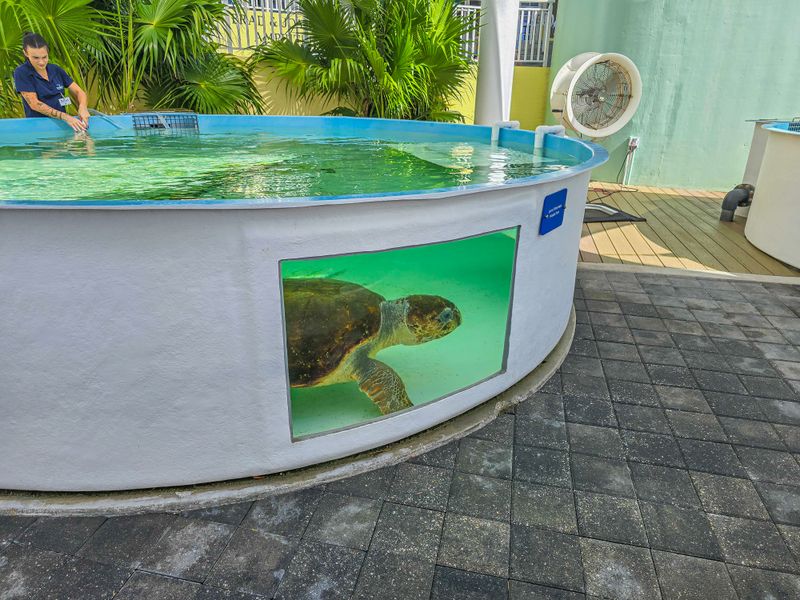
Before heading to the beach, stop by the Loggerhead Marinelife Center, located right in Juno Beach. This facility serves as both a rehabilitation hospital for injured sea turtles and an educational center open to the public free of charge. Interactive exhibits explain turtle biology, nesting behavior, and conservation challenges in engaging, accessible ways.
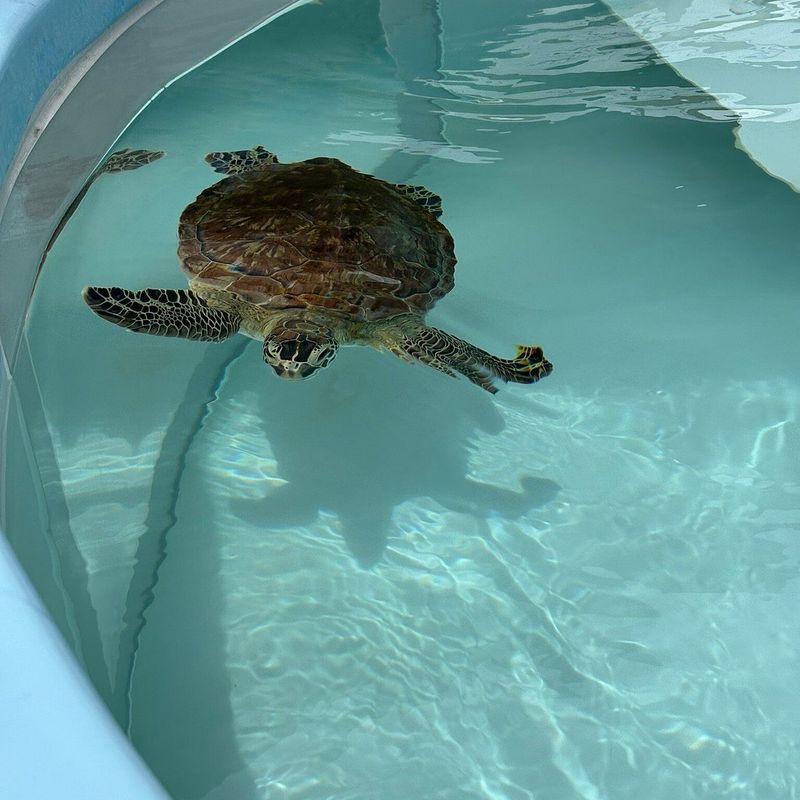
Visitors can observe recovering turtles in rehabilitation tanks and learn about the specific injuries or illnesses affecting each patient. Knowledgeable staff members answer questions and provide context about local turtle populations. The center also offers guided turtle walks during nesting season, led by trained naturalists who share fascinating insights.
Educational programs at the center prepare visitors to observe turtles responsibly and understand the broader ecological importance of these creatures. Spending an hour here before your beach visit dramatically enhances the experience and appreciation of what you might witness.
Why This Town Is a Must-Visit for Wildlife Lovers
Few places offer such reliable, accessible opportunities to observe endangered species in their natural habitat. Juno Beach delivers an authentic wildlife experience without requiring expensive equipment, dangerous conditions, or extensive travel to remote locations. Families, photographers, and nature enthusiasts all find something memorable here.
Beyond sea turtles, the area supports diverse coastal ecosystems including shorebirds, dolphins, and marine fish species. The combination of protected beaches, educational facilities, and community commitment to conservation creates an atmosphere where wildlife truly comes first. You can feel good knowing your visit supports ongoing preservation efforts.