This Florida Trail Is One Of The Few Places Where Wild Horses Still Roam Free
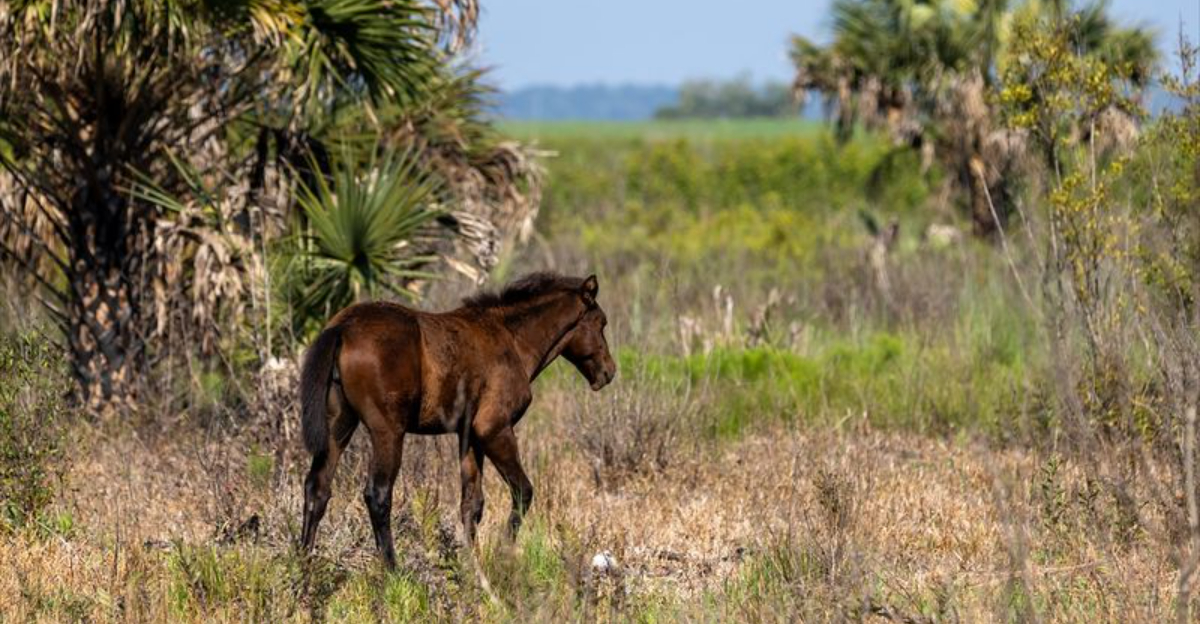
Ever dreamed of watching wild horses wander across a real Florida prairie? At Paynes Prairie Preserve State Park, that scene is still alive, and you can walk right to the edge of it. Trails like La Chua and Bolen Bluff put you within respectful view of horses, bison, and countless birds.
Here is how to plan an unforgettable day that feels timeless yet totally doable.
1. La Chua Trail: Where Wild Horses Roam
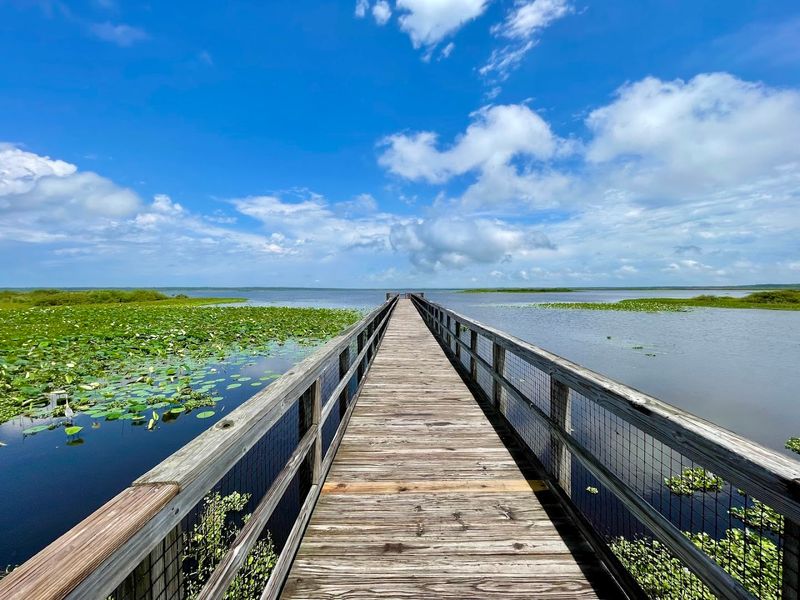
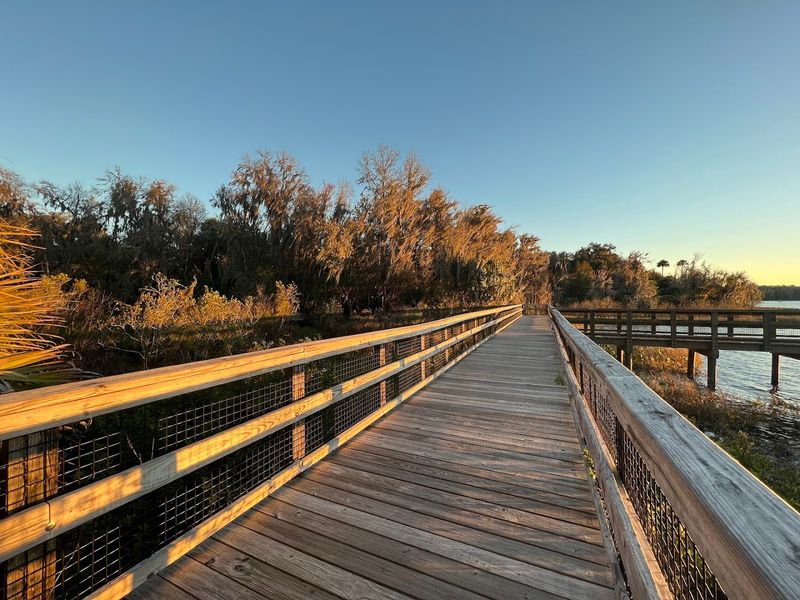
La Chua Trail is the classic walk where wild horses often graze within view, and it feels like stepping into old Florida. You start on a boardwalk past Alachua Sink, then follow a levee flanked by marsh and open prairie. The sun can be intense, so bring water, a hat, and patience for long, rewarding views.
Wildlife rules here. Alligators line canals, wading birds stalk quietly, and sometimes bison appear as brown humps on the horizon. Give every animal safe space and stay on the trail, especially when horses cross ahead.
Mornings and late afternoons are best for cooler air and softer light. If water is high, sections may close, so check conditions at the visitor center before heading out.
2. Bolen Bluff Trail Overlook
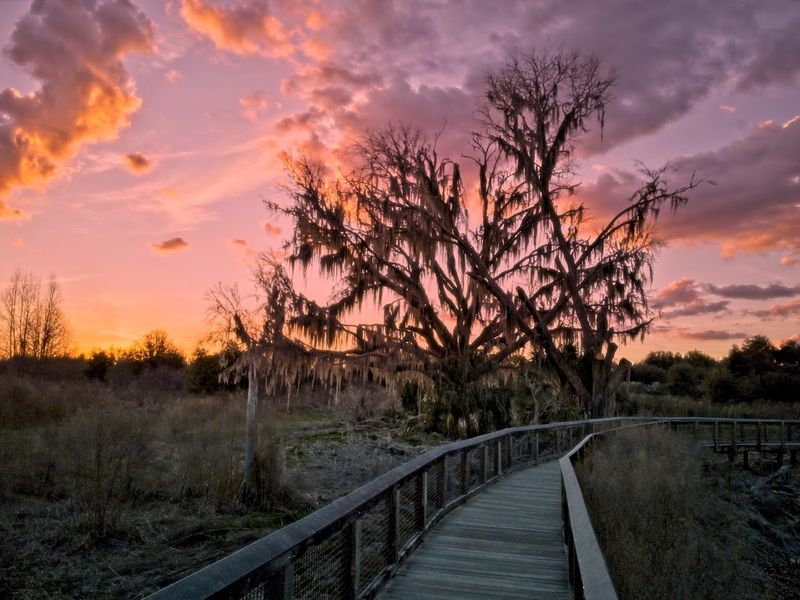
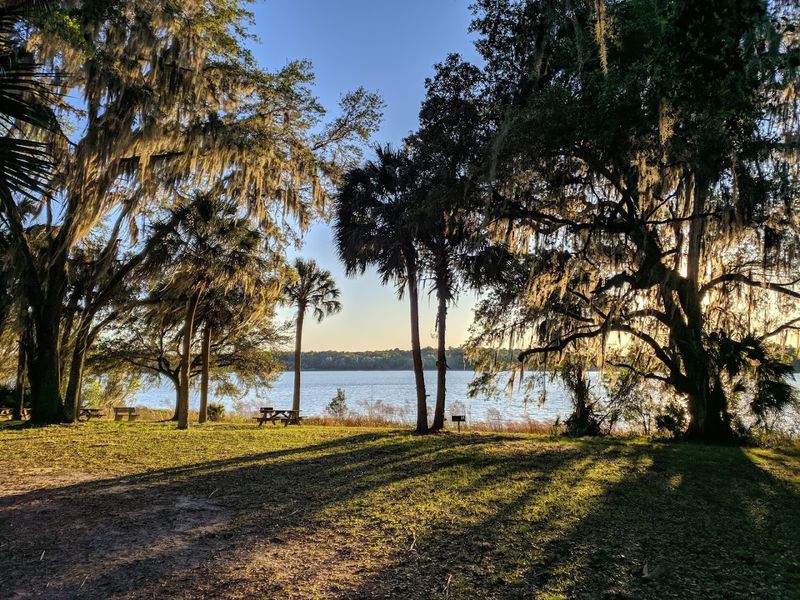
Bolen Bluff feels like a secret, starting in shady hardwoods before breaking onto a sweeping prairie viewpoint. The loop is gentle, with a spur leading to an overlook where you can scan for horses, bison, deer, and raptors. Oaks draped in Spanish moss frame the path, and the breeze picks up as you step into wide open grassland.
Bring binoculars. Animals can be far out, and heat shimmer fools the eye. Stand still, listen for hoofbeats, and you might spot Spanish horses drifting between islands of scrub.
Trails can be muddy after rain, and feral hog sign is common, so watch your footing. Sunset paints the prairie gold, then pink, making the walk back through the forest feel purely magical.
3. Visitor Center and Observation Tower
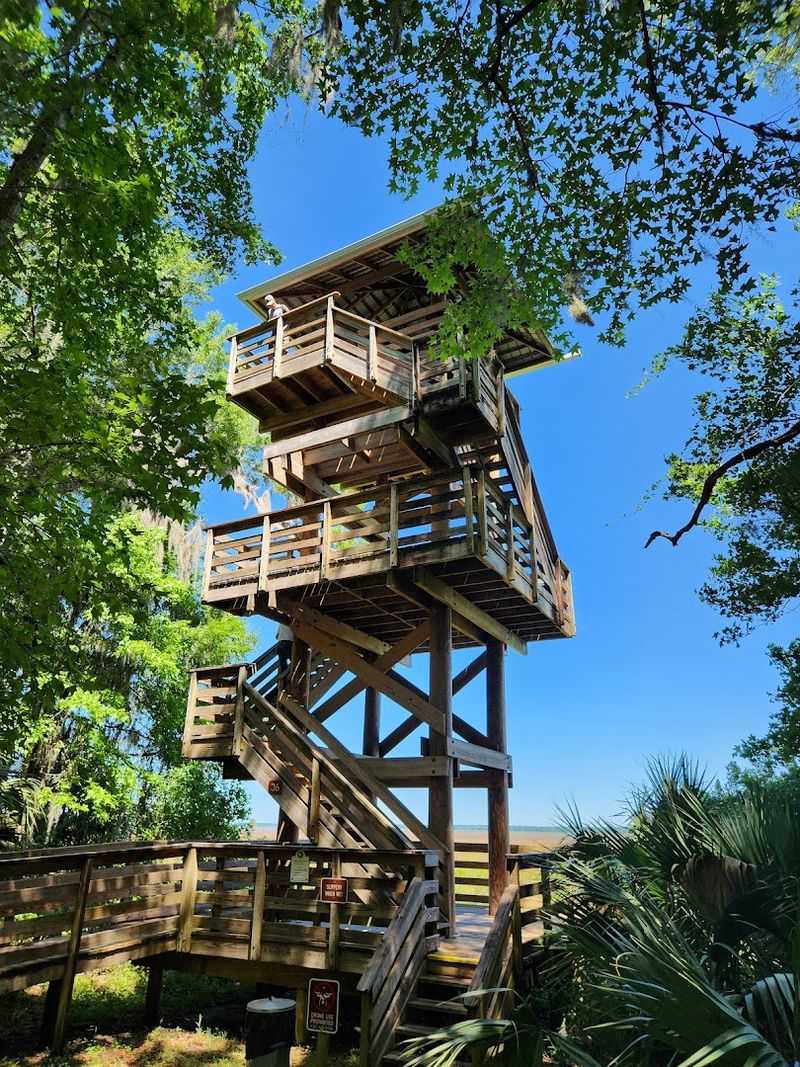
Start at the visitor center near the main ranger station for maps, tips, and the best current spots to find horses. Staff happily share recent sightings, trail closures, and safety reminders. After you browse the exhibits, climb the observation tower for a breathtaking sweep of marsh, hammocks, and that immense prairie skyline.
The view changes hourly. On clear mornings you might see sandhill cranes crossing like gray kites and distant horse bands threading the grasses. Admission is typically six dollars per vehicle, and hours run about 8 AM to near sunset, season depending.
Restrooms, water, and shaded picnic tables make it an easy base. Snap a photo, set your expectations, then pick a trail that fits your time and weather.
4. Wildlife Etiquette and Safety
Seeing wild horses is unforgettable, and it comes with responsibility. Stay on marked trails, keep a generous buffer, and never feed or call to wildlife. Horses, bison, and alligators can move suddenly.
If animals block the path, wait quietly or turn back. Pets should remain on short leashes, and kids need close supervision near water.
Pack water, sunscreen, and a brimmed hat because much of the prairie sits under full sun. Closed-toe shoes help with roots and soggy stretches. Bring binoculars so you can enjoy animals at safe distances while still feeling near.
If storms build, leave open areas quickly. Let rangers know about any concerning behavior you see. Respecting space protects you and keeps Paynes Prairie truly wild today.
5. Camping and Practical Amenities
Camping here makes sunrise on the prairie effortless. The forested campground offers electric and water at many sites, fire rings, and a clean bathhouse with hot showers. Roads are paved, sites are mostly level, and nights feel quiet under owls and stars.
Firewood is for sale at the ranger station, but ice is not always available, so plan ahead.
Bring bikes to explore multiple trailheads without moving the car. Picnic areas and boardwalks make easy midday breaks, and Gainesville groceries are not far if you forgot something. Reservations help, but cancellations pop up.
If you prefer tent walk-ins, some secluded pads sit just off the loop. Respect quiet hours, pack out trash, and you will sleep like you earned it.
6. Photography and Best Times to Visit
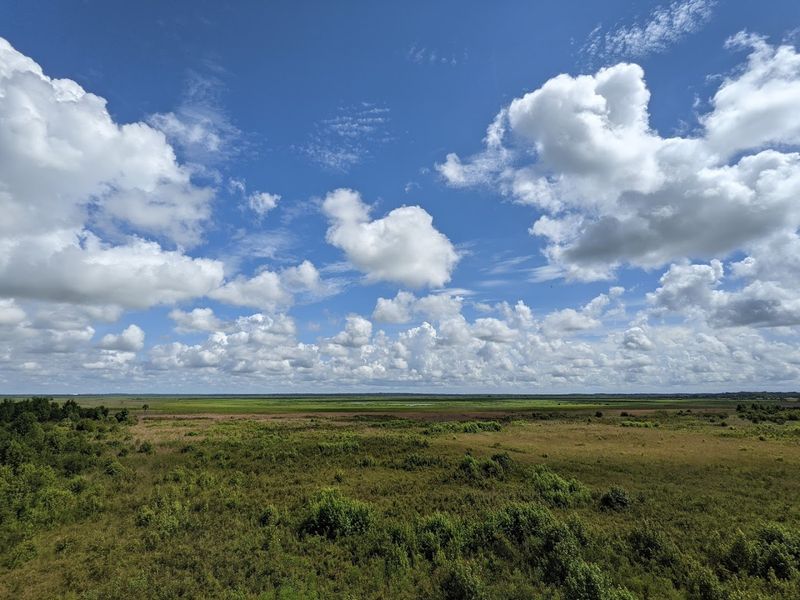
If your goal is unforgettable photos of free roaming horses, plan for golden hours and big skies. Morning fog can drift off the wetlands like stage smoke, while evenings light the grasses with warm fire. Travel light but carry a long lens or binoculars, because wildlife keeps its distance.
A polarizer tames glare on water and deepens that blue Florida dome.
Check the park map for multiple entrances to vary backgrounds and sun angles. The main entrance near 100 Savannah Blvd is perfect for the tower, while other access points deliver different vantages across the prairie. Trails are mostly flat yet exposed, and wind adds drama to manes.
Give subjects room, wait quietly, and let the wild moments come naturally.