This Hidden Florida Beach Is One of the Best Places to Hunt for Shark Teeth
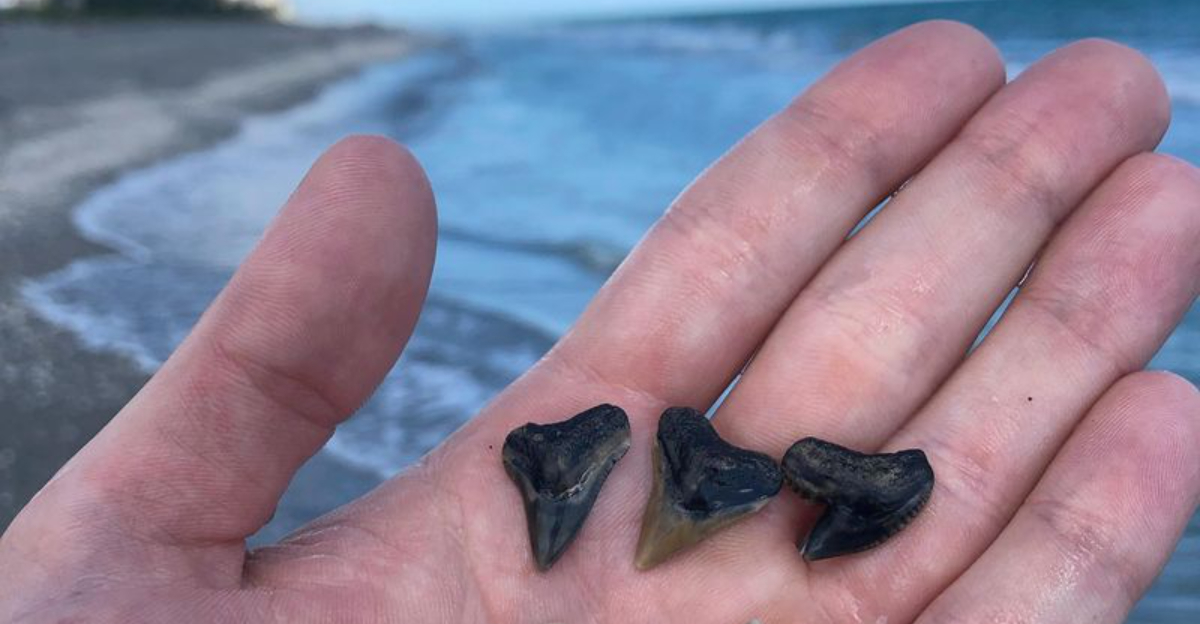
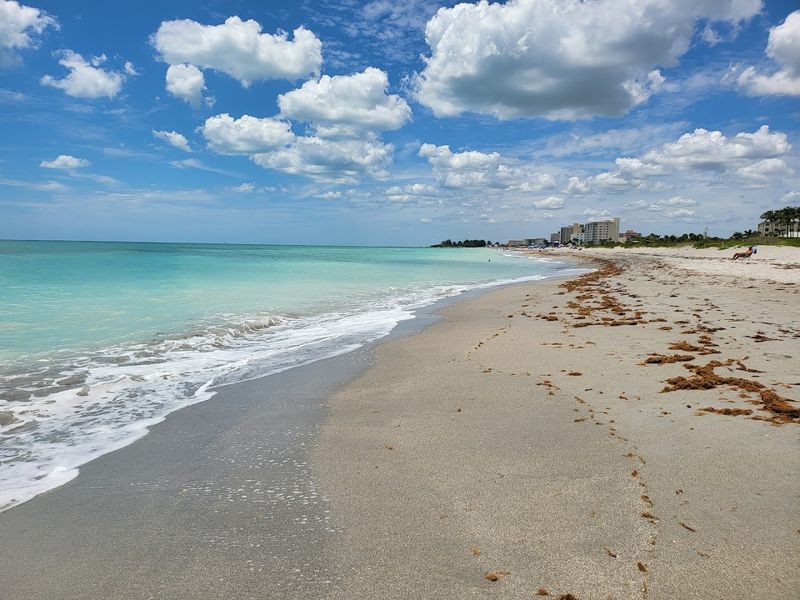
Venice Beach sits along Florida’s Gulf Coast as a quiet treasure for anyone who loves hunting for fossils. While most people flock to crowded tourist beaches, this stretch of sand offers something truly special: thousands of ancient shark teeth washing up with every tide. Locals call it the Shark Tooth Capital of the World, and once you visit, you’ll understand why collectors travel from all over just to comb through the dark sand and shells.
1. Why Venice Beach Has So Many Shark Teeth
Millions of years ago, this part of Florida sat underwater as a shallow sea filled with prehistoric sharks. When these massive creatures died, their teeth sank to the ocean floor and became fossils over time. The powerful Gulf currents still churn up these ancient treasures from deep offshore ledges, depositing them right onto Venice Beach where anyone can find them.
What makes this spot different from other beaches is the unique combination of ocean currents and geological features. The Venice Shelf, located just offshore, acts like a conveyor belt bringing fossilized teeth from ancient shark burial grounds straight to shore. Strong storms and changing tides work together to push these black and brown teeth onto the sand, especially after rough weather passes through the area.
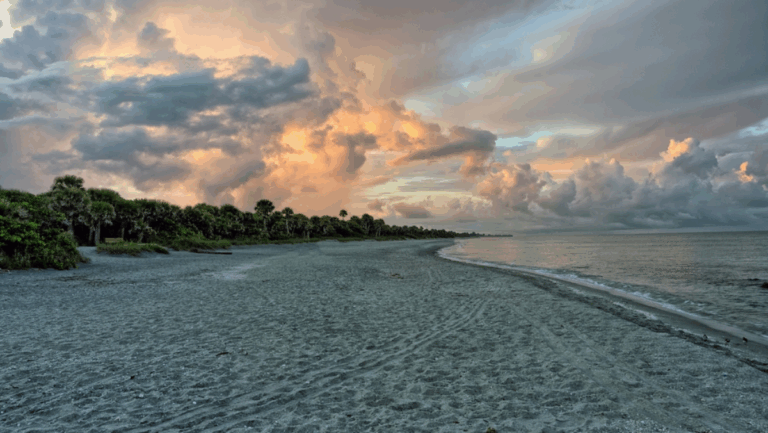
You’ll notice the sand here looks darker than typical Florida beaches because it contains so many fossil fragments mixed in. Walk along the waterline after high tide, and you’ll spot triangular shapes peeking out from between shells and pebbles. Some teeth are tiny, barely bigger than a grain of rice, while others stretch several inches long from extinct species like the Megalodon.
2. Best Times to Hunt for Shark Teeth
Serious tooth hunters know that timing matters when you’re searching for fossils. Early morning right after sunrise gives you the best chance because you’ll be the first person walking the beach after overnight tides brought in fresh treasures. The sand sits undisturbed, and the angled morning light makes it easier to spot the dark teeth against lighter shells and sand.
Low tide creates ideal hunting conditions because more ocean floor gets exposed, revealing teeth that normally stay underwater. Check tide charts before your visit and plan to arrive about an hour before the lowest tide of the day. You’ll have access to areas that stay submerged during high tide, giving you first pick of newly exposed fossils.
After storms or rough weather, Venice Beach becomes a shark tooth paradise. Strong waves and currents churn up the ocean floor, bringing countless teeth to shore in huge quantities. Local collectors often rush to the beach the morning after a storm passes because they know the pickings will be incredible.
Winter months tend to produce more teeth than summer because stronger currents and seasonal weather patterns push more fossils toward shore.
3. What Tools You Need for Hunting
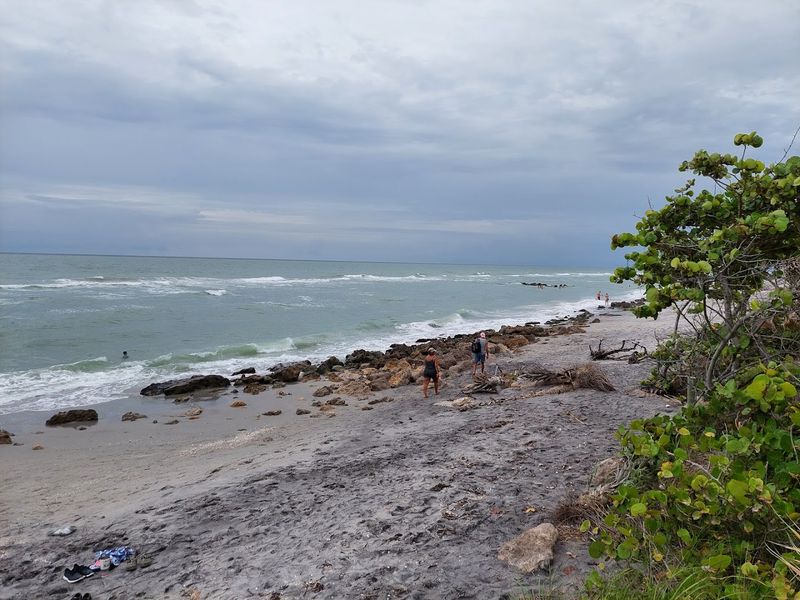
You don’t need fancy equipment to find shark teeth at Venice Beach, but a few simple tools make the hunt much easier and more productive. A small sand sifter or beach scoop lets you process larger amounts of sand quickly, filtering out shells and debris while catching teeth in the mesh. Many hunters use plastic colanders from dollar stores, which work perfectly for this purpose and won’t break your budget.
Bring a small container or ziplock bag to store your finds as you walk the beach. Some collectors wear small pouches around their waists so they can keep both hands free for searching. A pair of polarized sunglasses helps reduce glare from the water and sand, making it easier to spot the dark teeth against the lighter background.
Serious fossil hunters sometimes bring specialized shark tooth sifters with different mesh sizes to catch various tooth sizes. These look like large rectangular frames with screen bottoms that you can drag through shallow water or shake filled with sand. Knee pads or a small cushion help if you plan to spend time crouching or kneeling while examining promising spots along the shoreline.
4. Where to Search Along the Beach
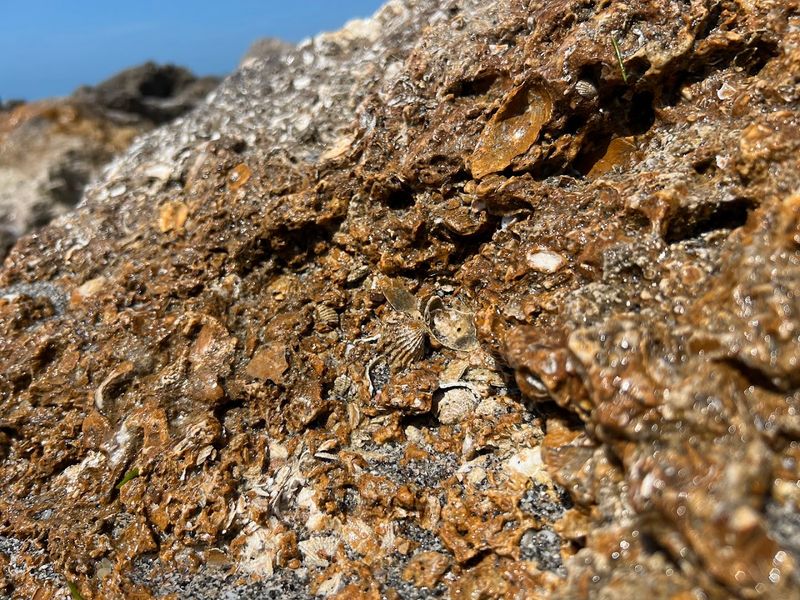
The waterline where waves meet sand produces the most shark teeth because constant wave action concentrates heavier fossils in this narrow zone. Walk slowly along this strip, watching where each wave retreats and leaves behind a fresh line of shells and debris. Teeth often get trapped in small depressions or caught against larger shells, so scan carefully rather than rushing past potential treasure spots.
Look for areas where dark sand accumulates in patches or streaks running parallel to the water. These concentrations of heavy minerals often contain clusters of teeth mixed in with the darker sediment. Locals call these “black sand patches,” and experienced hunters know to spend extra time examining these productive zones thoroughly.
Public beach access points near the Venice Fishing Pier and Caspersen Beach produce excellent finds consistently. The pier area attracts many hunters, but the constant wave action against the pilings stirs up fresh teeth regularly. Caspersen Beach, located south of the main Venice Beach area, offers a wider, less crowded stretch perfect for serious collecting.
The north jetty area also concentrates teeth because rocks and structures create eddies that trap fossils as currents sweep past.
5. How to Identify Real Shark Teeth
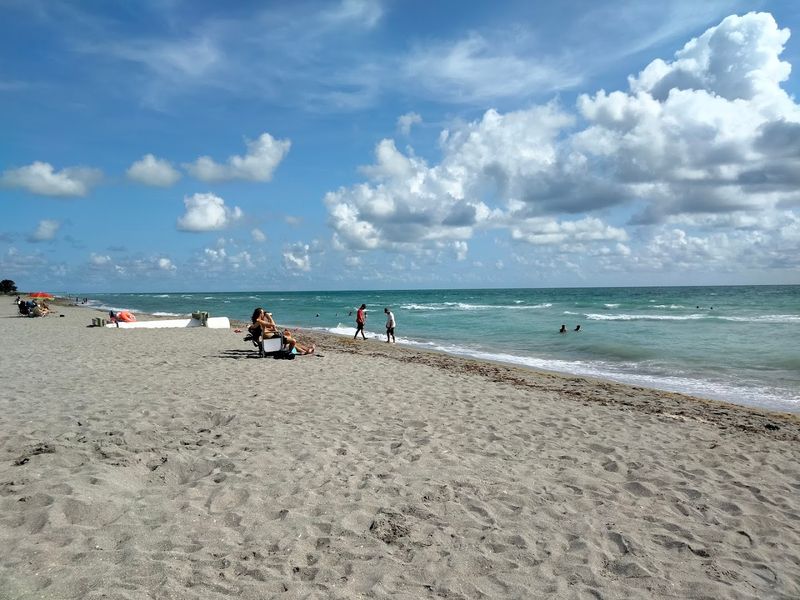
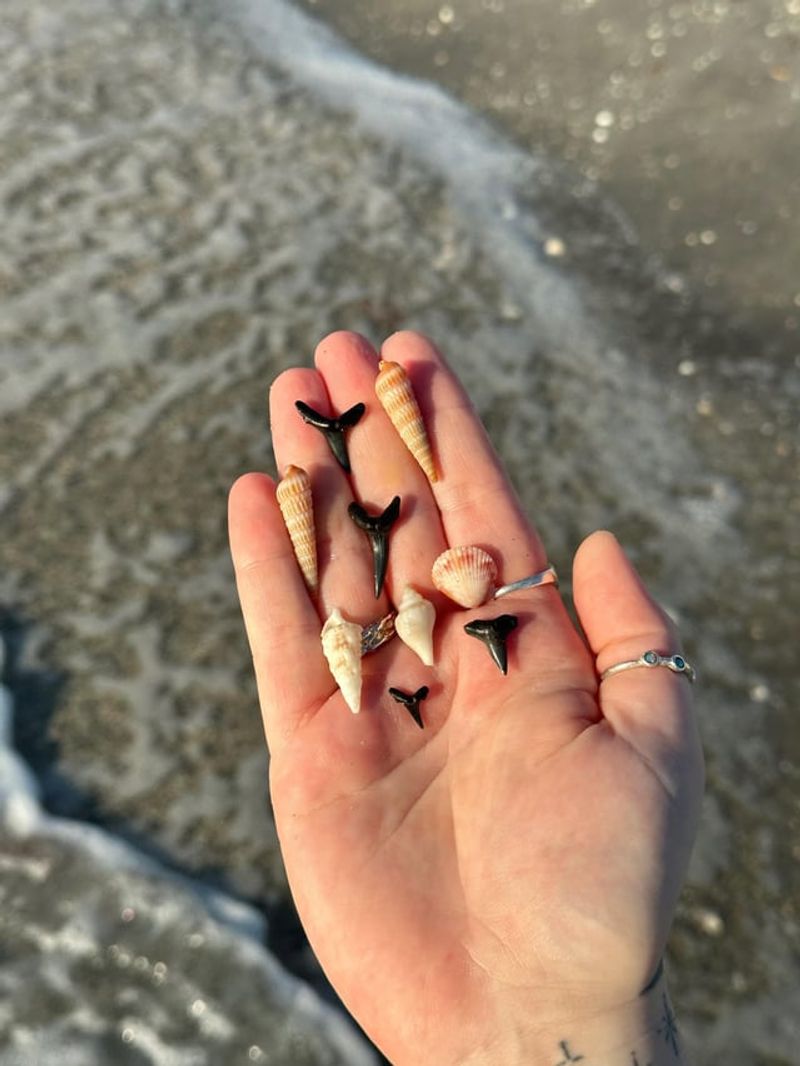
Real fossilized shark teeth have a glossy, enamel-like surface that catches light differently than regular rocks or shells. The triangular shape with serrated edges is the classic shark tooth profile, though some species have smoother, more pointed teeth without visible serrations. Colors range from black and dark gray to brown, tan, and occasionally white depending on the minerals present during fossilization.
Run your finger along the edge carefully, and you’ll feel how sharp many teeth remain even after millions of years. The root area looks different from the blade, usually appearing rougher with a hollow center where the tooth attached to the shark’s jaw. This distinctive two-part structure separates genuine teeth from similarly shaped rocks or shell fragments that fool beginners.
Size varies dramatically based on the shark species. Most teeth you’ll find measure between a quarter-inch to one inch long, coming from smaller sharks that lived in these ancient waters. Occasionally, hunters discover impressive specimens several inches long from massive prehistoric sharks.
Weight helps identify real teeth too—fossils feel heavier and denser than shells or rocks of similar size because mineral replacement makes them solid and substantial in your hand.
6. Types of Shark Teeth You’ll Discover
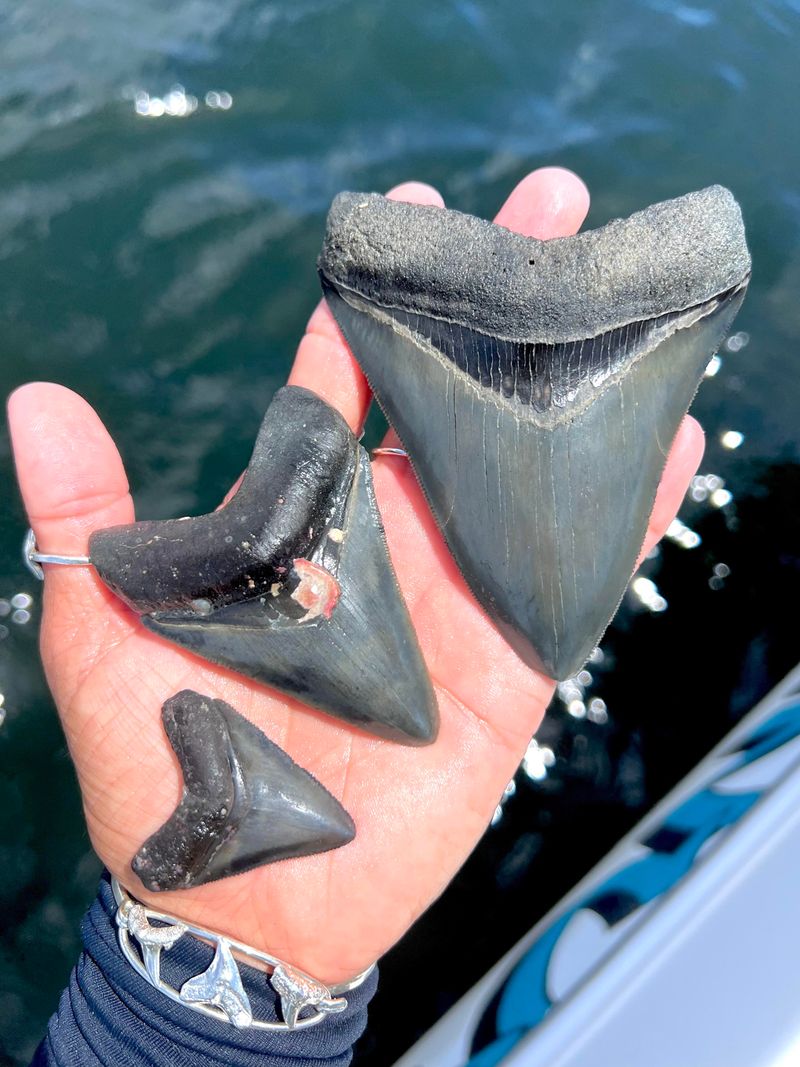
Lemon shark teeth appear most frequently along Venice Beach, recognizable by their narrow, curved shape and smooth edges. These yellowish-brown fossils come from sharks that cruised these waters for millions of years, feeding on fish and smaller prey. Bull shark teeth show up regularly too, featuring broader triangles with coarse serrations perfect for their aggressive hunting style.
Mako shark teeth excite collectors because of their sleek, blade-like appearance with minimal serrations and graceful curves. These fossils indicate incredible speed and agility in the ancient sharks that once ruled these waters. Tiger shark teeth display unique curved shapes with heavy serrations, designed for crushing prey with tough shells and bones.
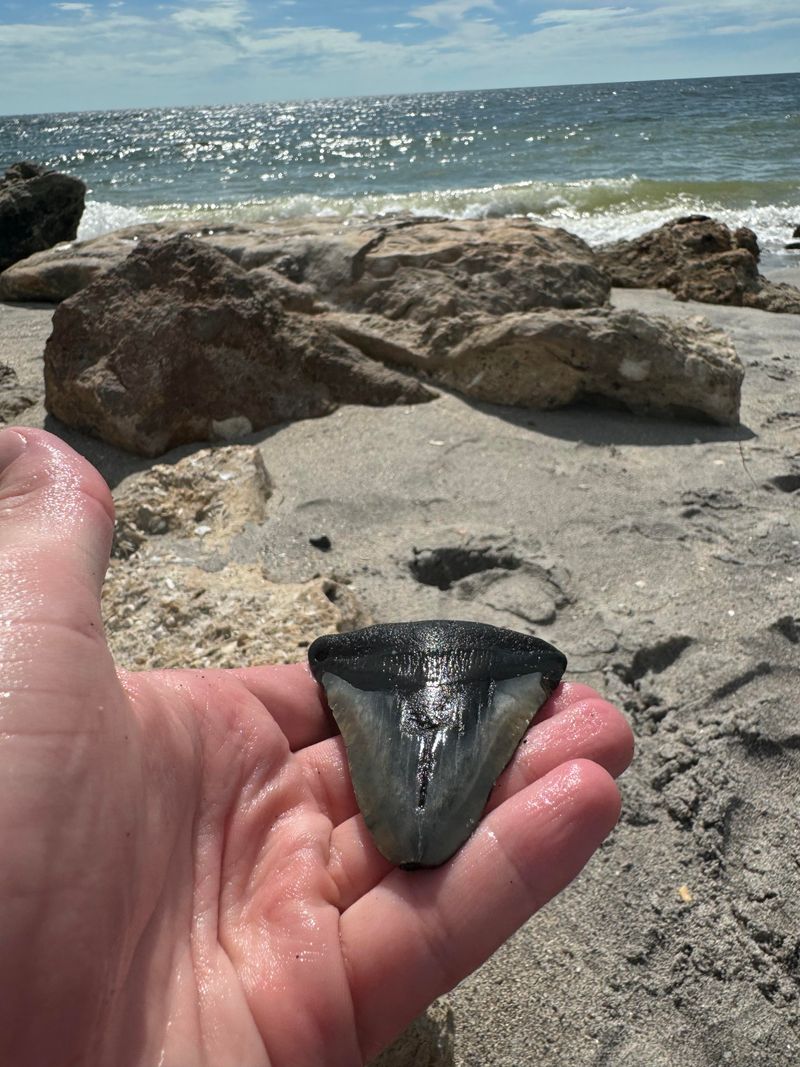
The ultimate prize for any Venice Beach tooth hunter is finding a Megalodon tooth from the largest shark that ever lived. These giants grew over 50 feet long with teeth reaching six inches or more. Finding even a small Meg tooth, perhaps an inch or two long, represents an incredible discovery since these massive predators went extinct millions of years ago.
Great white shark teeth also wash ashore occasionally, looking similar to Megalodons but generally smaller with slightly different proportions and serration patterns.
7. Rules and Etiquette for Collecting
Florida law allows anyone to collect shark teeth and fossils from beaches for personal use without permits or special permissions. You can gather as many teeth as you find and take them home as souvenirs of your adventure. However, you cannot use motorized equipment or excavation tools that damage the beach environment or disturb protected areas like dunes and vegetation.
Respect other hunters by giving them space and not crowding into areas where someone else is actively searching. Venice Beach attracts collectors from around the world, and maintaining friendly, courteous behavior keeps the experience enjoyable for everyone. If you see someone make an exciting find, congratulate them rather than rushing over to claim the same spot—there are plenty of teeth for everyone.
Leave living creatures and their habitats undisturbed while you search. Don’t flip over rocks that might shelter small animals, and watch where you step to avoid crushing shells with living organisms inside. Take only fossils and leave modern shells for others to enjoy.
Pack out any trash you bring and pick up litter you encounter, helping preserve this natural treasure for future generations of fossil hunters to enjoy and explore.
8. Making Your Venice Beach Trip Memorable
Start your visit at the Venice Area Chamber of Commerce, where you can grab maps and get insider tips from locals who know the best hunting spots. They often share recent reports about which beaches are producing the most teeth based on current weather and tide conditions. The friendly staff can recommend nearby restaurants and shops where you can learn more about the area’s fossil hunting heritage.
Bring a waterproof camera or use a protective case for your phone to document your finds and capture memories of your fossil hunting adventure. Take photos of impressive teeth against the sand or water before packing them away. Many visitors create before-and-after collections showing their haul from a single morning of searching.
Consider extending your trip to explore other Venice attractions beyond shark tooth hunting. The historic downtown area features charming shops, restaurants, and the Venice Theatre, one of the largest community theaters in America. Caspersen Beach offers nature trails through coastal habitats where you might spot dolphins, sea turtles, and shore birds.
Take a sunset walk along the beach after your morning hunt, enjoying the peaceful Gulf Coast scenery that makes Venice Beach special beyond just the fossils waiting in the sand.