This Highly Anticipated Miami BBQ Shop Is Now on Hold After Investors Pull Out
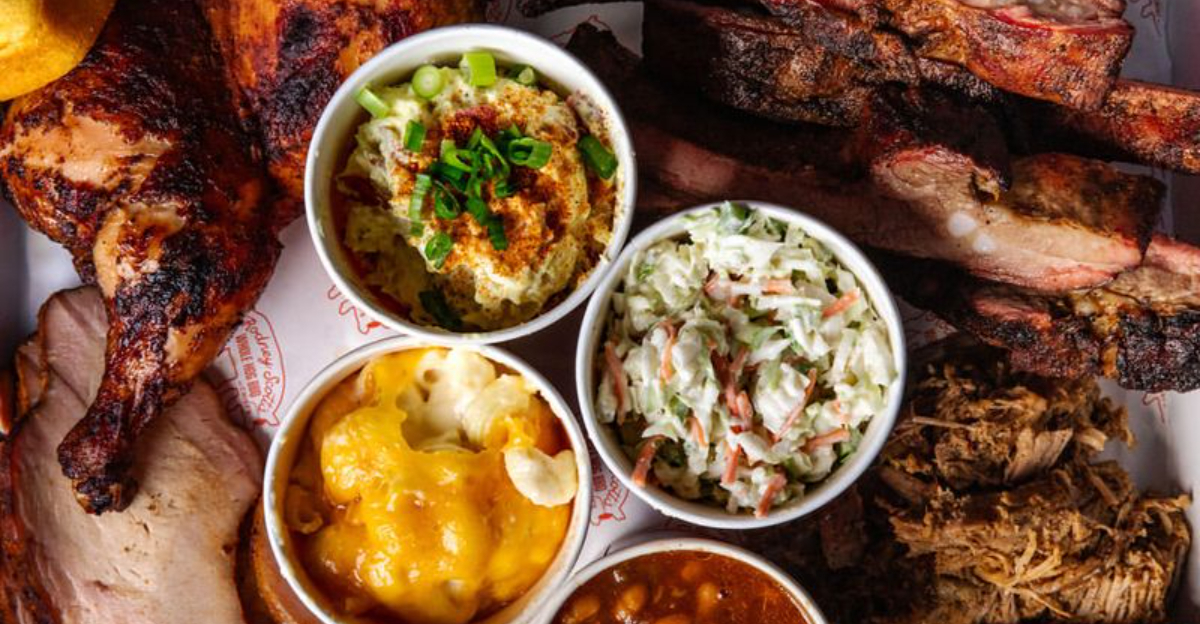
Miami was ready to welcome slow-smoked magic, but the pit has gone cold for now. Rodney Scott’s Whole Hog BBQ, slated for Little River, hit pause after investors pulled out unexpectedly. Construction stopped, timelines vanished, and the neighborhood buzz turned into careful questions about what comes next.
Here is what you need to know about the hold-up and what it means for you.
1. Investor Exit And Sudden Pause
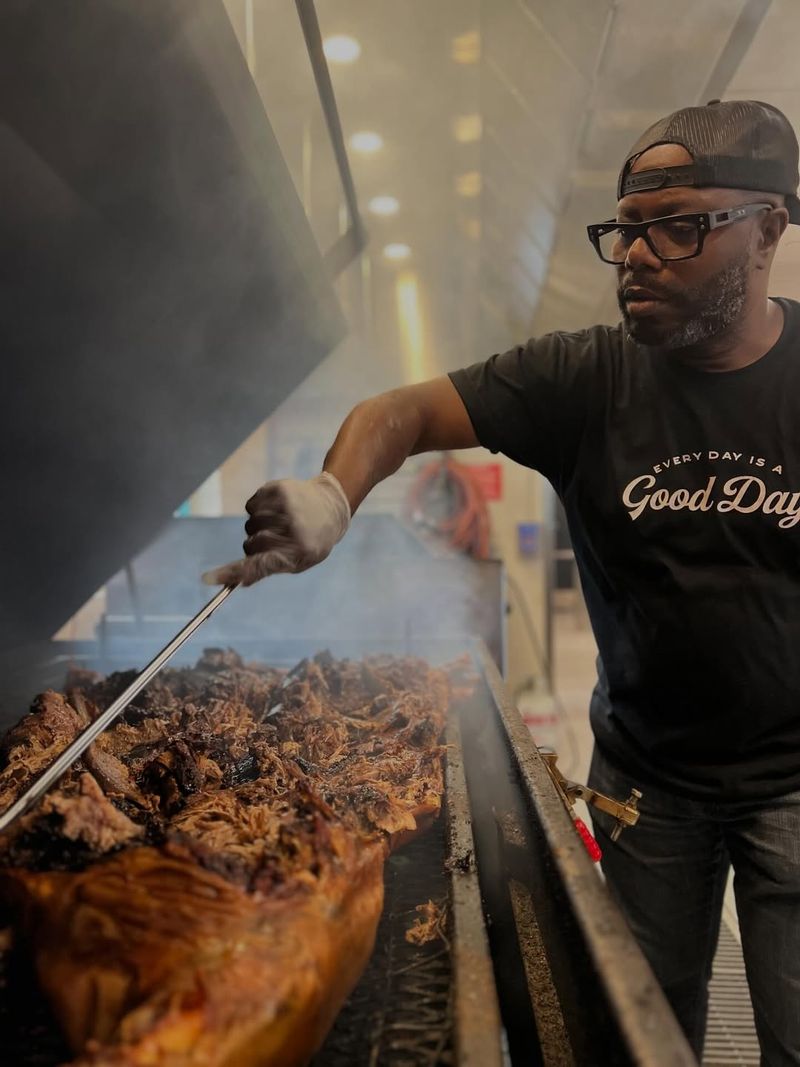
Investors pulled out, and everything changed fast. The planned Rodney Scott’s Whole Hog BBQ in Little River, Miami is now on hold, with construction frozen and timelines erased. You could almost smell the smoke in the air, then the funding gap slammed the brakes, leaving the project uncertain as of early 2026.
If you were counting down to wood-fired pork and vinegar sauce, you are not alone. The situation looks like a budget hole too wide to bridge without fresh backing. Contractors paused, suppliers paused, and neighbors who cheered progress now wait for clarity.
It feels like a movie freeze-frame, capturing momentum mid-swing, while everyone asks what amount of money, patience, and willpower can unstick this dream.
2. Little River Location And Community Buzz
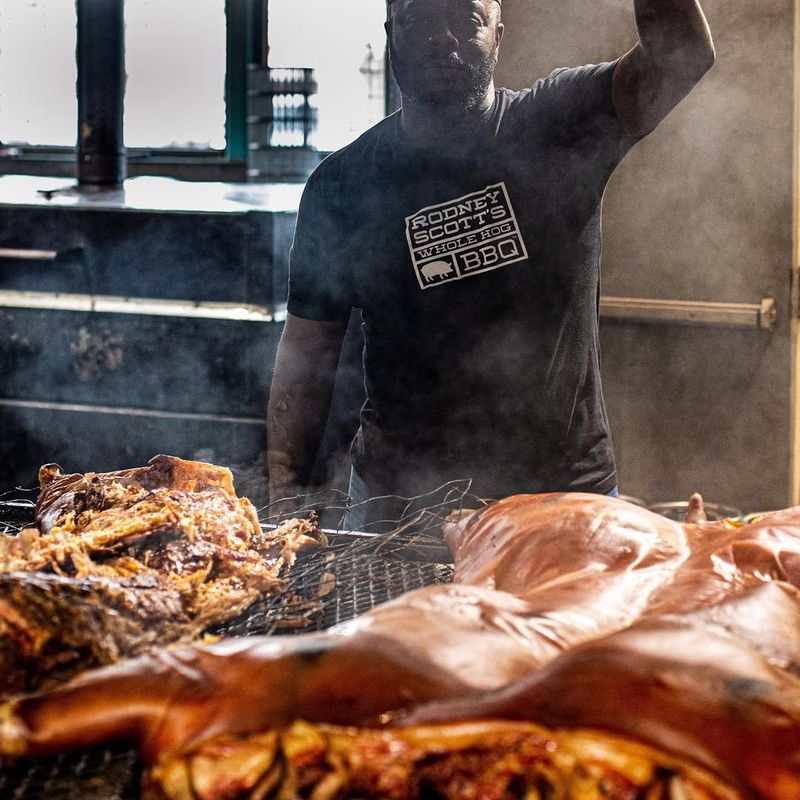
Little River felt like the perfect fit: creative warehouses, growing foot traffic, and a genuine neighborhood pulse. You could picture a line out the door, smoke drifting toward murals and studios. Locals were already trading tips on opening week orders, dreaming about ribs, hushpuppies, and that signature whole hog.
Now the chatter is cautious but hopeful. A destination spot here would have anchored weekend plans and drawn visitors north of Wynwood. The hold dents momentum and delays jobs, yet the appetite remains.
People in the area know a great concept when they see it, and they will rally if there is a credible path back. Little River still feels like the right stage, just waiting for act one.
3. Construction Halt And Visible Signs
Construction tells the story before any press release does. You might notice fencing closed, contractors off-site, and interior lights dark. Material pallets sit untouched, and posted permits gather dust.
It is the quiet kind of loud, the sort that says something major changed behind the scenes.
For neighbors, that silence is disheartening because buildout looked real. Kitchen vent runs were planned, smoke management was considered, and layout choices hinted at counter service plus bar seating. When funding disappears, all that forward motion freezes.
If new capital emerges, work can restart, but re-mobilizing crews takes time and money. Until then, the best sign of life will be the simplest one: a truck pulling up and tools switching back on.
4. Economic Factors Behind The Hold
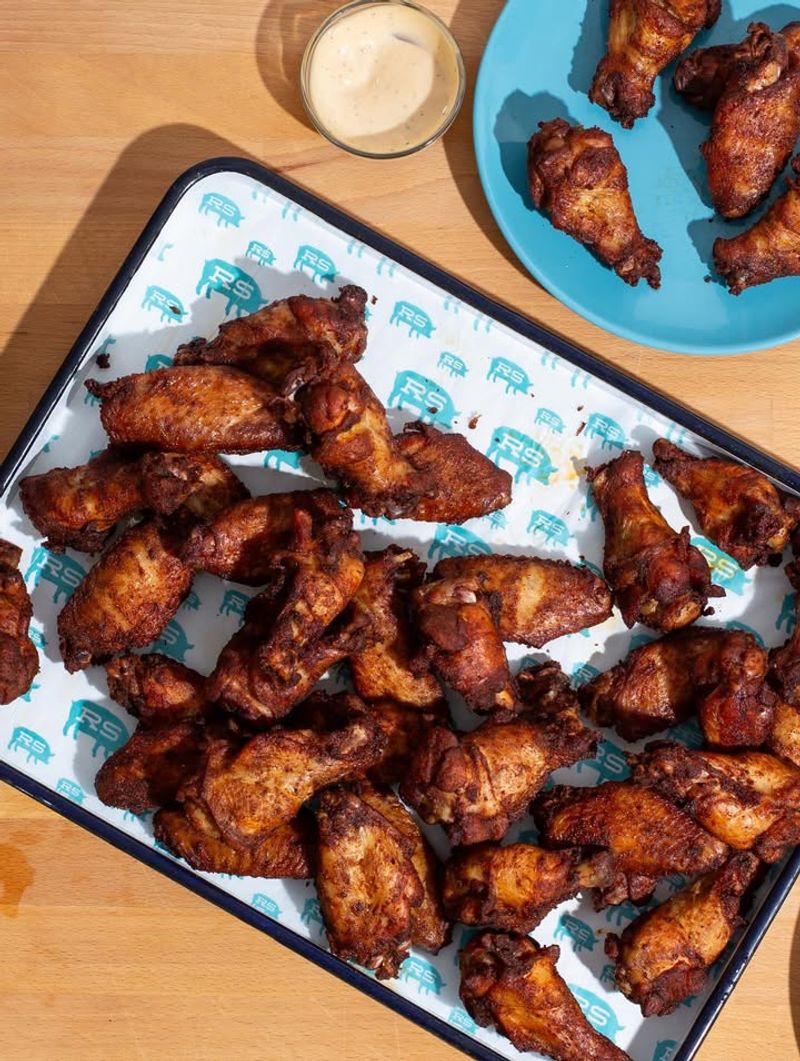
You do not need an MBA to feel the math. Rising construction costs, pricier equipment, and shifting interest rates squeeze projects like this. If pro formas depended on specific financing or timelines, a delay can flip returns from promising to precarious.
Investors can be skittish when budgets jump beyond contingencies. Supply chain frictions, ventilation requirements for whole hog pits, and permitting timelines add risk. In early 2026, risk tolerance feels thin, so capital seeks safer homes.
None of this makes the food any less extraordinary, but it does complicate bringing it to your block. Until a new financial stack appears, the dream sits idle, waiting for the numbers to pencil again without cutting corners or flavor.
5. What This Means For Diners
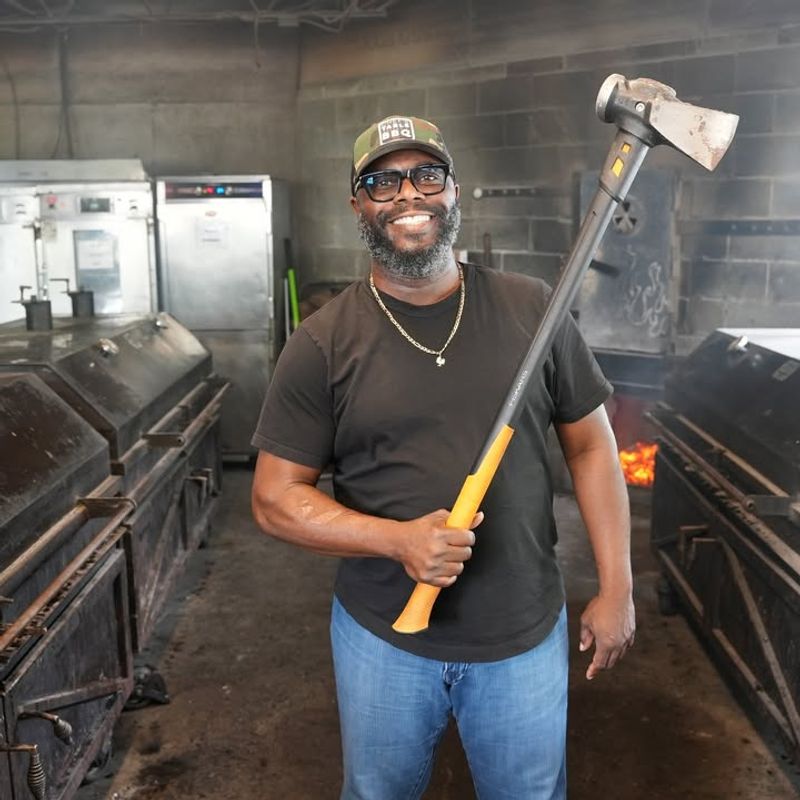
You planned a first bite, maybe even mapped the drive to Little River. The hold means you will not get that plate here anytime soon. No opening date, no soft launch, no smell of hickory drifting across Northeast 2nd Avenue.
It is disappointing, especially after so much buzz.
Still, you can keep the spirit alive by supporting local spots nearby and staying tuned for updates. If the project revives, early supporters will be the first to celebrate. Follow neighborhood groups and watch the site for activity.
Great barbecue rewards patience, and so do great projects. It stings now, but your appetite might be the fuel that keeps momentum simmering until the embers glow again.
6. Impact On Jobs And Vendors
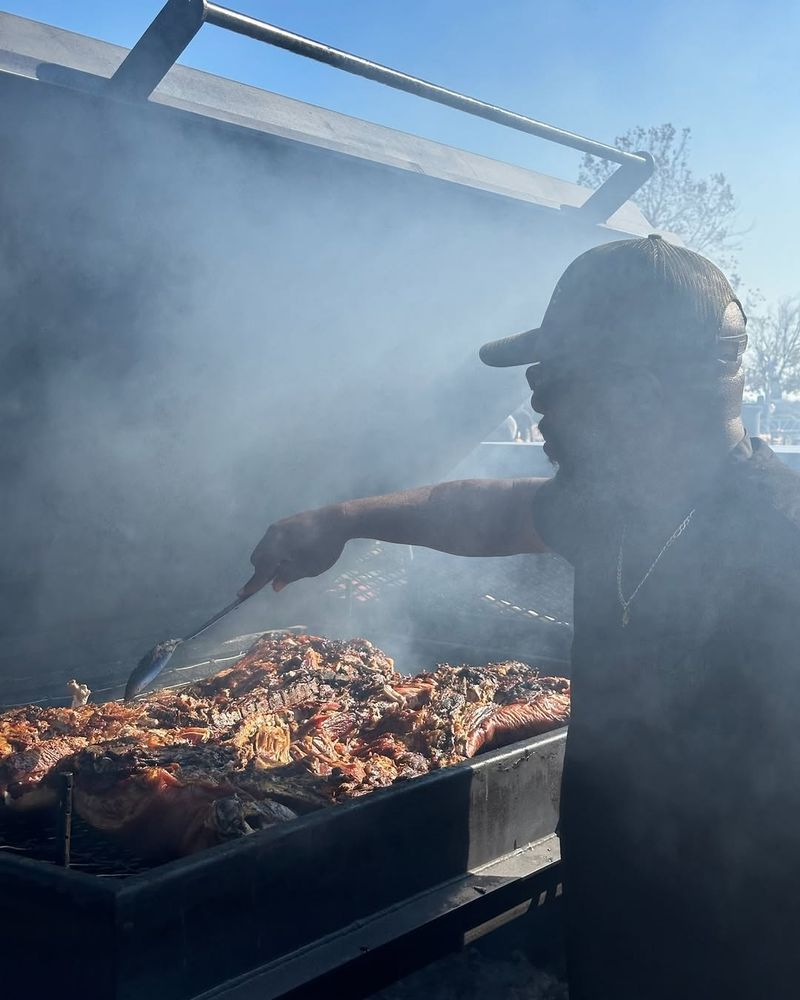
Behind every opening are people counting on paychecks and purchase orders. The pause ripples through contractors, designers, small fabricators, and food vendors who penciled this account into their plans. When investors withdraw, invoices slow, and the calendar opens up where work should be.
You can feel empathy for the teams who believed in this concept. A high-profile barbecue spot means steady orders for wood, produce, and bakery items. It means training days, front-of-house hires, and line cooks learning the pits.
Now everyone waits, juggling other gigs. If funding returns, those relationships could reignite quickly. Until then, the best support is choosing local businesses nearby and remembering that behind the brand are real neighbors.
7. Permitting, Pits, And Practicalities
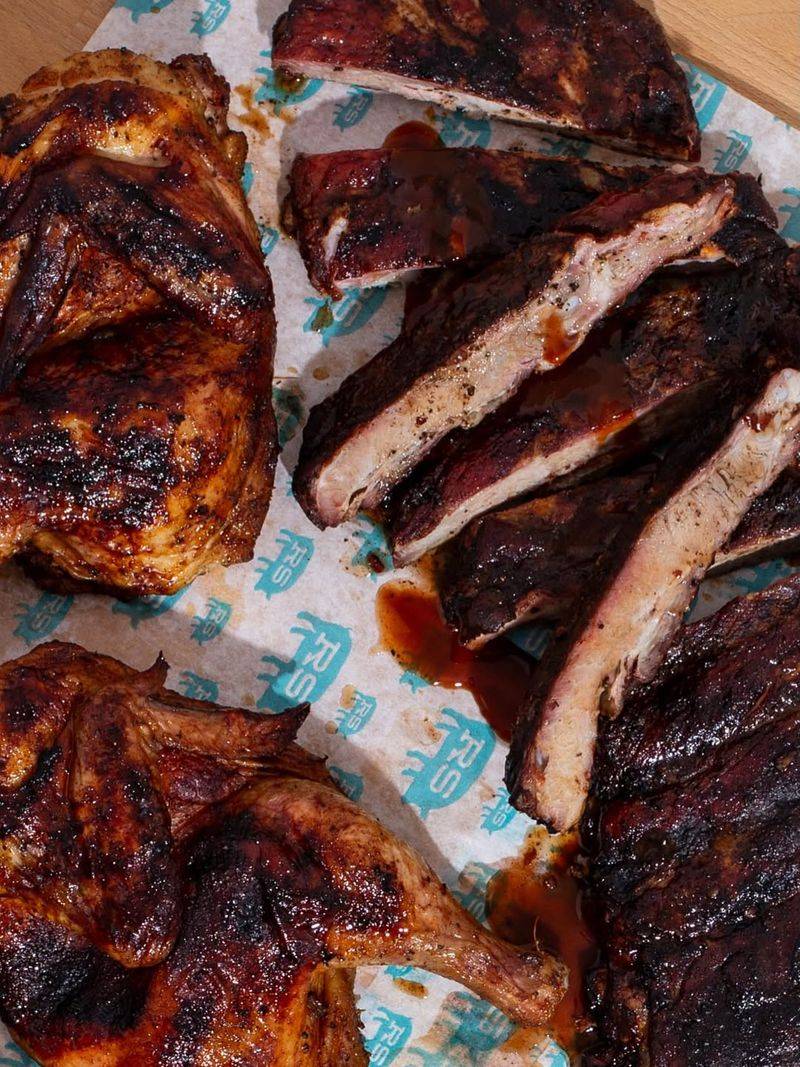
Whole hog barbecue is not plug-and-play. You need engineered pits, serious ventilation, grease management, and fire safety that satisfies code and neighbors. Those systems are capital heavy and require precise coordination with inspectors.
Any delay risks expiring permits or revisiting plans, which adds more cost.
You deserve a safe, compliant place to eat, and that is the bar the team aimed to clear. In Little River, the density and mix of buildings make airflow and smoke control especially important. Even if money returns, the project will need time to re-verify specs and schedules.
The lesson is simple: authentic smoke flavor travels through complex infrastructure that must be right the first time.
8. What To Watch Next
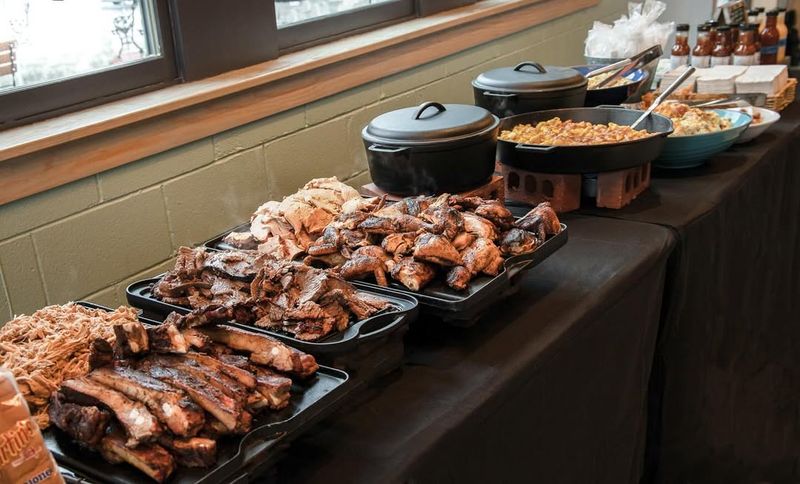
If you are monitoring the project, watch for signals: renewed permits, contractor trucks, and updated timelines. A new investor group or partnership announcement would be huge. So would signs of equipment orders for pits and hoods.
Until then, assume the hold continues and plan dining adventures elsewhere.
Stay connected with Little River community channels, because neighborhood momentum matters. Developers listen when locals show appetite and optimism. If a fresh financing plan lands, things could accelerate quickly.
For now, patience is the play. You have every right to feel let down, but your interest keeps the story alive. When smoke finally rises, it will be worth the wait.