This Museum Is Florida’s Most Unexpected Western Art Treasure
St. Petersburg knows how to do museums, but this one catches people off guard. Step off Central Avenue expecting the usual downtown vibe, and you’re suddenly inside a space that feels more canyon than gallery—sandstone walls, big bronze silhouettes, and artwork that’s all wide-open skies and sharp-edged history.
The James Museum flips the “Florida trip” script: instead of sea turtles and surf art, you get the American West in full color, plus wildlife pieces and Native jewelry that can hold a room hostage. It’s polished without being precious, immersive without being theme-park.
If you like art that tells stories fast—and lingers longer—put this place high on your St. Pete list.
1. Why The James Museum Is St. Pete’s Most Unexpected Art Surprise
Downtown St. Pete is packed with galleries, but this is the curveball: a full-on Western and wildlife art museum planted right in the middle of the city grid.
The contrast is half the fun—walk in from palm trees and traffic, and you’re instantly surrounded by frontier scenes, monumental sculptures, and craftwork that’s as detailed as it is bold.
The museum leans into the idea that Western art isn’t one look; it’s people, landscapes, and animals, told through everything from painting to jewelry. That variety keeps the pace quick for casual visitors, but there’s enough depth to reward slow-looking too.
The result feels refreshingly different from the usual beach-town itinerary, which is exactly why it works here.
2. The Story Behind The James Museum (And the Couple Who Built It)
It started with a local connection and a travel obsession. Tom and Mary James—who have deep roots in the Tampa Bay area—kept getting pulled west by the landscapes, wildlife, and the art those places inspired.
Instead of letting the collection stay private, they opened The James Museum in 2018 as a public gift to St. Petersburg, giving the city a cultural lane nobody else in Florida was really occupying.
That backstory matters because you can feel the “collector’s eye” in the mix: historical and contemporary works share space, and the galleries are curated to keep you moving through different chapters of the West rather than locking you into one era or one mood.
3. What “Western Art” Really Means (It’s More Than Cowboys)
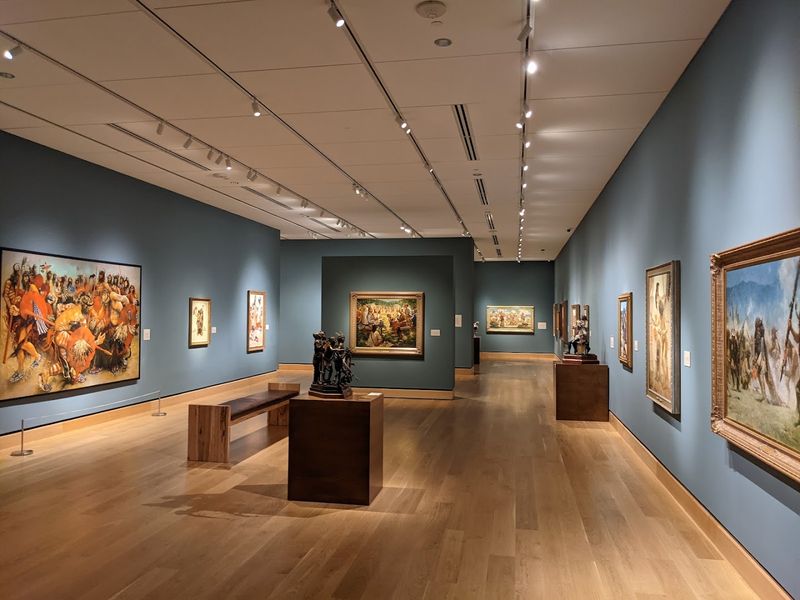
People hear “Western art” and picture a cowboy silhouette—then The James Museum immediately complicates that mental image. Here, the definition is driven by subject, not a single style, so the same museum visit can jump from dramatic landscapes to cultural history to intricate materials work.
You’ll see how the American West isn’t one place or one story; it’s a huge region with distinct peoples, environments, and aesthetics, and artists respond to that range in wildly different ways. That’s why the museum can shift gears from paintings to sculpture to weaving and jewelry without feeling scattered.
It also makes the visit friendlier to non–art-history types, because you don’t need to “get” a movement—you just follow the story the artwork is telling.
4. Can’t-Miss Collection Highlights to Look For
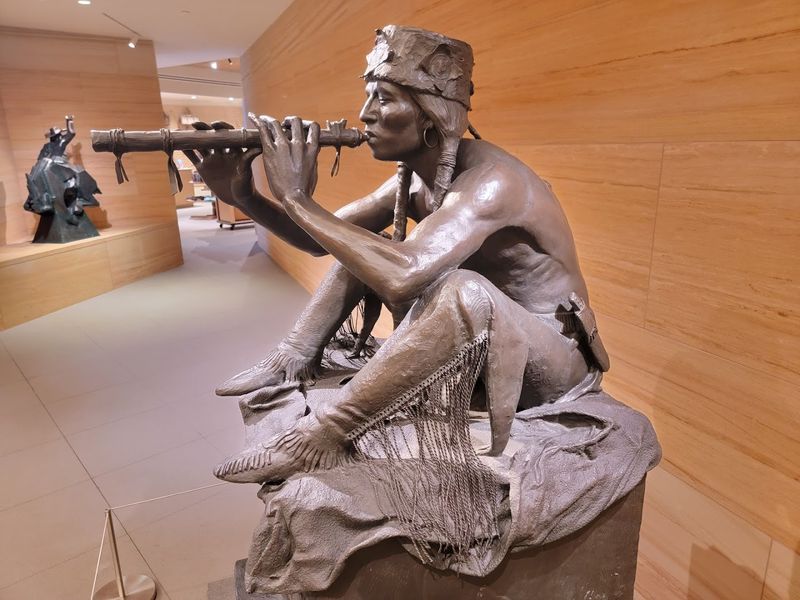
Skip the urge to speed-walk the galleries—this is a museum where a few minutes of attention pays off fast.
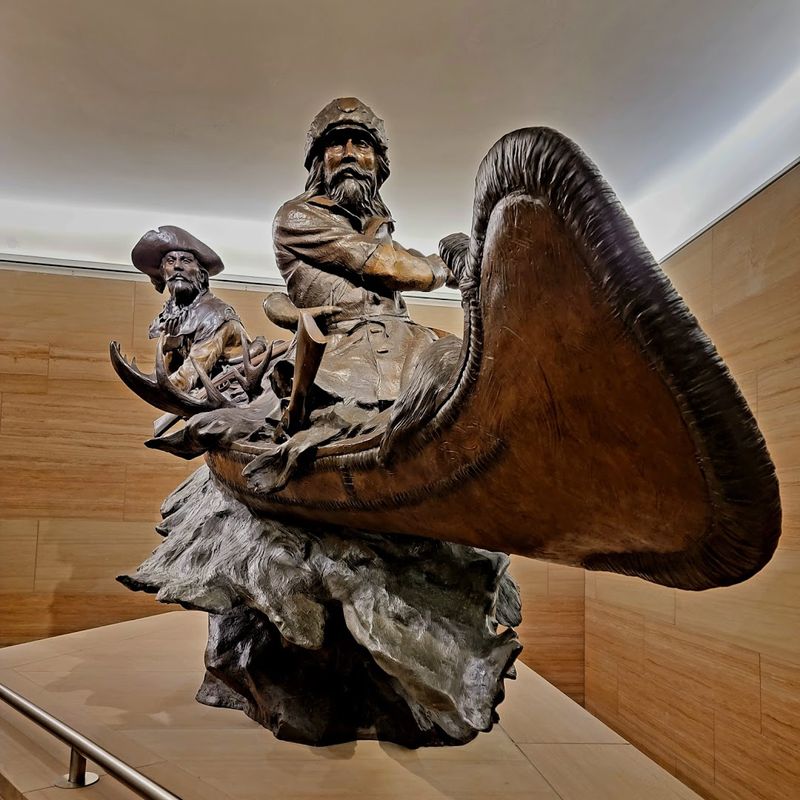
Look for classic Western storytelling energy alongside contemporary voices: you might move from a sweeping scene that feels like a living postcard to a portrait that’s all tension and detail, then turn a corner and land on sculpture with real physical presence.
The museum’s mix is one of its strengths, and it also hosts exhibitions that widen the lens on who shaped the West—like shows exploring Chinese American frontier stories through contemporary artists.
If you’re the type who likes a “mission” while you wander, aim to spot a range of mediums in a single lap—paint, bronze, and fine craft—because that variety is basically the museum’s signature move.
5. Inside the Jewel Box: Native Jewelry That Stops You in Your Tracks
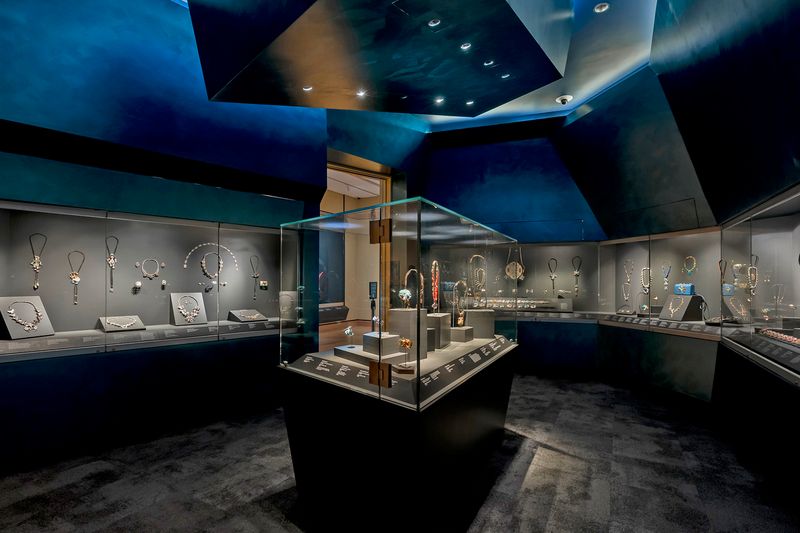
This gallery earns its name the moment you step in. The space is designed like the inside of a geode—sharp angles, dramatic lighting, and a feeling that you’ve walked into something rare—so the jewelry doesn’t read as “accessory,” it reads as sculpture you happen to wear.
The pieces highlight Native innovation in contemporary design while staying grounded in deep cultural traditions, and the materials can be jaw-droppers: world-class inlay and casting, plus gems and precious metals that catch light from across the room.
Even if you’re not a jewelry person, you’ll probably find yourself leaning in close to track the patterns and craftsmanship. It’s one of those museum moments where everyone suddenly gets quiet.
6. The Wildlife Gallery: Global Beauty With a Purpose
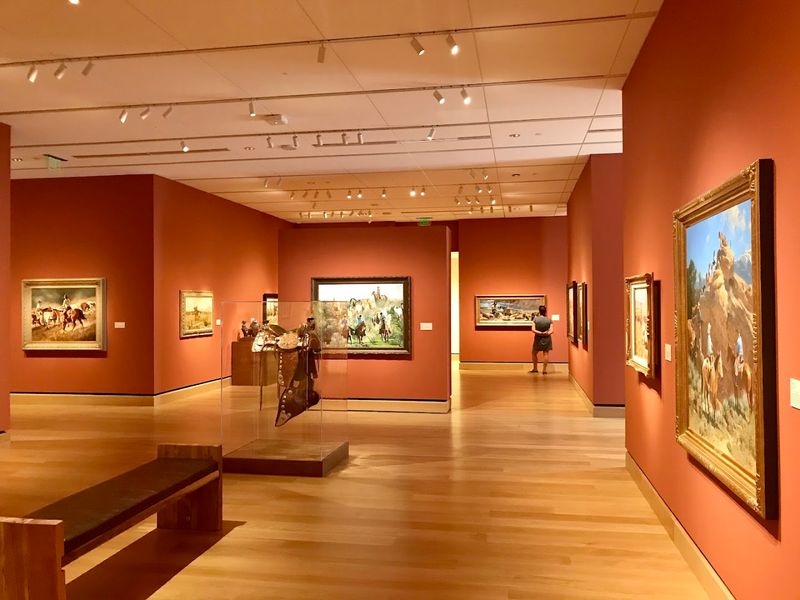
The wildlife section is where the museum goes big on realism—and sneaks in a little education without getting preachy. Artists here travel widely for inspiration, and the works land with that “I can almost hear it” effect: fur textures, feathers, habitats, and the kind of gaze that makes you pause mid-step.
What I like most is the gallery’s framing: these aren’t just pretty animals, they’re depictions tied to conservation awareness, which gives the room a point of view.
It’s also one of the most family-friendly corners of the museum, with books and activities meant to pull younger visitors into the mix instead of pushing them to the exit.
If you’re visiting with anyone who “isn’t really into art,” start here.
7. A Museum That Feels Like a Canyon: Architecture Worth the Trip Alone
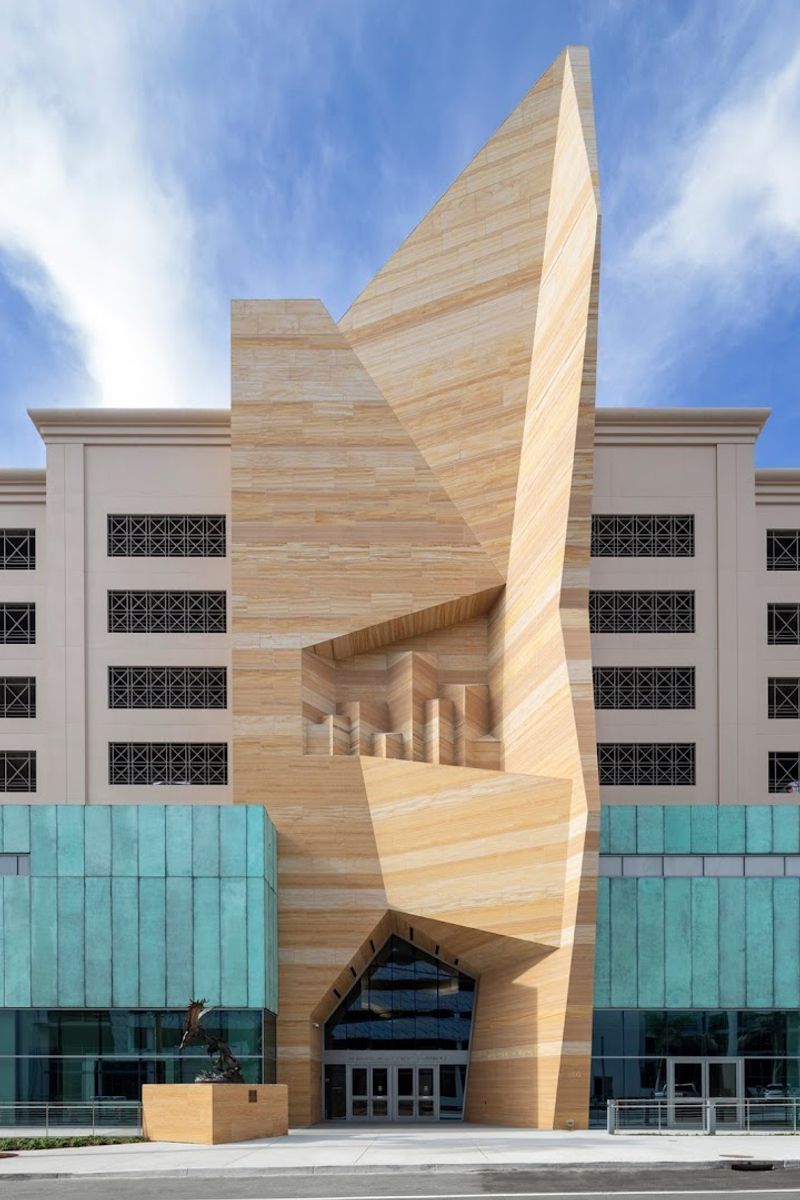
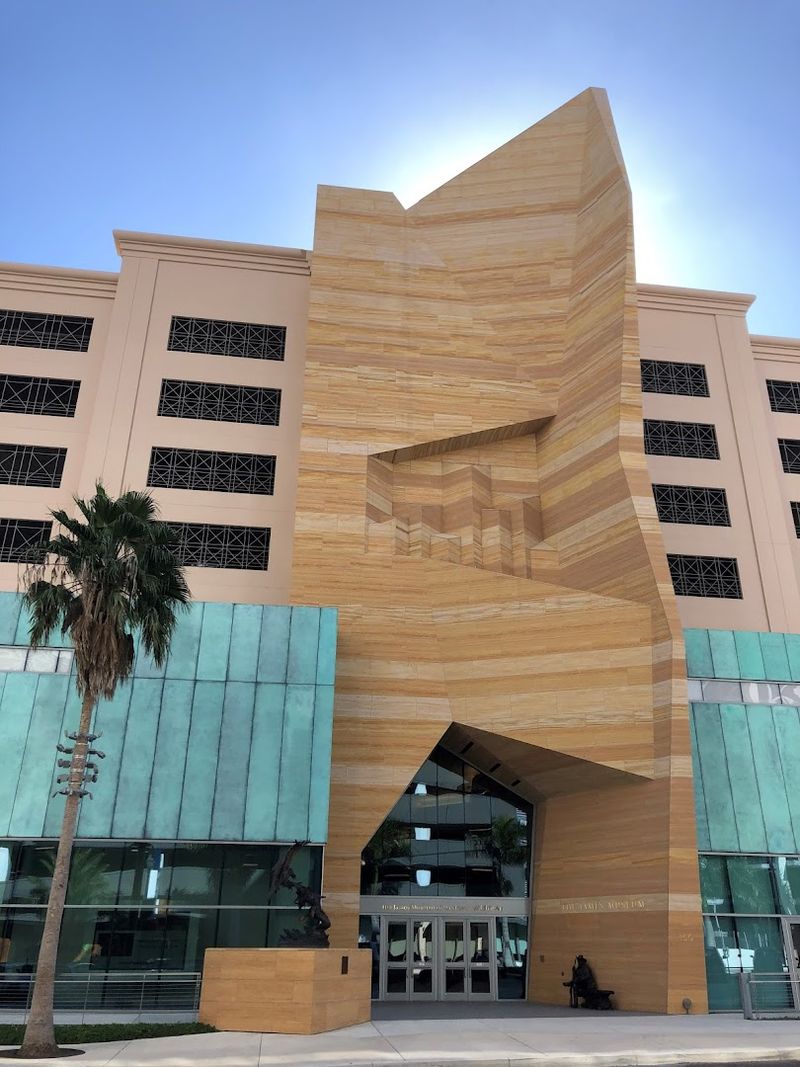
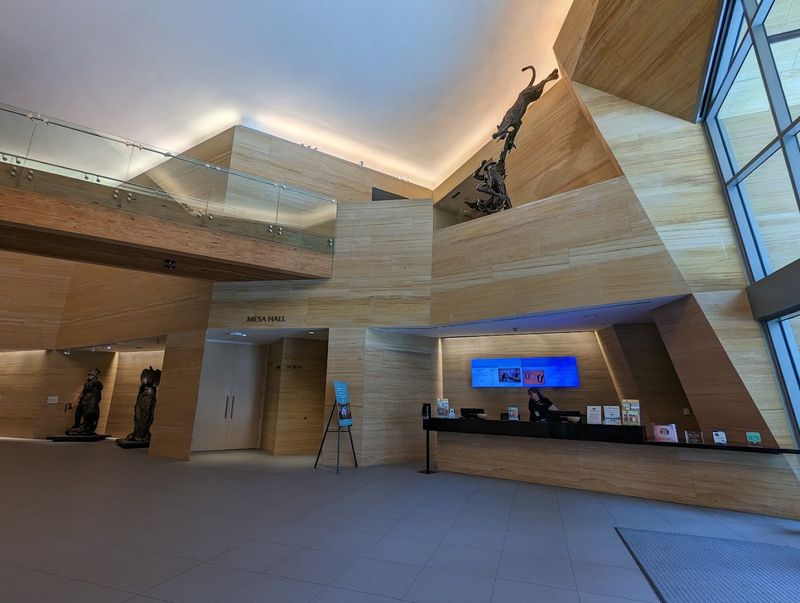
Before you even look at a single painting, the building is already doing the storytelling. Inside, the entry sequence is designed as a two-story “Arroyo” space—sandstone textures and banding that evoke Western canyon walls—so the transition from downtown sidewalk to museum feels theatrical in the best way.
There’s even a waterfall element woven into that central atrium moment, which adds sound and movement and makes the whole place feel less like a quiet box and more like an environment. The exterior “mesa” concept continues the illusion, using striated sandstone and geometry meant to echo the Southwest.
It’s a smart move for St. Pete: the museum doesn’t just display the West, it builds a version of it around you.
8. Plan Your Visit: Tickets, Hours, Parking, and Local Tips
You’ll find The James Museum right on Central Avenue at 150 Central Ave, which makes it easy to pair with a downtown lunch or an evening wander. Regular hours are 10 a.m. to 5 p.m. daily, with extended hours on Tuesdays until 8 p.m.; last tickets sell at 4:30 p.m. most days and 7:30 p.m. on Tuesdays.
General admission is $23, and Tuesday’s deal is the one locals actually use: $10 adult admission with the later closing time. Parking is straightforward—use the South Core Parking Garage behind the museum (enter at 101 1st Ave S) and head to Levels 3 and 4; the posted rate is $2 per hour during regular operation.