This Under-the-Radar Florida Gulf Town Has Seaside Energy at Half the Cost
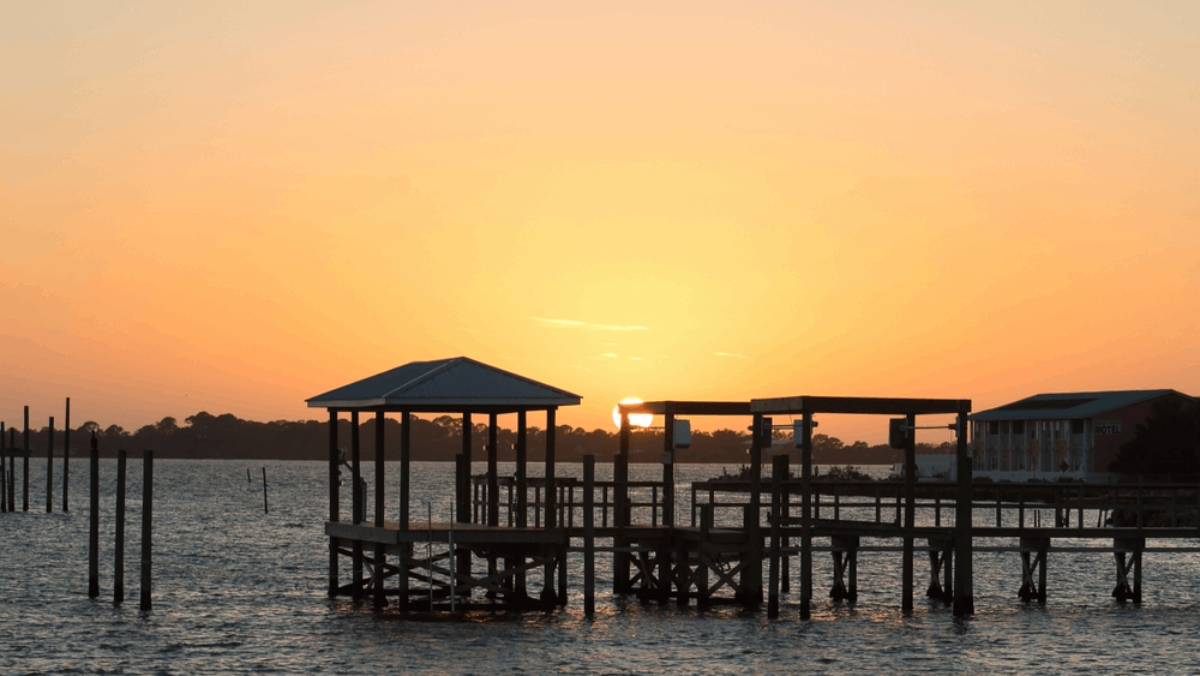
Picture a place where the Gulf of Mexico laps at weathered docks, where fresh seafood costs less than a fancy coffee in Miami, and where the only traffic jam involves pelicans. Cedar Key is that rare Florida treasure that hasn’t been swallowed by high-rise condos or overpriced tourist traps.
Tucked away on Florida’s Nature Coast, this tiny island town offers all the coastal charm you crave without the wallet-draining price tags that come with more famous beach destinations.
Why Cedar Key Is Being Called the New Seaside
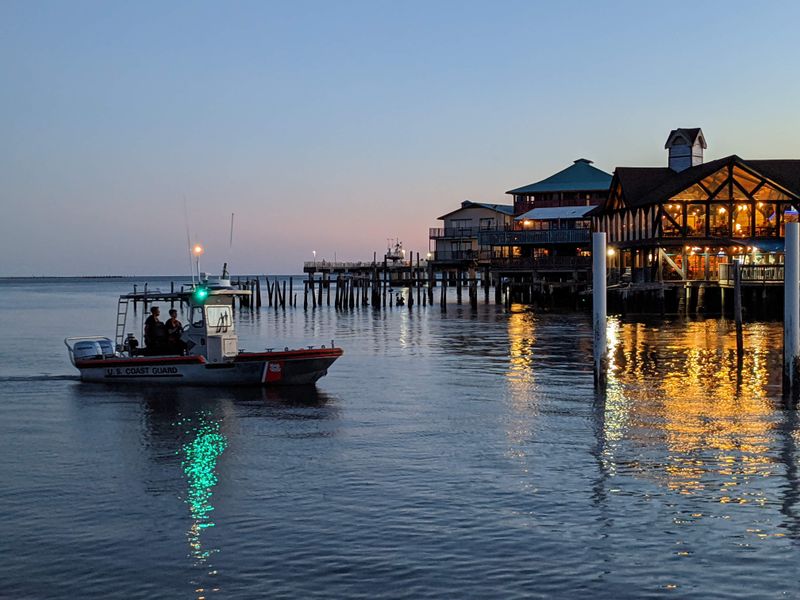
People are whispering about Cedar Key the way they used to talk about Seaside before it became a household name. The comparison isn’t random—both places capture that authentic coastal vibe where life slows down and neighbors actually wave hello. Cedar Key delivers the same relaxed beach-town atmosphere without the hefty price tag or crowded streets.
What sets this island apart is its refusal to modernize too quickly. You won’t find chain restaurants or mega-resorts dominating the waterfront. Instead, locally owned shops and family-run eateries line the streets, giving the town a genuine character that bigger destinations have lost.
Artists have discovered Cedar Key too, setting up galleries showcasing everything from driftwood sculptures to watercolor Gulf sunsets.
Where Cedar Key Is and Why It Still Feels Under the Radar
Cedar Key sits about 50 miles southwest of Gainesville on a cluster of small islands connected by bridges. Getting there requires driving State Road 24 through marshlands and pine forests, which keeps the casual tourist traffic surprisingly low. The journey itself acts as a natural filter, ensuring only those truly seeking something special make the trip.
No major highways lead directly to Cedar Key, and that’s exactly how locals like it. The nearest interstate is about an hour away, creating a buffer zone between the island and Florida’s development frenzy. This geographic isolation has protected the town from becoming another overcrowded beach destination.
Cell service can be spotty in certain areas, and you won’t find a single stoplight in town. These quirks contribute to Cedar Key’s time-capsule quality. While other Gulf towns have transformed into resort communities, Cedar Key remains authentically itself—a working fishing village that welcomes visitors without changing its character to please them.
That Old-Florida Coastal Charm Everyone Misses
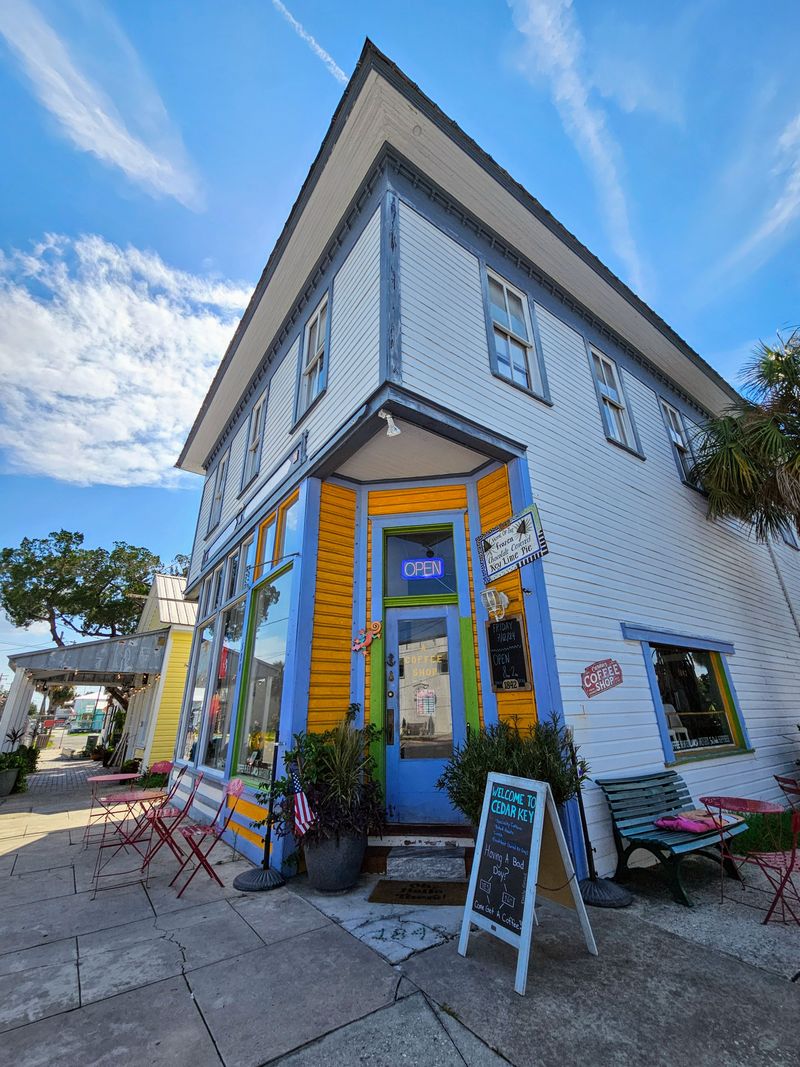
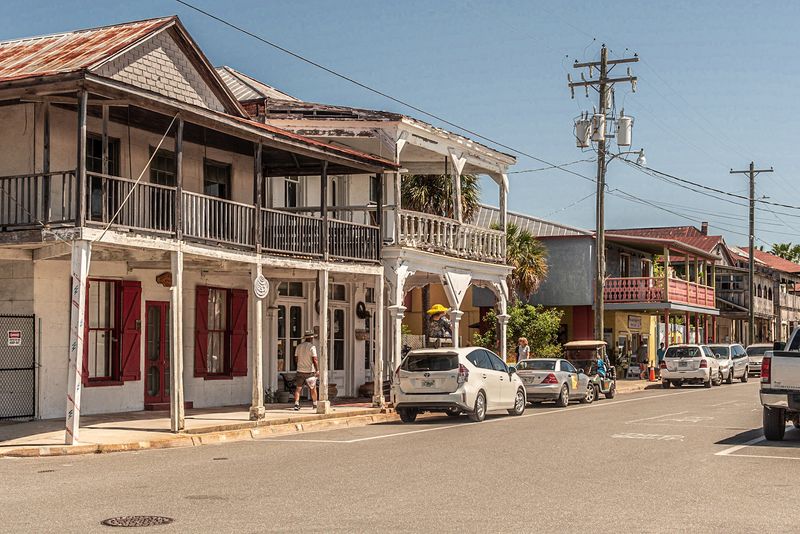
Walking through Cedar Key feels like stepping into a Florida postcard from the 1950s. Weathered wooden buildings with tin roofs house businesses that have served the community for generations.
Folks gather on porches to chat about the day’s catch rather than scrolling through phones. Kids ride bikes freely down quiet streets, and sunset watching is considered a legitimate evening activity that draws crowds to the City Park waterfront.
Historic structures dot the island, including the Cedar Key Museum State Park, which preserves a 1920s home and tells stories of when this was a booming lumber and pencil-manufacturing hub. The Cedar Key Historical Museum adds layers to the town’s rich past through Civil War artifacts and vintage photographs.
What Makes Cedar Key So Much More Affordable
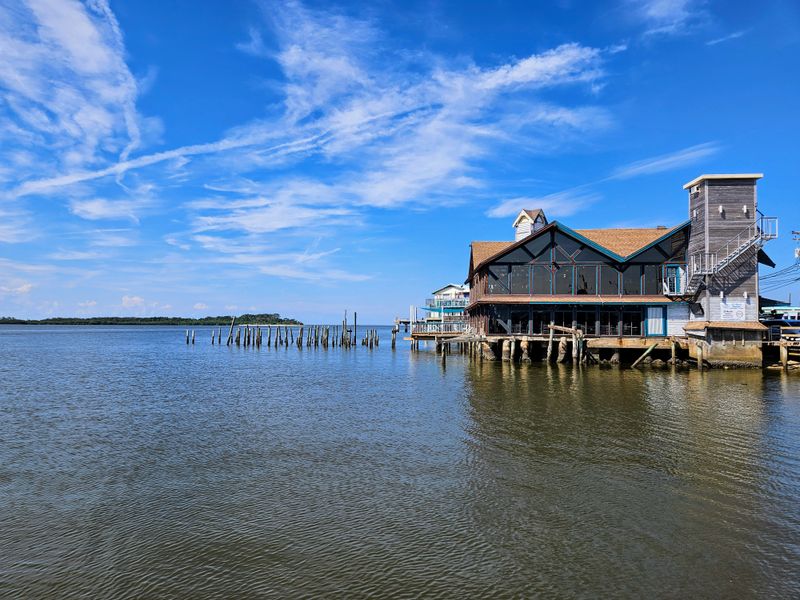
A decent waterfront meal in Cedar Key costs what an appetizer runs in Naples or Key West. Vacation rentals that would demand $400 per night in Destin go for half that here, and many offer direct water access. The lack of corporate development means prices remain grounded in reality rather than inflated by resort premiums.
Parking is free throughout town—a novelty in Florida beach communities where meters and permits drain vacation budgets. Many attractions, including the wildlife refuge islands and nature trails, cost nothing to explore. Even boat rentals and kayak tours run significantly cheaper than comparable experiences in Sanibel or Anna Maria Island.
The affordability extends beyond tourism. People actually live and work here year-round without needing three jobs to cover rent. This economic balance creates an authentic community rather than a seasonal ghost town.
Best Things to Do Around Town and on the Water
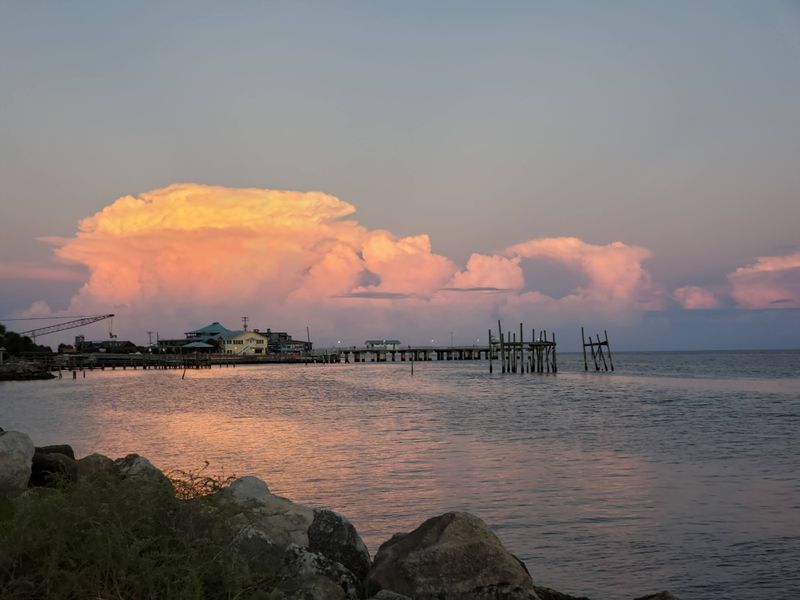
Cedar Key National Wildlife Refuge spreads across several small islands accessible only by boat, offering pristine bird-watching opportunities and untouched beaches. Kayakers paddle through winding mangrove tunnels where dolphins frequently surface alongside boats. The shallow Gulf waters here stay calm most days, making them perfect for beginners trying stand-up paddleboarding for the first time.
On land, the Cedar Key Museum State Park provides nature trails winding through coastal hammocks where you might spot painted buntings or roseate spoonbills. The museum itself houses fascinating artifacts from the town’s industrial past. Walking the historic downtown takes maybe thirty minutes, but plan to linger in the quirky shops selling everything from handmade jewelry to local honey.
Fishing dominates the local culture, whether you’re casting from the dock or chartering a boat for deeper waters. Scalloping season brings crowds during summer months when the Gulf becomes a treasure hunt for these tasty shellfish.
Where to Eat for Fresh Seafood and Laid-Back Bites
Tony’s Seafood Restaurant has been serving steaming bowls of clam chowder and grouper sandwiches since the 1980s, occupying a no-frills building where the food speaks louder than the decor. Island Room Restaurant offers slightly more upscale dining with waterfront views, their stone crab claws and shrimp arriving fresh from boats you can see from your table. Both places prove that fancy presentations aren’t necessary when ingredients come straight from the Gulf.
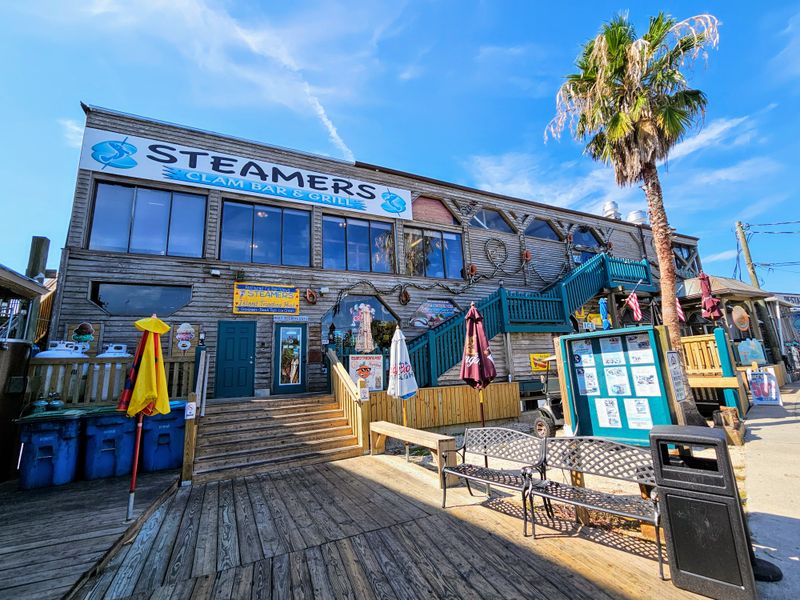
The Big Deck Raw Bar lives up to its name with an enormous outdoor space perfect for afternoon beers and raw oysters. Locals swear by their smoked fish dip, a regional specialty that converts skeptics with the first bite. Steamers Clam Bar and Grill keeps things casual with picnic tables and a menu focused on whatever the boats brought in that morning.
For breakfast, the Cedar Key Bakery fills the morning air with scents of fresh pastries and strong coffee. Their cinnamon rolls have achieved legendary status among regular visitors. Most restaurants close early by big-city standards, wrapping up by 8 or 9 PM—another reminder that Cedar Key operates on island time.
Where to Stay for Every Budget
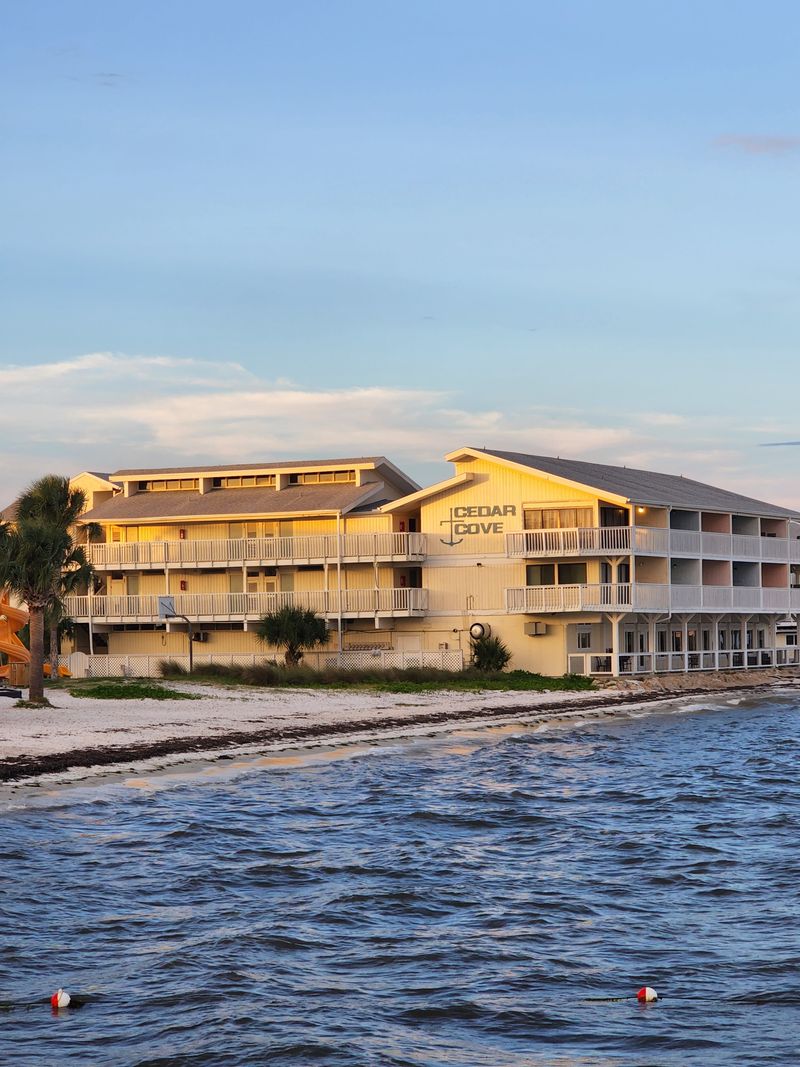
Budget travelers find clean, comfortable rooms at the Island Hotel, a historic property that’s been welcoming guests since 1859. Its creaky floors and vintage furnishings add character that chain motels can’t replicate. For a few dollars more, Cedar Key Bed and Breakfast provides homey accommodations with breakfast included and hosts who share insider tips about hidden spots around the island.
Mid-range options include waterfront vacation rentals where you can wake up to pelicans diving for breakfast outside your window. Many come equipped with kayaks and fishing gear, adding value beyond just a place to sleep. The Park Place Motel and Cottages offers simple efficiency units steps from downtown, perfect for travelers who plan to spend most of their time exploring rather than lounging in their room.
Even the priciest options here cost less than average hotels in Clearwater or Fort Myers Beach. Whatever your budget, expect friendly service and clean accommodations without the corporate blandness of resort properties.
Is Cedar Key Worth Visiting Right Now
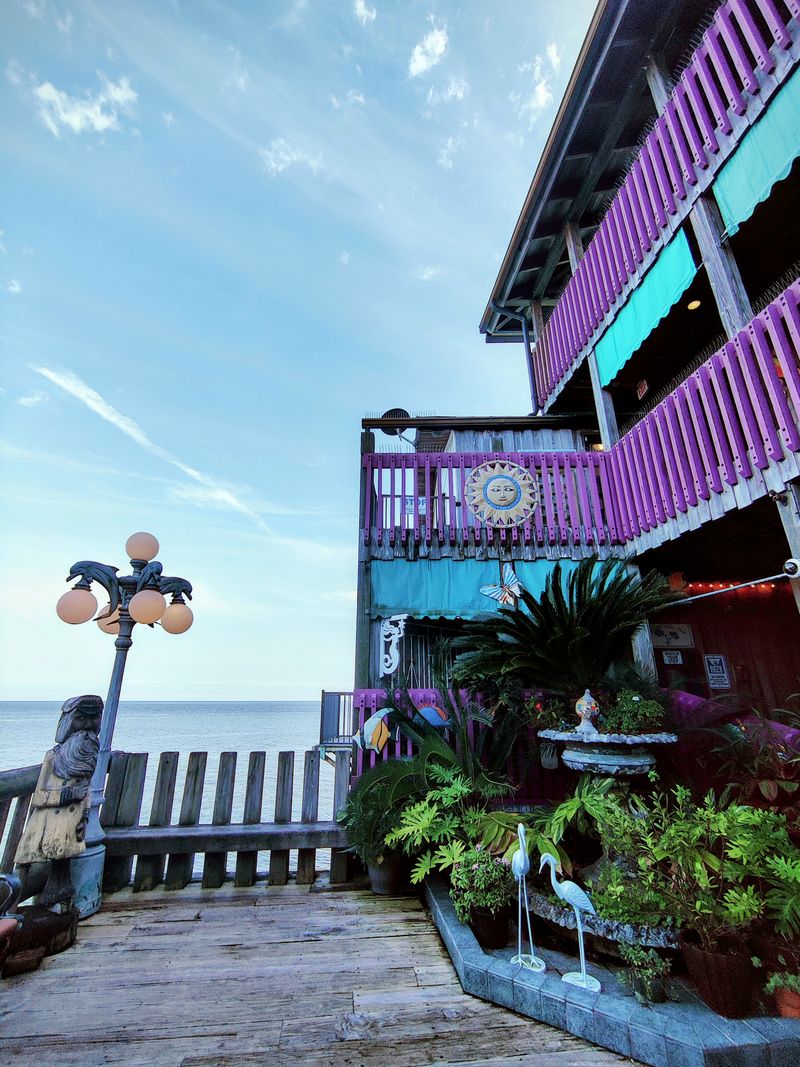
Absolutely, especially before word spreads further and things inevitably change. Cedar Key offers a genuine escape from Florida’s increasingly crowded and expensive coastal destinations. Right now, you can still find affordable accommodations on short notice and enjoy restaurants without hour-long waits.
The town maintains its authentic character precisely because it hasn’t been discovered by mass tourism yet.
Hurricane damage occasionally impacts the area, so checking current conditions before booking makes sense. The town has proven resilient through decades of storms, rebuilding while maintaining its historic character. Most businesses recover quickly, and locals appreciate visitors who support the community during rebuilding periods.
Whenever you visit, Cedar Key delivers an experience that feels increasingly rare in modern Florida—a place where affordability meets authenticity, where natural beauty hasn’t been paved over for parking lots, and where genuine hospitality still exists.