This Whimsical Florida Art Village Feels Like Stepping Into a Painting
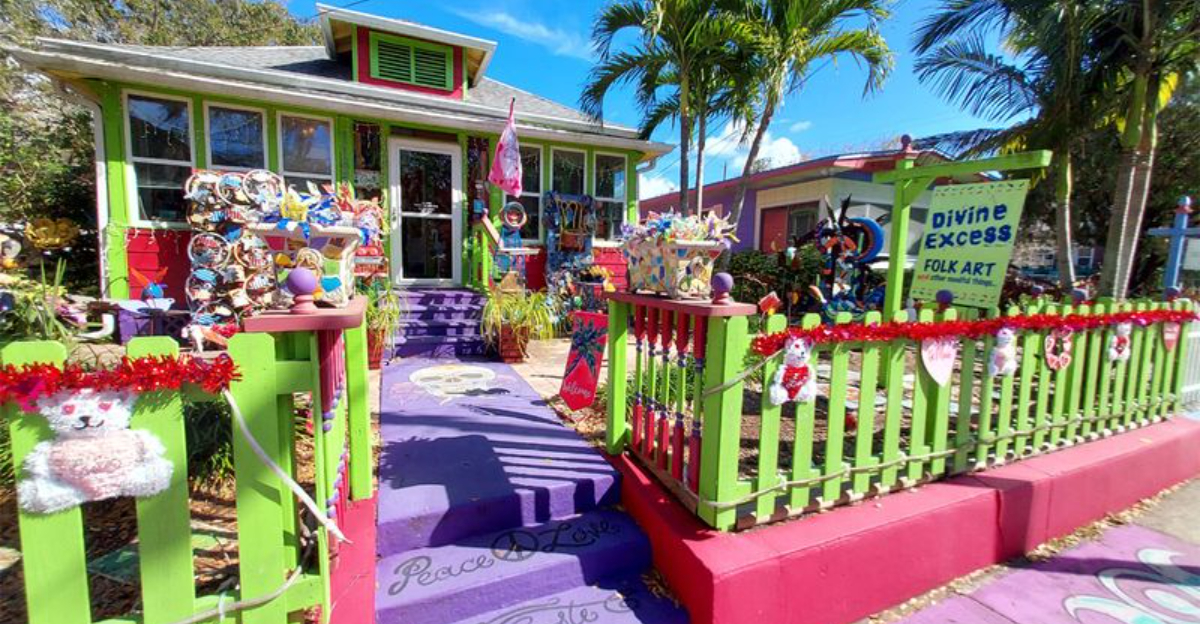
Tucked away in Bradenton, Florida, the Village of the Arts transforms a quiet neighborhood into a kaleidoscope of creativity. Pre-war bungalows painted in electric yellows, lime greens, and vibrant purples house working artists who live, create, and sell their work right from their front porches. Walking these colorful streets feels like wandering through a living canvas where every cottage tells a story and art spills out onto lawns, sidewalks, and gardens.
This hidden gem proves that art isn’t just something you hang on a wall—it’s a way of life that turns an entire community into something magical.
1. A Living Gallery Where Artists Actually Live and Work
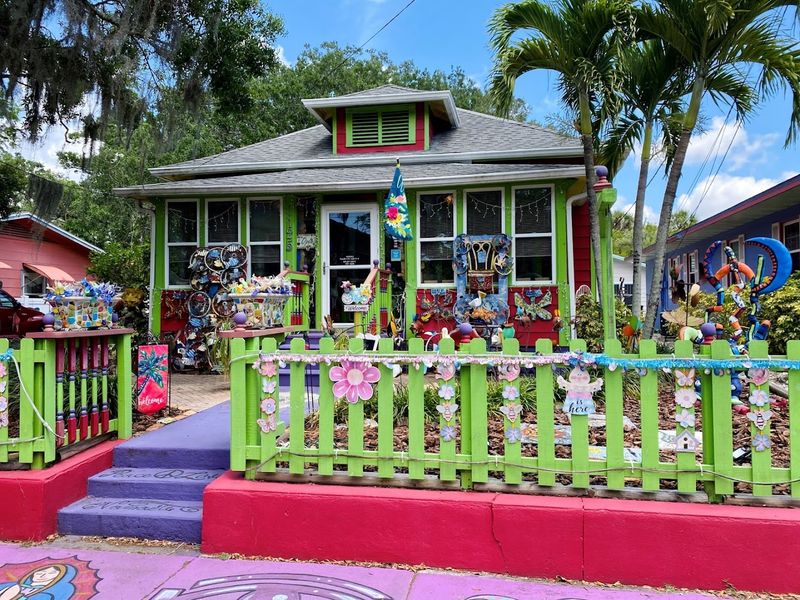
Walking through the Village of the Arts feels completely different from visiting a traditional gallery. Artists don’t just display their work here—they actually live in these charming 1920s and 1930s cottages that double as studios and showrooms. You might chat with a painter on their porch while admiring canvases propped against the railing, or peek through an open door to watch a sculptor at work.
The live-work concept creates an intimacy you won’t find anywhere else. Many artists have called this neighborhood home for decades, and their deep knowledge of both their craft and local history makes every conversation memorable. They’re genuinely excited to explain their creative process, share stories about how the village evolved, and even invite you inside to see more pieces.
This setup means the art you’re viewing isn’t just merchandise—it’s a direct reflection of someone’s daily life and passion. The boundaries between home, studio, and gallery blur beautifully, creating an authentic experience that feels personal rather than commercial. Supporting these artists means contributing directly to their livelihood and helping preserve this unique community model that puts creativity front and center.
2. Rainbow-Colored Architecture That Defies Convention
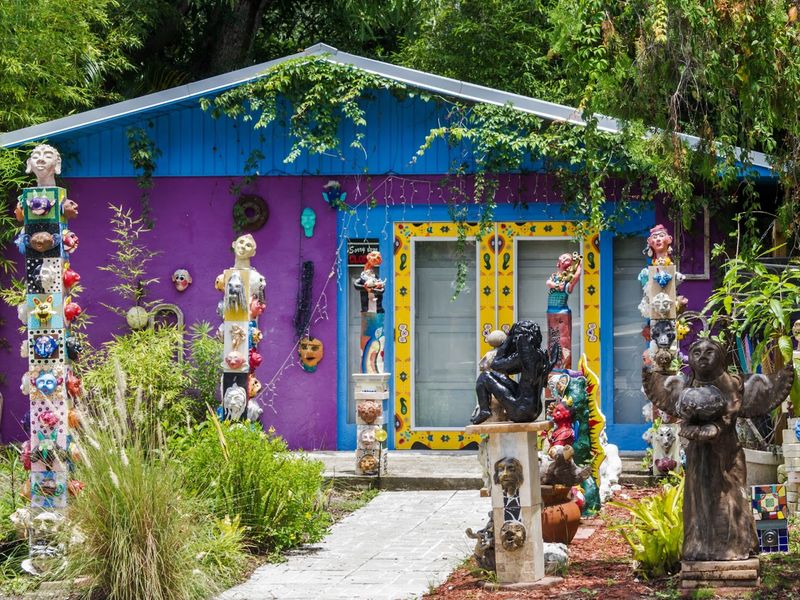
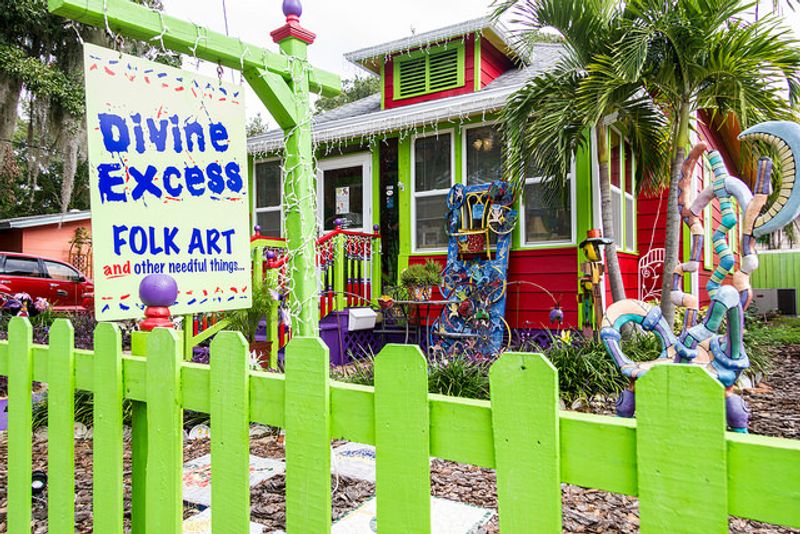
Forget white picket fences and beige siding. The Village of the Arts explodes with color in ways that make your eyes dance. Lime green cottages sit next to electric yellow bungalows, while purple trim frames turquoise doors.
Every structure becomes a canvas itself, reflecting the bold spirit of the artists who transformed this once-ordinary neighborhood into something extraordinary.
This architectural vibrancy didn’t happen overnight. Over the past two decades, artists gradually purchased and restored these pre-war homes, painting them in hues that celebrate creativity rather than conforming to typical suburban aesthetics. The result is a visual feast that announces you’ve entered somewhere special before you even step out of your car.
The colorful exteriors serve a practical purpose too—they help visitors identify which homes function as galleries versus private residences. When you spot a particularly bold paint job paired with artwork in the yard, you know you’ve found a place to explore. This rainbow architecture has become the village’s signature, making it instantly recognizable and photographable.
Whether you’re an architecture enthusiast or just someone who appreciates visual joy, these painted cottages deliver pure delight at every turn.
3. First Friday Art Walks That Transform the Neighborhood
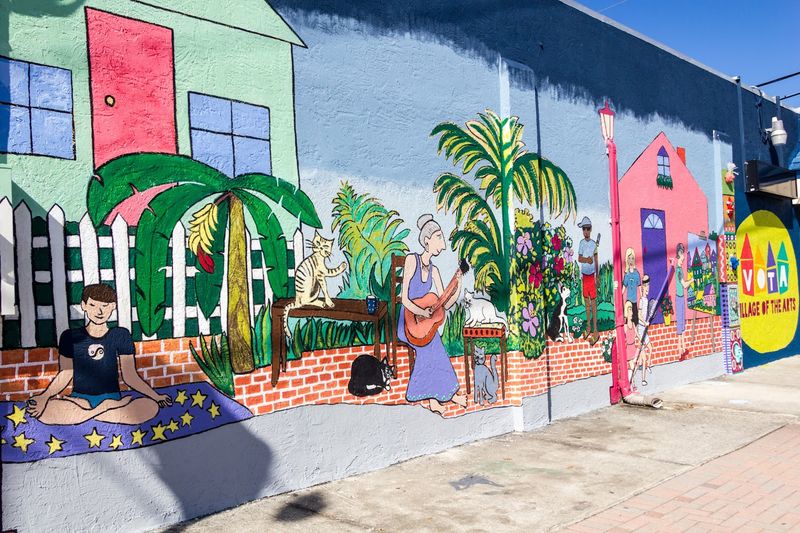
Once a month, the Village of the Arts comes alive in a way that feels like a neighborhood party crossed with a gallery opening. First Friday Art Walks bring the entire community together, with galleries staying open late, musicians performing on porches, and visitors wandering freely between cottages. The relaxed atmosphere makes art accessible to everyone, whether you’re a serious collector or just curious.
These themed events often celebrate specific concepts or holidays, adding extra creativity to an already colorful setting. You might encounter a Day of the Dead celebration with skeleton decorations adorning every cottage, or a summer festival with outdoor installations scattered throughout the streets. Food vendors set up alongside artists, creating a festive vibe that encourages lingering.
Friday and Saturday evenings see extended hours until 11:30 PM, giving you plenty of time to explore after dinner. The evening light adds magic to the experience as shadows play across painted walls and string lights twinkle between trees. Checking the website before visiting ensures you don’t miss these special events when the village operates at full capacity.
Many visitors report that Art Walk nights offer the most complete experience, with virtually every gallery open and artists eager to engage with the crowd flowing through their spaces.
4. Hidden Gems Beyond the Main Galleries
Art galleries might be the headline attraction, but the Village of the Arts hides plenty of other treasures worth discovering. Birdrock Taco Shack serves up authentic street food in a casual setting perfect for refueling between gallery visits. Motorworks Brewing offers craft beers that pair nicely with the creative atmosphere.
Jerk Dog Records attracts vinyl collectors hunting for rare finds.
Arte Cafe delivers fabulous Italian cuisine that reviewers rave about, providing a sit-down dining experience that feels worlds away from chain restaurants. Frank Peter Antiques fills its space with vintage treasures that complement the historic cottage aesthetic. The Village Mystic offers crystal mining experiences that kids absolutely love, adding a hands-on element to your visit.
These diverse businesses create a complete neighborhood rather than just an art district. You can easily spend several hours—or an entire day—wandering between galleries, grabbing lunch, browsing records, and discovering unexpected shops. This variety means the village appeals to mixed groups with different interests.
While one person explores paintings, another might hunt for antiques or enjoy a beer on a patio. The eclectic mix reflects the creative, independent spirit that defines this community and keeps visitors coming back to discover something new each time.
5. Front Yard Art Installations That Stop You in Your Tracks
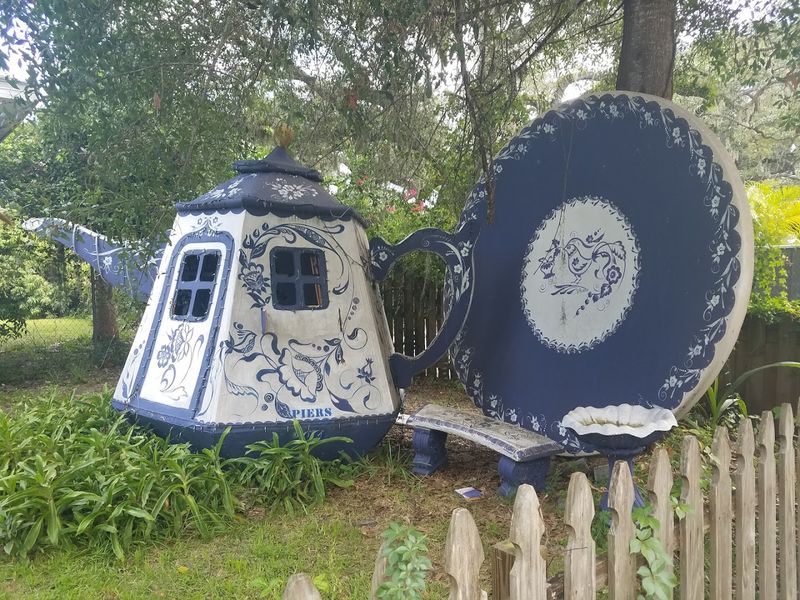
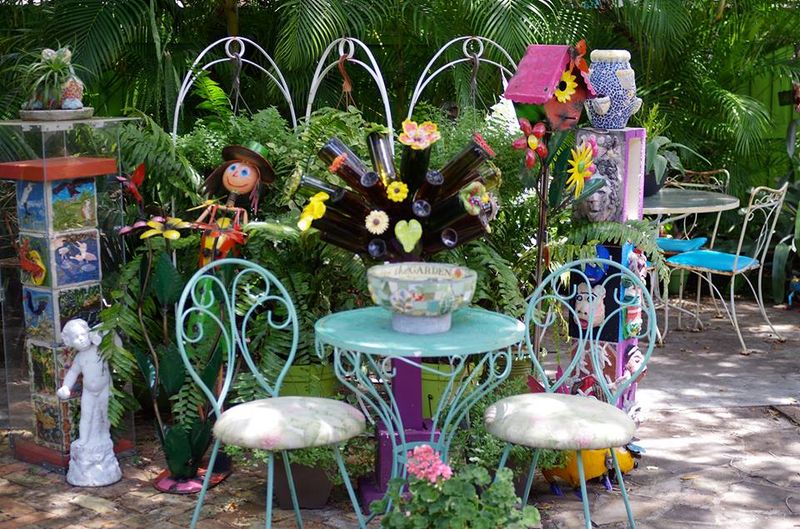
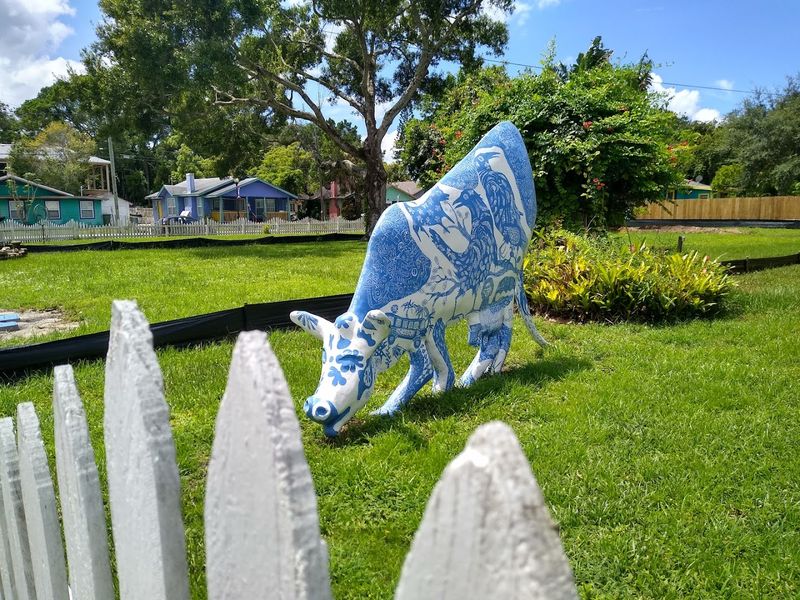
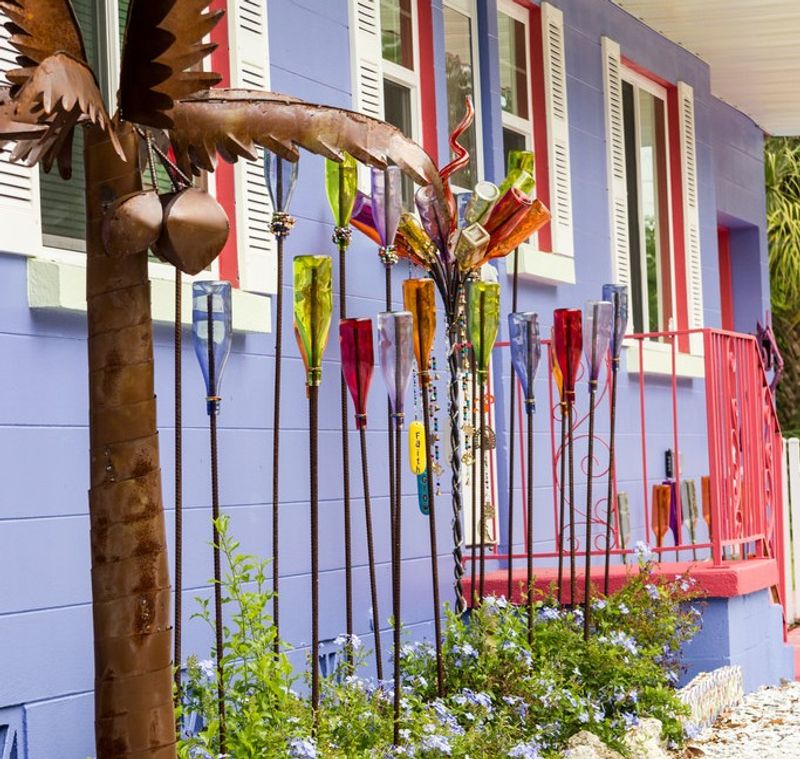
Before you even enter a single gallery, the outdoor art grabs your attention. Sculptures sprout from lawns like metal flowers. Painted installations lean against fences.
Mosaics cover mailboxes. Every front yard becomes an exhibition space where artists preview their style and invite you closer.
These outdoor displays serve multiple purposes beyond decoration. They advertise what you’ll find inside while giving passersby free access to art even when galleries are closed. Many visitors report enjoying their strolls through the neighborhood even on days when most studios weren’t open, simply because the yards offered so much visual interest.
The variety is staggering—one cottage might feature whimsical metal creatures while the next showcases abstract paintings propped on easels. Some artists rotate their outdoor displays seasonally, giving repeat visitors fresh experiences. This generosity of sharing art publicly rather than keeping everything behind closed doors reflects the community’s welcoming philosophy.
You don’t need an appointment or admission fee to enjoy significant portions of what the village offers. Just walking the streets with open eyes provides entertainment and inspiration. Photographers find endless subjects, while families enjoy the treasure hunt aspect of discovering new pieces around every corner.
The outdoor art democratizes the experience, making creativity accessible to absolutely everyone.
6. Intimate Conversations That Make Art Personal
Commercial galleries often feel formal and intimidating, but the Village of the Arts operates on an entirely different wavelength. Artists working from their homes create casual environments where conversations flow naturally. You’re not interrupting a sales pitch—you’re chatting with someone passionate about their craft who genuinely enjoys sharing their process.
Many proprietors have resided in the village for decades and possess encyclopedic knowledge about both art techniques and neighborhood history. They’ll explain how they developed their signature style, what inspired a particular piece, or how the community evolved from a struggling area into the vibrant destination it is today. These interactions add depth and context that transforms how you view the work.
The intimacy extends to the physical spaces themselves. Gallery owners might invite you into their actual living rooms where paintings hang alongside family photos. You’ll see where they eat breakfast, where they create, and how art integrates into every aspect of their daily existence.
This transparency builds genuine connections between artists and visitors. You’re not just buying a painting—you’re supporting someone whose story you’ve heard, whose home you’ve visited, and whose passion you’ve witnessed firsthand. That personal element makes every purchase more meaningful and memorable than any transaction in a traditional retail environment could ever be.
7. Strategic Timing Makes All the Difference
Here’s something crucial that catches many first-time visitors off guard: not every gallery keeps consistent hours. Most artists open Thursday through Saturday from 11 AM to 4 PM during regular weeks, with extended Friday and Saturday hours until 11:30 PM. Sundays see limited availability from 12:30 to 5 PM.
Checking the village website before visiting saves disappointment.
This irregular schedule reflects the reality of artists balancing creation with commerce. They’re not retail employees—they’re working artists who open their homes when they can. First Friday Art Walks guarantee maximum participation, making them ideal for visitors who want to see everything.
Weekday visitors might find fewer options but also enjoy more relaxed, personal interactions without crowds.
Some reviewers expressed frustration about arriving when most places were closed, emphasizing how important planning becomes. The website lists which specific galleries will be open on particular dates, allowing you to coordinate your visit strategically. If you’re traveling from far away, timing your trip during an Art Walk or special event ensures you experience the village at its fullest.
Local residents have more flexibility to drop by multiple times until they catch their favorite artists during open hours. Understanding this rhythm prevents disappointment and helps you appreciate the authentic, non-commercialized nature of this artist-run community.
8. A Community Model Worth Celebrating and Protecting
What makes the Village of the Arts truly special isn’t just the individual galleries or colorful buildings—it’s the entire community model that proves art can anchor neighborhood revitalization. Twenty years ago, this area faced economic struggles. Artists saw potential in affordable historic cottages and gradually transformed blocks into a thriving creative district that attracts visitors from across Florida and beyond.
This success story demonstrates how supporting local artists creates ripple effects throughout a community. Property values stabilized. Small businesses opened.
Tourism increased. Yet the village maintains its authentic character rather than becoming overly commercialized. Artists still live affordably while pursuing their passions, and visitors enjoy genuine interactions rather than manufactured experiences.
Recent controversies, including government-ordered removal of sidewalk and street art, highlight ongoing tensions between creative expression and regulatory control. Many community members view these actions as threats to the free expression that makes the village special. Supporting the Village of the Arts—through visits, purchases, and advocacy—helps ensure this unique model survives.
Few places successfully blend residential life, working studios, and public art into such a cohesive, welcoming whole. Protecting and celebrating this achievement matters not just for Bradenton but as an example of what’s possible when communities embrace creativity as a foundation for growth.