Thousands of Gallons of Wastewater Found Spilling into Florida Creek
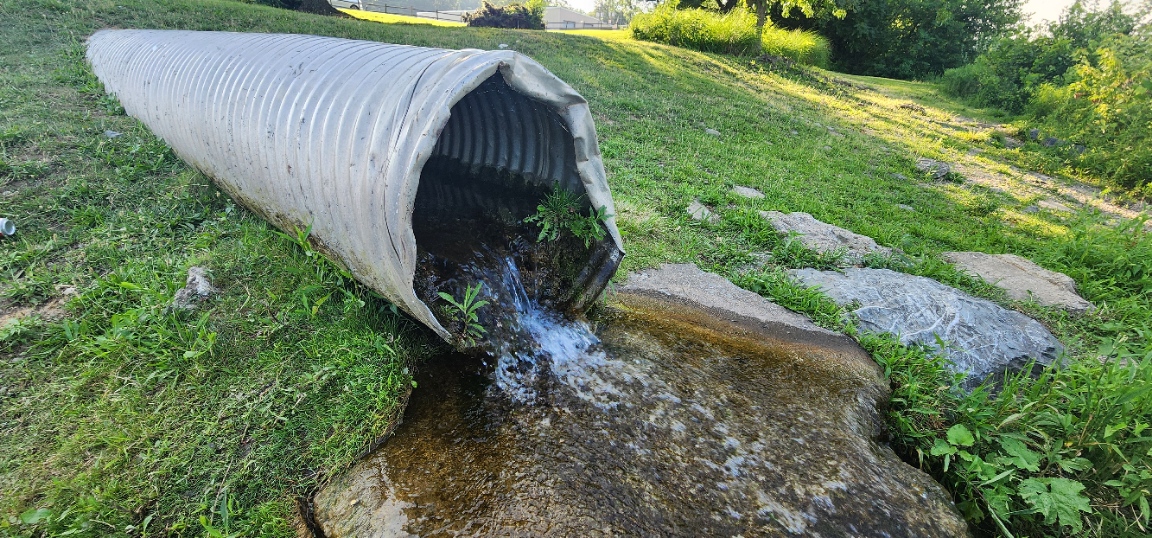
More than 7,000 gallons of untreated wastewater spilled into Winston Creek in Lakeland, prompting an emergency environmental response that stretched into the early hours of Tuesday morning.
According to reporting officials, the incident began around 12:00 PM on July 21, when city workers inspecting sewer lines discovered a leak spewing sewage into the nearby waterway. The leak continued unchecked for nearly 14 hours before crews managed to stop the flow at approximately 1:45 AM the following day.
In total, 7,200 gallons of wastewater were released into the environment—none of which was recovered.
City of Lakeland Wastewater Supervisor James Green reported the spill to the Florida Department of Environmental Protection, which issued a pollution notice Tuesday morning. Green reported that repairs are underway, and environmental sampling is currently being conducted to assess the impact on the surrounding area.
The exact cause of the leak has not been released, but the incident raises concerns about the aging infrastructure in Polk County and its potential environmental fallout.
Untreated wastewater spills like the one in Lakeland aren’t just a local inconvenience—they can wreak havoc on Florida’s fragile environment. According to the Florida Department of Environmental Protection (FDEP), wastewater contains high levels of nitrogen and phosphorus, which act like fertilizer when they enter waterways. These nutrients fuel harmful algal blooms that can lead to oxygen-depleted “dead zones,” fish kills, and beach closures, especially in warm, shallow bodies of water common across the state.
In a state known for its iconic beaches, springs, and aquatic wildlife, even relatively small sewage discharges can trigger widespread environmental and public health consequences. The Florida Department of Health (FDOH) warns that contact with untreated wastewater can expose people to pathogens and bacteria like enterococci, which can cause skin rashes, stomach illness, and respiratory infections. The state’s Healthy Beaches program routinely monitors for such bacteria as an indicator of fecal contamination in recreational waters.
Florida’s geology adds another layer of concern. The state sits atop a porous limestone aquifer system, meaning contaminants from spills can quickly seep underground and pollute drinking water sources. And with more than 2.6 million septic systems in use across Florida, many of which are aging or poorly maintained, the potential for groundwater contamination is an ever-present risk.
Statewide, Florida’s wastewater infrastructure handles over 2.7 billion gallons per day—yet even with modern treatment, accidental spills like the 7,200-gallon leak into Winston Creek can disrupt ecosystems for weeks or months. These incidents are more than just statistics; they serve as urgent reminders of the environmental cost of aging infrastructure and the pressing need for investment in wastewater resilience and accountability.
For ongoing updates and water quality monitoring in your area, residents can visit the Protecting Florida Together dashboard.
📍 Location of Spill:
1825 Glendale Street, Lakeland, FL 33803
(28.0373° N, 81.9777° W)
📞 On-Site Contact: James Green, Wastewater Supervisor
📧 [email protected]