Top 10 Biggest Cities in Florida by Population
Florida’s population isn’t just booming—it’s concentrating in a handful of cities that shape how the state works day to day.
These aren’t “metro areas” or counties; this list focuses on incorporated cities, where city limits (and a few quirky boundary decisions) can dramatically change the numbers.
Some of Florida’s biggest names rank high because they’re dense and vertical, while others top the chart thanks to sprawling borders and decades of annexation.
In each stop below, you’ll get the quick why behind the population—how the city grew, where residents actually live, and what the demographics and neighborhood patterns look like on the ground.
Think of it as Florida’s people map: where the crowds are, how they’re distributed, and what that says about each city’s identity.
2. Fort Lauderdale — 185,604
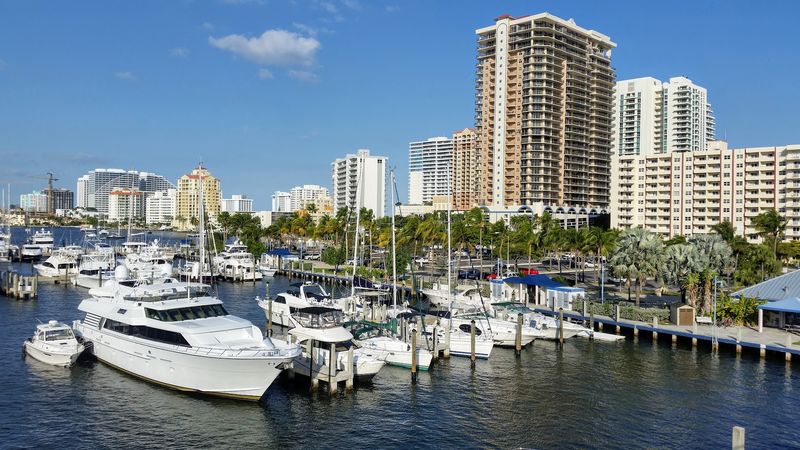
The city’s footprint is smaller than many people assume, so population concentrates in neighborhoods that mix high-rises, older single-family streets, and canal-side communities.
Downtown and the Flagler Village area have seen big waves of new residents as apartments and condos multiplied, while places like Victoria Park and Rio Vista remain established, residential anchors close to the core.
Demographically, the city blends longtime South Florida residents, international newcomers, and a steady stream of transplants who want coastal living with a more “livable” feel than Miami’s intensity.
Historically, it grew from a military and boating identity into a major tourism-and-business hub, and the population reflects that evolution—more full-time residents, more year-round neighborhoods, and less of a purely seasonal feel than it used to have.
Fort Lauderdale is populous because people don’t just pass through anymore; they’re putting down roots.
3. Tallahassee — 201,875
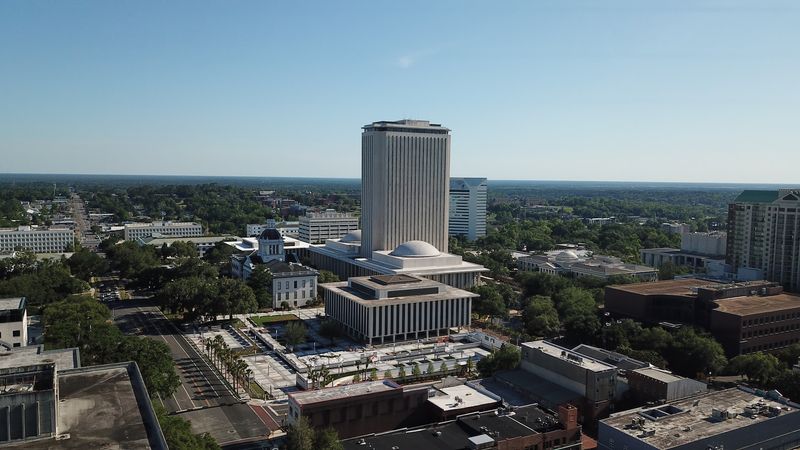
Tallahassee’s population is shaped by two engines that never really turn off: state government and major universities.
That creates a city with a steady base of permanent residents—state workers, families, longtime locals—plus a constant cycle of students and young professionals that keeps the demographic profile younger than many Florida cities.
Where people live often follows those patterns: Midtown and older in-town neighborhoods pull residents who want established homes and proximity to downtown, while the edges of the city keep expanding with newer subdivisions for commuters.
The history runs deeper than its modern size suggests, with layers tied to Florida’s political past and the institutions that make the city what it is now.
Unlike Florida’s coastal giants, Tallahassee’s growth isn’t driven by beach proximity; it’s driven by jobs, education, and stability. That’s why the population feels “anchored”—the city changes each semester, but it also keeps its core identity year after year.
4. Cape Coral — 215,536
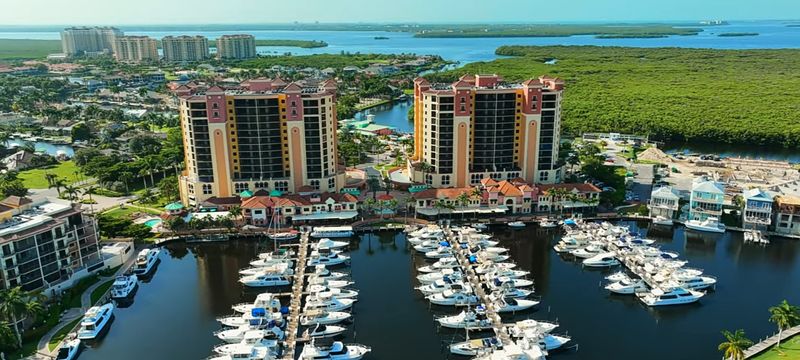
Cape Coral’s population rise is tied to a very specific kind of Florida development: master-planned, canal-laced, and built for residential growth rather than a traditional city center.
A lot of residents live in single-family homes with yards and water access, which spreads the population across a wide grid rather than stacking it downtown.
Demographically, the city has long attracted retirees and second-home owners, but it’s also pulled in more working families as Southwest Florida expanded and housing demand pushed people into newer, more affordable areas.
Neighborhood identity here is often practical—people describe where they live by quadrant, bridge access, or whether they’re near the river rather than by historic district names.
The city’s “history” is comparatively modern, and you can feel that: fewer old buildings, more recent growth spurts, and a population that often arrived within the last decade or two. Cape Coral is populous because it’s built for living first, and everything else second.
5. Hialeah — 226,165
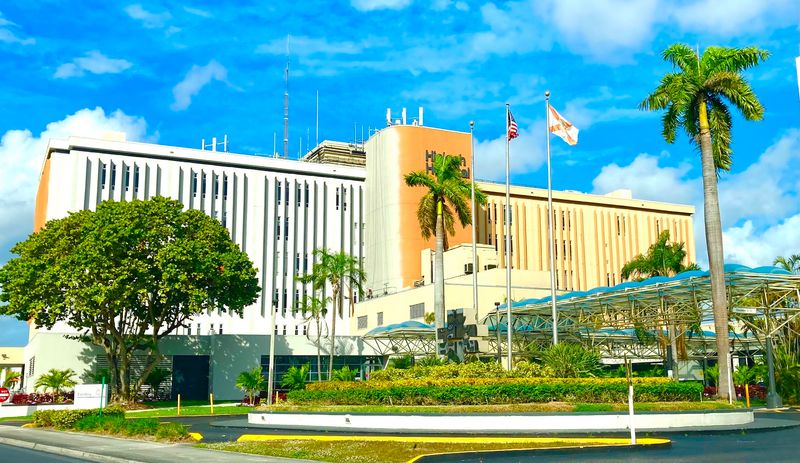
This is one of the places where Florida’s demographic story becomes impossible to ignore.
It’s heavily shaped by Cuban and broader Latin American heritage, and that cultural continuity is a major reason the city has remained both populous and distinct, even while sitting next to Miami’s constant reinvention.
Residential life here is tightly packed: single-family homes, duplexes, and apartment buildings layered into neighborhoods that feel busy from morning to night. Many households are multi-generational, which influences everything from housing patterns to local business life.
The city’s history includes a mid-century boom and the long legacy of Hialeah Park as a landmark, but the real “timeline” is lived—waves of arrivals, families putting down roots, and a community that keeps growing through closeness rather than sprawl.
Hialeah isn’t about flashy development; it’s about people and density creating their own gravity.
6. Port St. Lucie — 232,491
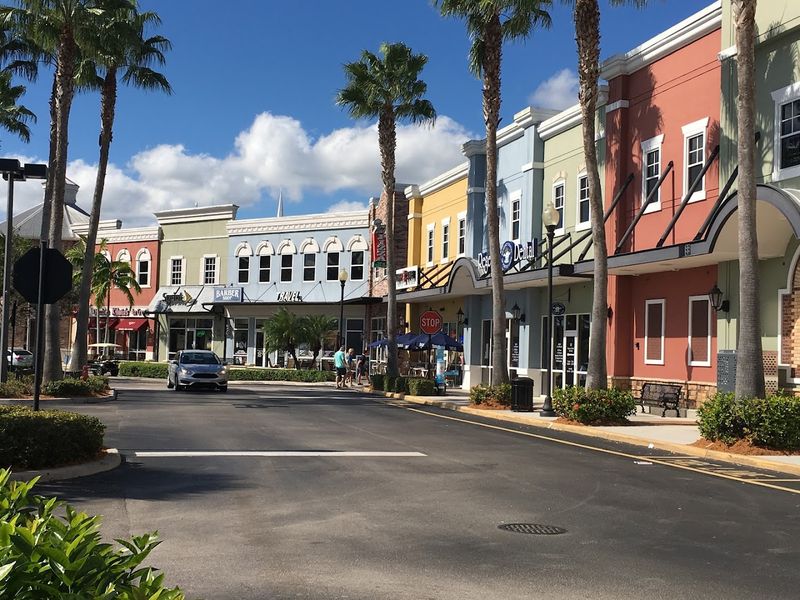
Port St. Lucie is one of Florida’s “newer” big-population stories—less about a historic downtown and more about rapid residential expansion that turned a once-quiet area into a major city.
A lot of the population lives in planned communities and suburban-style neighborhoods, which is why the city feels spread out and car-oriented.
People move here for space, newer housing, and the ability to live near the coast without paying the premium prices of older, denser cities. Demographically, it’s often family-heavy, with many residents commuting within the Treasure Coast region and plenty of transplants who came for a calmer pace.
You’ll also see seasonal population shifts as part-time residents cycle in and out.
The city’s identity is still forming, but that’s part of the point: Port St. Lucie is what Florida looks like when growth happens fast—new schools, new shopping centers, and new neighborhoods appearing like they’re on a timer.
7. St. Petersburg — 262,732
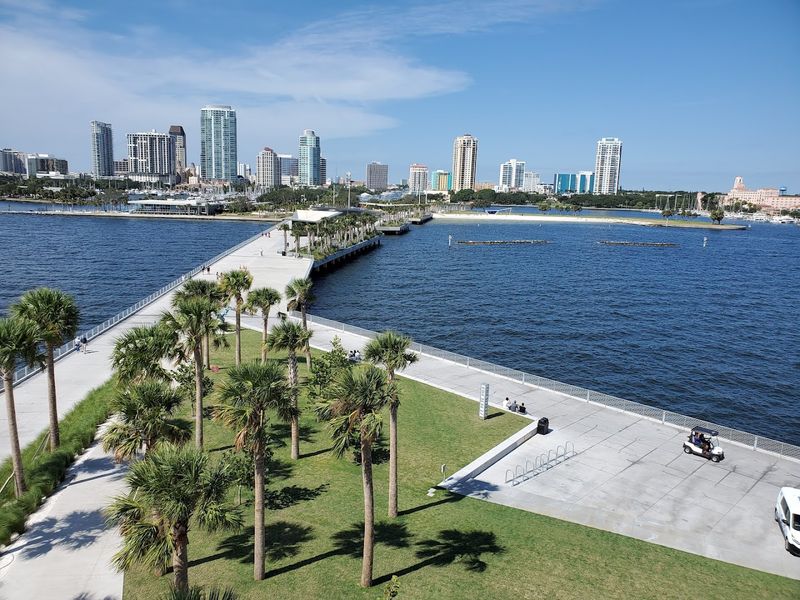
St. Pete’s population has climbed as people chased a more urban, walkable lifestyle on the Gulf Coast, and the city’s footprint makes it easier to feel “together” than many spread-out Florida metros.
Downtown and the edges of it have added more density—apartments, condos, and renovated historic buildings—while neighborhoods like Old Northeast hold onto their classic character and Crescent Lake and Kenwood pull residents who want community vibes without leaving the city grid.
Demographically, St. Pete is a mix of longtime Floridians, retirees, artists, and a growing wave of younger residents priced out of bigger coastal markets.
The history has real texture, from early waterfront development to a long arc of revitalization that turned the core into a place where people actually live, not just visit.
Population growth here feels visible in everyday life: more bikes, more new buildings, more restaurants, and more locals treating the waterfront as their front yard.
8. Orlando — 319,758
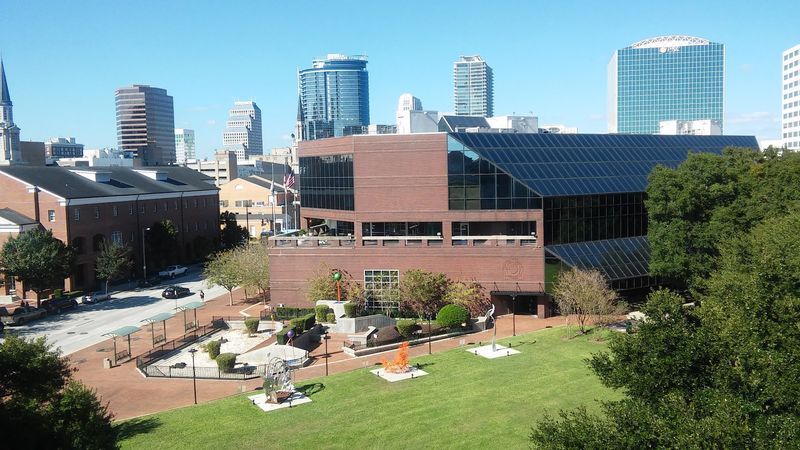
Orlando’s population is powered by more than tourism—it’s a magnet for people building careers in hospitality, healthcare, education, tech, and logistics, which keeps the city growing even when the theme parks aren’t the focus.
Residential life spreads outward, but it also clusters in specific pockets: Downtown high-rises for people who want walkability, Winter Park for old-Florida polish, and neighborhoods like College Park and Audubon Park for a quieter, tree-lined vibe close to the core.
Demographically, Orlando is diverse and increasingly younger-leaning, with a steady stream of newcomers relocating for jobs and cost-of-living math.
The history angle is easy to miss because the modern image is so loud, but the city’s older neighborhoods and lake districts hint at its pre-park past.
Orlando’s population story is really about layers: a fast-growing city where longtime residents, students, and new arrivals live side by side, often just a few minutes apart but in completely different “Orlandos.”
9. Tampa — 401,618
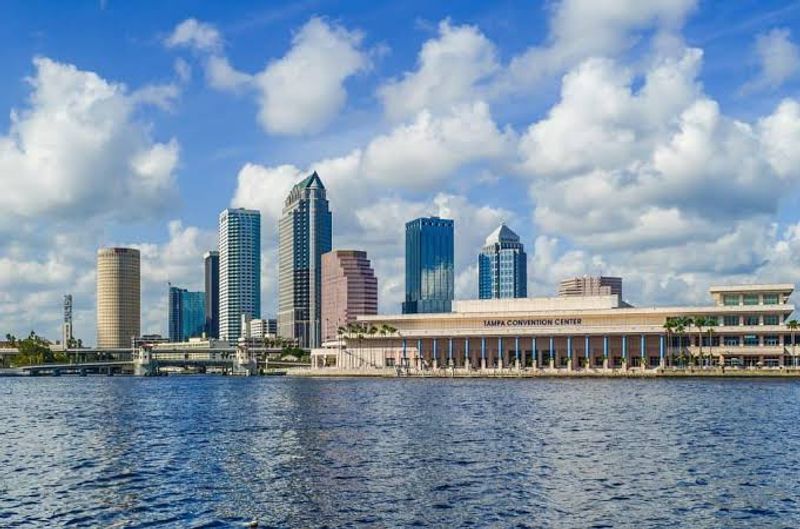
Tampa’s population growth has been steady, and it shows in how the city has expanded beyond its historic core while still keeping strong neighborhood identities.
Longtime residential anchors like Seminole Heights and Hyde Park mix older bungalows with newer infill, while areas near downtown and the river have added more apartments and mid-rise living as jobs and entertainment pulled people inward.
The city’s demographics reflect a blend of Southern roots, Latin influence, and a growing influx of transplants drawn by finance, healthcare, and a broader “bay area” economy.
Historically, Ybor City is the clue to Tampa’s immigrant backbone—cigar factories, Cuban and Spanish communities, and a working-class story that still shapes local pride.
Tampa’s population doesn’t live in one obvious center; it’s more of a patchwork, with different districts functioning like mini-cities. That’s why two locals can say they’re “from Tampa” and mean totally different day-to-day worlds.
10. Miami — 459,745
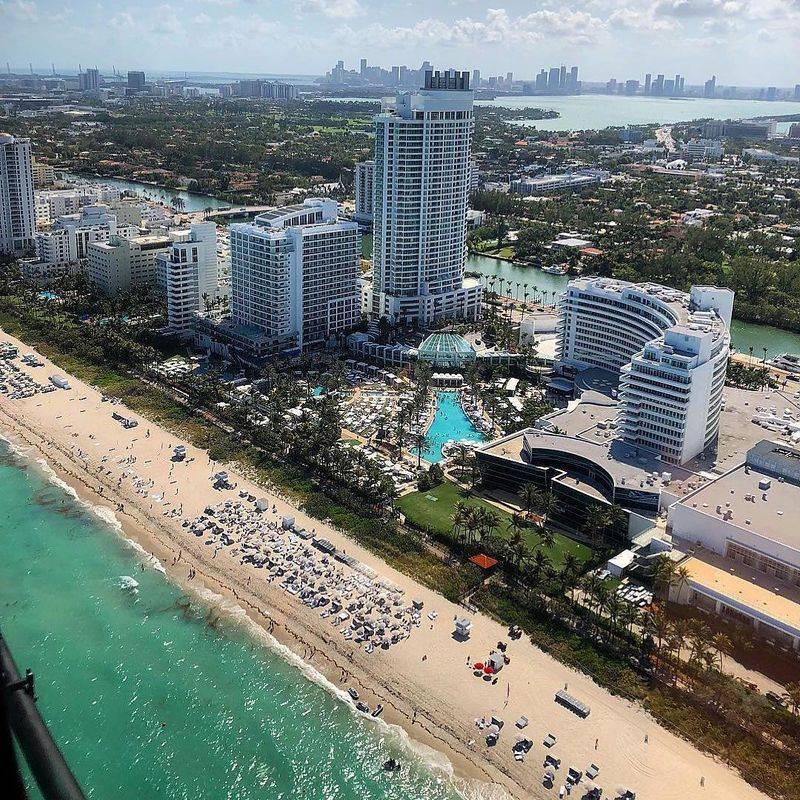
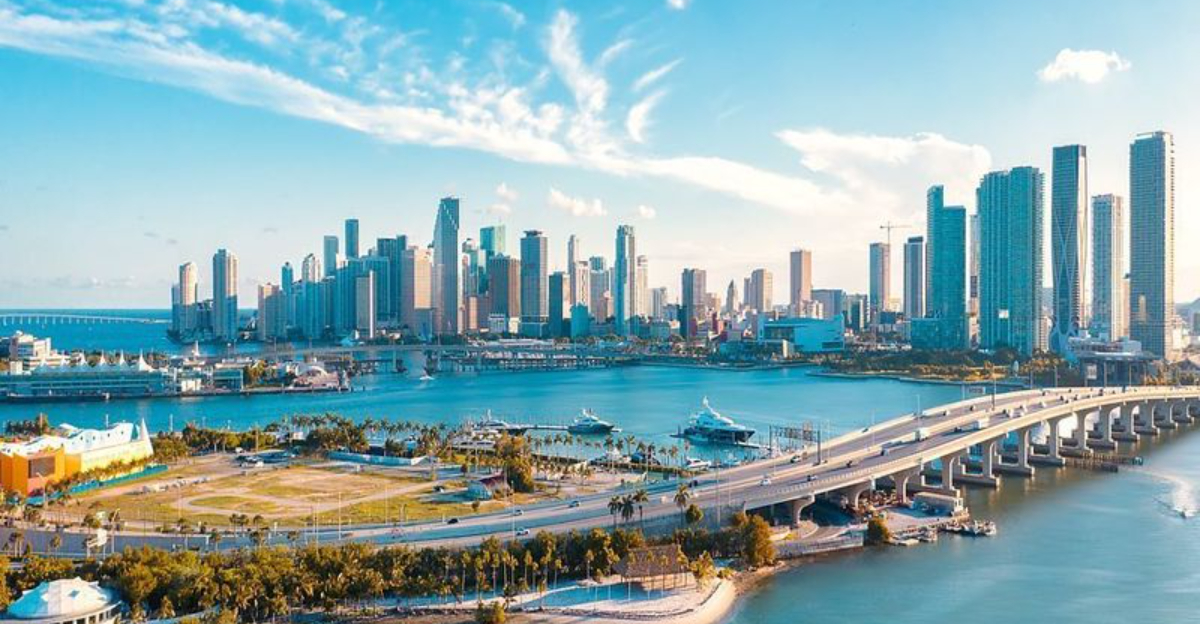
This is Florida’s global city, and the population story is as much about density and cultural roots as raw numbers.
The city itself is compact, which is why it feels so alive—many residents live in vertical neighborhoods like Brickell and Downtown, while others are anchored in long-established communities such as Little Havana, Shenandoah, and Coconut Grove.
Demographically, Miami is famously multilingual and heavily shaped by Latin American and Caribbean influence, which shows up in everything from politics to food to how neighborhoods organize around family networks.
The skyline growth is newer, but the cultural map has deep history: waves of immigration, reinvention after hurricanes, and a constant churn of newcomers.
Miami’s population isn’t spread out like many Florida cities; it stacks, clusters, and pulses around transit lines, waterfront edges, and job centers. That compactness is why it feels intense—in a good way, if you like cities that move fast.
11. Jacksonville — 977,670
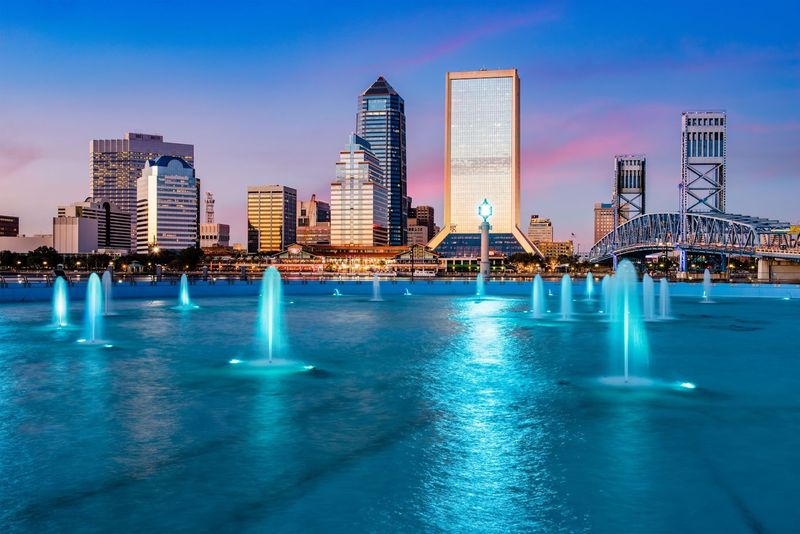
The headliner spot belongs here largely because of geography: consolidation in the late 1960s folded the city and much of the county together, so the population number reflects an enormous footprint.
What that means on the ground is variety—beach towns on the edge, historic urban neighborhoods closer in, and loads of suburban growth in between.
A big chunk of daily life concentrates around the St. Johns River corridor, with Riverside and Avondale drawing people who want older homes and walkable streets, while Southside and the Beaches pull families and commuters chasing space and newer builds.
The city’s population mix is broad, and the scale makes it feel like multiple Floridas stitched into one.
Jacksonville reads less like a single downtown and more like a collection of hubs, which is exactly how a city this big functions: where you live matters as much as the name on the map.