Uncover Florida’s ‘Flying Manta Ray’ Beach Where Rays Leap From The Water

Imagine standing on warm South Florida sand when a dark winged shape rockets from the water and smacks back down in a glitter of spray. That startling leap is real, and it happens off Boynton Beach more often than you might expect. Rays gather here in unusual numbers, turning calm days into viral worthy moments. Stick around, scan the surface, and you might catch the next breathtaking breach yourself.
1. Florida’s Surprising ‘Flying Manta Ray’ Phenomenon
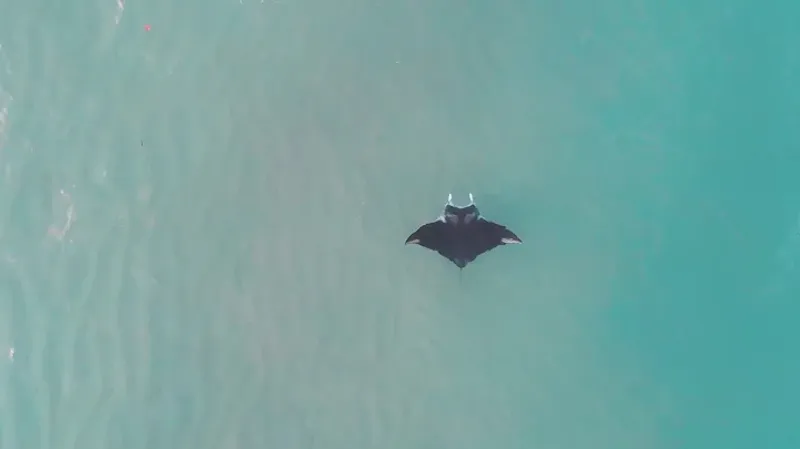
You are on Boynton Beach, eyes tracing the green blue surface, when a winged shadow suddenly bursts skyward. A manta ray flips, lands with a slap, and ripples race to your feet. It feels unreal, like a nature documentary playing live just for you.
This coast in South Florida has become a hotspot for these surprise performances. Calm seas and bright sun let you see the arcs clearly, even from shore. Paddleboarders and snorkelers sometimes get front row seats, but casual beachgoers score sightings too.
Videos from Boynton regularly make social feeds because the action is close and frequent. If you slow down and watch the waterline, you might catch the next leap. Stay ready, camera steady.
2. Why Boynton Beach? The Rare Manta Ray Nursery on Florida’s Coast
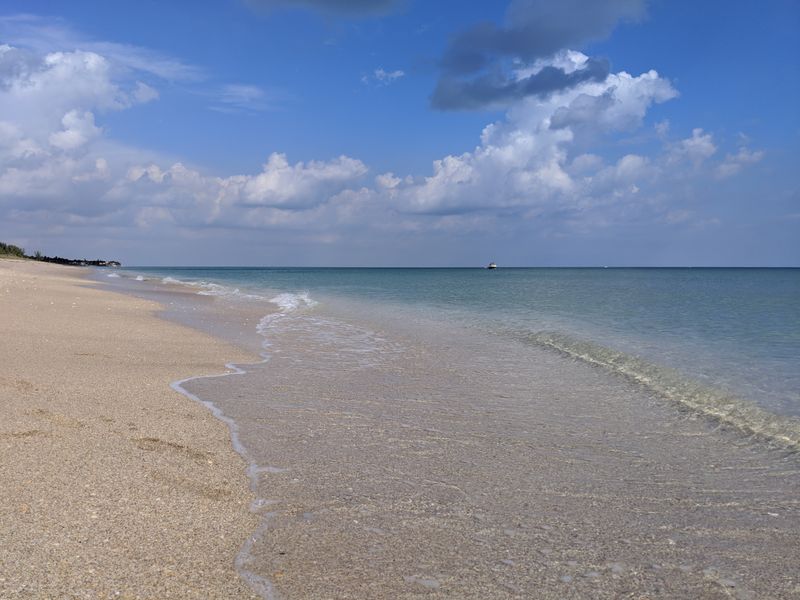
Boynton Beach sits beside one of the only documented juvenile manta ray nursery habitats in the United States. Warm Gulf Stream eddies curl close to shore, mixing with the inlet and nearshore reefs. That blend concentrates plankton and tiny prey, creating a predictable buffet for growing mantas.
Shallow sandy shelves offer refuge, while patch reefs provide current breaks. The conditions let juveniles feed efficiently without burning energy, a crucial advantage in early years. Researchers recognized this pattern and began long term monitoring.
When you step onto Boynton’s sand, you are overlooking a nursery where young rays learn to navigate currents. The ocean here is not just scenic. It is structured for nurturing life, and you can witness that design in motion.
3. Rays Are Surprisingly Frequent Here — More Than Anywhere Else in Florida
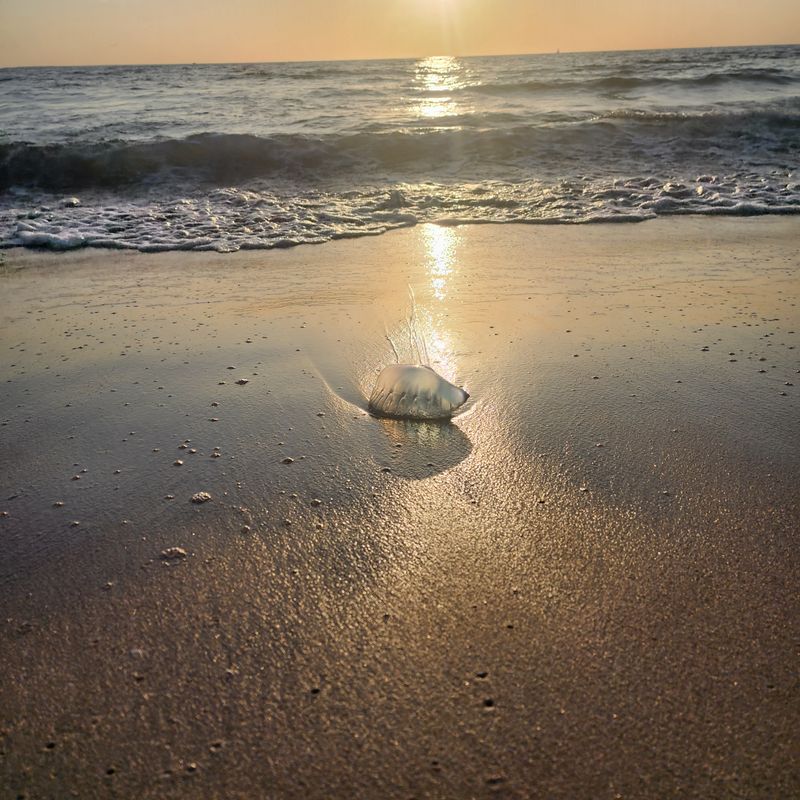
Field surveys have documented repeated juvenile manta sightings along Boynton Beach more consistently than elsewhere on Florida’s coast. In-water photo IDs match individuals by unique spot patterns on their bellies. Over multiple seasons, the same rays reappear, showing site fidelity.
That means this shoreline functions like a home base, not a random pass through. For visitors, frequency matters more than myth. You want reliable chances, and Boynton’s data delivers that edge.
Citizen scientists and local dive operators contribute images that strengthen the record. The pattern is clear: young mantas return, feed, and cruise these same stretches. If you are hoping to see rays without a boat charter, this is the Florida beach where patience actually pays off.
4. Why Rays Leap: The Behaviors Behind the Breach
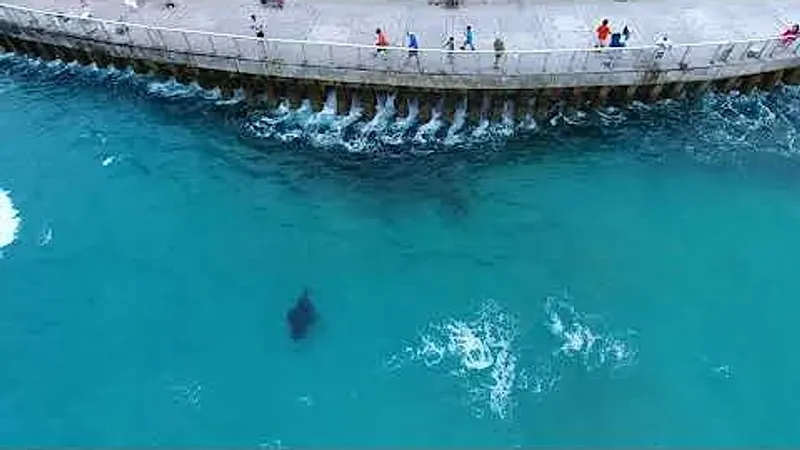
Rays leap for several reasons, and you might witness any of them from Boynton’s shoreline. Parasite removal is a leading theory, with a high impact landing shaking hitchhikers free. Other scientists suggest communication, play, or mating displays, depending on context and season.
You cannot predict a breach moment on command, but Boynton’s dense juvenile population lifts your odds. The more rays present, the more behaviors you might observe. Calm, clear seas make the spectacle easy to spot.
Watch for cruising wings near the surface, quick directional changes, and suddenly accelerating shadows. Those cues often precede a launch. Keep your gaze just beyond the break line, and be ready to pan slowly to follow the arc.
5. The Best Places Along Boynton Beach to Spot Rays

Start near the Boynton Inlet jetties where currents sweep food along the reef edge. Rays cruise the nearshore reefs, tracing ledges parallel to the beach. On clear days, you can scan from the pier or watch from the sand and catch dorsal tips slicing the surface.
Shallow sandy flats concentrate plankton that juveniles love. Look for milky green streaks that hint at bloom pockets. Paddleboarders see silhouettes best when the sun is overhead and the wind is light.
Snorkeling zones near patch reefs often produce close passes, especially on slack tide. Keep your distance and let the animals set the terms. Every now and then, a leaping ray clears the surface within shouting distance of shore.
6. When to Go: Timing for Peak Ray Activity
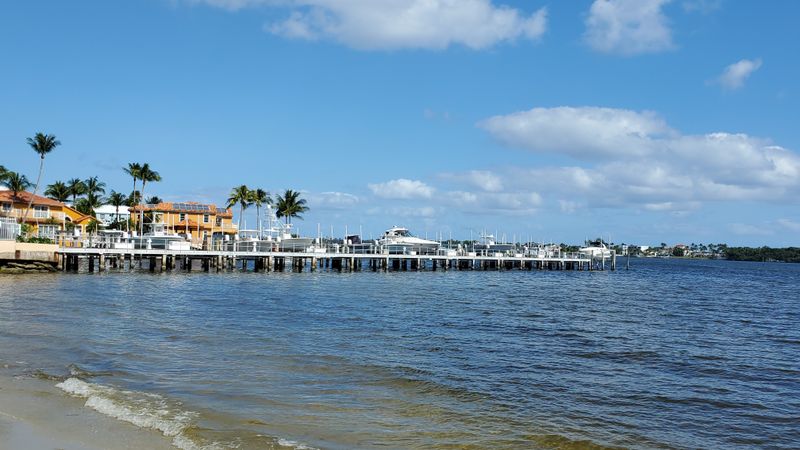
Warm months bring more plankton and more juvenile mantas to Boynton Beach. Mid day sun cuts glare when paired with good polarized lenses, making silhouettes pop. After storms settle, visibility often improves and rays resume their coastal circuits.
Choose calm, clear days when wind stays low and swell is gentle. Those conditions make a breach easier to spot and film. Patience matters more than anything.
If you give the shoreline an hour or two, chances are you will see rays cruising, feeding, or shadowing the reef. Peak seasons amplify that probability. Plan a relaxed window, hydrate, reapply sunscreen, and keep your focus just beyond the breakers.
7. How to Watch Them Safely (and Respectfully)
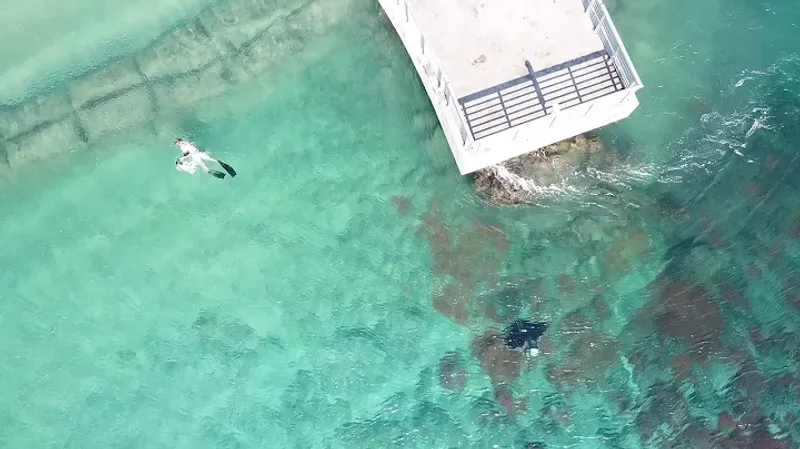
Keep a respectful distance and never chase or touch rays. From the beach, stand above the wash and scan slowly. On a paddleboard, kneel when needed for stability and let the animal pass beneath without following.
Snorkelers should stay calm, keep hands tucked, and avoid blocking a ray’s path. No flash, no feeding, and no crowding. If visibility drops, exit rather than risk collisions.
Ethical viewing protects your safety and the rays’ energy budget. Back away if a ray changes direction repeatedly or speeds up. Share space courteously with anglers and other watchers, and leave only footprints on Boynton’s sand.
8. Why Boynton Beach Belongs on Your Florida Wildlife Bucket List
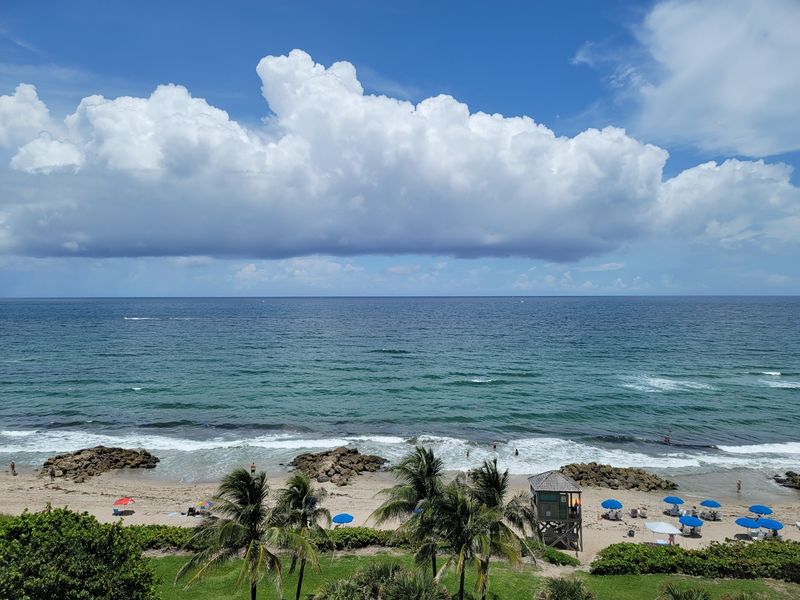
Seeing a manta ray fly is unforgettable, and Boynton Beach gives you realistic chances from an easy to reach shore. The city sits in South Florida’s metro web yet feels relaxed, with reefs and nurseries just offshore. That rare mix makes spontaneous wildlife moments accessible to everyday beach time.
Witnessing a leap feels like the ocean winking at you. It is wild, unscripted, and close enough to hear the splash. Even without a breach, cruisers glide by in mesmerizing slow motion.
Bring patience, polarized shades, and an open schedule. Let the tide do its work while you settle into the view. Boynton Beach belongs on your list because nature performs here, and the stage is right at your feet.