Where to See Wild Horses in Florida — Yes, They Exist
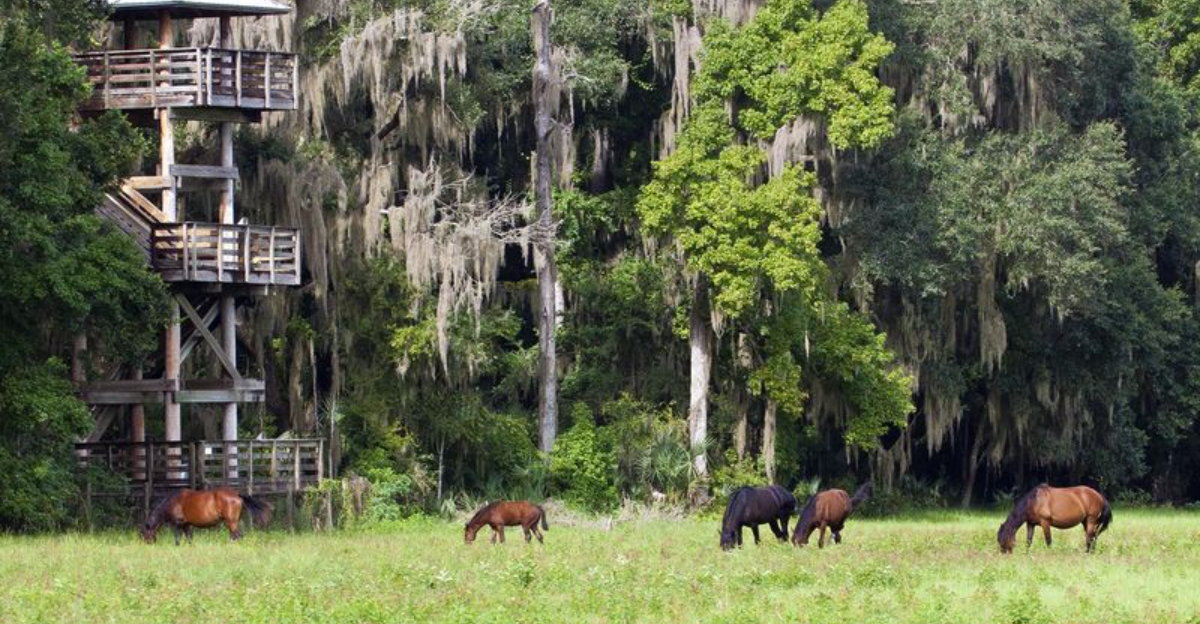
You have probably heard rumors about wild horses in Florida and wondered if they are real. They are, and seeing them in person feels like stumbling into a living postcard. From prairie lookouts to pine forests and marsh edges, these places reward patient, quiet observers. Bring curiosity, a long lens, and a sense of Old Florida adventure, because the best moments happen when you least expect them.
1. Paynes Prairie Preserve State Park (Micanopy / Gainesville)
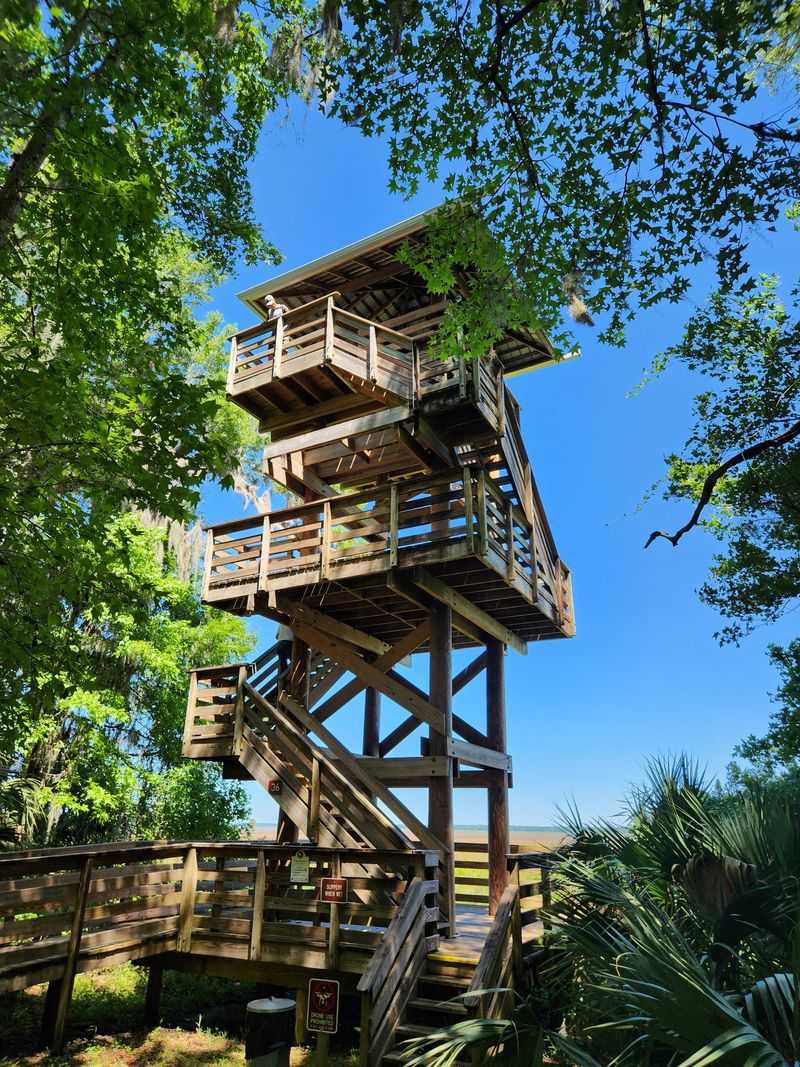
Start at the La Chua Trail, where the prairie opens wide and the light lifts like a curtain. Scan the edges of marsh and sawgrass for moving shapes that are not cattle. Wild horse descendants of early Spanish stock graze here, often mingling with bison, deer, and countless birds.
Bring binoculars and keep voices low. Rangers and signs remind you to give horses space, and you will want distance anyway for safety. The Prairie Overlook offers a sweeping view that lets you track the herd without disturbing them.
Go early or just before sunset for cooler air and golden light. Water levels shift the herd’s routes, so patience pays off. Every visit feels different.
2. Big Bend / Hickory Mound Wildlife Management Area (Taylor County)
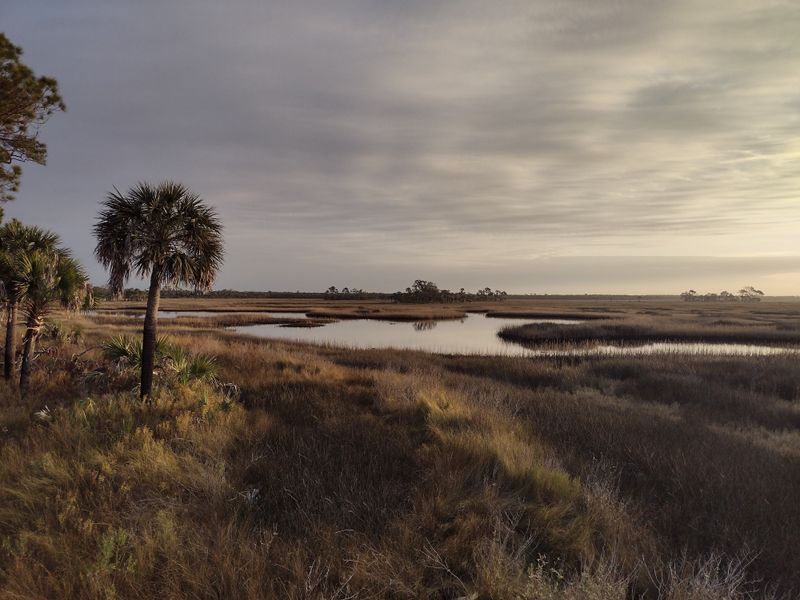
This stretch of coastline feels wonderfully empty and timeless. Drive the shell roads slowly and glass the marsh edges where spartina meets shallow water. Small groups of wild horses occasionally appear like ghosts, heads down, tails flicking at noseeums.
You will want bug spray, patience, and a cooler for long, quiet waits. Unlike busier parks, there are no crowds and few signs, just wind and egrets. The horses come and go, so consider multiple stops along the dikes.
Stick to designated routes and tread lightly on fragile habitat. Dusk brings softer light and more wildlife movement. When the herd steps from the reeds, the moment feels private and old beyond words.
3. Cumberland Island (Georgia, but accessible from Florida)
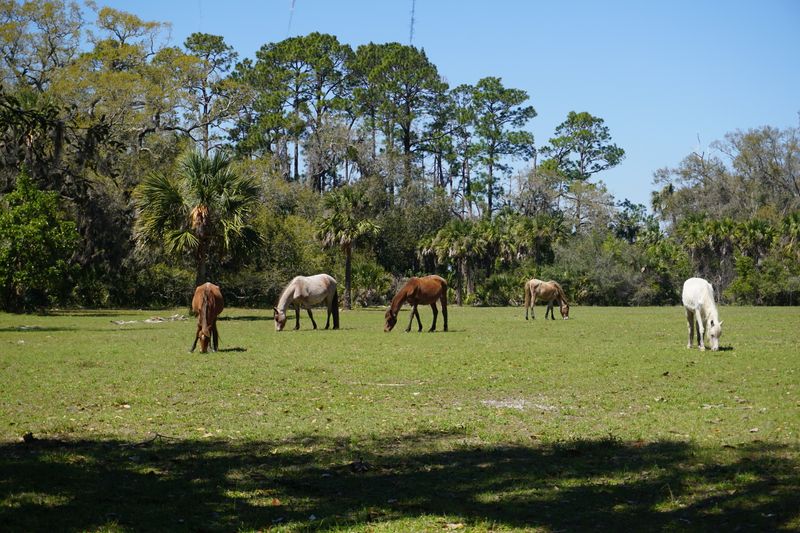
Board the ferry from St. Marys and the mainland fades into hush and dunes. Cumberland’s famous feral horses roam wide beaches, live oaks, and shell lanes near Dungeness ruins. You might spot a mare and foal tracing the tide line while pelicans skim the waves.
Pack water, snacks, and sun protection because services are minimal. Keep a long distance and never feed or approach. Trails weave through maritime forest where hooves print the sand beside armadillo tracks.
Time your trip for early morning or late afternoon to avoid heat and harsh light. The island is Georgia, yes, but practically a day trip from North Florida. The images and quiet stick with you.
4. Seminole State Forest (Lake County)
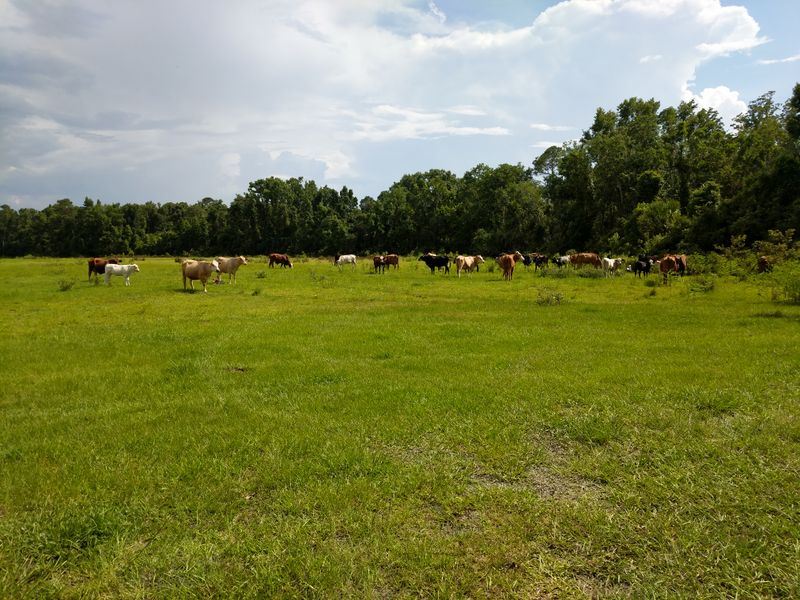
Seminole State Forest feels close yet wild, with pine flatwoods, scrub, and sandy roads that wander for miles. Occasionally, free-ranging horses appear along edges of clearings, echoes of early settlers and ranch life. Most days you will see tracks before you see tails.
Check in for day-use access and bring a map or GPS. Move slowly, pause at water crossings, and listen for hoofbeats among cicadas. Wildlife here is shy, and you will want patience more than luck.
Morning coolness draws animals from cover. If you spot horses, keep a respectful buffer and observe quietly. The forest rewards unhurried travelers who notice small signs, like fresh prints and nipped wiregrass.
5. Ocala National Forest – Forest Roads & Prairie Zones
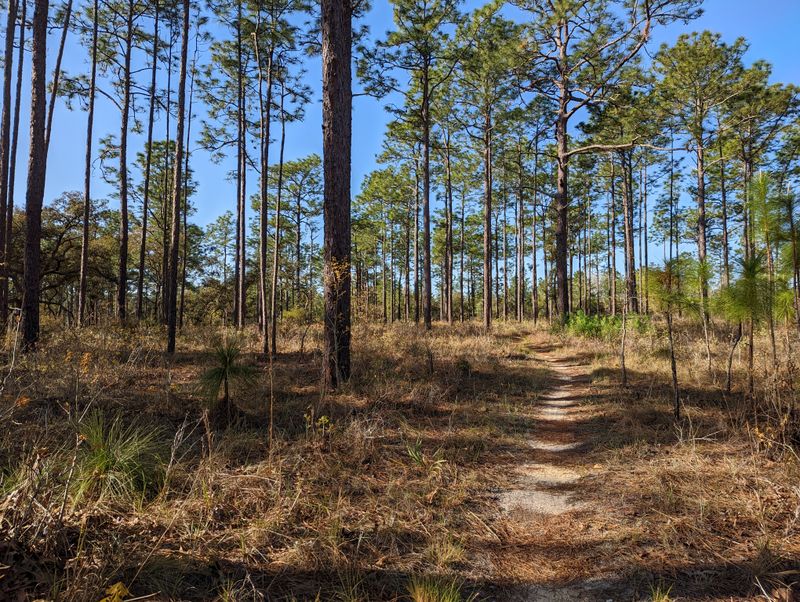
Ocala is big country, with sandy tracks threading longleaf pines and scattered prairies. Semi-wild or free-ranging horses sometimes appear near open zones and remote roads, especially where grass stays tender. You may pass ten empty miles, then suddenly catch movement beyond palmetto fans.
Carry extra water, a spare tire, and offline maps. Cell signal fades fast, and wrong turns happen easily. When you stop, shut doors softly and glass the horizon for silhouettes.
Late afternoon shadows help distinguish horses from cattle. Respect closures and never pursue animals off road. If the wind is right, you will hear the brief snort before you see dark manes lift.
6. Ritch Grissom Memorial Wetlands (Viera Wetlands)
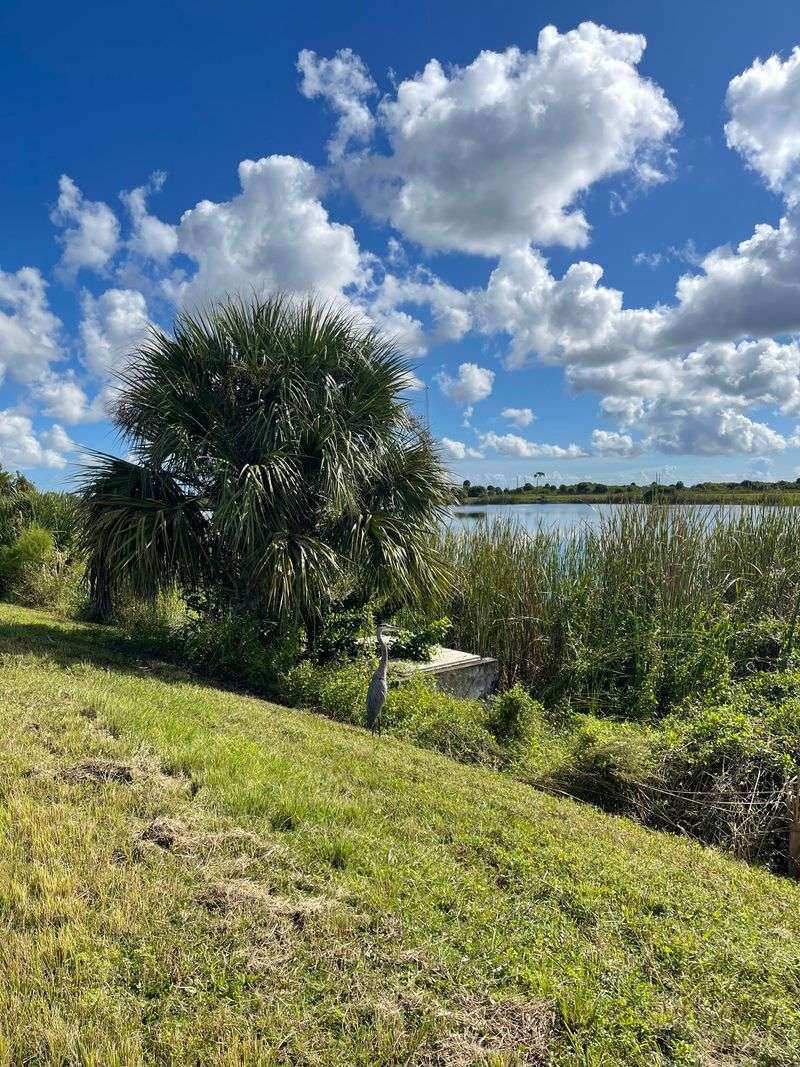
Birders flock here for bitterns and caracaras, but horses sometimes slip in from adjacent ranchlands. Sightings are rare, magical, and usually brief as animals skirt berm roads or graze near distant fences. Keep binoculars up while you circle the cells by car or bike.
Follow posted rules and give nesting birds space. If horses appear, stay in your lane and avoid crowding. Photography works best with a telephoto and a steady hand from the car window.
Ask locals or check recent reports for chances. Sunset paints glassy ponds and turns every ripple gold. Even if horses hide, the wetlands deliver unforgettable wildlife moments.
7. Osceola National Forest (Near Lake City)
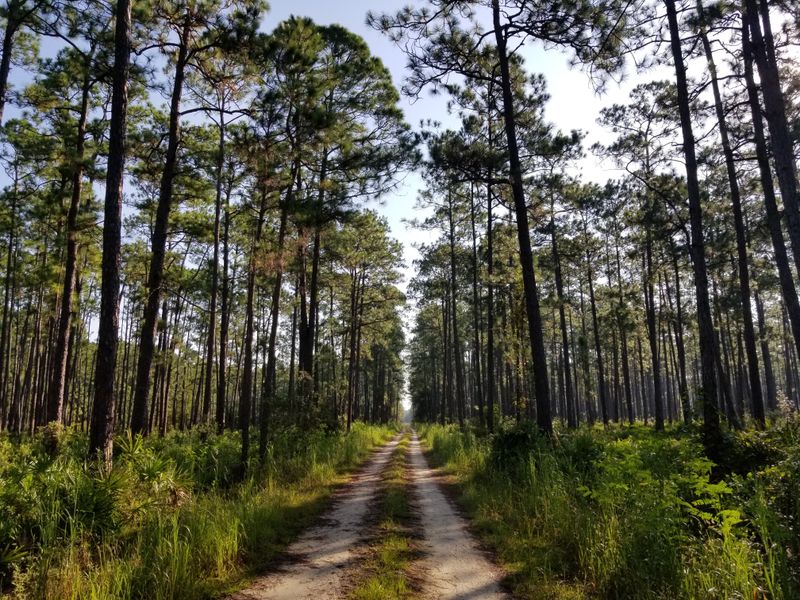
Osceola feels rugged and wet, with pine islands, cypress sloughs, and long sandy spines. Local ranch traditions mean occasional free-roaming horses wander remote edges, especially near water. You might notice fresh droppings or clipped grass before hooves appear.
Bring boots, bug spray, and a flexible plan. Roads flood, maps mislead, and patience becomes a superpower. Park off the crown, walk quietly, and scan transitions where pine gives to open wet prairie.
After rains, wildlife corridors light up with tracks. If you meet horses, maintain distance and move slow. The forest leaves you humbled, pockets full of resin scent and memory.