Yellowstone Was Warning Us About Florida’s Urbanization for Years
When the television series Yellowstone first aired, it captivated viewers with its drama, scenery, and cowboy grit—but for those paying attention, it was more than just a hit show. It was a warning.
A warning that Floridians—especially as car washes quietly popped up on every street corner—should have taken to heart. (Seriously, who is approving all of those? There are so many within a mile radius of me that I’m convinced at this point they are money laundering schemes.)
The show follows the Dutton family as they battle to preserve their generational Montana ranch from powerful developers and expanding urbanization. While Yellowstone is set in the rugged West, its message is eerily relevant here in the Sunshine State, and quite frankly, the locals are sick of it. Swap out mountains for marshlands, cattle for manatees, and the Duttons for Florida’s conservationists and long-time residents—and you’ve got a script that could’ve been written right here at home.
Florida is urbanizing at breakneck speed. With more than 1,000 people moving here every day, the pressure to build more housing, roads, and retail spaces is relentless. What gets sacrificed in the process? Wetlands, forests, wildlife corridors, and the Florida we once knew.
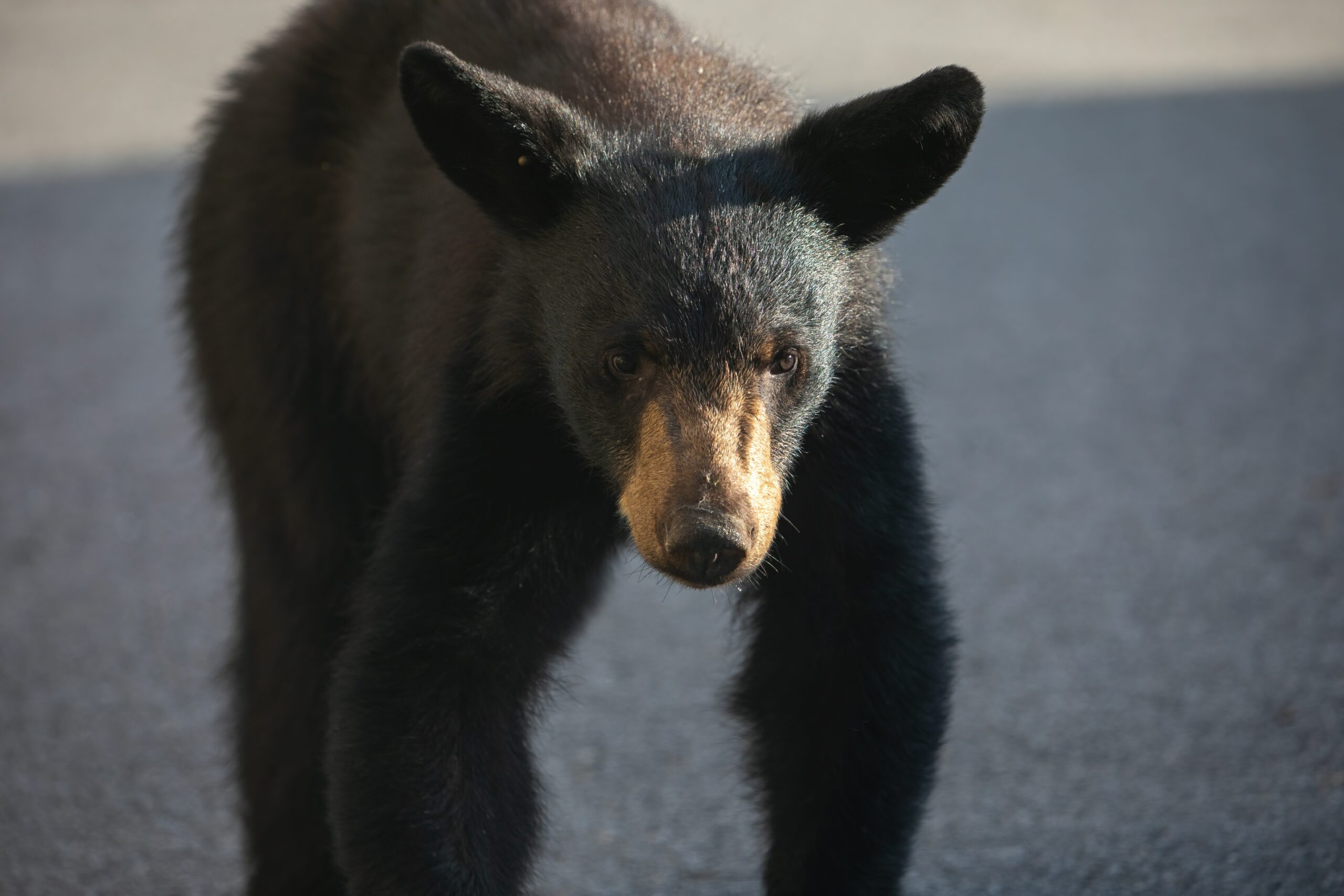
Entire ecosystems are being bulldozed in the name of “progress.” Just drive through Central Florida, and you’ll see sprawling developments rising where longleaf pines and gopher tortoises once thrived. The Everglades—already under stress from decades of mismanagement—continues to face new threats. And species like the Florida panther, black bear, and even our beloved manatees are being pushed into smaller and more fragmented habitats.
This isn’t just about animals or trees. It’s about identity. Like the fictional Dutton family, many Floridians are watching the landscapes they grew up with vanish, replaced by cookie-cutter neighborhoods and massive commercial centers. What once gave Florida its charm and character is slowly being erased—and once it’s gone, there’s no getting it back.
This is something I’ve addressed in the past, and I believe my original words still hold true:
For starters, the population has skyrocketed, nearly tripling since 1970, from about 6.8 million to over 22 million today. Urbanization, deforestation, and even increased flooding have followed. New highways cut through once sprawling farms, and land that was once a natural refuge for wildlife has been turned into new housing developments.
Of course, water quality has been affected, too. With overall warmer water temperatures, more sewage runoff, pesticides, oil/gasoline spills, and harmful algae blooms, Florida’s once-pristine waters have become a focal point of environmental concern. Coral reefs are dying, and endangered species that rely on Florida waterways to survive, such as the manatee and leatherback turtle, face increasing threats as their natural habitats disappear. Human health issues linked to contaminated water, such as Vibrio vulnificus infections, brain-eating amoebas, and toxins from algae blooms, are becoming increasingly common, too.
While we are on the topic of health, are your allergies getting worse? It could be linked to diminished air quality. In many areas, Florida’s air quality has also deteriorated in recent years, largely due to increasing traffic and urban sprawl. With more vehicles on the road, exhaust fumes contribute significantly to pollution, releasing harmful chemicals like nitrogen dioxide and particulate matter into the atmosphere. Additionally, the rising presence of microplastics, both in the air and in water, poses new health risks. These tiny particles, often originating from plastics breaking down in landfills and waterways, can become airborne, further degrading air quality and contributing to respiratory and immune issues for residents across the state. Unfortunately, since plastics are a relatively recent addition to our environment, scientists are still uncertain about their full impact on human health. However, microscopic plastic bits have been discovered in human organs and are linked to a range of potential health issues.
To add insult to injury, the changes impacting Florida are far from just physical. The cost of living in the Sunshine State has risen dramatically—and we are not even talking about how much insurance premiums have increased over the past few years. In 2003, the median home price in the state was about $150,000—and that was expensive for then. Today, the median price has soared to over $400,000—a significant leap that reflects Florida’s growing appeal as a destination for newcomers. Rent has also seen a sharp increase over the past couple of decades, with average rents jumping from around $800 a month to over $2,000 in many cities, making it more difficult for long-time residents to keep up. Additionally, corporate entities now own over 100,000 homes across Florida.
Remember when you could jump on a Disney ride in under an hour? Or easily find parking at Weeki Wachee to launch your kayak? Even finding a decent job seemed simpler. Florida’s rapid population growth has not only altered the environment but also brought significant social challenges. Residents now face longer wait times for essential services, public transportation, and emergency responses, let alone for recreational activities. Traffic congestion has worsened, with more cars clogging the roads, leading to longer commutes and mounting frustration for drivers. As more people continue to flock to the state, these issues are becoming harder to ignore, putting immense pressure on Florida’s infrastructure and social systems.
Meanwhile, state and local policies (and let’s face it–politicians with their own pockets in mind) often favor development over preservation. You may have just seen in the headlines that the FWC has been considering giving the greenlight for black bear hunting. Despite warnings from scientists, environmentalists, and even popular culture, short-term profit continues to outweigh long-term sustainability.
It’s not that Yellowstone was predicting Florida’s future—but rather reflecting a universal pattern: the battle between people who value land for what it is, and those who only see it for what it could become… if paved over and sold.
Shows like Yellowstone may be fiction, but their message is grounded in truth. Florida doesn’t need cowboys to defend its open spaces—it needs conscious residents, informed voters, and leaders willing to prioritize preservation over profit.
Because if we don’t act soon, we won’t need to watch Yellowstone to see a way of life being erased—we’ll be living it.