You Can Explore a 19th-Century Fort and Spot Dolphins at This Florida State Park
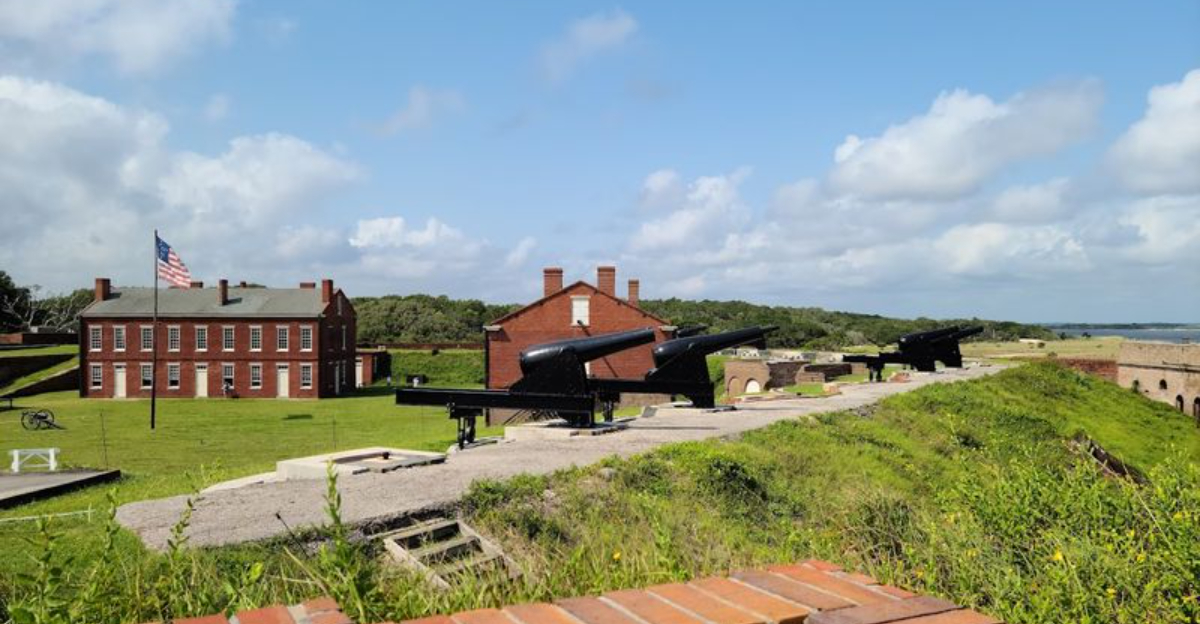
At Fort Clinch State Park, history and wild coastline meet in one unforgettable day. You can wander a 19th-century brick fort, then step onto a beach where dolphins surface and shark teeth hide in the sand. Shaded trails, two campgrounds, and sweeping river views make slowing down feel effortless.
Here is how to make the most of your visit.
1. Touring the Historic Fort
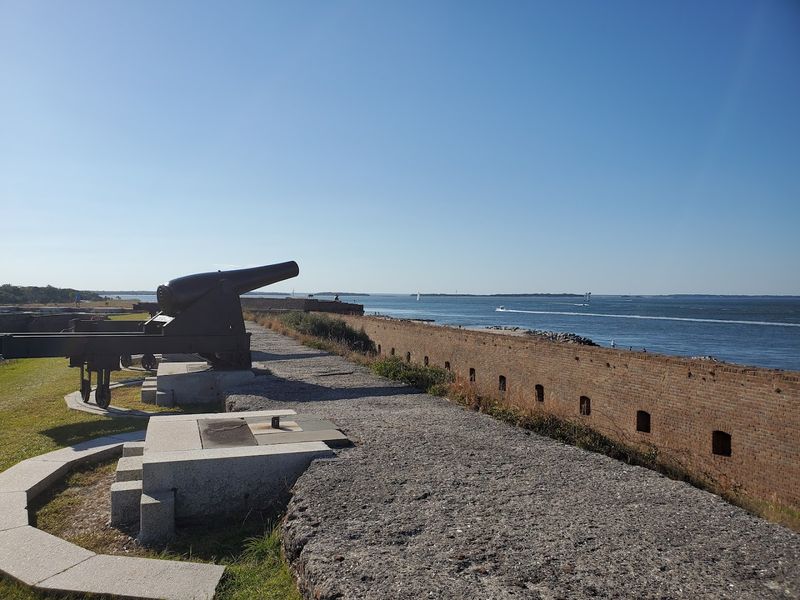
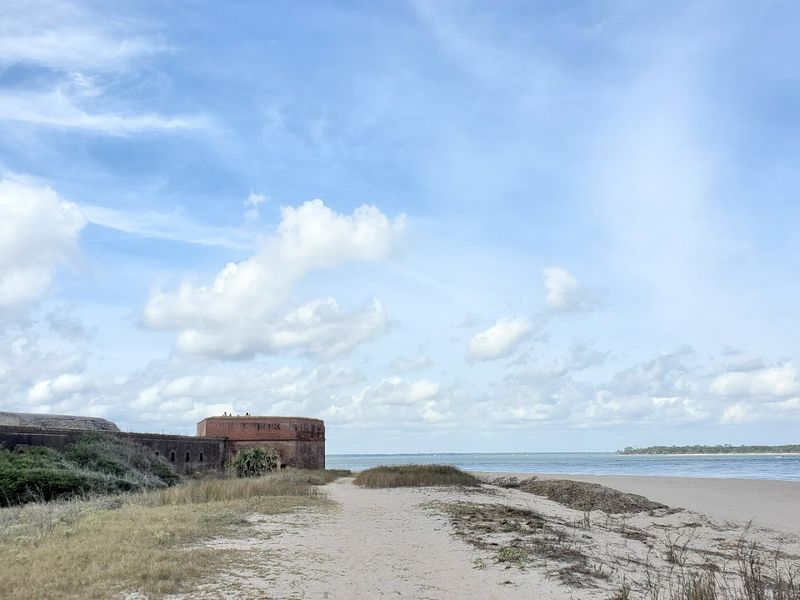
Step through the brick archway and you are inside a remarkably preserved 1860s stronghold. Cannon-lined walls, shadowy tunnels, and staged barracks make the stories feel close enough to touch. Reenactors in Union blues answer questions, and the ramparts deliver sweeping views of the Amelia River and even Georgia.
Budget a quick stop at the museum too, because admission to the fort area is a separate $2.50 per person after the $6 per vehicle park entry. Take it slow on the long park road and savor the Spanish moss before parking. Climb carefully, watch your step near oysters by the beach, and enjoy the salty breeze.
If you time it right, you might catch a naval submarine gliding past the channel.
2. Dolphin and Wildlife Watching
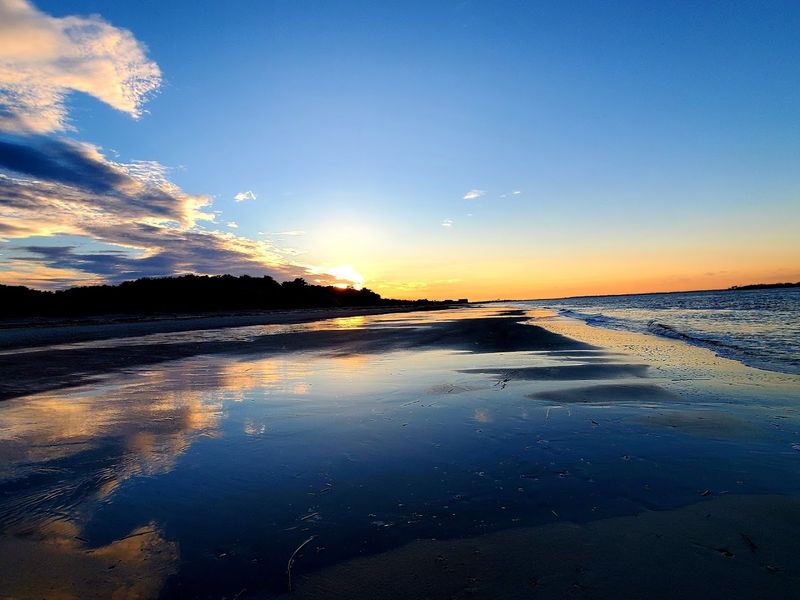
Keep your eyes on the water along the pier and shoreline, because dolphins frequently arc through the channel. Shorebirds patrol the tide line, and on quiet mornings deer slip from the maritime forest to browse. Bring lightweight binoculars or use the donated viewing scopes to scan the river mouth where currents meet.
Stand near the fort ramparts or down on the jetties for a better angle over rippling surface glare. If the tide is slack, watch for mullet schools and the dorsal fins chasing them. Be patient, keep chatter soft, and you might also hear Great Horned Owls calling around dusk.
Sunrise light behind Cumberland Island makes silhouettes pop, while late afternoon brings sparkling backlit splashes that are easier to track.
3. Beachcombing for Shark Teeth
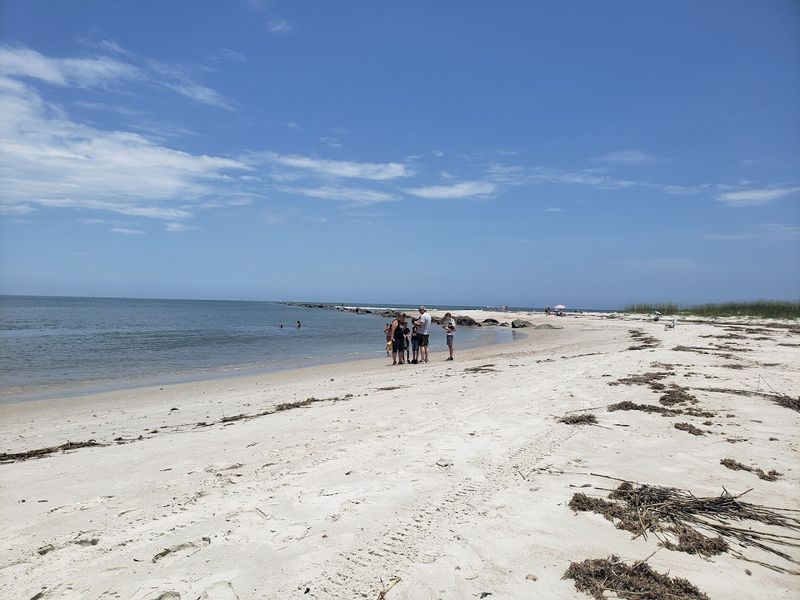
Walk the broad, shell-strewn beach and focus where darker sand collects after waves retreat. Small black triangles hide among broken shells, especially near the high tide line. Move slowly, let your eyes adjust, and you will start spotting fossil shark teeth like a pro.
Bring a small bag for finds and another for litter to keep the shoreline beautiful. Watch your step around oyster clusters and remember that walking on dunes is prohibited to protect habitat. Stick around for sunrise or sunset, when colors wash the water and you might even see a submarine cruising by.
On breezy days, sift low in the swash zone where heavier fragments settle, then check wrack lines again after tides change.
4. Camping on Beach and River Loops
Choose between the breezy Atlantic Beach campground and the shaded Amelia River sites, both with water and electric hookups. Beach loop sites are sandy and steps from a short bridge to the surf. River loop sites feel private, quiet, and perfect for sunset strolls and shell hunting.
All RV pads offer 30 amp service, and bathhouses are big, clean, and appreciated after salty adventures. Reserve early for weekends, bring bug spray, and pack earplugs if ocean wind howls. Nights are peaceful, skies are dark, and you might hear owls while waves or river breezes lull you to sleep.
Morning walks often reveal deer tracks by the dunes and fresh whelk shells, plus ample cell signal if you need coverage.
5. Hiking and Biking the Trails
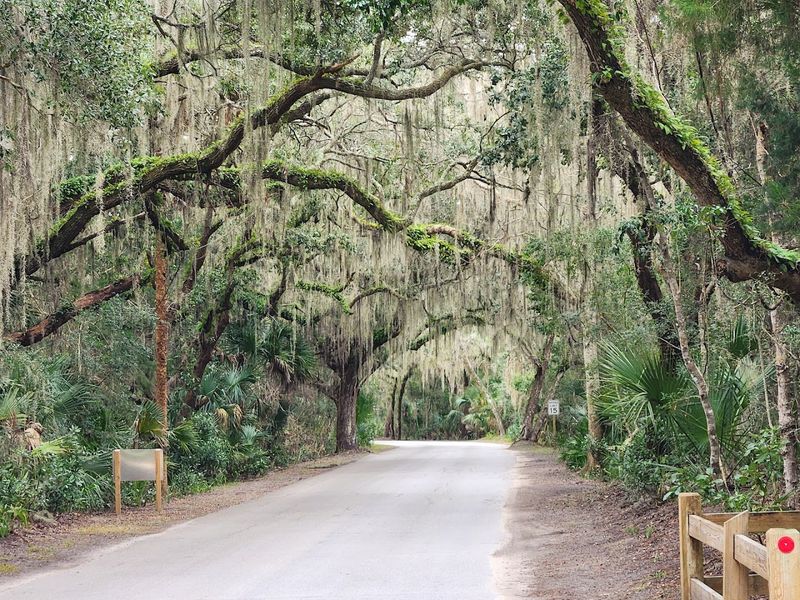
Pedal or stroll under live oaks draped with Spanish moss along the park road and designated trails. Pullouts reveal salt marsh overlooks where you can spot the lighthouse across the water. The shade feels luxurious on hot days, and the quiet works wonders for a busy mind.
Bikes share space with cars, so ride predictably and use lights near dusk on the long approach. Keep dogs leashed, carry water, and bring a small trash bag to pack out extras. Trails vary from boardwalk to compact sand, and each bend offers another chance for birds, armadillos, or dolphins offshore.
Stop at the salt marsh first, read the plaques, and take a moment to absorb the island history that anchors this landscape.
6. Practical Tips, Fees, and Best Times
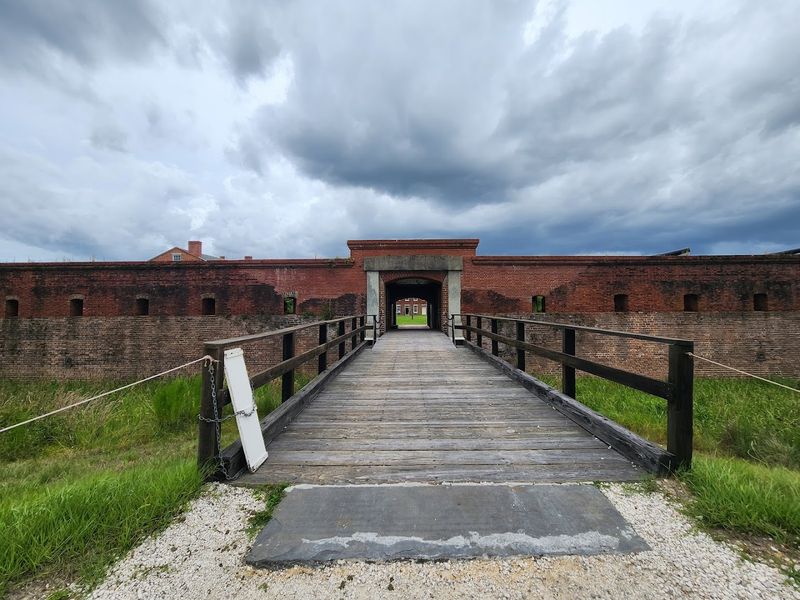
Plan for a $6 per vehicle entrance fee, then $2.50 per person to enter the historic fort itself. Credit or cash works at the gate, but lines can form on sunny weekends. Arrive early for parking, cooler temperatures, and softer light along the walls and beach.
Check the website for reenactment weekends, which add lively demonstrations and extra insight. Summer heat is real, so dress cool, hydrate, and build shady breaks into your day. Respect closures that protect dunes and wildlife, keep noise low, and you will feel the park’s restorative calm follow you home.
Sunrise and sunset are prime for dolphins and photographs, while midday is great for touring interiors and browsing the small museum.