You’ll Be Surprised by These 9 Hidden Attractions in Florida
Florida is famous for its theme parks and beaches, but the Sunshine State hides countless treasures that most tourists never discover. Beyond the crowded hotspots lie peaceful springs, quirky roadside stops, and natural wonders that offer authentic Florida experiences.
These hidden gems provide memorable adventures without the long lines and hefty price tags of mainstream attractions.
1. Ten Thousand Islands National Wildlife Refuge
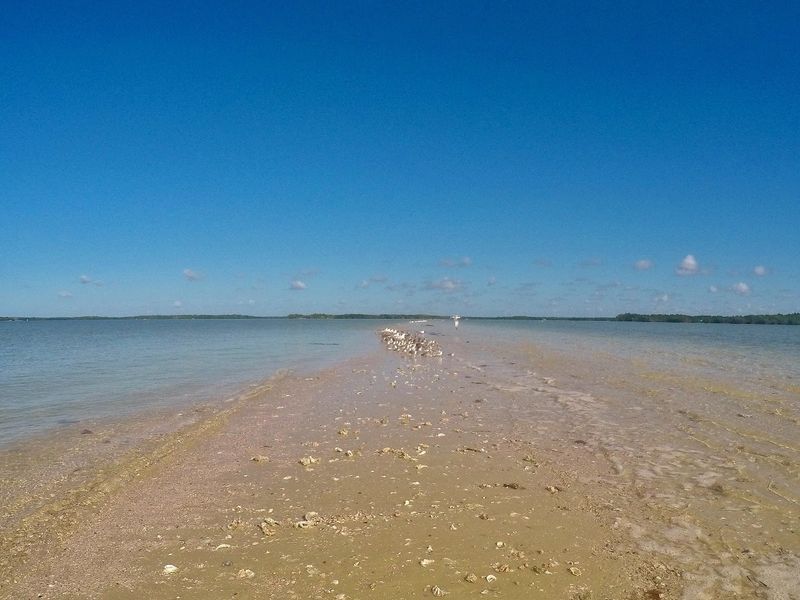
Mangrove forests stretch endlessly across this watery wilderness near Everglades City, creating a maze of islands that paddlers dream about exploring. The refuge protects over 35,000 acres of coastal habitat where dolphins, manatees, and sea turtles thrive in crystal-clear waters.
Kayaking through narrow channels reveals hidden coves where herons stand like statues and osprey dive for fish. The tangled roots of red mangroves create nurseries for countless fish species, making this spot a favorite among nature photographers.
Bring your own kayak or rent one nearby to experience true solitude on the water. Few places in Florida offer such untouched natural beauty this close to civilization.
2. Wacissa River Springs (Wacissa)
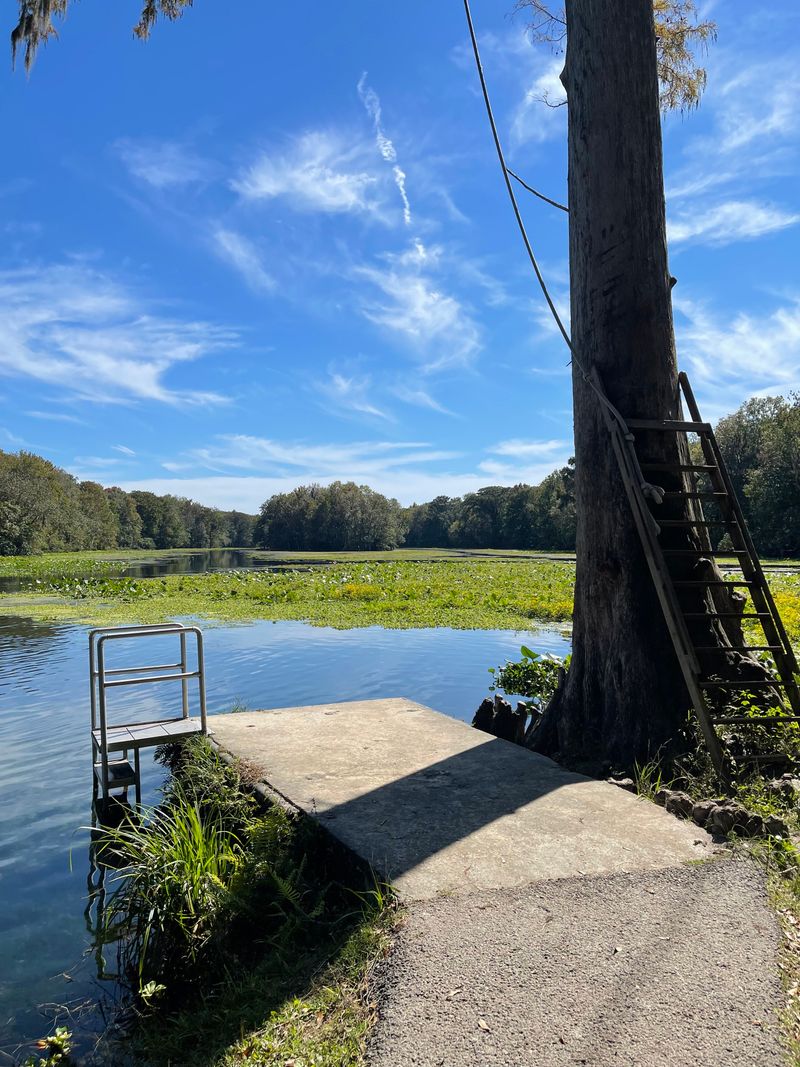
Crystal-clear water bubbles up from limestone caverns, creating a river so transparent you can count fish swimming twenty feet below your boat. This collection of springs near Tallahassee maintains a refreshing 70-degree temperature year-round, perfect for escaping Florida’s summer heat.
Locals have kept this swimming hole relatively secret, though word is slowly spreading about its magical beauty. Rope swings dangle from massive cypress trees, and sandbars provide perfect picnic spots along the gentle current.
The main spring features a large swimming area with a dock, while adventurous paddlers can explore upstream to discover smaller spring vents.
3. The Kampong, National Tropical Botanical Garden (Miami)
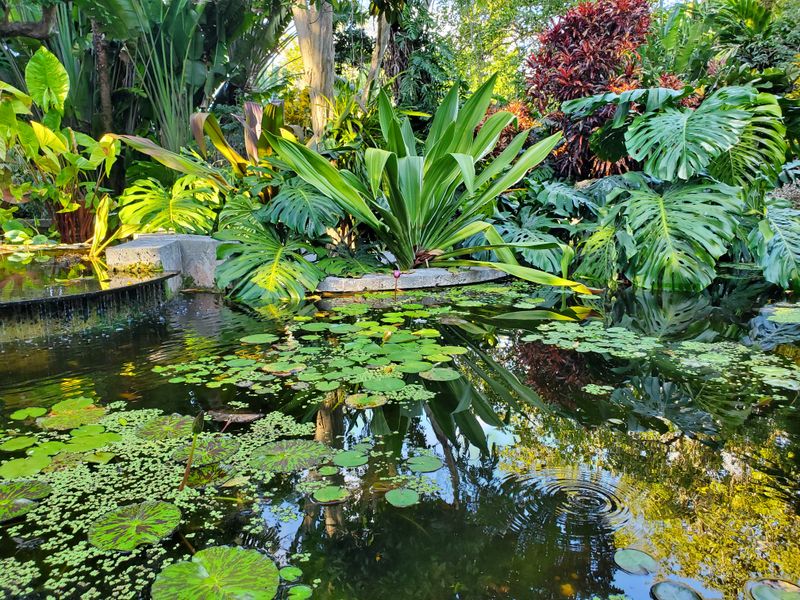
Hidden behind suburban Miami streets sits a nine-acre paradise filled with exotic fruit trees and flowering plants from around the world. Plant explorer David Fairchild created this living laboratory in 1916, introducing avocados, mangoes, and countless other tropical species to American agriculture.
Winding paths lead visitors past towering palms, fragrant flowering vines, and trees bearing strange fruits most Americans have never tasted. The historic Fairchild home overlooks Biscayne Bay, offering glimpses into early Miami’s pioneering spirit.
This peaceful retreat feels worlds away from Miami’s bustling streets, though it sits just minutes from downtown Coconut Grove.
4. Dinosaur World (Plant City)
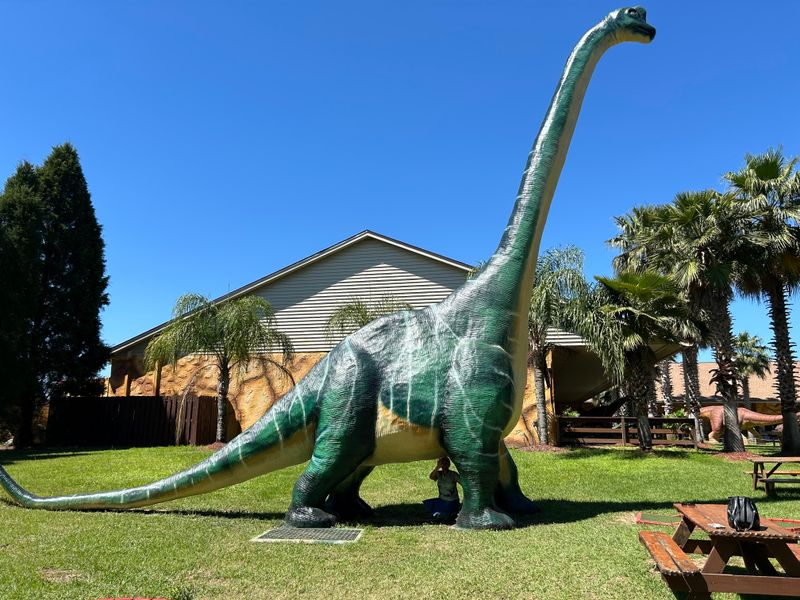
Over 200 life-sized dinosaur replicas roam through shaded forests at this quirky roadside attraction between Tampa and Orlando. Kids go absolutely wild running among towering T-Rex models and triceratops families, creating memories that last far longer than expensive theme park visits.
The fossil dig lets children uncover replica bones like real paleontologists, getting delightfully dirty in the process. A museum displays actual fossils and explains prehistoric life in terms young minds easily grasp.
Admission costs less than a movie ticket, and the relaxed atmosphere means nobody rushes you through exhibits.
5. Ellie Schiller Homosassa Springs Wildlife State Park (Homosassa)
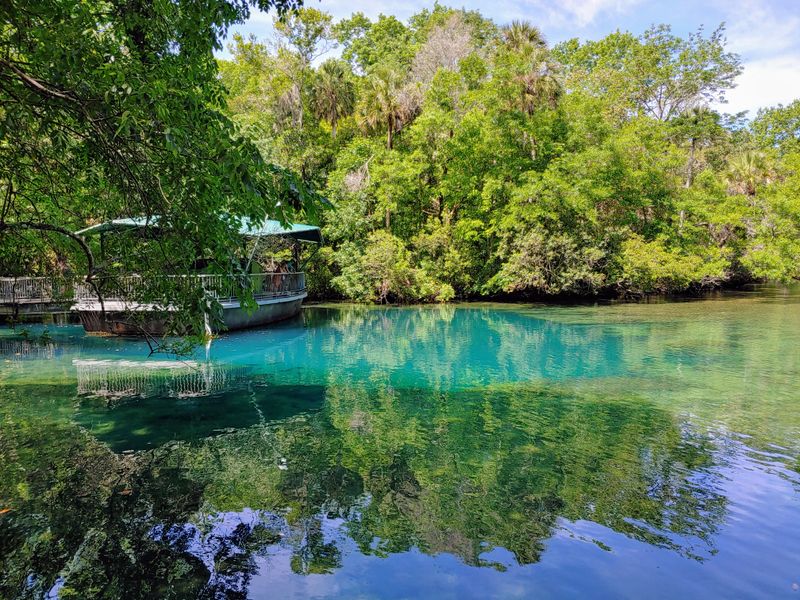
An underwater observatory lets visitors come face-to-face with gentle manatees without getting wet, offering incredible views of these endangered mammals in their natural habitat. The park’s main spring pumps out millions of gallons daily, attracting dozens of manatees during winter months when they seek warm water.
Beyond manatees, the park rehabilitates injured wildlife including black bears, bobcats, and Florida panthers that cannot return to the wild. Walking trails wind through natural Florida landscapes that existed long before development transformed the coastline.
6. Venetian Pool (Coral Gables)
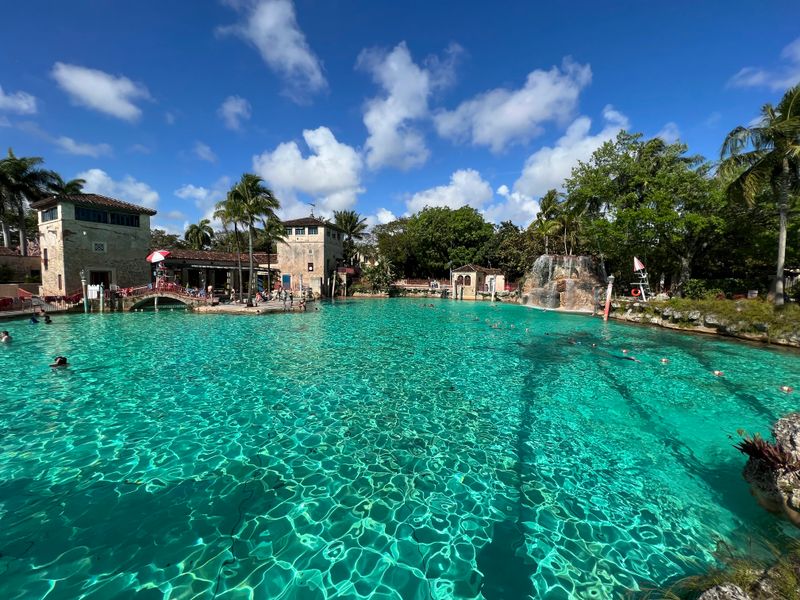
Carved from a coral rock quarry in 1923, this stunning swimming pool fills with fresh spring water that gets completely drained and refilled daily. Venetian-style bridges, waterfalls, and grottos transform a simple swim into an experience worthy of Italian royalty.
The pool’s history includes visits from movie stars and celebrities who discovered this architectural marvel during Miami’s golden age. Today, families splash in the same waters that once hosted Esther Williams and Johnny Weissmuller.
7. Pelican Island National Wildlife Refuge (Vero Beach)
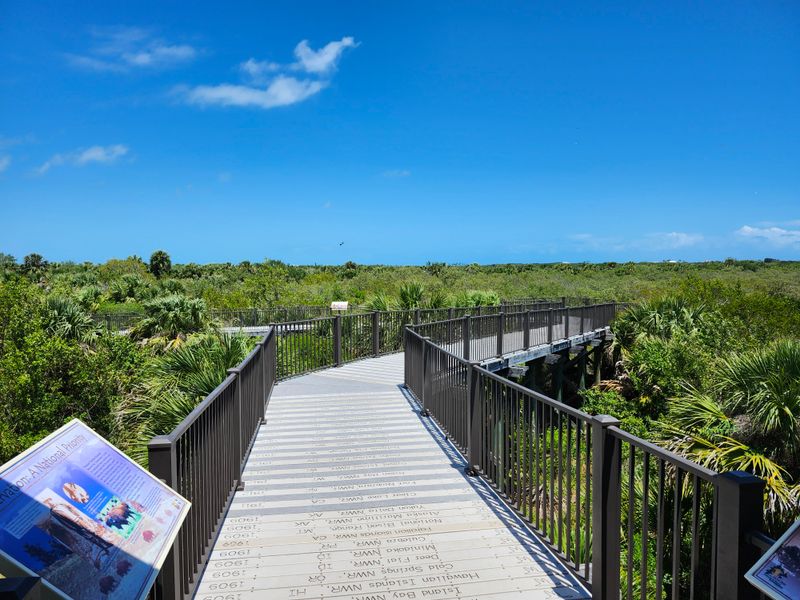
America’s very first national wildlife refuge began right here in 1903 when President Theodore Roosevelt protected this tiny island for nesting brown pelicans. An elevated boardwalk and observation tower provide spectacular views of thousands of birds without disturbing their nesting activities.
During breeding season, the island becomes a noisy nursery where pelican chicks learn to fly and fish. Roseate spoonbills, wood storks, and herons also nest here, creating a photographer’s paradise.
The refuge demonstrates how conservation efforts can bring species back from the brink of extinction. Brown pelicans nearly disappeared from Florida before protections allowed their remarkable recovery, making this small island a symbol of environmental success.
8. Bean Point (Anna Maria)
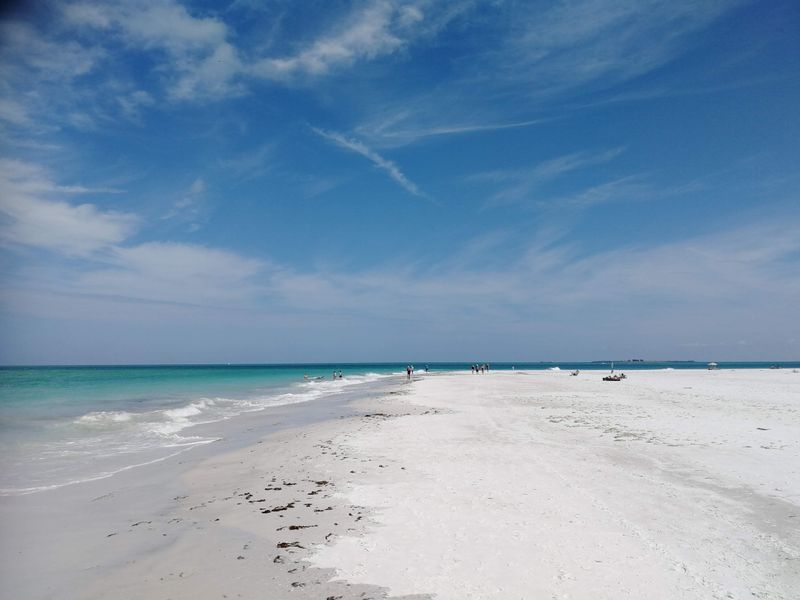
At the northern tip of Anna Maria Island, this undeveloped beach offers something increasingly rare in Florida: complete tranquility without commercial development. Soft white sand meets calm Gulf waters where dolphins frequently swim close to shore, delighting beachgoers lucky enough to witness their playful antics.
No hotels, restaurants, or beach vendors interrupt the natural beauty here. Visitors bring their own chairs and coolers, respecting the peaceful atmosphere that makes Bean Point special.
Locals consider this beach their secret sanctuary, though they graciously share it with respectful visitors.
9. Ravine Gardens State Park (Palatka)
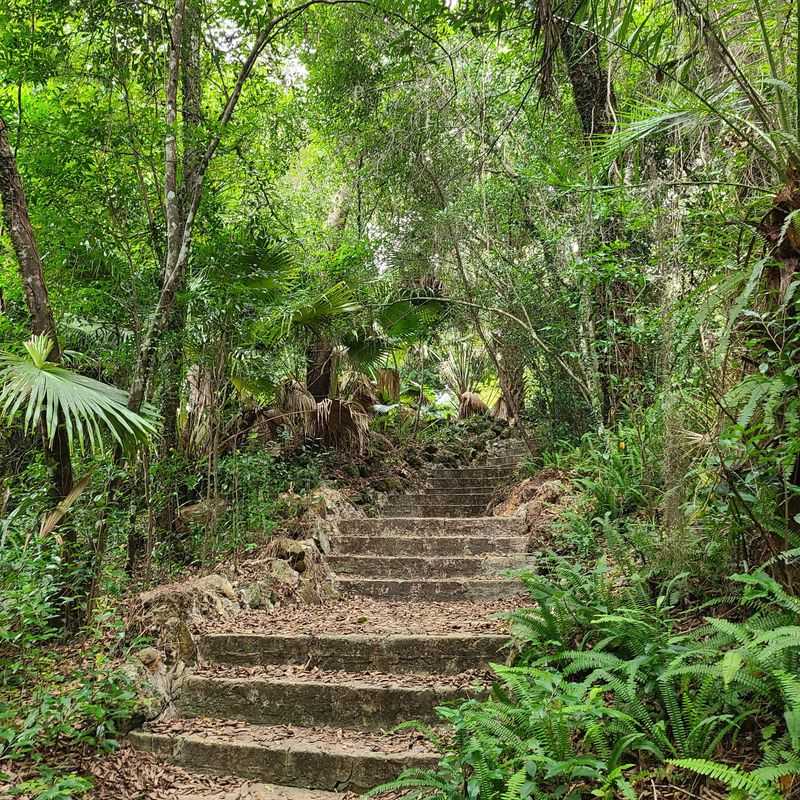
Steep ravines carved by natural springs create a landscape unlike anywhere else in Florida, where visitors walk beneath towering hardwood trees and cross suspension bridges high above the garden floor. During spring, over 100,000 azaleas explode in vibrant colors, transforming the ravines into a floral wonderland.
The park originated as a Depression-era project that employed local workers to plant ornamental gardens in these unique geological formations. Their efforts created a lasting legacy that blooms spectacularly each year.