10 Crystal-Clear Florida Snorkeling Spots That Feel Almost Too Pretty To Be Real
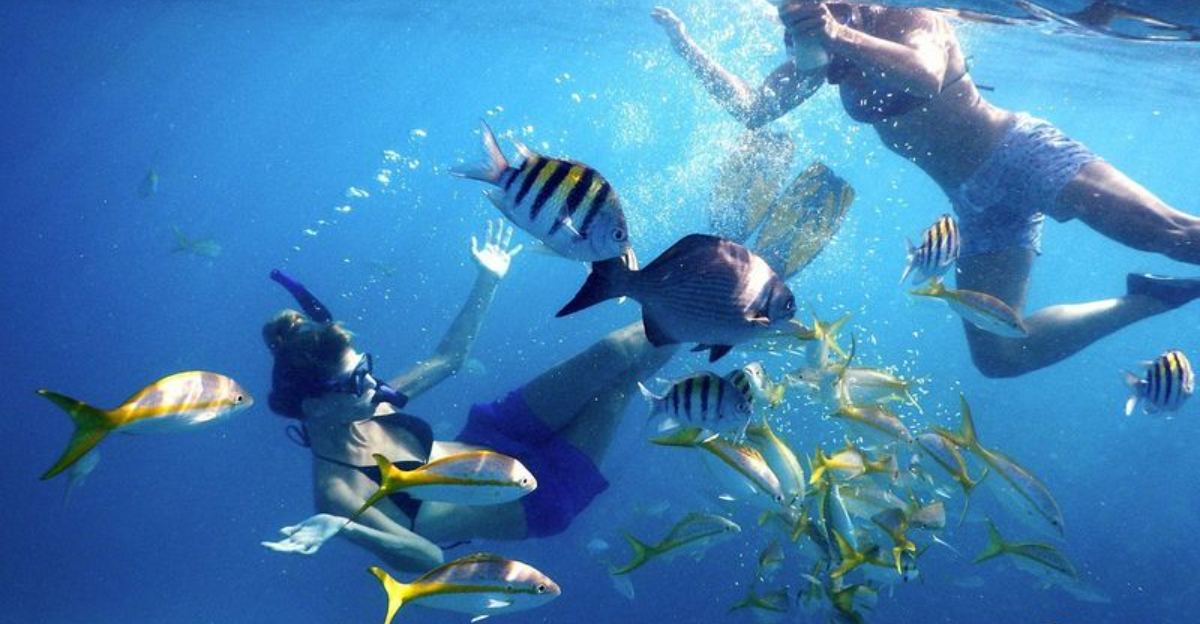
Florida’s underwater world looks like something out of a dream, with colors so bright and water so clear you might think someone edited the view. From shallow springs where you can see every pebble on the bottom to coral reefs teeming with tropical fish, the Sunshine State offers snorkeling experiences that rival any tropical destination. Whether you’re a first-timer or an experienced snorkeler, these ten spots will make you question if what you’re seeing is actually real.
1. John Pennekamp Coral Reef State Park (Key Largo)
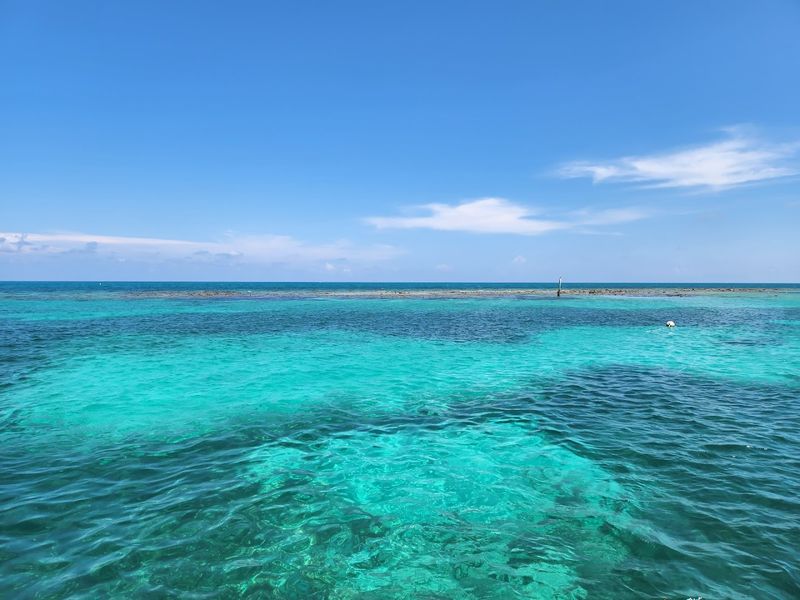
America’s first underwater park isn’t messing around when it comes to showing off. The water here stretches out in shades of blue and green that cameras struggle to capture accurately, and beneath the surface lies North America’s only living coral reef system. You’ll float above brain coral the size of small cars and spot parrotfish munching away like they’re at an all-you-can-eat buffet.
The park covers about 70 nautical square miles, but don’t let that overwhelm you. Most snorkeling tours stick to the shallow areas where visibility often exceeds 60 feet on good days. Yellowtail snapper dart between staghorn coral formations while angelfish pose like they know they’re gorgeous.
Christ of the Abyss, a submerged bronze statue, marks one of the most popular snorkel sites. The nine-foot sculpture sits in 25 feet of water, creating an almost surreal backdrop for your underwater adventure.
Winter months typically offer the clearest water, though summer brings warmer temperatures that feel perfect without a wetsuit. Glass-bottom boat tours work great if you’re traveling with non-snorkelers who still want to peek at the reef. Just remember that touching coral is strictly forbidden—this ecosystem took thousands of years to build and deserves our respect.
2. Dry Tortugas National Park (Key West)
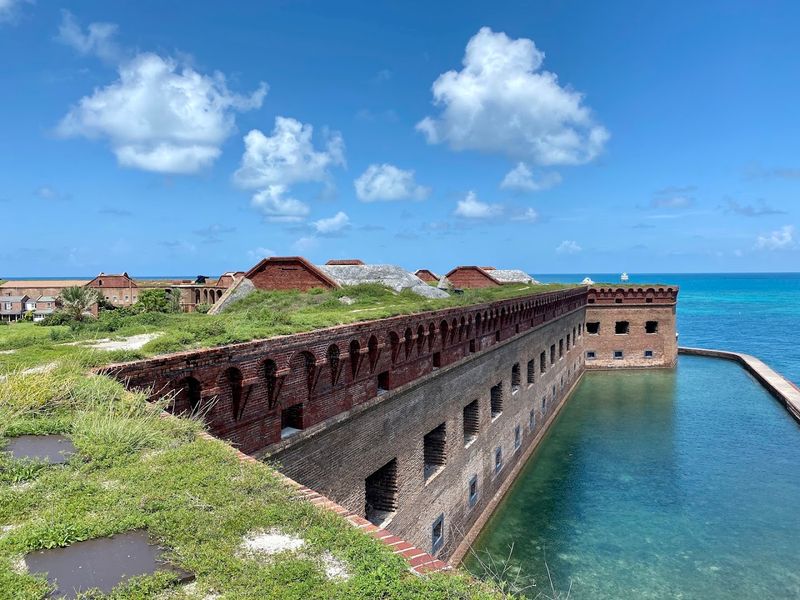
Getting here requires either a seaplane ride or a two-hour ferry journey from Key West, which only adds to the adventure. Seventy miles out in the Gulf of Mexico, this remote cluster of islands delivers snorkeling so spectacular that the trip feels worth it before you even get wet. The water around Fort Jefferson’s moat wall practically glows with that unreal Caribbean blue.
Snorkeling the moat wall means swimming alongside a massive 19th-century fortress while schools of sergeant majors and blue tangs swirl around you. The fort’s brick walls drop straight down into water so clear you can count individual fish from 20 feet away. Sea turtles cruise by like they own the place, because honestly, they kind of do.
Beyond the fort, the park protects extensive coral gardens and seagrass beds where you might spot eagle rays gliding through the shallows. Nurse sharks rest on the sandy bottom, completely unbothered by snorkelers drifting overhead. The isolation means fewer crowds and healthier reefs than more accessible locations.
Pack everything you need because there’s zero infrastructure beyond the fort itself. Most visitors arrive on the Yankee Freedom ferry, which includes snorkel gear and allows about four hours of exploration time. Spring and fall offer the calmest seas and best visibility for this bucket-list snorkeling destination.
3. Devil’s Den Prehistoric Spring (Williston)
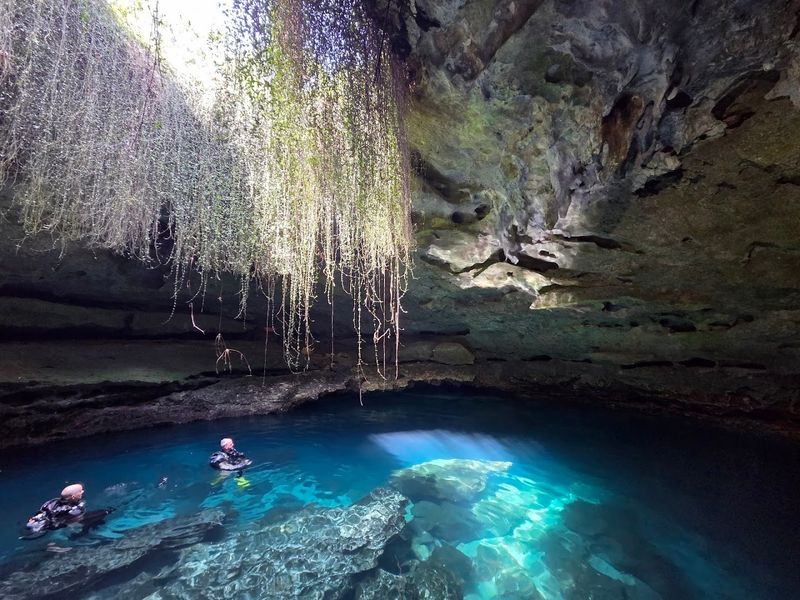
Snorkeling inside an ancient karst cave sounds like something from a fantasy novel, but Devil’s Den makes it real. This privately owned spring sits inside a dry cave with a opening in the ceiling that lets in dramatic shafts of sunlight. The water stays a constant 72 degrees year-round, which feels refreshing in summer and downright cozy during winter months.
You’ll descend wooden stairs into the cavern, where the spring pool stretches about 120 feet across. Visibility often reaches 100 feet, meaning you can see the entire underwater landscape from the surface. Ancient rock formations create an otherworldly backdrop while tiny fish flit through the beams of light.
Fossils embedded in the limestone walls date back thousands of years, including bones from extinct animals that once came here to drink. The spring vents push up 32 million gallons of water daily from deep underground aquifers. Scuba divers explore deeper sections, but snorkelers get the best views of the cavern’s unique atmosphere.
The site requires reservations and charges admission, but the experience justifies the cost. Weekday mornings tend to be quietest if you prefer a more peaceful swim. Wetsuits are available for rent, though most snorkelers find the water temperature comfortable without one.
Photography comes out incredible thanks to the natural lighting and exceptional clarity.
4. Rainbow Springs State Park (Dunnellon)
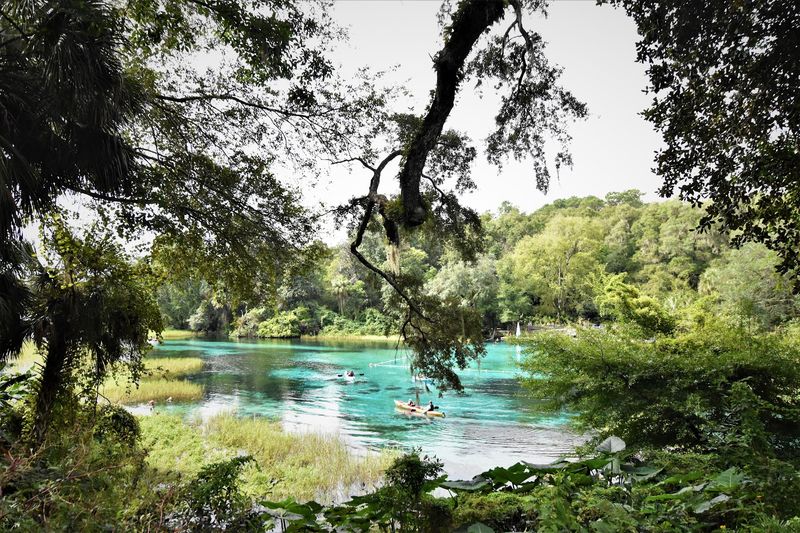
Rainbow Springs pumps out nearly 500 million gallons of water every single day, creating a river so clear it looks fake. The spring head area glows with that distinctive blue-green color that Florida springs are famous for, and snorkeling here feels like floating through liquid glass. Eelgrass sways in the gentle current while sunfish and bass cruise beneath you.
The main swimming area near the headspring offers the clearest water and calmest conditions. Depths range from just a few feet to about 15 feet, making it perfect for snorkelers of all skill levels. You can literally see individual grains of sand on the bottom from the surface.
Turtles pop up regularly to breathe, often swimming right past snorkelers without concern. During summer, underwater gardens of aquatic plants create a lush landscape that attracts small fish by the hundreds. The spring maintains a steady 72-degree temperature that feels amazing on hot Florida days.
Tubing down the Rainbow River from the KP Hole puts you in slightly tannin-stained water, but the upper spring area stays pristine. Weekends get crowded during peak season, so arrive early or visit on weekdays for a better experience. The park charges a small entrance fee and rents snorkel gear if you don’t have your own.
Natural beauty this stunning doesn’t need any embellishment.
5. Ichetucknee Springs State Park (Fort White)
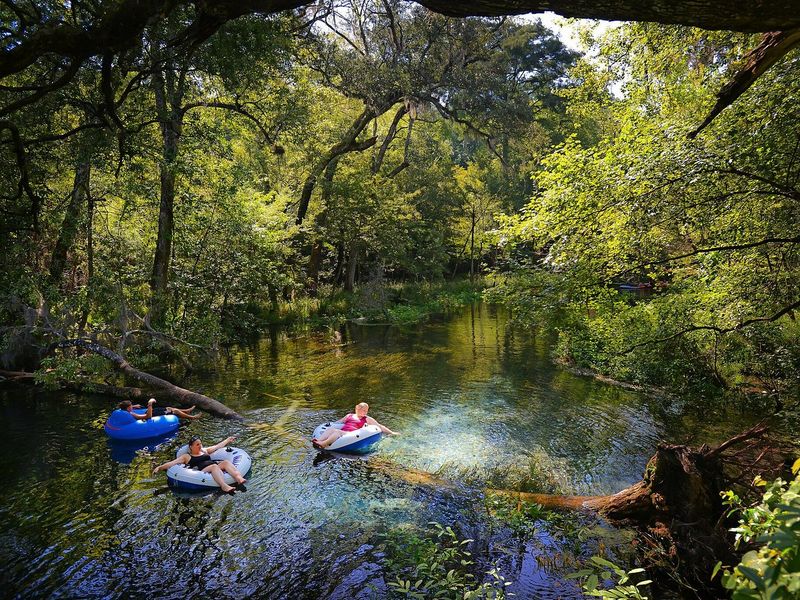
Six major springs and dozens of smaller ones feed the Ichetucknee River, creating a three-mile stretch of water so transparent you’ll forget you’re actually in Florida. Most people tube the river, but snorkelers get the real show. Drop below the surface and you’re in a completely different world where every detail stands out in sharp focus.
Blue Hole Spring serves as the main launch point, with depths reaching about 25 feet in the spring basin. The water stays a constant 72 degrees, and visibility often exceeds 50 feet. You’ll drift with the gentle current past limestone ledges covered in aquatic vegetation while schools of bream scatter at your approach.
Turtles sun themselves on logs along the banks, and if you’re lucky, you might spot a river otter doing acrobatics underwater. The current does most of the work, so you can relax and enjoy the scenery as you float downstream. Multiple springs along the route create pockets of even colder, clearer water.
The park limits daily visitors to protect the ecosystem, so reservations are strongly recommended during summer months. North entrance access closes early in the afternoon during peak season once capacity is reached. Bring a mesh bag to carry your snorkel gear while tubing between the best viewing spots.
This place proves that Florida’s natural springs can compete with any tropical destination.
6. Peanut Island (Riviera Beach)
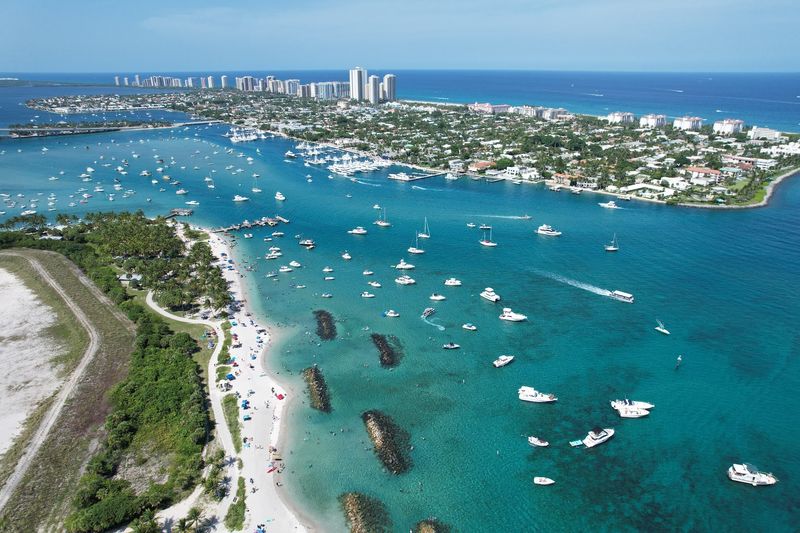
This 80-acre island sits just offshore from Palm Beach, accessible only by boat, which automatically makes it feel like an adventure. The snorkeling trail on the east side of the island winds through shallow reefs and seagrass beds where the water stays remarkably clear for a coastal location. You’ll spot tropical fish that seem way too colorful for Florida waters.
Sergeant majors, parrotfish, and occasional rays cruise through the underwater landscape while sea urchins cling to rocks in the shallows. The reef here isn’t as dramatic as the Keys, but the variety of marine life makes up for it. Plus, the island itself offers camping, picnic areas, and a fascinating Cold War-era bunker that was built for President Kennedy.
Water clarity depends heavily on weather and tides, so check conditions before making the trip. Calmer summer days typically offer the best visibility, though winter can surprise you with gin-clear water after cold fronts push through. The lagoon on the west side stays protected and works well for beginners or families with kids.
Water taxis run regularly from Phil Foster Park and Riviera Beach Marina, making access easy even without your own boat. Bring sun protection because shade is limited on the island. The combination of good snorkeling, interesting history, and beautiful beaches makes Peanut Island a solid day trip destination that locals love to keep semi-secret.
7. Phil Foster Park Snorkel Trail (Riviera Beach)
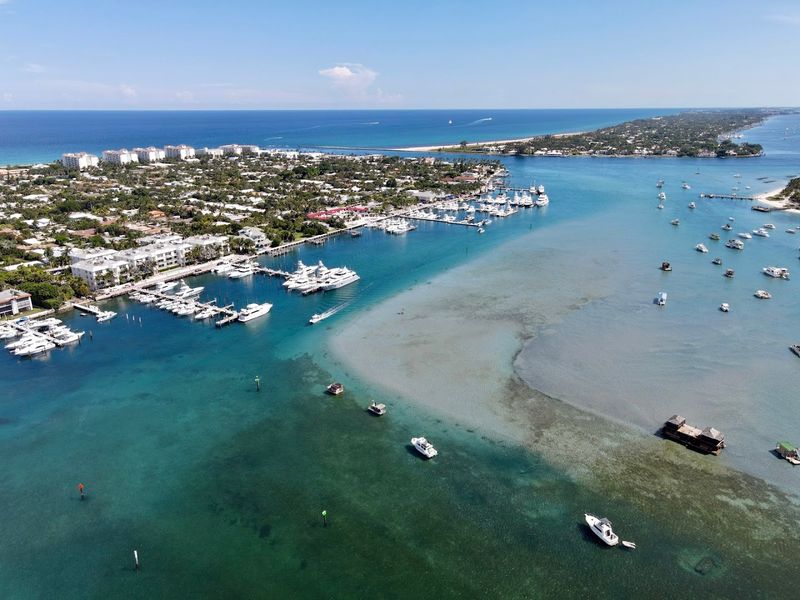
Someone had the brilliant idea to sink limestone boulders and create artificial reef structures right off the beach at Phil Foster Park, and the result is one of South Florida’s most accessible snorkeling spots. You can literally walk off the beach and be swimming over reef formations within minutes. No boat required, no long swim, just instant underwater entertainment.
The marked trail features numbered stations with different habitats to explore. Tropical fish congregate around the artificial structures like they’re attending an underwater block party. Porkfish, angelfish, and schools of yellowtail snapper dart between the rocks while crabs scuttle across the limestone surfaces.
Night snorkeling here is particularly special, with flashlights revealing octopuses, lobsters, and other creatures that hide during daylight hours. The park even installed underwater lights at some stations to make night exploration safer and more enjoyable. High tide brings better visibility and more fish activity than low tide.
Free parking, beach showers, and picnic areas make this spot incredibly convenient for families. The shallow depth (mostly 6-12 feet) keeps things comfortable for newer snorkelers while still offering plenty to see. Weekends draw crowds, but the trail is large enough that it never feels overcrowded.
Local dive shops offer guided snorkel tours if you want expert insight into what you’re seeing. The park also serves as the departure point for water taxis to Peanut Island, making it easy to hit two great snorkel spots in one day.
8. Sombrero Reef (Marathon)
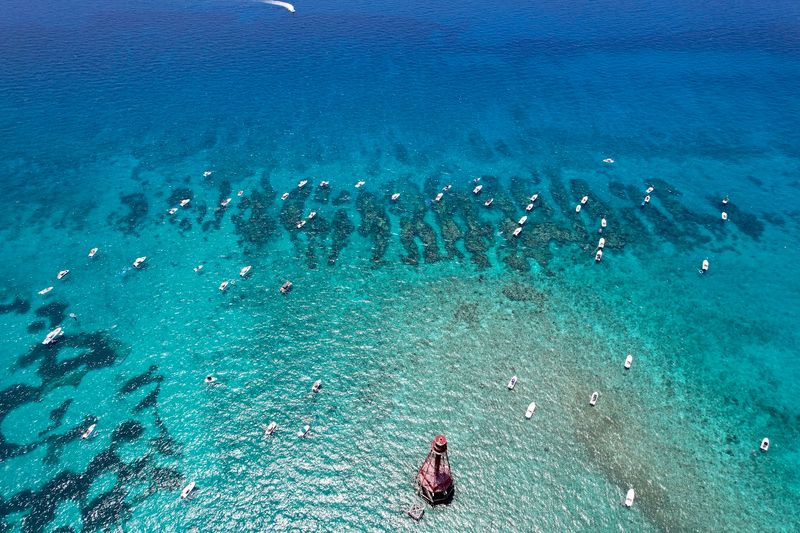
A 142-foot lighthouse marks this spectacular reef site about six miles offshore from Marathon. The reef rises from the sandy bottom like an underwater mountain range, creating dramatic swim-throughs and overhangs where marine life congregates. Water clarity here routinely hits 60-80 feet on calm days, making every detail pop with ridiculous clarity.
Elkhorn and staghorn coral create complex structures that shelter hundreds of fish species. Queen angelfish glide past like royalty while grunt schools hover in synchronized formations. The reef’s location in deeper water (depths range from 15-30 feet in the snorkeling zones) means it stays healthier than nearshore reefs.
Mooring buoys protect the coral from anchor damage, and most visitors arrive via charter boats from Marathon. The boat ride takes about 30 minutes, and captains know exactly where to position for the best snorkeling based on current conditions. You might spot sea turtles, southern stingrays, or even the occasional nurse shark resting on the sand.
Strong currents can develop here, so this spot suits confident swimmers better than absolute beginners. The reward for that extra effort is some of the best reef snorkeling in the entire Florida Keys. Winter months can bring rougher seas that limit access, while summer typically offers calmer conditions.
Multiple Marathon-based operators run daily snorkel trips to Sombrero Reef, often combining it with other nearby sites. The lighthouse itself makes for an iconic backdrop in photos, standing as a testament to the area’s maritime history.
9. Ginnie Springs (High Springs)
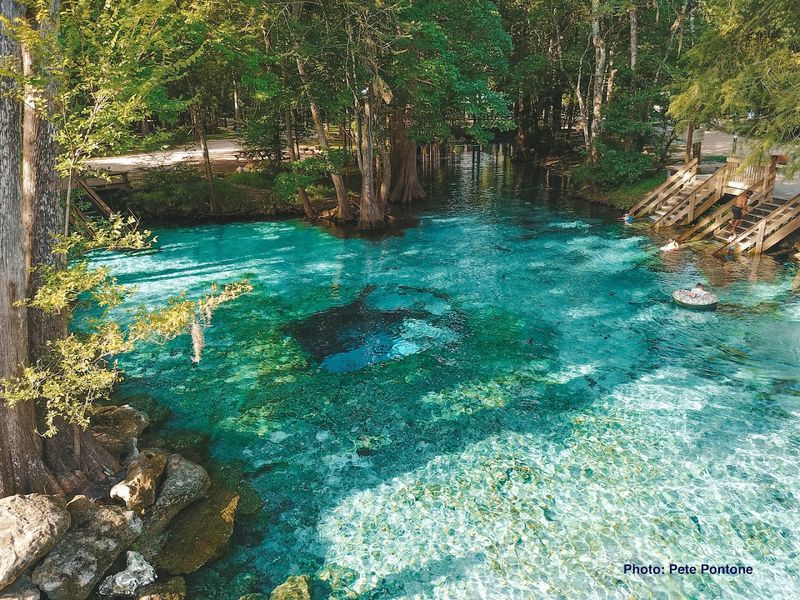
Ginnie Springs consistently ranks among Florida’s clearest springs, and one look at the water explains why. The main spring basin glows with that signature electric blue color while the spring vent itself looks like a portal to another dimension. Visibility regularly exceeds 100 feet, creating conditions that underwater photographers dream about.
The spring run connects to the Santa Fe River, offering both spring snorkeling and river exploration in one location. Depths in the main basin reach about 15 feet before dropping deeper into the cave system that only certified cave divers can access. Snorkelers stick to the open water areas where sunlight illuminates every rock and plant.
Freshwater fish including bass, bream, and gar cruise through the spring run, while turtles bask on logs along the banks. The property includes multiple springs, each with its own character. Devil’s Spring system sits nearby, offering additional snorkeling opportunities for those who want to explore different areas.
This privately owned facility charges admission and offers camping, cabins, and full amenities that make multi-day visits comfortable. Summer weekends get busy with college students and families, so weekday visits or off-season trips provide a more peaceful experience. The water temperature holds steady at 72 degrees year-round.
Tube rentals let you float lazily between springs, though serious snorkelers prefer swimming to see more of the underwater landscape. The combination of incredible clarity, convenient facilities, and multiple springs makes Ginnie a must-visit destination for anyone serious about Florida snorkeling.
10. Crystal River / Three Sisters Springs (Crystal River)
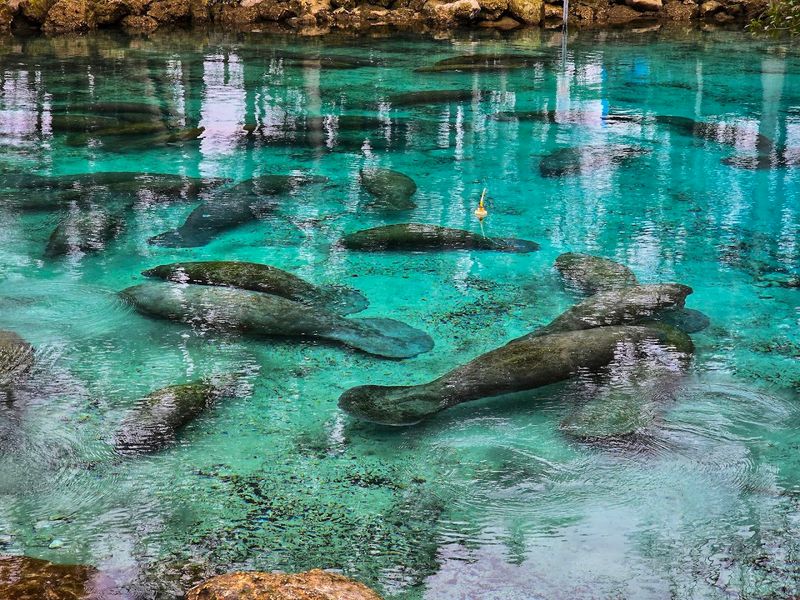
Swimming with manatees in water so clear you can see their whiskers twitch—that’s the Crystal River experience in a nutshell. Three Sisters Springs serves as the crown jewel of this area, with spring vents pumping out water that stays a constant 72 degrees. During winter months, hundreds of manatees crowd into the springs to escape cold Gulf waters, creating wildlife encounters you won’t find anywhere else.
The spring system maintains strict rules to protect the manatees, including designated sanctuary zones where snorkeling isn’t allowed during peak manatee season. But the viewing areas still offer incredible opportunities to observe these gentle giants in their natural habitat. The water clarity makes it easy to watch manatees from the surface without disturbing them.
Summer brings fewer manatees but better overall snorkeling conditions with less crowding. The spring runs and connected waterways offer miles of exploration where you’ll spot fish, turtles, and occasional dolphins that swim up from the Gulf. Countless tour operators offer guided snorkel trips, and they know exactly where to go based on current manatee locations and water conditions.
The city takes manatee protection seriously, with hefty fines for touching or harassing the animals. Passive observation is the name of the game here. Most visitors find that simply floating quietly and letting manatees approach on their own terms creates the most memorable encounters.
This is bucket-list snorkeling that combines crystal-clear springs with unforgettable wildlife interactions.