10 Florida Islands You Can Visit Without Booking a Hotel
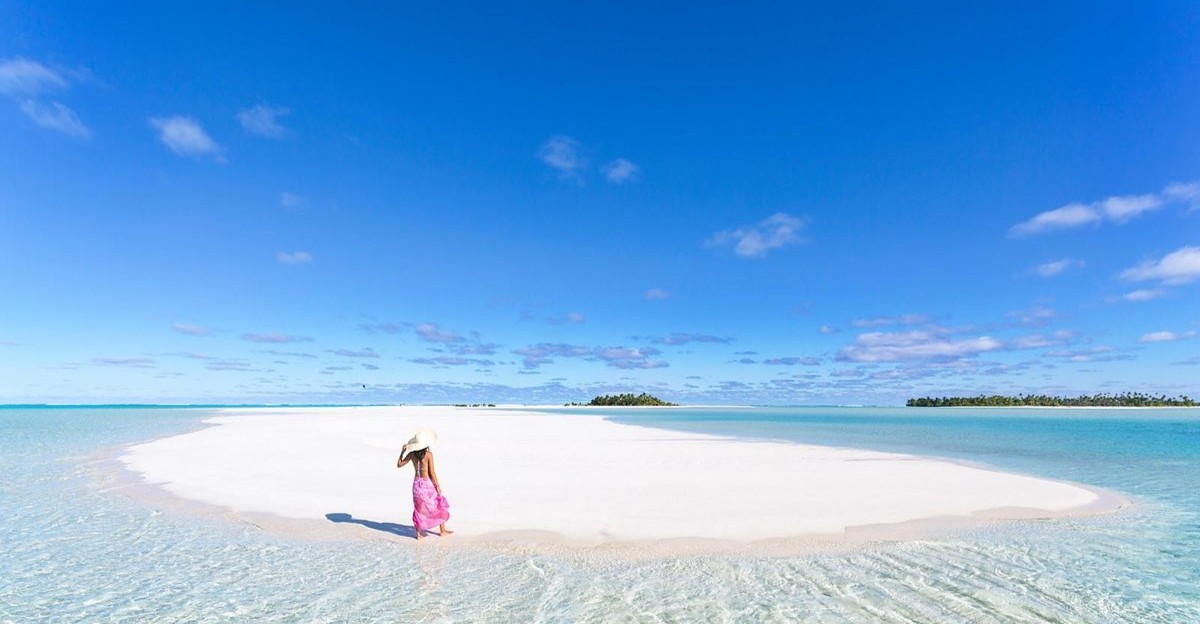
Florida’s coastline hides dozens of beautiful islands that don’t require an overnight stay to enjoy. Many of these spots are perfect for day trips, offering white sand beaches, wildlife watching, and water activities without the hassle of packing bags or booking accommodations. Whether you’re looking for a quick escape from the mainland or planning a fun family outing, these islands deliver natural beauty and adventure that you can experience in just a few hours.
1. Caladesi Island (Dunedin)
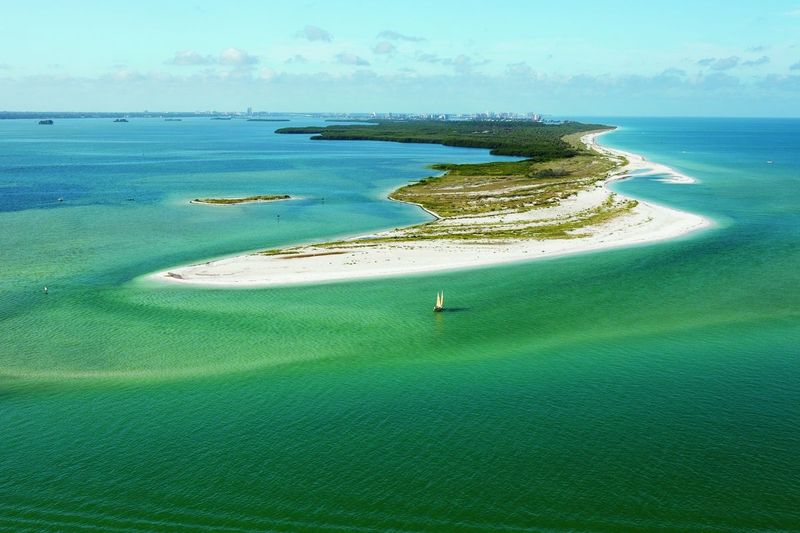
Accessible only by boat or a long walk from Clearwater Beach, Caladesi Island feels like stepping into untouched Florida. The sugar-white sand stretches for miles, and the water sparkles in shades of turquoise that rival any Caribbean destination. You can catch a ferry from Honeymoon Island or kayak through the mangrove trails to reach this state park gem.
Once you arrive, the island offers three miles of pristine beach perfect for shelling, swimming, or just relaxing under the sun. Boardwalks wind through coastal forests where gopher tortoises shuffle along and osprey nest in tall pines. Pack a picnic because while there’s a small concession stand, bringing your own food gives you more flexibility.
The kayak trail through the mangroves is absolutely worth your time if you enjoy paddling. Dolphins often swim alongside kayakers, and the shallow waters make it easy for beginners. Restrooms and outdoor showers are available near the main beach area.
Arrive early during peak season because the ferry limits passenger numbers to protect the island’s natural environment. Most visitors spend four to six hours here, which gives plenty of time to explore both the beach and trails. The last ferry back typically leaves mid-afternoon, so plan accordingly to avoid getting stranded.
2. Honeymoon Island (Dunedin)
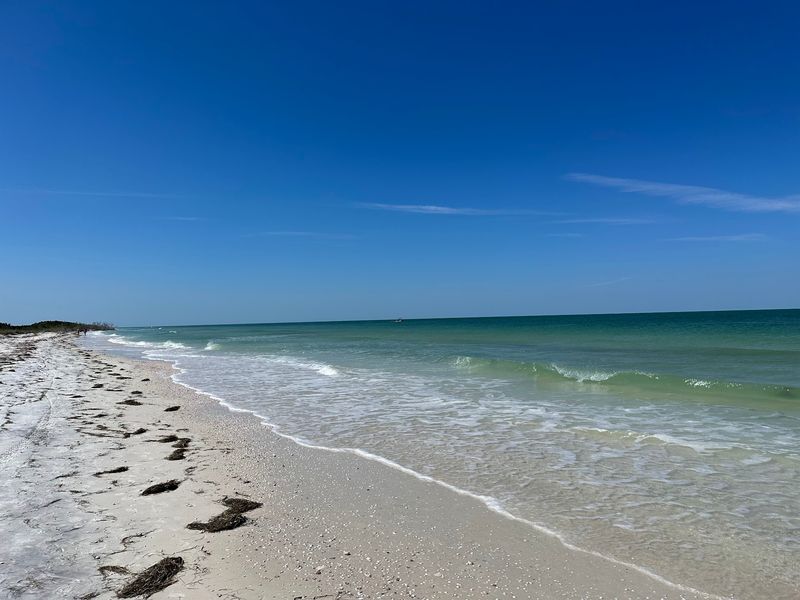
Connected to the mainland by a causeway, Honeymoon Island makes island exploration ridiculously easy since you can drive right onto it. This 385-acre state park sits at the western end of Dunedin and draws crowds for good reason. The beaches here rank among Florida’s best, and you’ll find plenty of space to spread out even on busy weekends.
Pet Beach on the northern end welcomes dogs, making this one of the few island destinations where your four-legged friends can join the fun. The nature trails cut through slash pine forests and scrub habitats where you might spot eagles, owls, or armadillos. Birders love this spot because it sits along major migration routes.
The fishing pier extends into the Gulf and attracts anglers hoping to catch snook, redfish, or tarpon. You don’t need a fishing license to fish from the pier, which saves you some hassle. Shelling is fantastic here, especially after storms when the waves deposit treasures along the shoreline.
Facilities include restrooms, picnic pavilions, and a snack bar that serves basic beach food. The park charges a small vehicle entrance fee, but it’s worth every penny for the maintained beaches and amenities. Parking fills up quickly on weekends, so arriving before 10 a.m. gives you better options and a less crowded beach experience.
3. Egmont Key (Tampa Bay)
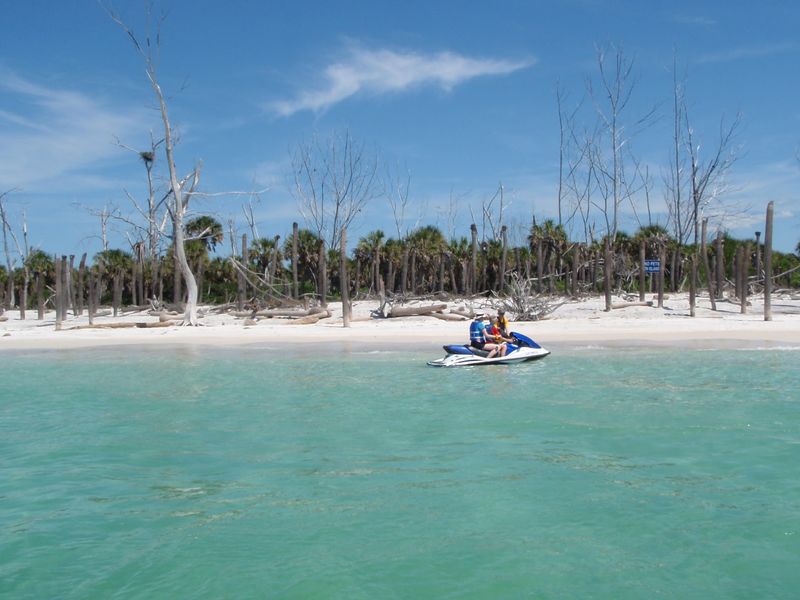
Sitting at the mouth of Tampa Bay, Egmont Key holds stories of Civil War forts, old lighthouses, and nesting sea turtles. This uninhabited island requires a boat ride to reach, but several charter services run trips from Fort De Soto Park and other nearby marinas. The journey itself is part of the adventure, with dolphins frequently racing alongside boats.
History buffs will geek out over the crumbling brick ruins of Fort Dade, built in 1898 during the Spanish-American War. You can wander through old battery rooms and barracks while imagining what life was like for soldiers stationed on this remote outpost. The 1858 lighthouse still operates, though you can’t climb it, and it makes a great photo backdrop.
The beaches encircling the island are perfect for swimming and snorkeling, with clear water revealing grass flats and occasional stingrays. Gopher tortoises roam freely here, and during nesting season, sections of beach close to protect sea turtle eggs. Bird colonies nest on the island’s interior, creating a noisy but fascinating wildlife spectacle.
There are zero facilities on Egmont Key, so pack everything you need including water, food, sunscreen, and bug spray. The mosquitoes can be brutal in warmer months. Most visitors spend three to four hours exploring before catching their return boat.
4. Peanut Island (Riviera Beach)
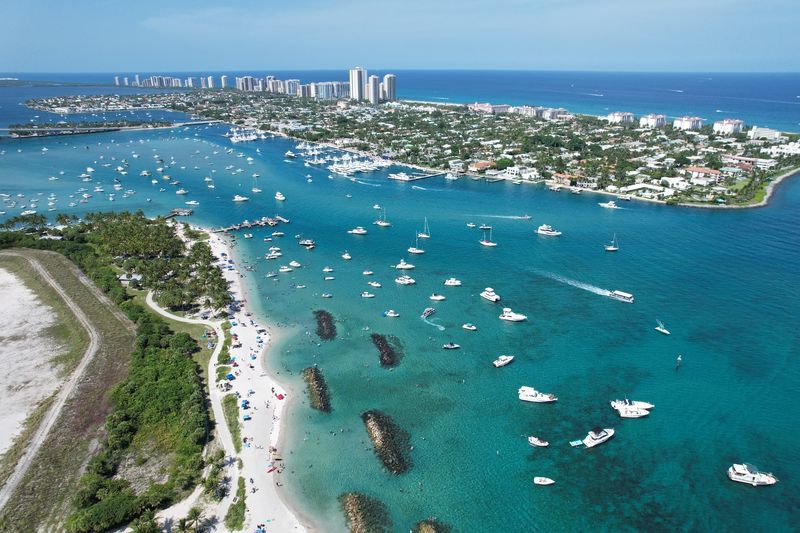
Just across the inlet from Palm Beach, Peanut Island packs serious fun into its 79 acres. A free county shuttle runs from Phil Foster Park on the mainland, making access simple and budget-friendly. The island was created from dredge material in the 1900s, but today it’s a recreational hotspot that locals love for quick escapes.
The snorkeling trail is the main attraction, with marked underwater stations in the clear lagoon waters. You’ll see tropical fish, sea stars, and sometimes even manatees cruising through. The trail is shallow enough for kids but interesting enough to keep adults engaged.
Bring your own gear or rent equipment before you arrive.
President Kennedy’s nuclear fallout shelter, built during the Cold War, sits partially underground on the island and offers free tours on weekends. It’s a weird slice of history that adds an educational element to your beach day. The shelter stayed secret for decades before opening to the public.
Camping is allowed on Peanut Island if you want to extend your visit, but most people come for the day. Picnic tables, grills, restrooms, and outdoor showers make it comfortable for families. The west side of the island faces the Intracoastal Waterway, where you can watch massive yachts and cruise ships pass by.
Pack your own food since there’s nothing to buy on the island.
5. Shell Key (St. Pete Beach/Tierra Verde)
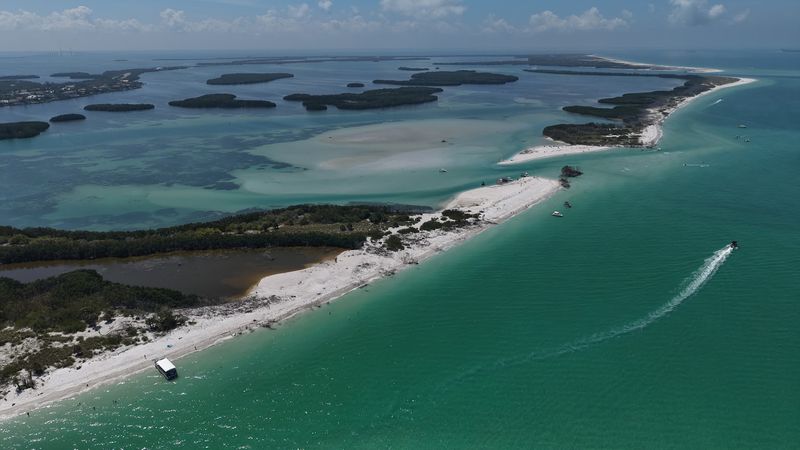
Boat or kayak access only keeps Shell Key blissfully undeveloped and uncrowded compared to nearby beaches. This 1,800-foot barrier island sits in the middle of a state preserve, protecting nesting shorebirds and sea turtles. Several kayak rental companies in Tierra Verde offer shuttle services or rentals if you want to paddle yourself across the shallow waters.
The shelling here lives up to the island’s name, with sand dollars, conchs, and colorful coquinas washing up constantly. Early morning visits yield the best finds before other beachcombers arrive. The island’s north end tends to have calmer water, while the south end gets more wave action from the Gulf.
Mangrove tunnels on the bay side create a magical paddling experience if you explore beyond the beach. The tangled roots shelter juvenile fish, crabs, and wading birds. Experienced kayakers can navigate these channels, but beginners should stick to open water to avoid getting lost in the maze.
Since Shell Key is completely undeveloped, you’re responsible for bringing and removing everything. That means packing out all trash, bringing plenty of water, and planning for bathroom needs before you arrive. Most people anchor or beach their boats and spend two to four hours swimming, shelling, and soaking up the solitude.
The preserve prohibits camping, so plan your visit as a day trip only.
6. Keewaydin Island (Naples/Marco Island)
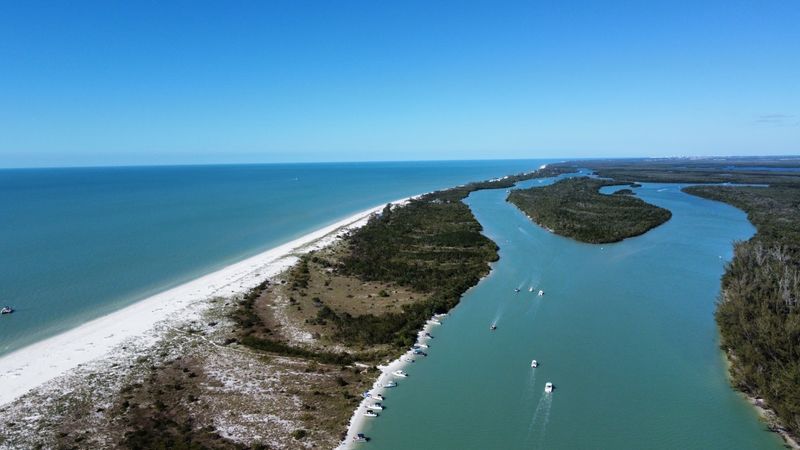
Stretching eight miles between Naples and Marco Island, Keewaydin Island remains one of Southwest Florida’s last undeveloped barrier islands. Private boats and water taxis provide the only access, which keeps development at bay and crowds manageable. The island’s wild character attracts people seeking authentic Old Florida experiences without tourist trappings.
Shelling on Keewaydin ranks among the best in Florida, with lightning whelks, tulips, and fighting conchs regularly washing ashore. The combination of Gulf currents and limited foot traffic means you’ll find specimens that have already been picked over on more accessible beaches. Serious shellers walk the entire length, but even a short stroll yields impressive collections.
The island’s interior holds maritime forests and dunes that provide habitat for gopher tortoises, raccoons, and countless bird species. Sea turtle nesting occurs throughout summer months, and you might spot tracks leading from the water to nest sites in the sand. Respect posted areas and give wildlife plenty of space.
Several Naples-area marinas offer water taxi services to Keewaydin, with captains dropping you off and picking you up at scheduled times. Pack a cooler with lunch and drinks since there’s absolutely nothing available on the island. Shade is limited, so bring an umbrella if you burn easily.
The lack of facilities means planning ahead for bathroom needs. Most visitors spend a full day here, arriving mid-morning and leaving late afternoon.
7. Pigeon Key (Marathon)
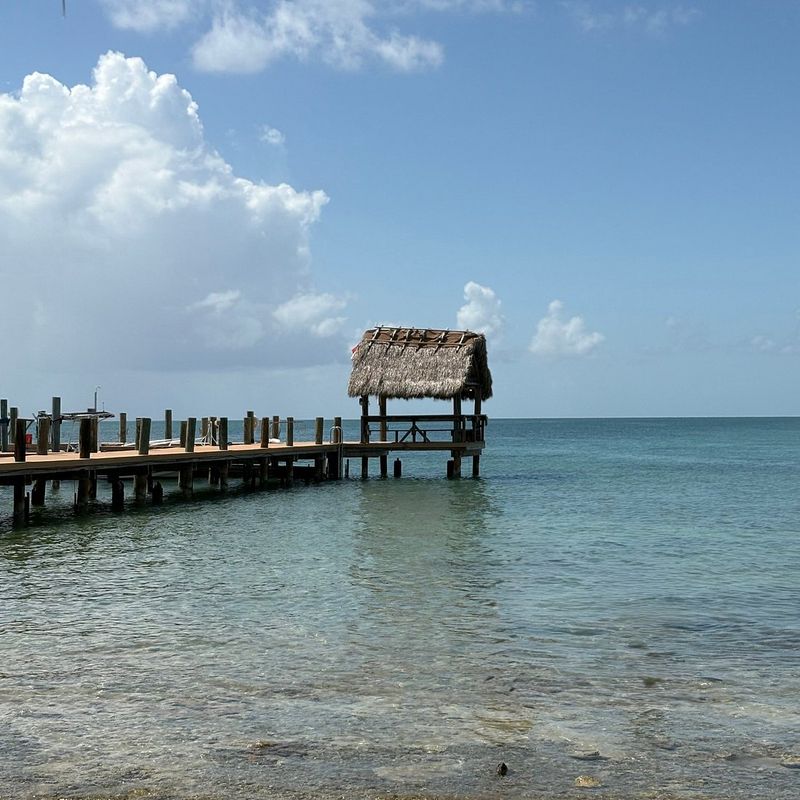
This five-acre island served as a work camp during construction of Henry Flagler’s Overseas Railroad in the early 1900s. Today, Pigeon Key operates as a living history museum where original buildings have been restored and opened for tours. You can reach the island by ferry from Marathon or bike across the Old Seven Mile Bridge, which parallels the modern highway.
Walking around Pigeon Key feels like stepping back in time, with vintage railroad cottages, a one-room schoolhouse, and the assistant bridge tender’s house all preserved in period style. Docents share stories about the workers who lived here and the incredible engineering feat of building a railroad across the ocean. The museum displays photographs and artifacts from the construction era.
Swimming and snorkeling off the island’s small beaches reveal clear water and marine life typical of the Florida Keys. The water stays shallow for quite a distance from shore, making it family-friendly. Coral remnants and tropical fish populate the area, though heavy boat traffic from nearby channels requires caution.
The island hosts educational programs and special events throughout the year, including sunset tours and marine science workshops. A small gift shop sells drinks and snacks, but bringing your own supplies gives you more options. Most visitors combine the historical tour with beach time, spending three to five hours total.
The ferry schedule limits your stay duration, so check times before you go to avoid rushing through exhibits or missing your ride back.
8. Sanibel Island (Sanibel)
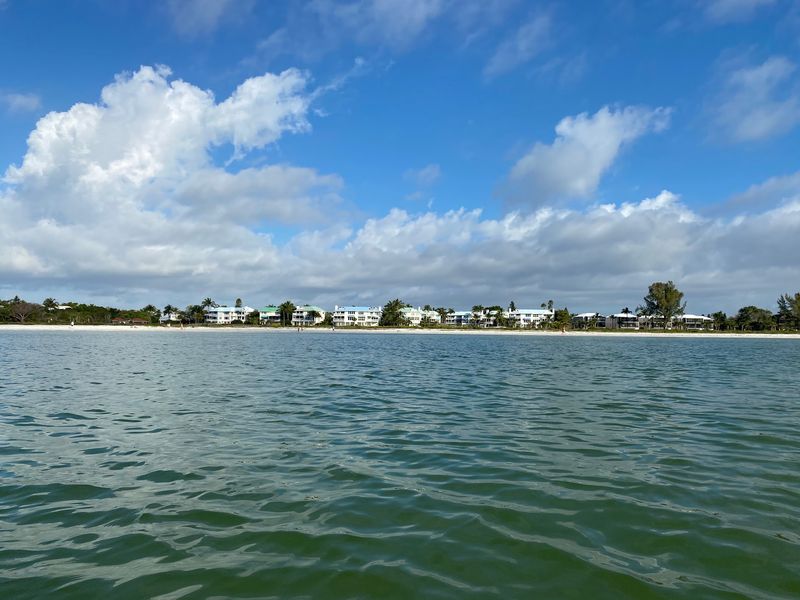
Unlike most Florida barrier islands, Sanibel runs east-west rather than north-south, creating unique shell-collecting conditions that have made it world-famous. The causeway from Fort Myers provides easy car access, so no boats or ferries required. This makes Sanibel perfect for visitors who want island vibes without complicated logistics.
The beaches here draw shell enthusiasts from around the globe, and you’ll see people doing the “Sanibel Stoop” as they scan the sand for treasures. Lightning whelks, junonia shells, and sand dollars are common finds, especially after storms or during low tide. The J.N. “Ding” Darling National Wildlife Refuge covers much of the island and offers kayaking, birding, and wildlife viewing opportunities.
Bike paths crisscross the entire island, making cycling a popular way to explore. You can rent bikes near the causeway and pedal to beaches, restaurants, and nature areas without dealing with car traffic. The historic lighthouse on the eastern end makes a great destination for a bike ride and photo opportunity.
While Sanibel has plenty of hotels and vacation rentals, day-tripping works perfectly well. You’ll pay a toll to cross the causeway, and beach parking requires fees at most public access points. Restaurants, shops, and grocery stores line Periwinkle Way, so you can grab lunch or supplies easily.
Plan for a full day to really experience what makes Sanibel special, from sunrise shelling to sunset beach walks.
9. Anna Maria Island (Bradenton area)
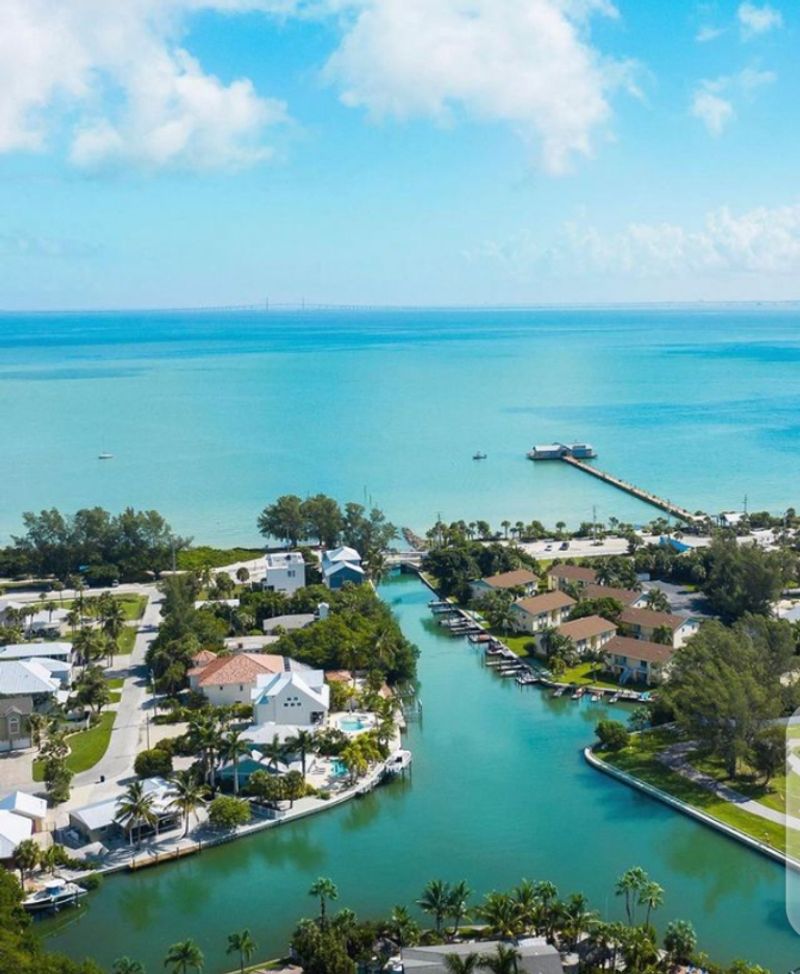
Seven miles of laid-back beach town charm make Anna Maria Island a favorite for visitors seeking a slower pace. Three distinct communities share the island: Anna Maria on the north end, Holmes Beach in the middle, and Bradenton Beach at the south. A free trolley connects all three, making it easy to explore without moving your car once you arrive.
The beaches here feature soft white sand and gentle Gulf waves perfect for families with young children. Bean Point at the northern tip offers some of the best sunset views in Florida, where Tampa Bay meets the Gulf. Locals gather here with picnics and beach chairs to watch the sky turn orange and pink.
Historic Bridge Street and Pine Avenue host locally-owned restaurants, ice cream shops, and beach gear stores that give the island its authentic character. Unlike heavily developed beach destinations, Anna Maria Island maintains strict building codes that prevent high-rises and chain restaurants. This keeps the old Florida atmosphere alive and thriving.
Fishing from the historic Anna Maria City Pier is free and doesn’t require a license, attracting anglers hoping to catch snook, mackerel, or pompano. The pier also serves as a great spot for dolphin watching and people watching. Multiple beach access points with parking make it easy to find your perfect spot on the sand.
Most day-trippers arrive mid-morning and stay through sunset, taking advantage of the island’s relaxed vibe and beautiful scenery.
10. Amelia Island (Fernandina Beach)
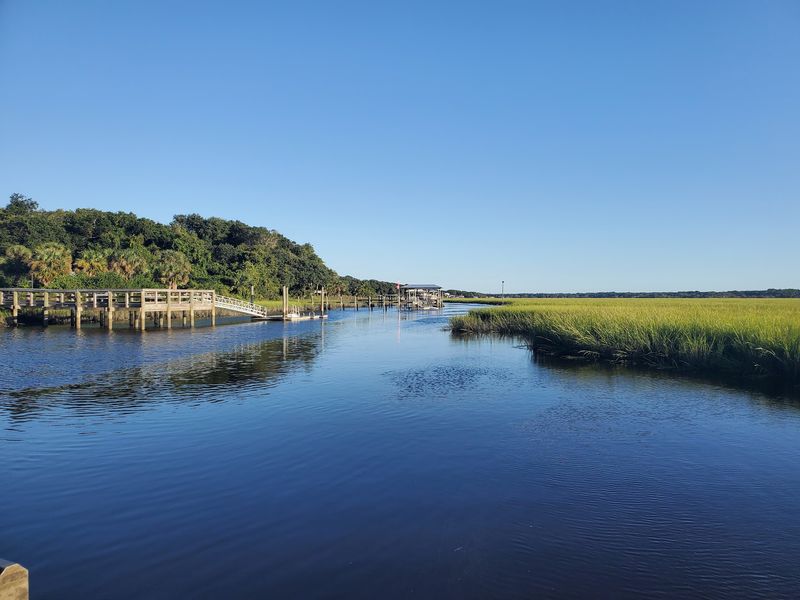
Florida’s northernmost barrier island blends 13 miles of beaches with Victorian-era downtown charm and centuries of history. Eight different flags have flown over Amelia Island, giving it a unique cultural heritage that sets it apart from other Florida destinations. The island connects to the mainland via bridges, making access straightforward for day visitors.
Downtown Fernandina Beach features brick streets lined with shops, galleries, and restaurants housed in restored 19th-century buildings. The historic district is compact enough to explore on foot in an hour or two. The marina area bustles with shrimping boats and charter fishing operations that have worked these waters for generations.
Fort Clinch State Park on the island’s northern tip preserves a Civil War-era fort where costumed interpreters demonstrate 1860s military life on weekends. The park’s beaches tend to be less crowded than those in the main tourist areas. Nature trails wind through maritime forests where you might spot wild horses descended from Spanish colonial stock.
The beaches along Amelia Island vary in character from quiet residential areas to the busier Main Beach near downtown. All feature wide expanses of firm sand perfect for walking, biking, or horseback riding. Several outfitters offer guided horseback rides along the shore during low tide.
Plan to spend at least half a day exploring both the historic downtown and the beaches. Parking is available throughout the island, though Main Beach parking can fill up on summer weekends.