10 Florida Mineral Springs That Are Just As Rich In History As They Are In Beauty
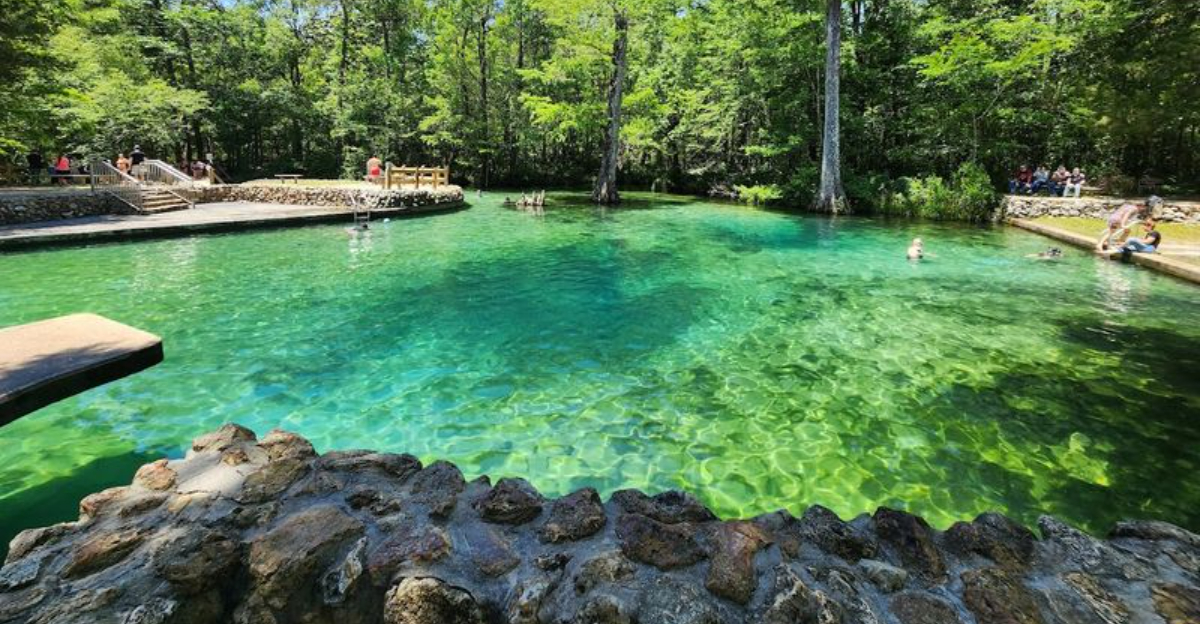
Florida’s mineral springs aren’t just beautiful natural wonders—they’re time capsules that hold stories spanning thousands of years. From ancient burial sites to grand resort hotels, these springs shaped how early settlers, tourists, and Indigenous peoples experienced the Sunshine State. Whether you’re drawn to archaeological mysteries, old health-tourism tales, or vivid emerald waters that still flow today, each of these springs offers a window into Florida’s layered past that you won’t find in any textbook.
1. Warm Mineral Springs (North Port)
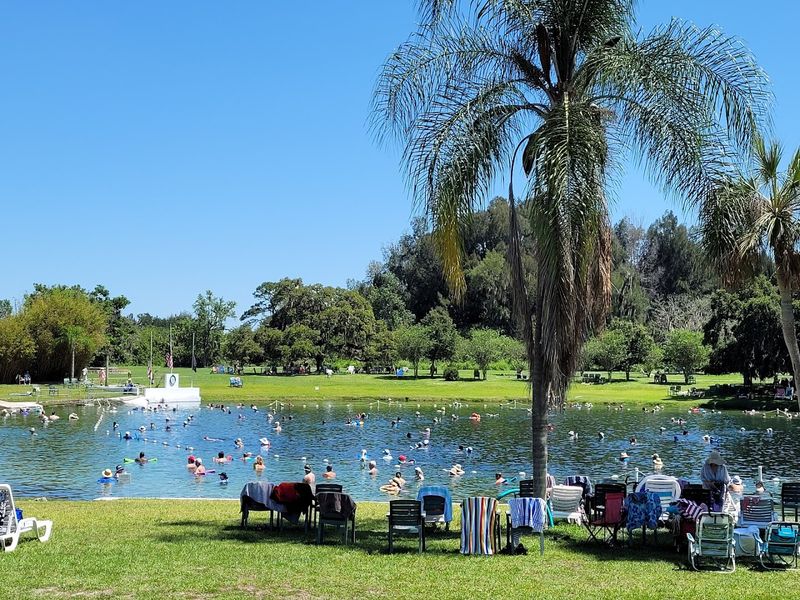
At 87 degrees year-round, Warm Mineral Springs isn’t just a relaxing soak—it’s a portal to Florida’s Ice Age past. This circular sinkhole spring earned a spot on the National Register of Historic Places in 1977, thanks to underwater discoveries that stunned archaeologists. Human remains and artifacts found deep in the spring date back more than 10,000 years, making it one of the most important prehistoric sites in North America.
The spring’s reputation as a healing spot goes way back, too. Early 20th-century developers promoted it as a “Fountain of Youth,” drawing visitors who believed the mineral-rich water could cure ailments. Today, you can still float in the same warm, salty water that ancient Floridians once knew, surrounded by lush vegetation and a sense of timelessness.
Because it’s both a natural spa and an archaeological treasure, swimming rules are strict—no diving or disturbing the bottom. The spring stays a respectful 87 degrees no matter the season, which means it’s perfect for a winter dip. Visiting feels less like a typical Florida attraction and more like stepping into a living museum where geology, history, and relaxation meet in one unforgettable pool.
2. Little Salt Spring (North Port)
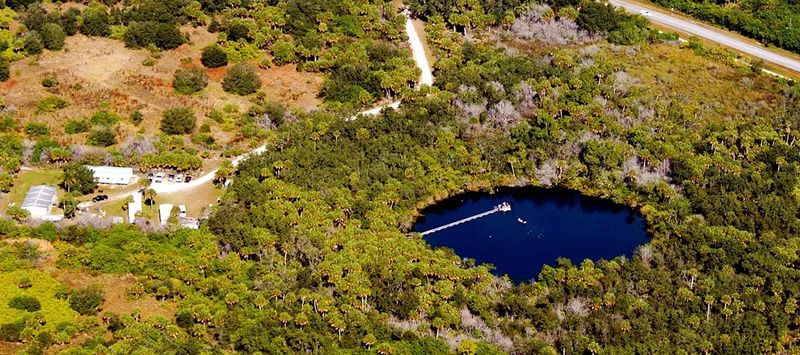
Just a short distance from Warm Mineral Springs, Little Salt Spring tells an even older story. This deep sinkhole isn’t open for casual swimming—it’s a protected archaeological site that has yielded some of Florida’s earliest evidence of human life. Researchers have pulled up tools, bones, and even a preserved wooden stake that dates back roughly 12,000 years, placing it among the oldest finds in the entire Southeast.
What makes Little Salt Spring so special is how well it preserves history. The salty, oxygen-poor water at the bottom acts like a natural time capsule, keeping organic materials intact for millennia. Scientists have found extinct animal bones alongside human artifacts, painting a vivid picture of what life was like when Florida’s first peoples hunted giant tortoises and camels.
Access is limited because the spring is still an active research site, but its importance can’t be overstated. It’s often mentioned in the same breath as Warm Mineral Springs when archaeologists talk about early Florida history. If you’re fascinated by the idea of ancient hunters crouching at the water’s edge thousands of years ago, Little Salt Spring is the real deal—a quiet, powerful reminder that Florida’s story stretches back far beyond recorded history.
3. White Sulphur Springs / White Springs (White Springs)
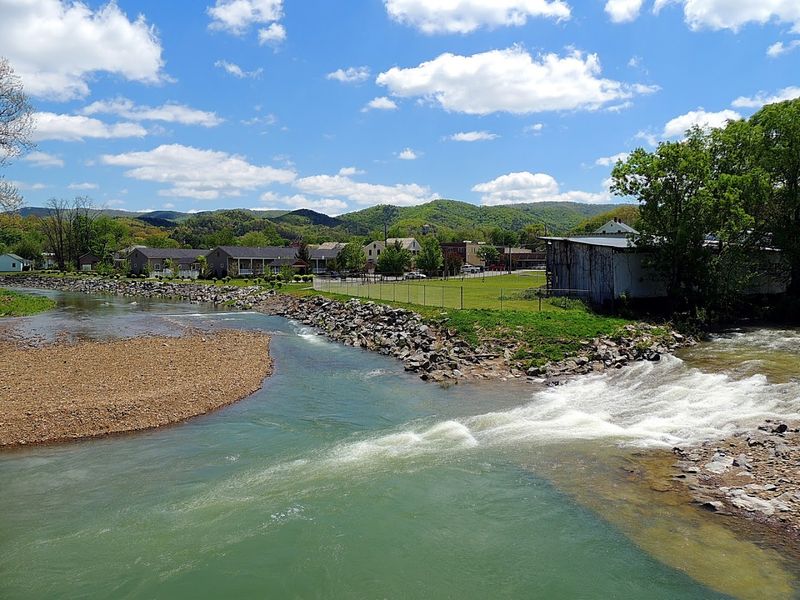
White Springs earned its name from the milky-white sulfur water that bubbled up from the ground and turned this quiet North Florida town into a health-tourism hotspot in the 1800s. Visitors traveled by steamboat and rail to drink and bathe in the mineral-rich water, hoping it would cure everything from rheumatism to skin conditions. Grand hotels and bathhouses sprang up, making White Springs one of Florida’s earliest resort destinations.
By the early 1900s, the town’s glory days had faded, but the old spring house ruins still stand near Stephen Foster Folk Culture Center State Park. Walking through the crumbling stone arches feels like exploring a forgotten spa from another century. The spring itself no longer flows as it once did, but the site’s haunting beauty and historical markers keep the resort-era story alive.
Stephen Foster never actually visited White Springs, but the park honors his music and Florida’s cultural heritage in a fitting setting. The spring ruins add a layer of mystery and nostalgia that you won’t find at more polished state parks. It’s a perfect stop for anyone who loves history, old architecture, and the slightly melancholy charm of a place that once thrived and now quietly remembers its past.
4. Sulphur Springs (Tampa)
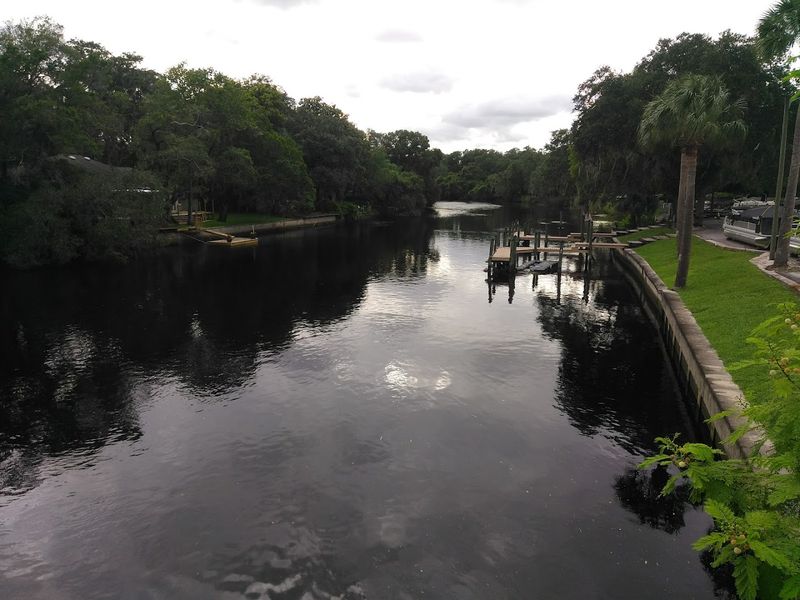
Long before theme parks took over Florida tourism, Tampa’s Sulphur Springs neighborhood was the place to be. In the 1920s and ’30s, this spot featured a grand hotel, a massive water slide, an arcade, and even an alligator farm—all built around a natural mineral spring that promised health and fun. Families flocked here to swim, picnic, and experience one of the state’s most popular attractions.
The 1927 Sulphur Springs Water Tower is the neighborhood’s most recognizable survivor from that golden era. Standing tall and white with ornate detailing, the tower once supplied water to the resort complex. Today, it’s a beloved local landmark that reminds residents and visitors alike of the area’s vibrant past, even as the springs themselves have faded from public use.
Urban development eventually swallowed the old resort, but the tower and the neighborhood’s name keep the memory alive. Walking around Sulphur Springs today, you can still sense echoes of that bustling tourist scene—old-timers remember swimming in the spring-fed pool, and historic photos show crowds enjoying the water slide and attractions. It’s a fascinating example of how Florida’s mineral springs once shaped entire communities, creating entertainment hubs long before Disney arrived.
5. Green Springs Park (Enterprise)
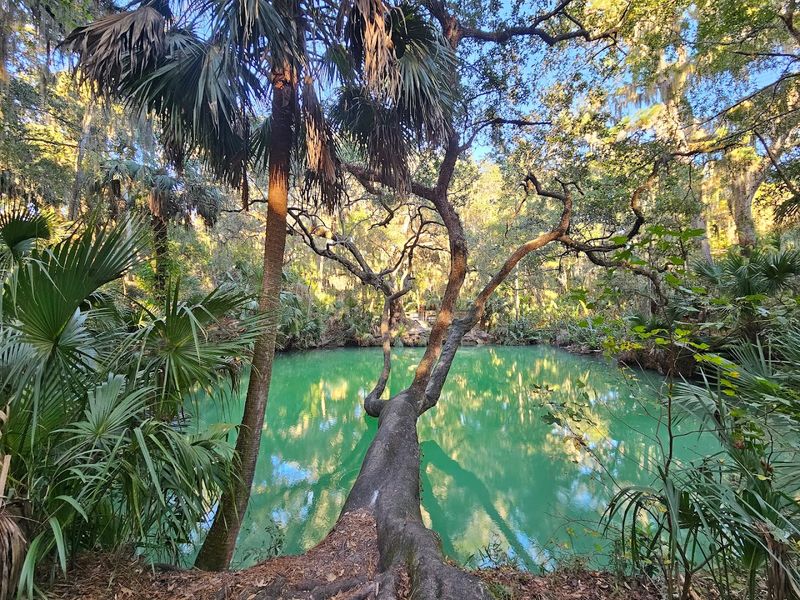
Most Florida springs shimmer blue or clear, but Green Springs lives up to its name with a vivid emerald glow that stops you in your tracks. This striking color comes from sulfur and minerals mixing in the water, creating one of the state’s rarest and most photogenic springs. Volusia County has preserved the site as a park, complete with trails and scenic overlooks that let you appreciate the spring’s unusual beauty without disturbing it.
Green Springs has been a local landmark for generations, serving as a gathering spot and natural curiosity long before it became an official park. Early settlers noted the spring’s strange color and strong sulfur smell, and over time it became a place where people came to marvel at nature’s quirks. The trails wind through hammock and wetland, offering glimpses of wildlife and native plants alongside the main attraction.
Because the spring’s ecosystem is delicate, swimming isn’t allowed, but the viewing platforms give you a front-row seat to the emerald pool’s eerie, otherworldly beauty. The sulfur scent is unmistakable, adding to the sensory experience. Green Springs feels like a hidden gem even though it’s a public park—quiet, visually stunning, and rich with the kind of natural history that reminds you Florida’s landscapes are far more diverse than beaches and theme parks.
6. Espiritu Santo Springs (Safety Harbor)
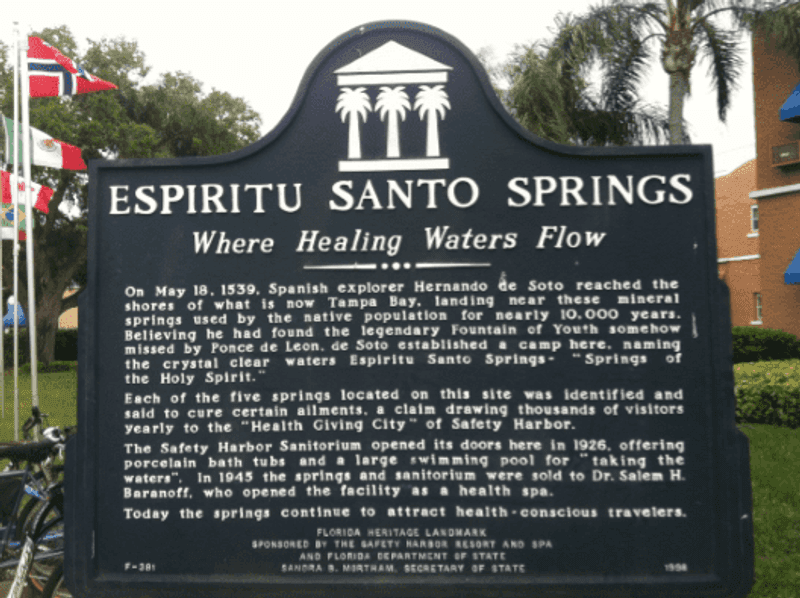
Safety Harbor’s identity is built on the idea of healing waters, and Espiritu Santo Springs is the source of that long-running story. A historical marker at the site ties the springs to Hernando de Soto’s 1539 arrival near Tampa Bay, noting that Indigenous peoples used the mineral-rich water long before any Europeans set foot in Florida. The name “Espiritu Santo” means “Holy Spirit,” reflecting the reverence early visitors felt for the springs.
By the late 1800s and early 1900s, Safety Harbor had become a spa destination, with hotels and bathhouses offering treatments using the spring water. The Safety Harbor Resort and Spa still operates today, keeping that wellness tradition alive. Guests can soak in mineral pools and enjoy spa services that trace their roots back over a century, making it one of Florida’s longest-running health-tourism spots.
The springs themselves aren’t as visible as they once were—modern development has altered the landscape—but the historical marker and the resort’s continued focus on mineral water keep the story front and center. Visiting Espiritu Santo Springs means stepping into a narrative that stretches from ancient Indigenous use to Spanish exploration to Victorian-era health seekers, all connected by the belief that these waters hold something special. It’s Florida history you can literally soak in.
7. Green Cove Springs (Green Cove Springs)
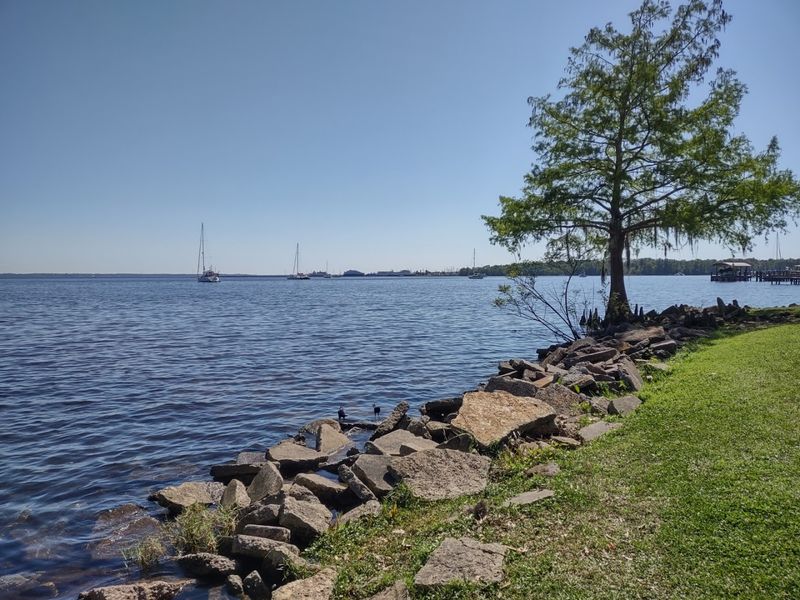
Originally called White Sulfur Springs, this riverfront town grew up around a warm mineral spring that made it a 19th-century tourist magnet. Visitors arrived by steamboat on the St. Johns River, drawn by claims that the spring’s sulfur-rich water could ease ailments and restore health. Hotels and bathhouses popped up, and for a time, Green Cove Springs rivaled much larger Florida cities as a fashionable destination.
The spring still flows today, right in the heart of downtown, and you can see it at Spring Park along the riverfront. The warm water bubbles up into a small pool, and a historic gazebo marks the spot where so many 19th-century travelers once gathered. The city’s name reflects the spring’s importance—it literally shaped the community’s identity and economy for decades.
Green Cove Springs feels like a town that time slowed down for in the best way. The riverfront is quiet and charming, with old buildings and live oaks adding to the sense of history. Walking through Spring Park, you can imagine steamboats pulling up to the dock and well-dressed tourists stepping off to take the waters.
The spring may no longer be a major draw, but it remains the town’s beating heart, a warm reminder of Florida’s early tourism days when mineral springs were the main attraction.
8. Hampton Springs (Perry)
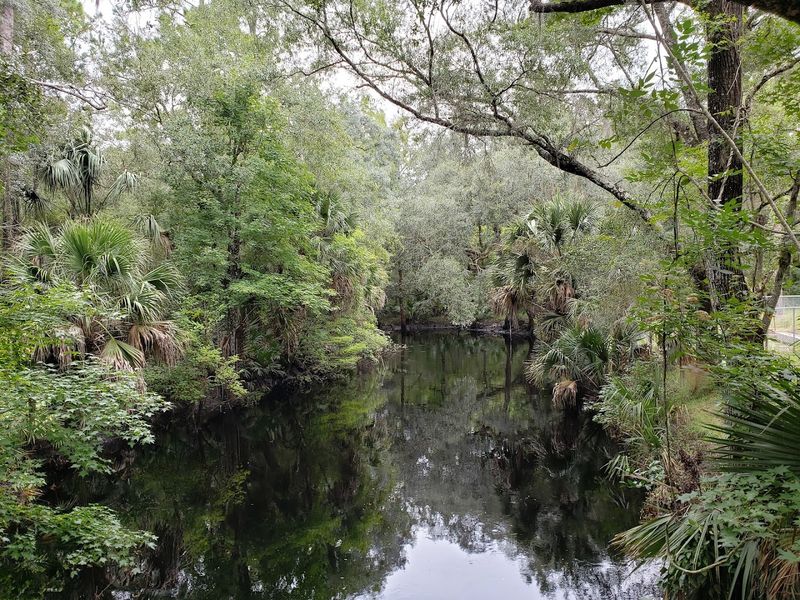
Hidden in the woods near Perry, the ruins of the Hampton Springs Hotel tell a story of lost glamour and forgotten health tourism. In the early 1900s, this sulfur-spring resort was a thriving destination where visitors came to soak in the spring-fed pool and enjoy the supposed healing powers of the mineral water. The hotel offered a full spa experience, complete with guest rooms, dining, and treatments that promised relief from all kinds of ailments.
Fire swept through the hotel in 1954, ending its run as a resort and leaving behind the crumbling brick walls and foundations you can explore today. Nature has reclaimed much of the site, with trees growing through old doorways and vines covering what’s left of the structure. The spring itself still flows, though it’s no longer maintained for swimming or bathing.
Visiting Hampton Springs feels like stepping into a Southern Gothic novel. The ruins are hauntingly beautiful, with enough detail left to imagine what the place looked like in its heyday. It’s a quiet, slightly eerie spot that rewards curious explorers willing to venture off the beaten path.
Hampton Springs is a perfect example of how Florida’s mineral-spring resorts rose and fell, leaving behind physical remnants that keep their stories alive for anyone willing to seek them out.
9. Panacea Mineral Springs (Panacea)
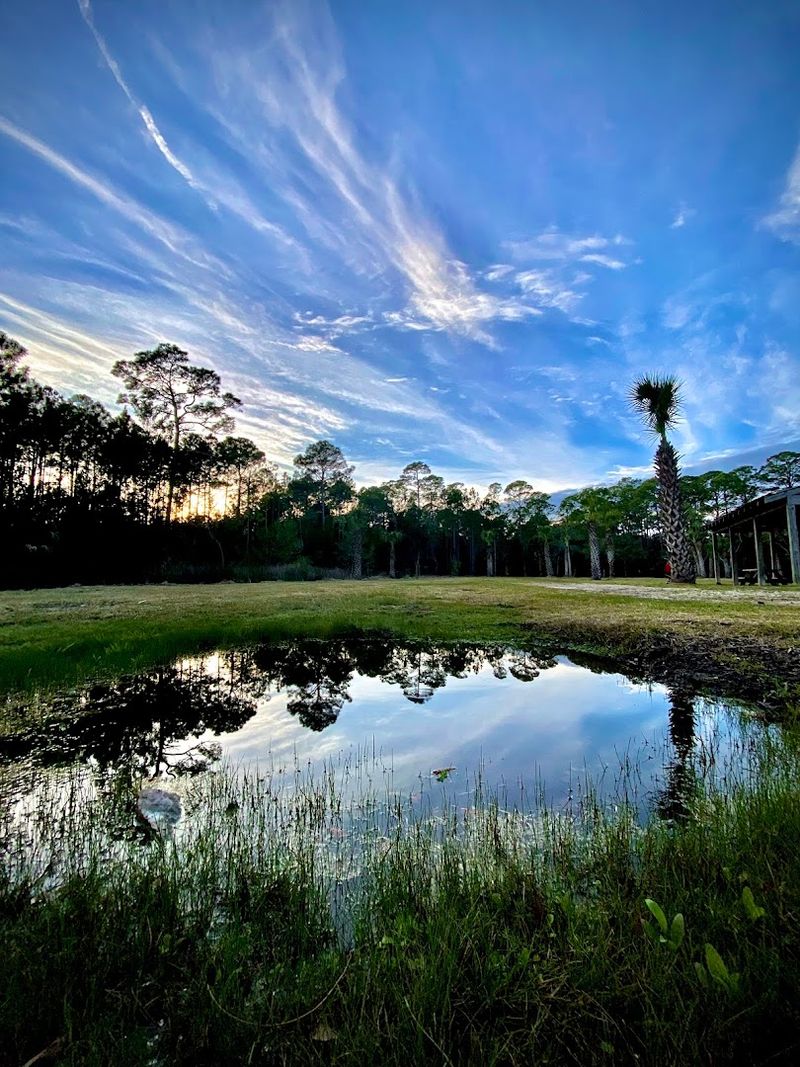
The town of Panacea got its name from the legendary mineral springs that once drew visitors seeking a cure-all for their health troubles. “Panacea” literally means a remedy for everything, and that’s exactly how early 20th-century promoters marketed the springs. People traveled to this small Gulf Coast community hoping the mineral water would heal ailments ranging from arthritis to digestive issues, turning Panacea into a modest but notable stop on Florida’s health-tourism map.
The springs themselves have faded from prominence, and the town is now better known for its fishing and coastal charm than its healing waters. But the name stuck, serving as a daily reminder of Panacea’s quirky past. Local history enthusiasts still talk about the old resort days, and you can find references to the springs in town lore and historical markers.
Panacea has the feel of a “lost Florida” gem—small, unhurried, and full of stories that don’t always make it into the guidebooks. The mineral springs may no longer flow as they once did, but their legacy lives on in the town’s identity. It’s a fitting stop for anyone exploring Florida’s lesser-known mineral-spring history, a place where the name alone tells you that people once believed something magical bubbled up from the ground here.
10. Ponce de Leon Springs (Ponce de Leon)
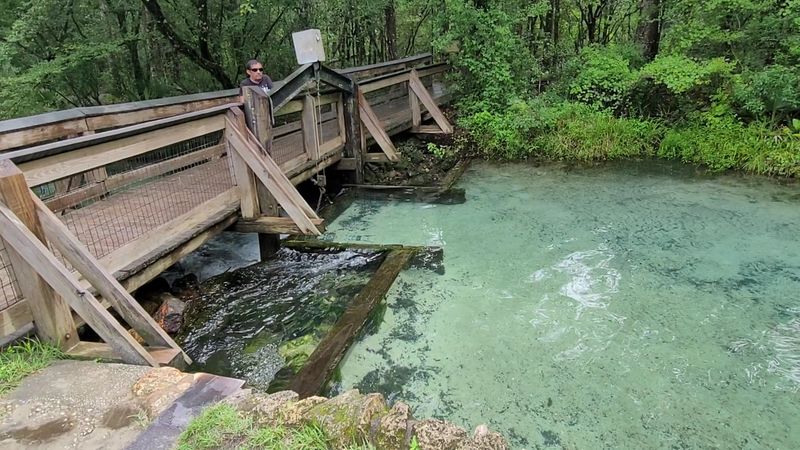
Ponce de Leon Springs may not fit the classic sulfur-spa mold, but its name and legend make it a must-mention on any list of history-rich Florida springs. Named after the Spanish explorer who supposedly searched for the Fountain of Youth, this spring taps into one of Florida’s oldest and most enduring myths. Whether or not Ponce de Leon ever actually looked for eternal youth, the story has stuck to Florida’s springs for centuries, and this spot wears that legacy proudly.
The spring itself is beautiful in a quieter, more natural way than some of the state’s famous tourist springs. Clear water flows through a wooded setting, creating a peaceful spot that feels timeless. It’s less about grand resorts or archaeological finds and more about the power of a good story—the idea that somewhere in Florida, a spring might hold the secret to staying young forever.
Visiting Ponce de Leon Springs is like stepping into folklore. The name alone conjures images of conquistadors and quests for magic water, even if the reality is simply a lovely, cool spring in the Panhandle woods. It’s a scenic, legend-forward closer to Florida’s mineral-spring history, a reminder that sometimes the stories we tell about a place matter just as much as the place itself.