10 Florida Rivers Where You Can Hunt For Shark Teeth, Ancient Bones, And Fossils
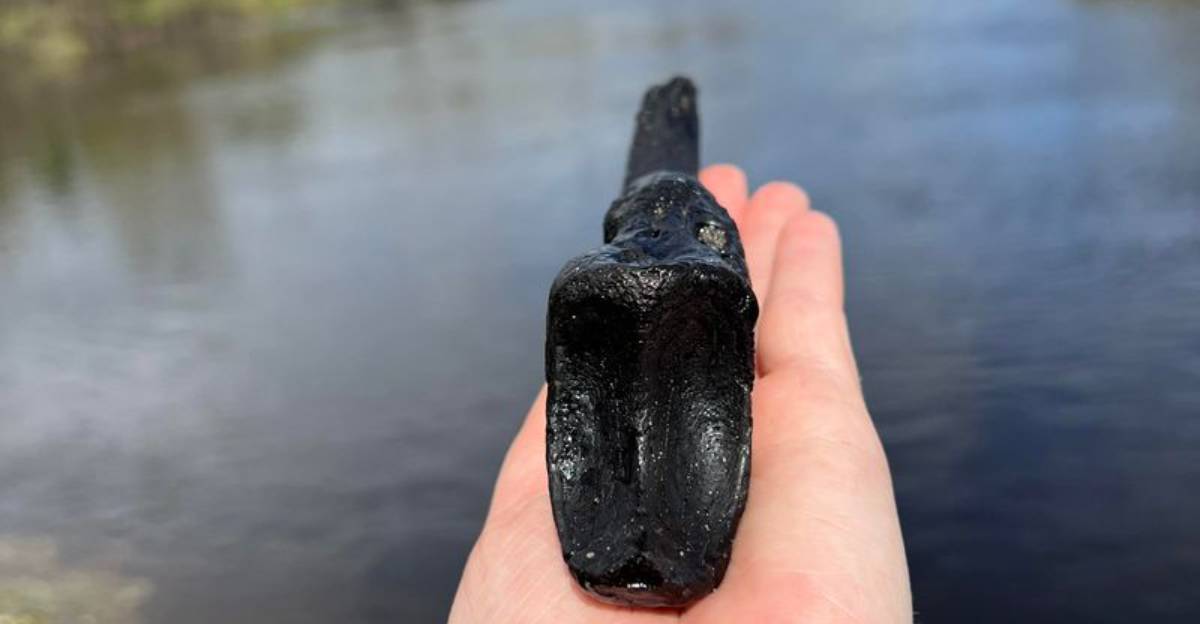
Florida’s rivers hold millions of years of natural history just waiting to be discovered. Wading through shallow creek beds and gravel bars, fossil hunters pull up megalodon teeth, Ice Age bones, and ancient marine life from a time when much of the state was underwater. Whether you’re a beginner with a sand scoop or a seasoned collector, these waterways offer some of the best fossil hunting in the country, and most are accessible year-round with just a little know-how and patience.
1. Peace River (Arcadia)
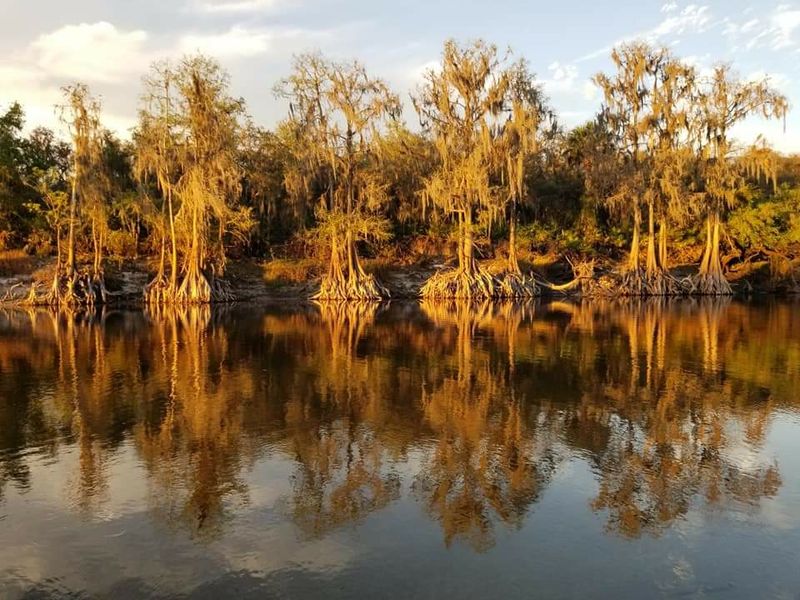
If you’re serious about fossil hunting in Florida, Peace River is the place to start. This slow-moving river cuts through the fossil-rich Bone Valley region, exposing layers of ancient seabed that date back millions of years. Shark teeth are everywhere here, from small lemon shark points to hand-sized megalodon specimens that make your heart skip a beat.
What sets Peace River apart is the sheer variety of finds. Beyond shark teeth, hunters regularly pull up dugong ribs, mammoth jaw fragments, mastodon teeth, and even pieces of giant ground sloth bones. The gravel bars shift with every rainy season, so each trip can reveal something new.
Most people launch from Arcadia or Wauchula and float downstream, stopping at shallow bends and sandbars to dig. You’ll want a sand scoop, a mesh bag, and polarized sunglasses to cut the glare. The water is tannic but usually clear enough to spot darker fossils against the lighter gravel.
Summer and fall offer the best water levels, though the river is diveable year-round. Beginners find plenty of small shark teeth on their first trip, while experienced hunters target deeper holes where larger specimens settle. Peace River isn’t just Florida’s most famous fossil spot; it’s one of the most productive in the entire country.
2. Alafia River (Lithia)
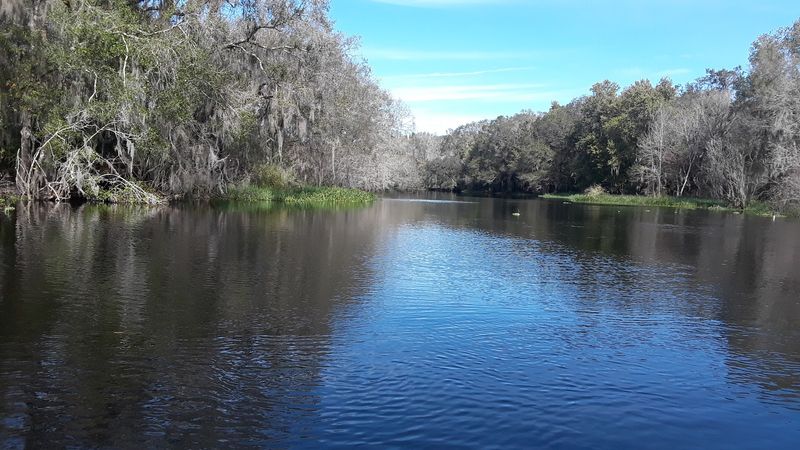
Alafia River flies under the radar compared to Peace River, but that’s part of its charm. Located just southeast of Tampa, this smaller waterway offers solid fossil hunting without the crowds. You won’t find as many giant teeth here, but the variety of smaller specimens keeps things interesting on every trip.
Small shark teeth dominate the finds: lemon sharks, bull sharks, sand tigers, and the occasional mako. Ray plates show up frequently, along with fish vertebrae and sections of ancient turtle shell. Mammal bones are less common but not unheard of, especially after heavy rains stir up deeper sediment layers.
The river’s accessibility is a major plus. Several parks and launch points around Lithia and Riverview make it easy to get on the water without a long drive. The riverbed is mostly sand and gravel, with occasional clay pockets that require more effort to work through.
Water clarity varies depending on recent rainfall, but polarized sunglasses and a small hand rake will serve you well. Focus on inside bends and shallow bars where current slows and allows fossils to settle. Alafia rewards patience more than luck.
Because it’s less famous, you’ll often have stretches of river to yourself, especially on weekdays. That quiet solitude, combined with steady finds, makes Alafia a favorite among locals who prefer a more relaxed fossil-hunting experience.
3. Myakka River (Sarasota)
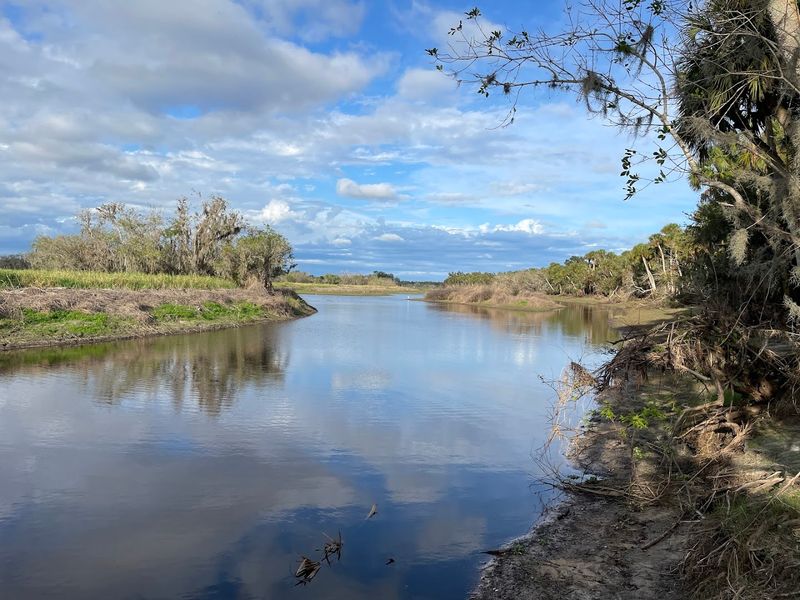
Myakka River winds through Southwest Florida’s fossil belt, connecting some of the richest prehistoric deposits in the state. While Venice’s beaches get more attention for shark teeth, the river itself offers a quieter alternative with plenty of potential for serious collectors. The scenery alone makes the trip worthwhile, with cypress-lined banks and abundant wildlife.
Fossil finds here lean heavily toward shark teeth, though you’ll also encounter ray material, fish bones, and the occasional piece of fossilized coral. The river’s connection to the same geological layers that feed Venice’s famous tooth-covered beaches means you’re hunting the same ancient material, just in a different setting.
Access can be trickier than more developed rivers. Some stretches require paddling through wilderness areas, and water levels fluctuate significantly between wet and dry seasons. Spring and early summer typically offer the best balance of water depth and clarity.
Gravel bars form at bends and behind natural obstructions, creating natural collection points for heavier fossils. A sand scoop is essential, and wading boots help navigate rocky sections. The river isn’t as beginner-friendly as Peace River, but it rewards those willing to explore less-traveled sections.
Wildlife encounters are common, from alligators to wading birds, so stay aware of your surroundings. Myakka combines fossil hunting with genuine wilderness experience, appealing to those who want more than just a tooth-collecting trip.
4. Horse Creek (Arcadia)
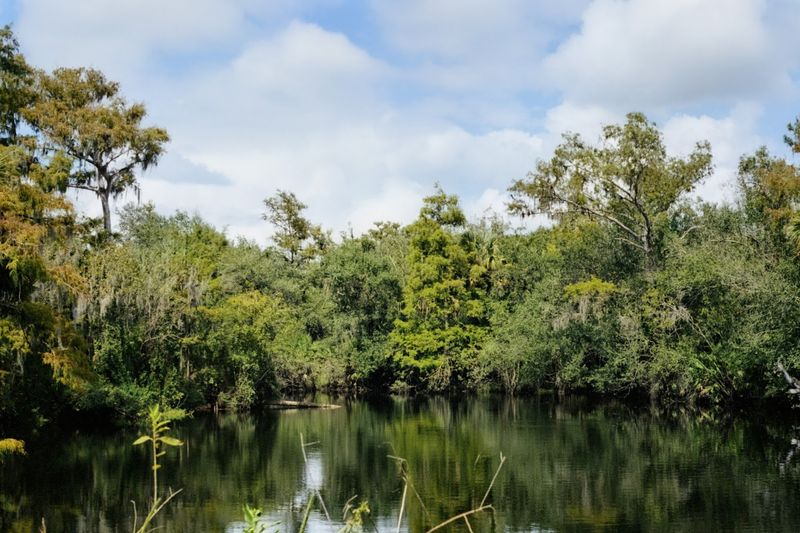
Horse Creek feeds into Peace River, but it deserves recognition as a standalone fossil destination. This tributary cuts through the same Bone Valley deposits as its larger neighbor, exposing ancient seabed that produces excellent shark teeth and occasional surprises. Smaller crowds and easier access points make it appealing for day trips.
The creek is particularly known for producing rarer shark tooth species that don’t show up as frequently in Peace River proper. Great white ancestors, mako sharks, and extinct species like Hemipristis appear alongside the usual suspects. Serious collectors target Horse Creek specifically for these less common finds.
Water depth stays manageable most of the year, though summer rains can temporarily raise levels and reduce visibility. The creek bottom is primarily gravel and sand, with limestone ledges in some sections that create natural traps for fossils. These ledges are worth extra attention.
Access is straightforward, with several public launch points around Arcadia and DeSoto County. The creek is narrow enough that you can work both banks without needing a boat, though a kayak helps cover more ground. Most hunters walk the shallows, scanning and scooping as they go.
Beyond shark teeth, Horse Creek produces dugong bones, ray plates, and fragments of larger Ice Age mammals. The variety keeps every trip interesting, and the smaller scale feels less overwhelming for newcomers still learning what to look for in the gravel.
5. Joshua Creek (Arcadia)
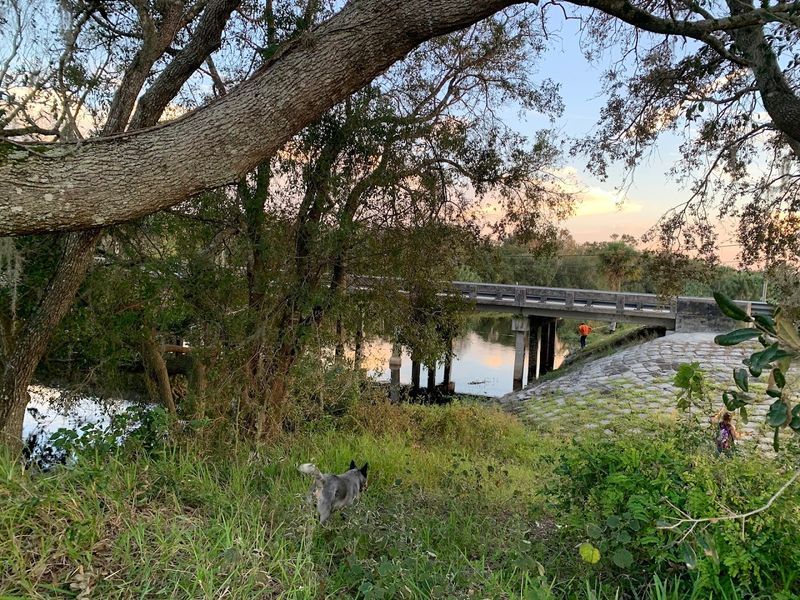
Joshua Creek might be the smallest waterway on this list, but it punches above its weight when it comes to fossil diversity. Another Peace River tributary near Arcadia, this creek has earned a loyal following among hunters who appreciate its mix of shark teeth, mammal bones, and unusual finds that don’t appear everywhere else.
Shark teeth are the main draw, as expected, but Joshua Creek regularly produces dugong bones, turtle shell fragments, and horse tooth pieces from extinct Ice Age species. The creek’s smaller size means fossils concentrate in predictable spots, making it easier to target productive areas without covering miles of riverbed.
Water levels can drop significantly during dry spells, exposing gravel bars that are perfect for surface hunting. When water is up, wading and scooping becomes the primary method. Either way, the creek’s manageable scale makes it less intimidating for beginners while still offering enough variety to keep experienced hunters engaged.
Access is somewhat limited compared to larger rivers, and you’ll need to research current launch points and property boundaries. Local fossil hunting groups often share information about Joshua Creek, making community connections valuable for anyone planning a trip.
The creek’s narrow width means you can thoroughly work sections in a single outing, increasing your chances of finding something special. Patience pays off here more than speed, and careful screening of gravel yields better results than rushing from spot to spot.
6. Charlie Creek (Hardee County)
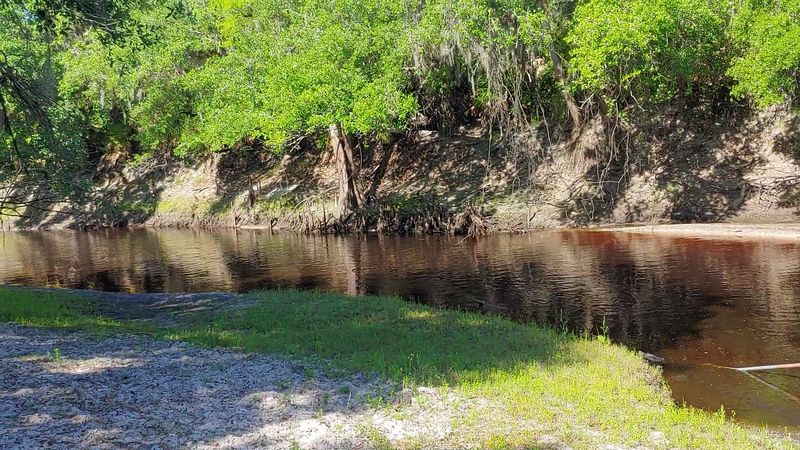
Charlie Creek sits in the heart of Bone Valley, the region that made Florida famous for phosphate mining and fossil discoveries. This Peace River tributary offers direct access to the same ancient deposits that commercial fossil operations have been working for decades. For hobbyists, that means reliable finds without the industrial scale.
Shark teeth make up the bulk of discoveries, with everything from tiny sand tiger teeth to impressive bull shark specimens. Bones appear regularly too, including dugong ribs, turtle material, and fragments from various Ice Age mammals. The creek’s geology creates natural sorting, with heavier fossils settling in predictable gravel concentrations.
Water clarity varies considerably depending on recent weather. After dry periods, the creek runs clear and shallow, making visual hunting possible. Following heavy rains, you’ll rely more on feel and screening.
Both approaches work, just with different techniques and patience requirements.
Access points around Hardee County provide entry to different sections of the creek, each with its own character and fossil potential. Some stretches feature exposed limestone ledges that act as natural collection points, while others offer sandy bottom that’s easier to dig but requires more screening to find fossils.
Charlie Creek doesn’t get as much attention as Peace River, which means less competition for productive spots. That relative solitude appeals to hunters who prefer a quieter experience and don’t mind doing a bit more research to find the best access points.
7. Shell Creek (Punta Gorda)
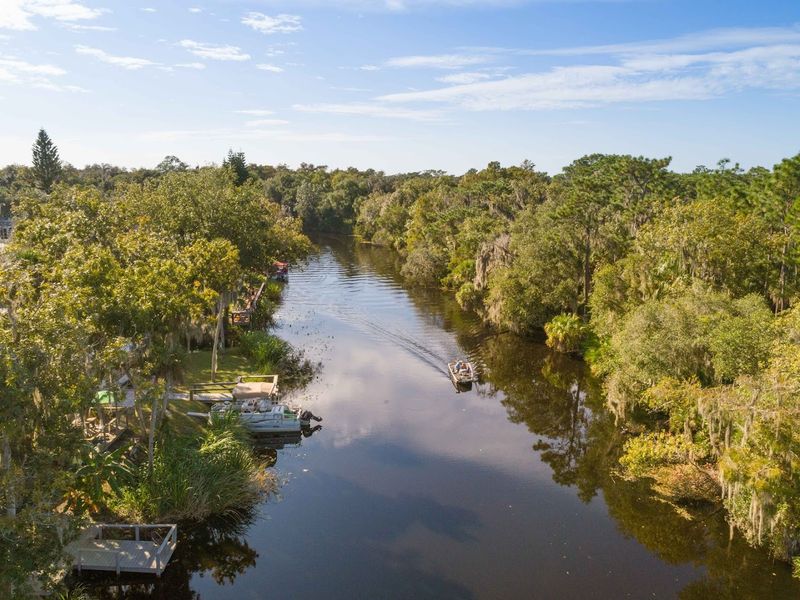
Shell Creek lives up to its name, offering a different fossil-hunting experience than the shark-tooth-focused rivers further north. Located near Punta Gorda, this waterway is better known for fossilized shells, ray teeth, and ancient turtle material than for easy megalodon finds. That doesn’t make it less interesting, just different.
The creek’s fossil assemblage reflects its geological history as a marine environment rich in shellfish and smaller sea creatures. Fossilized clam shells, scallops, and various gastropods appear in abundance, some with remarkable preservation. Ray teeth and plates are common, along with fish vertebrae and occasional shark teeth from smaller species.
Water conditions in Shell Creek can be challenging. Tannin staining from surrounding vegetation creates dark water that makes visual hunting difficult. Add in variable depth and soft bottom sections, and you’ll need to adjust your approach compared to clearer rivers.
A long-handled scoop helps reach bottom without fully submerging.
Access is available through several parks and public lands around Punta Gorda, though launch points may be less developed than at more popular fossil destinations. Checking recent conditions and water levels before heading out saves wasted trips.
Shell Creek appeals most to collectors interested in broader fossil diversity rather than just shark teeth. If you’re fascinated by ancient marine ecosystems and want specimens beyond the usual suspects, this creek offers material you won’t find everywhere else. Just adjust your expectations accordingly.
8. Caloosahatchee River (Fort Myers)
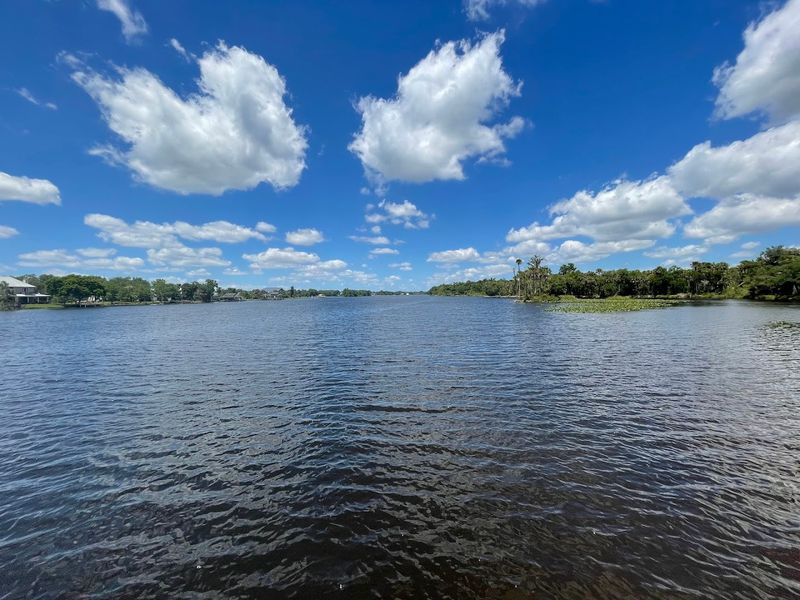
Caloosahatchee River carries significant geological history, having been a major marine waterway when sea levels were higher millions of years ago. That ancient past left behind extensive fossil deposits, though the hunting experience here differs significantly from the classic shark-tooth rivers. This is more about fossilized shells and marine remnants than easy tooth finds.
The river’s fossil assemblage includes countless shell species, some extinct and some still living in modern Gulf waters. Ancient scallops, oysters, clams, and more exotic mollusks appear in various stages of fossilization. Marine vertebrate material shows up too, but you’ll work harder for shark teeth compared to Peace River or its tributaries.
Size works against casual fossil hunting here. Caloosahatchee is a major waterway, meaning deeper water, stronger currents, and more boat traffic than smaller creeks. Finding productive spots requires more research and often a boat to reach promising areas.
Shore access exists but covers limited sections of the overall river.
Water clarity is generally poor due to the river’s size and surrounding development. You’ll rely heavily on screening and feel rather than visual hunting. This makes Caloosahatchee more appealing to experienced hunters who know what they’re searching for and have the patience to work through less-than-ideal conditions.
The river’s historical and geological significance makes it worthwhile for serious collectors interested in Florida’s ancient marine environments. Just don’t expect the beginner-friendly experience of smaller, clearer waterways further inland.
9. Withlacoochee River (Dunnellon)
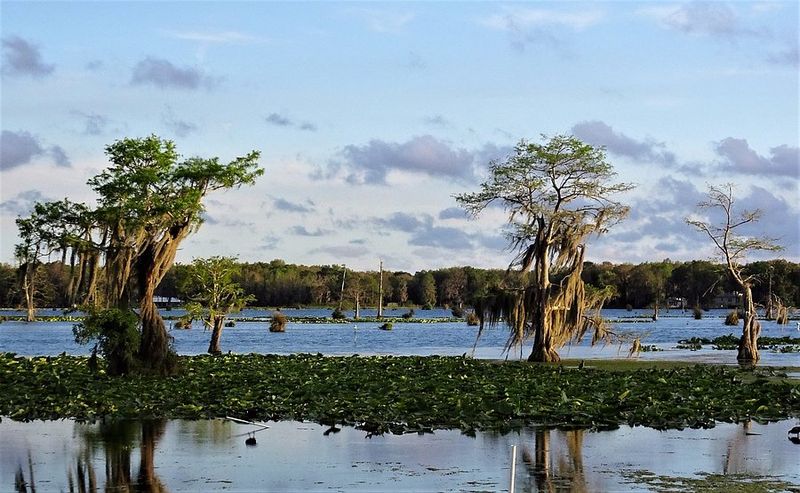
Withlacoochee River represents a shift from the classic shark-tooth hunting grounds to a more diverse rockhounding and fossil destination. Located in North-Central Florida near Dunnellon and Inverness, this river is famous among collectors for agatized coral, Florida’s state stone, alongside ancient marine fossils from when the region was underwater.
Agatized coral forms when ancient coral structures are replaced by silica over millions of years, creating colorful, often striking specimens that polish beautifully. The Withlacoochee drainage is one of the best places in Florida to find quality pieces, though competition is fierce in well-known spots. Shark teeth and other marine fossils appear too, but the coral is the real prize here.
The river presents more challenges than beginner-friendly options like Peace River. Water is often deeper and darker, with limestone outcrops and uneven bottom conditions. Current can be strong in sections, and the best fossil areas aren’t always obvious.
Local knowledge helps tremendously.
Access points exist around Dunnellon and through various parks and preserves, but some of the most productive areas require paddling or diving to reach. Surface hunting works during low water, but serious collectors often free-dive or use hookah rigs to work deeper sections where larger coral pieces settle.
Withlacoochee appeals to collectors ready to move beyond entry-level fossil hunting. The learning curve is steeper, but the rewards include specimens you won’t find in South Florida’s rivers, making the extra effort worthwhile for those seeking variety in their collections.
10. Suwannee River (North Florida)
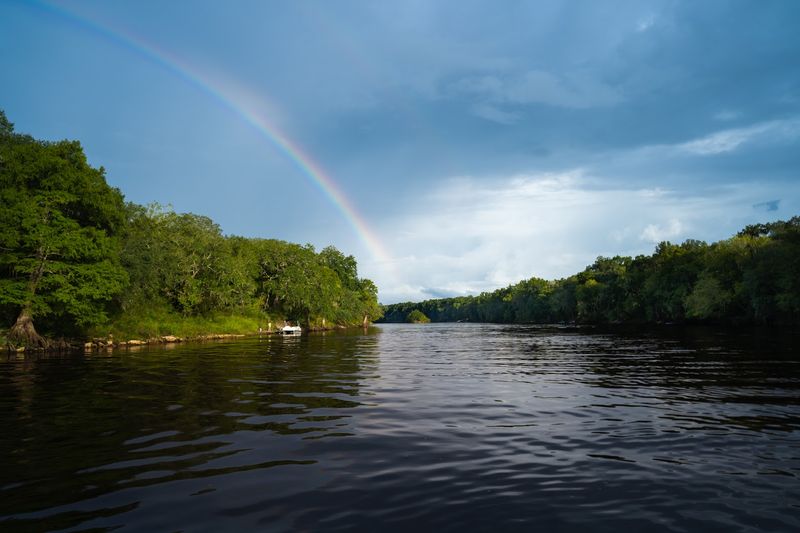
Suwannee River stretches across North Florida as one of the state’s most iconic waterways, carrying both natural beauty and deep geological history. Unlike the Bone Valley rivers to the south, Suwannee is more about limestone formations and ancient marine layers than easy surface fossils. This is advanced territory, but it connects to Florida’s fossil-rich past in fascinating ways.
The river cuts through limestone deposited when the entire region was an ancient seabed, exposing layers that contain marine fossils, shark teeth, and other prehistoric material. Finding them requires more effort than simply walking gravel bars. Much of the best material is embedded in limestone ledges or buried in sediment that takes serious work to access.
Diving is common among serious Suwannee fossil hunters, particularly in deeper holes and around limestone outcrops where fossils accumulate. The river’s tannic water limits visibility, making this a feel-your-way-through experience that demands patience and experience. Surface hunting exists but yields less dramatic results than diving or working exposed limestone during extreme low water.
Access is plentiful along the river’s length, with numerous parks, springs, and launch points. However, productive fossil spots aren’t necessarily near convenient access, requiring planning and often significant paddling or hiking to reach.
Suwannee River rewards those willing to put in extra effort and accept that it’s not a quick-success destination. For collectors interested in Florida’s broader geological story and willing to work for their finds, it offers experiences and specimens that complement the more accessible southern rivers.