10 Florida Wildlife Encounters You’re Most Likely to Have This Winter

Winter in Florida is not just milder weather. It is prime time for wild encounters, from gentle giants crowding warm springs to eagles rebuilding sky high homes. You can watch oceans breathe with whales and dolphins or trace pink flashes across sunrise marshes. Pack curiosity, patience, and a camera, because the season turns every boardwalk and shoreline into a front row seat.
1. Manatees Packing Into Warm Springs
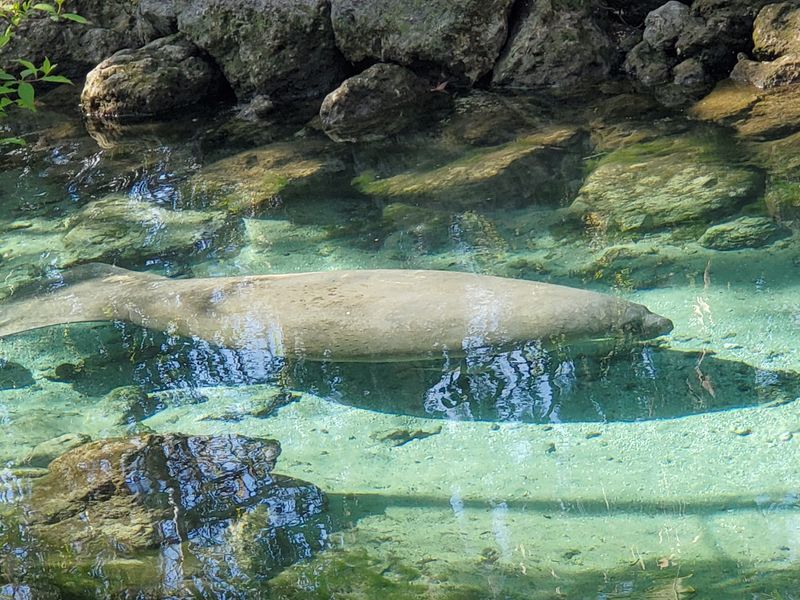
When the Gulf and Atlantic cool, manatees pour into Florida springs like Blue Spring, Crystal River, and Manatee Lagoon. You will see them suspended like gray blimps in glassy water, exhaling soft clouds at the surface. Rangers keep distances respectful, and boardwalks give you perfect overhead views.
Go early on chilly mornings for the biggest counts. The water stays a constant seventy two degrees, so manatees stack into the narrow runs. Listen for gentle snorts, watch for propeller scars, and keep your hands to yourself.
Guided kayak tours drift quietly, but winter sanctuaries may close sections to protect the herd. Bring polarized sunglasses for glare. You will leave calmer than you arrived.
2. Bald Eagles Nesting Across the State
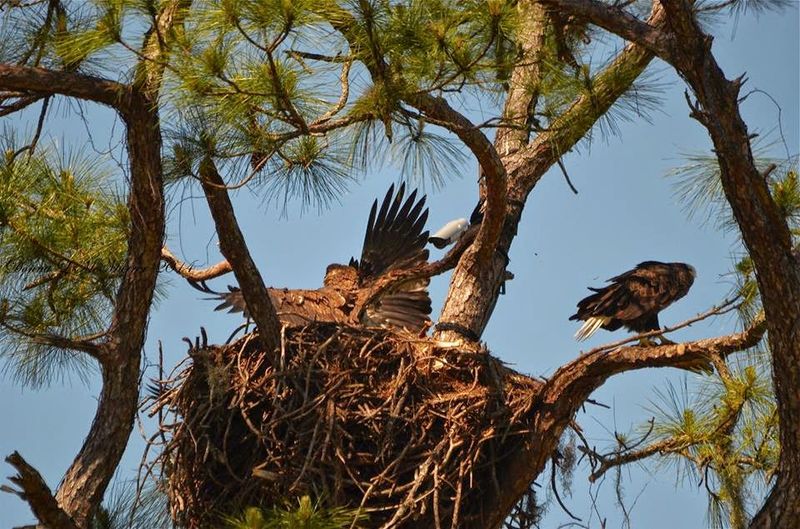
Winter is eagle season, and Florida’s skies feel bigger for it. Scan lakes, marsh edges, and tall pines for the white helmet and dark body. If you spot a massive stick platform, you are likely near a long used nest.
Arrive at dawn to catch deliveries of mullet or coot. Adults trade off incubation while the other hunts, often circling high on cool thermals. You will hear sharp calls and see wingbeats that seem slow but powerful.
Keep back to avoid disturbance and respect posted closures. A decent telephoto lens helps you read the posture and watch for courtship flights. Few sights beat a gleaming head turning in sunlight.
3. Roseate Spoonbills Feeding in Shallow Marshes
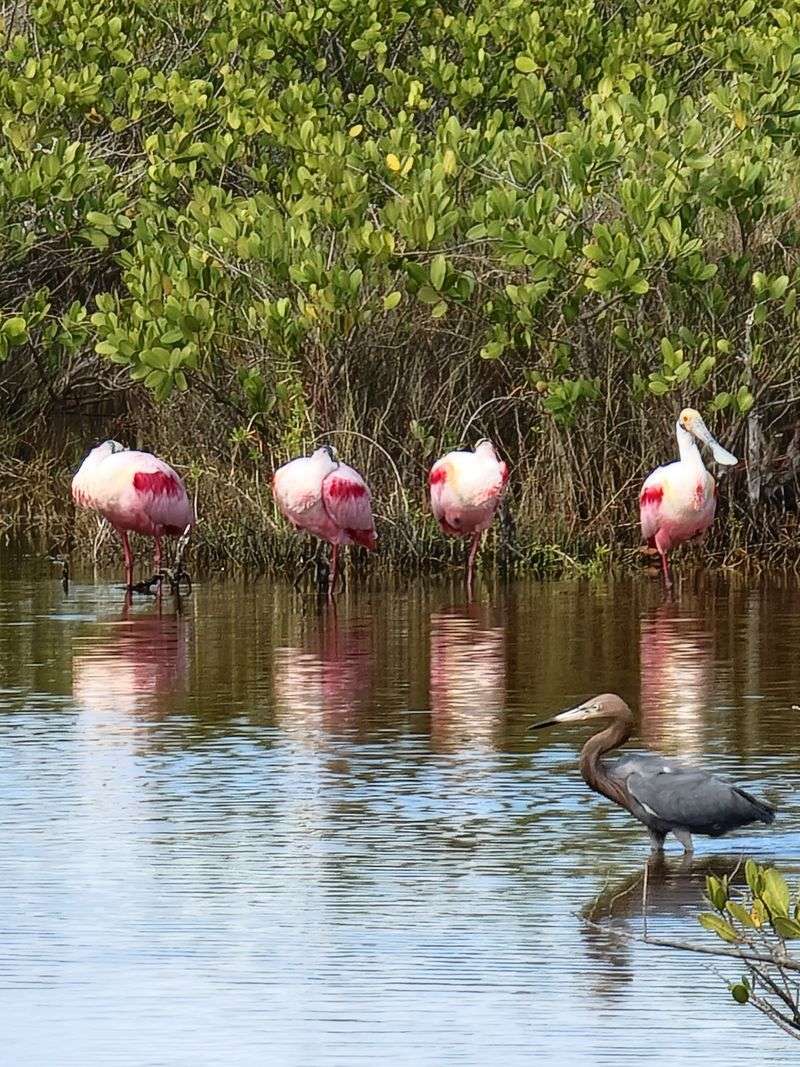
Those flamingo pink birds you glimpse at dawn might be spoonbills, not flamingos. Look in the Everglades, Tampa Bay, and Merritt Island when tides expose shallow flats. They sweep side to side, filtering shrimp and minnows with those comical spoons.
Winter gathers them into photogenic groups. Morning light sets their feathers glowing, and calm water doubles the effect with rippled mirrors. You can stand quietly on a boardwalk and hear the soft swish of bills.
Bring binoculars and watch for sudden leaps when a fish darts. Give them room so they keep feeding naturally. You will leave with pink etched across your morning like a promise.
4. Dolphins Hunting in Cooler Coastal Waters
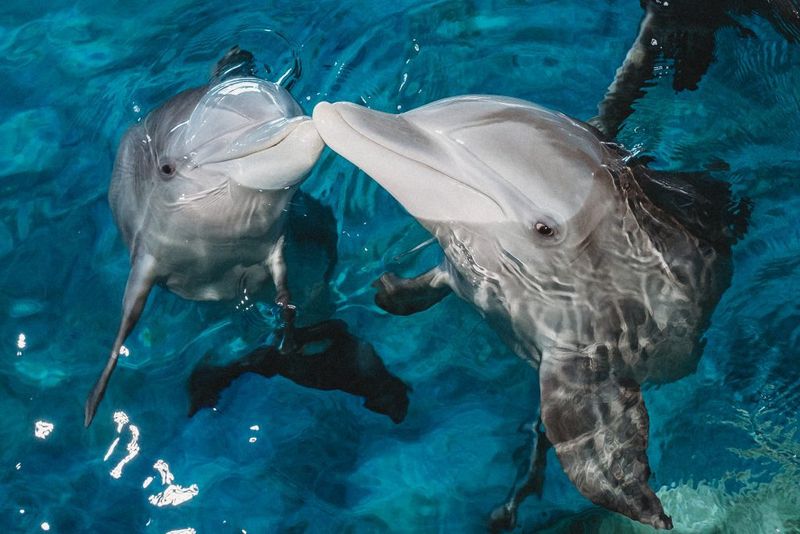
Bottlenose dolphins work the winter coast like seasoned chefs. Cooler water tightens bait schools, and you get surface fireworks. Watch for synchronized arcs, quick tail slaps, and gulls crashing down to scoop leftovers.
Clearer water helps you follow the hunt from piers or beach walkovers. Look for rips near sandbars or inlet mouths where fish funnel. You might catch strand feeding in rare spots, a flash of strategy and muscle.
Keep boats slow and give wide berth. Never feed them, even when they beg with charming eyes. A morning of patient scanning rewards you with wild grace and salty air.
5. Florida Black Bears on the Move Before Winter Lulls
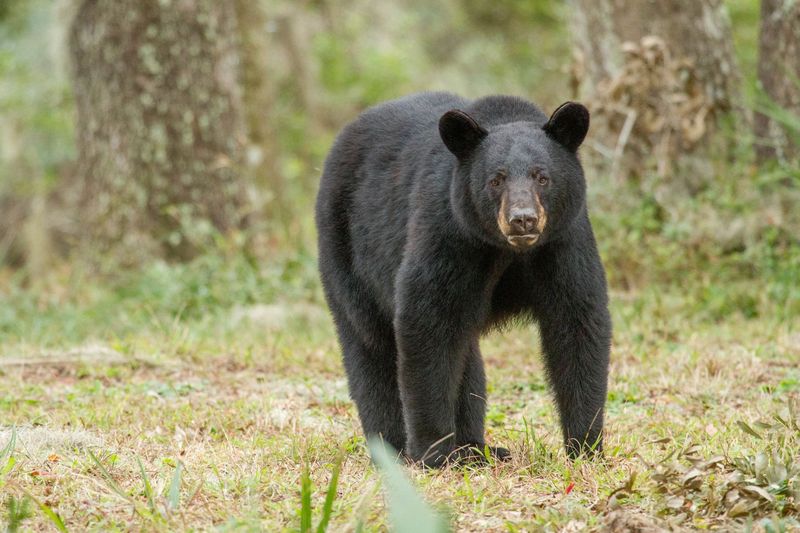
Florida black bears do not hibernate fully, but they do slow down. Early winter can bring rare daytime sightings along woodland edges and sandy trails. You might notice fresh tracks, a turned log, or palmettos rustling ahead.
Look near preserves bordering neighborhoods where food smells drift. Bears prefer acorns and berries, but unsecured garbage tempts trouble. Keep distance, talk softly, and make yourself known without crowding.
Carry bear spray where permitted and store food smartly. Photograph with a long lens so the animal keeps moving naturally. A quiet glimpse feels like a secret granted, then gone.
6. Right Whales Calving Off Northeast Florida
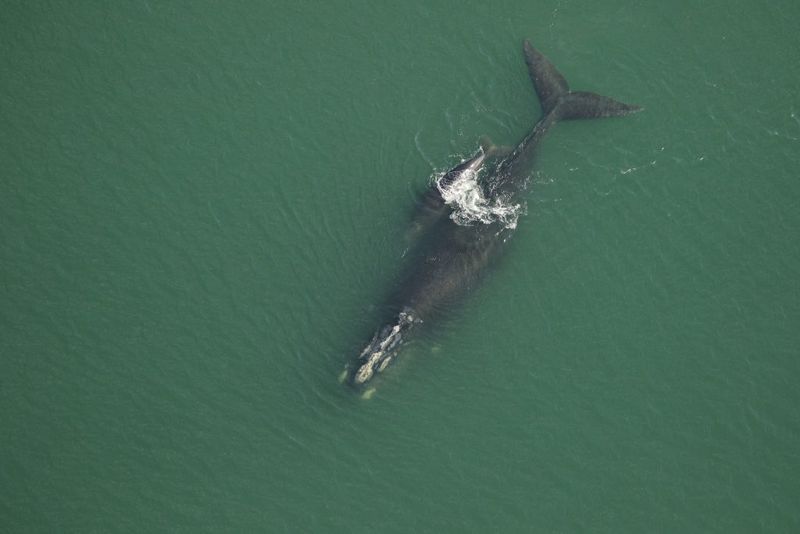
From December to March, endangered North Atlantic right whales arrive to calve. Shore lookouts from Jacksonville to Flagler scan for V shaped blows and dark backs without dorsal fins. On lucky days, you spot a mother and tiny calf surfacing in rhythm.
Bring patience, binoculars, and a windbreaker for cool sea breezes. Volunteer networks post sightings so you can time a visit. Boaters must heed slow zones and stay far off.
Every glimpse feels historic, like turning a page that almost tore. Stay on high dunes or piers to reduce disturbance. You witness new life in a quiet ocean cradle.
7. Migratory Birds Filling Wetlands & Fields
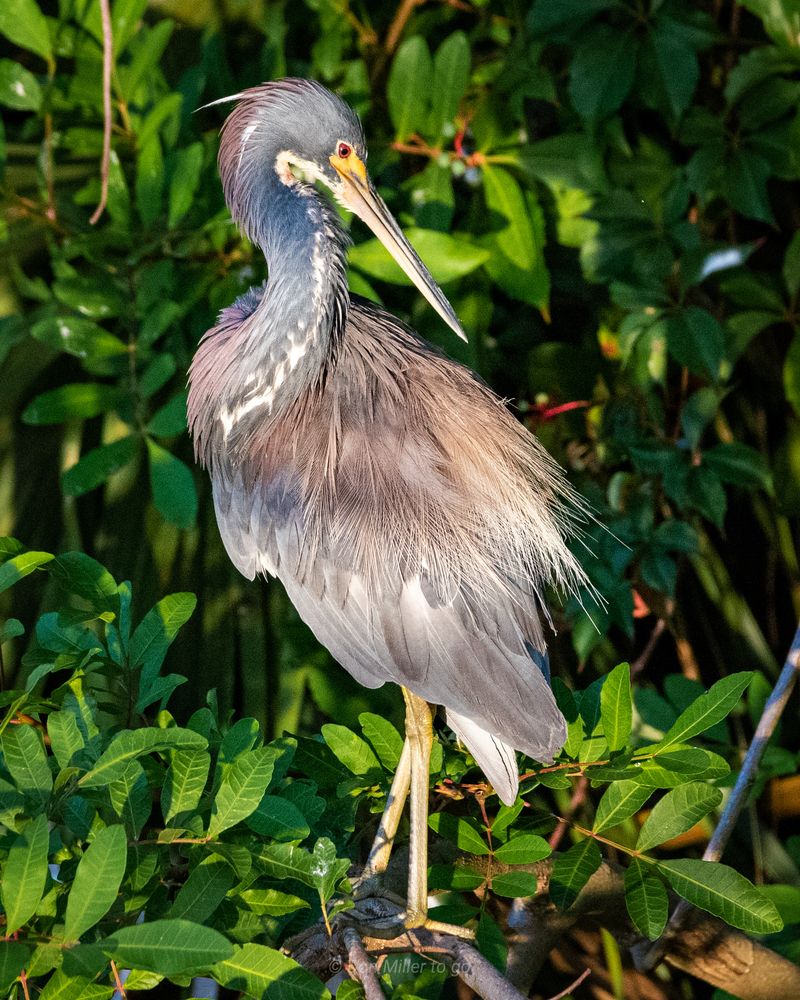
Winter fills Florida with wings. White pelicans raft on lakes, sandhill cranes bugle over fields, and painted buntings flash tropical color at feeders. Marshes thrum with ducks, shorebirds, and the constant shuffle of migration.
Grab a checklist and wander levees at dawn. You will hear whistles, trills, and the hush of thousands settling. Spotting scope or not, the spectacle swallows you whole.
Respect closed areas and tread lightly on wet paths. Stand still long enough and the birds treat you like part of the landscape. You leave humming with calls you cannot name yet.
8. Alligators Basking on Cool, Sunny Days
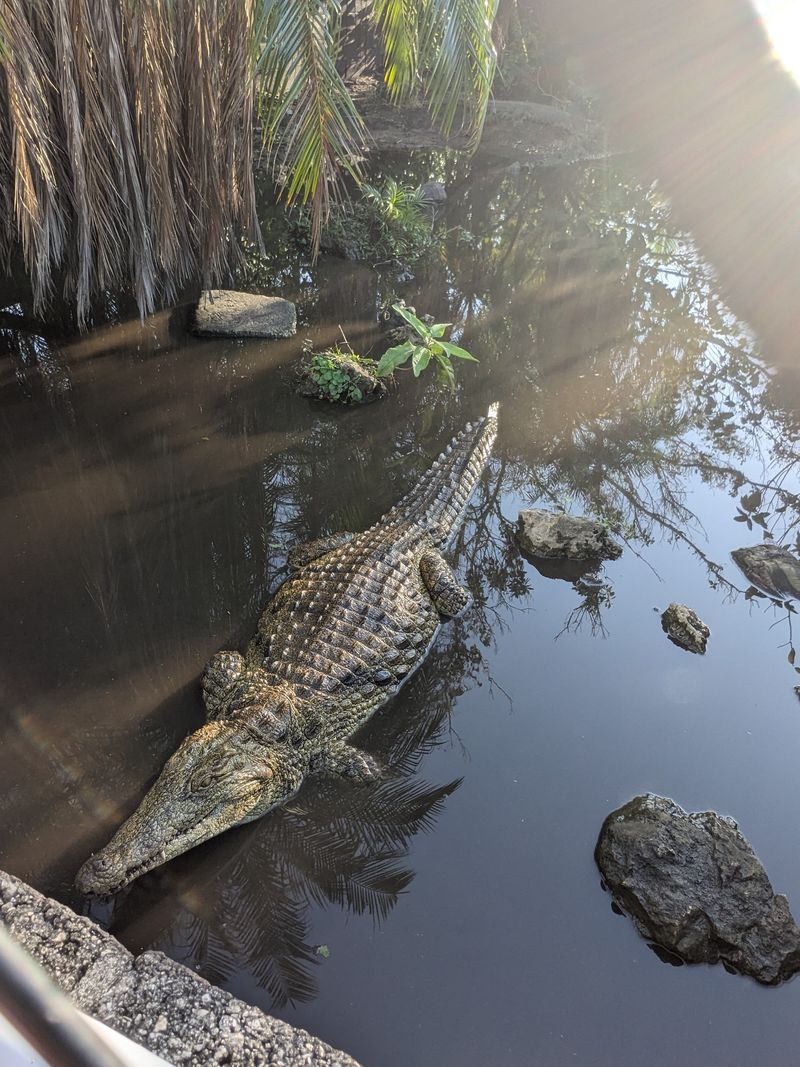
Cold nights and bright sun draw alligators onto banks like living logs. They warm up but stay close to water for quick exits. Boardwalks in the Everglades, Big Cypress, and inland lakes offer safe, elevated viewing.
Look for mouth gaping that helps regulate temperature. You may hear a splash when one slides back into tannin stained water. Keep fingers and toes aboard if you are paddling.
Give them space and never feed wildlife. A telephoto brings textures alive, from armored scales to golden eyes. The stillness feels ancient, patient, and perfectly Florida.
9. Sea Turtles Surfacing Near Reefs & Inlets
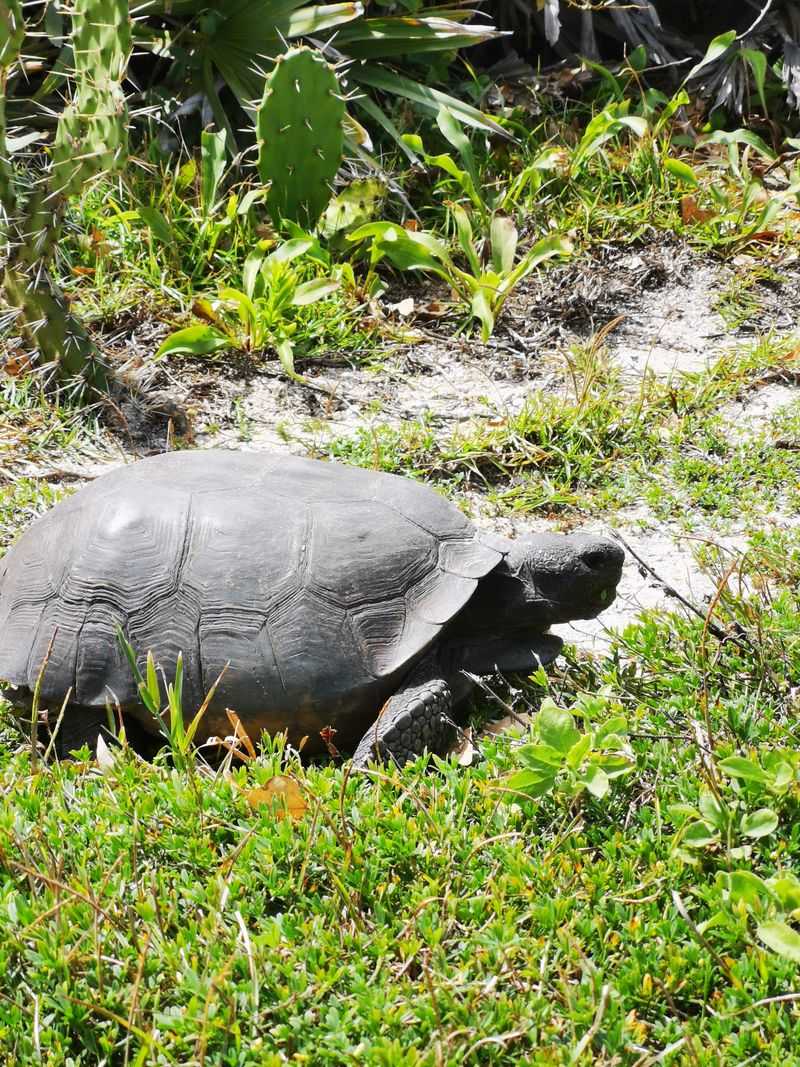
Nesting ends in summer, but juvenile greens and loggerheads linger offshore. Winter brings clearer water around reefs and inlets, so you may spot them from piers or during calm day snorkels. Watch for gentle surfacings that look like floating rocks awakening.
Respect the gap, keep hands to yourself, and let currents set the pace. Inlets can be tricky, so go with local guidance and slack tide windows. A quick breath, a tilt, and the turtle vanishes.
Polarized lenses help you read subtle shadows along jetty edges. Celebrate brief encounters rather than chasing the next. You will remember the quiet exhale longer anyway.
10. Key Deer Wandering Roadways & Trails in the Lower Keys
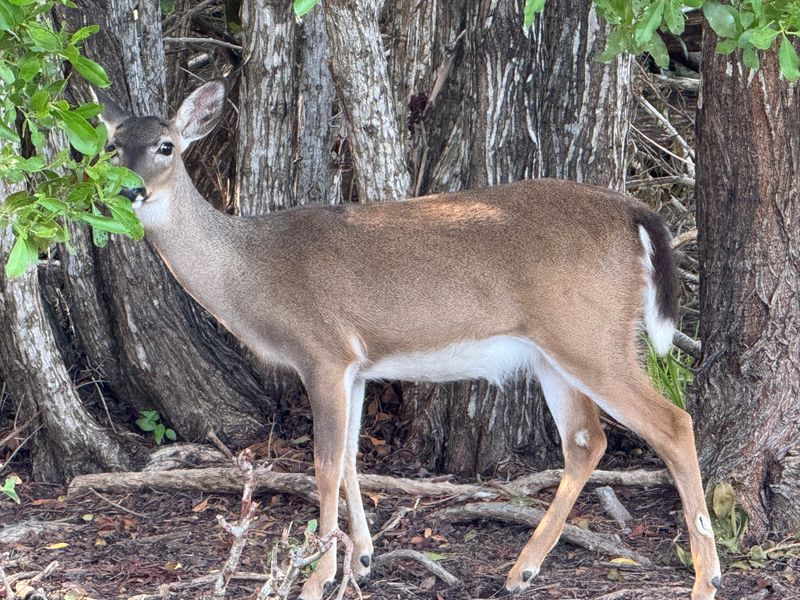
In the Lower Keys, tiny Key deer step from hammocks into neighborhoods like shy neighbors. Cooler months mean more daytime movement along refuge paths and quiet streets. They browse low shrubs and glance up with liquid eyes.
Drive slowly on Big Pine Key and obey speed zones. Park, walk, and give them space to choose the distance. A calm stance rewards you with authentic moments.
Never feed wildlife. Keep dogs leashed and voices low so deer do not bolt into traffic. You leave grateful for a small life thriving on small islands.