10 Laid-Back Florida Islands Worth Escaping To This Year
Florida’s mainland beaches get all the attention, but the real magic happens offshore. Tucked along the Gulf, Atlantic, and Keys, Florida’s islands offer powdery sand, quiet water, and that rare chance to slow down without apology. Whether you want shell-hunting solitude or a bike-friendly beach town with character, these ten islands deliver the kind of low-key escape that sticks with you long after you leave.
1. Caladesi Island (Dunedin)
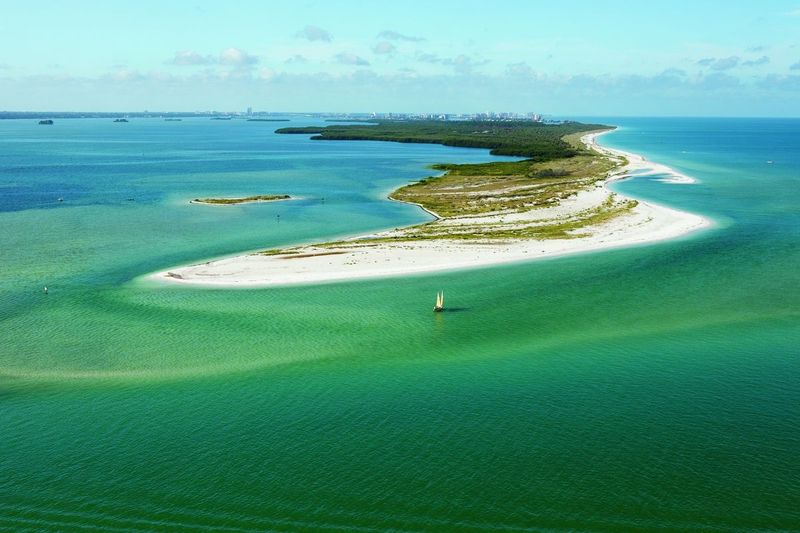
Getting to Caladesi requires a boat, and that’s exactly the point. No bridge means no traffic, no chain stores, and no crowds that feel like a theme park. Florida State Parks calls it one of the few untouched islands along the Gulf Coast, and once you step onto that sugar-white sand, you’ll understand why.
The water here is calm and clear, perfect for wading or floating without fighting waves. A three-mile nature trail winds through mangroves and coastal scrub if you want a break from the beach. Bring your own snacks and sunscreen because amenities are minimal by design.
You can catch the ferry from Honeymoon Island or paddle over in a kayak if you’re feeling adventurous. Either way, leave your mainland stress on the dock. Caladesi rewards visitors who embrace the slower pace and appreciate a beach that still feels wild.
Pack light, bring a cooler, and plan to stay awhile. This isn’t a place for quick selfies and a hasty exit. It’s for soaking in the kind of quiet that reminds you why Florida’s islands are worth the extra effort.
No high-rises, no noise, just Gulf breeze and soft sand underfoot.
2. Cayo Costa (Near Pine Island)
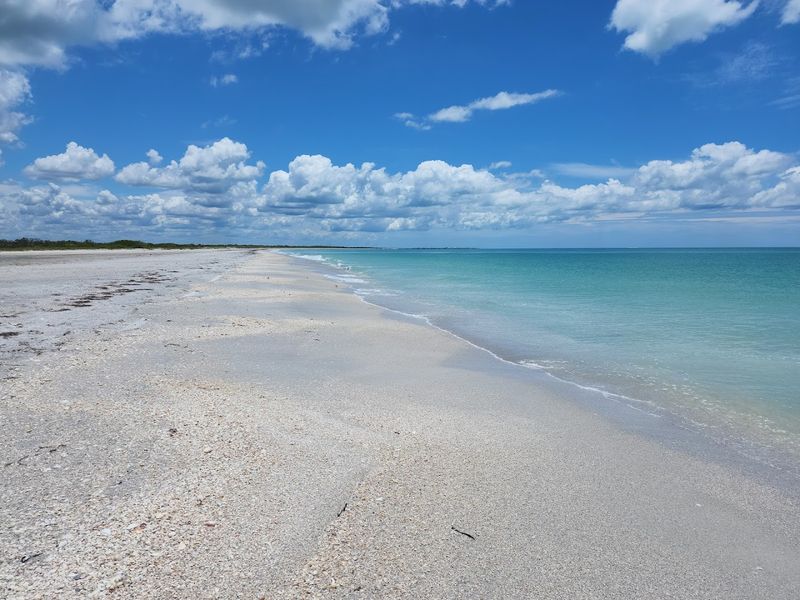
Cayo Costa doesn’t do resorts or beach bars, and that’s the whole appeal. This barrier island near Pine Island is raw, remote, and best suited for travelers who’d rather collect shells than scroll their phones. One of Florida’s great barrier-island escapes, it’s a low-key nature trip that feels miles away from civilization.
Long beach walks here mean actual solitude, with shorebirds and shell piles as your only company. The Gulf-facing beaches stretch for miles, and the bay side offers calmer water for kayaking through mangroves. Primitive camping is available if you want to wake up to sunrise over untouched sand.
Access is by boat or ferry, so plan accordingly. There’s no bridge, no convenience store, and no WiFi to distract you. Bring everything you need because once you’re here, you’re committed to unplugging.
If your idea of paradise involves more nature than nightlife, Cayo Costa delivers. Expect to see dolphins, pelicans, and maybe a manatee if you’re lucky. The island’s lack of development isn’t a drawback—it’s the main attraction.
Come prepared, stay curious, and let the island reset your internal clock to something closer to island time.
3. Anna Maria Island (Manatee County)
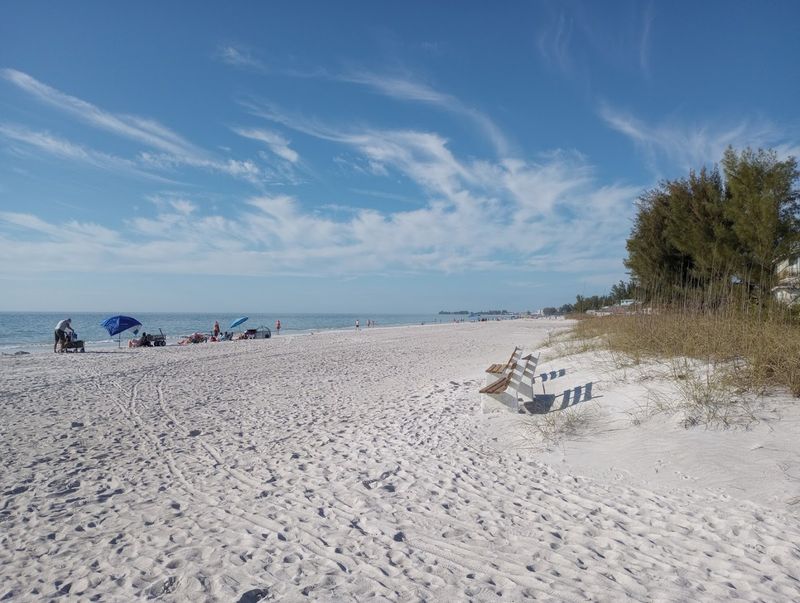
Anna Maria Island nails the balance between beach ease and local character. Soft Gulf sand, mom-and-pop shops, and a free trolley that loops the island make this a classic no-rush Florida escape. Southern Living recently highlighted it as a local-loved Florida day trip with an authentic beach-town feel, and that’s no exaggeration.
The island’s three main towns—Bradenton Beach, Holmes Beach, and Anna Maria—each have their own vibe, but all share that easygoing energy. You’ll find pier fishing, waterfront cafes, and ice cream shops that feel like they’ve been there forever. No chain restaurants dominate here, which keeps things refreshingly real.
The beaches are wide, the water is calm, and the sunsets are the kind that make you stop mid-conversation. Rent a bike or golf cart and explore at your own pace. The island is small enough to cover in a day but charming enough to keep you coming back.
Parking can get tight during peak season, so arrive early or use the trolley. Accommodations range from vintage beach cottages to newer rentals, but nothing here screams resort. That’s intentional.
Anna Maria thrives on keeping things simple, local, and genuinely welcoming.
4. Sanibel Island (Lee County)
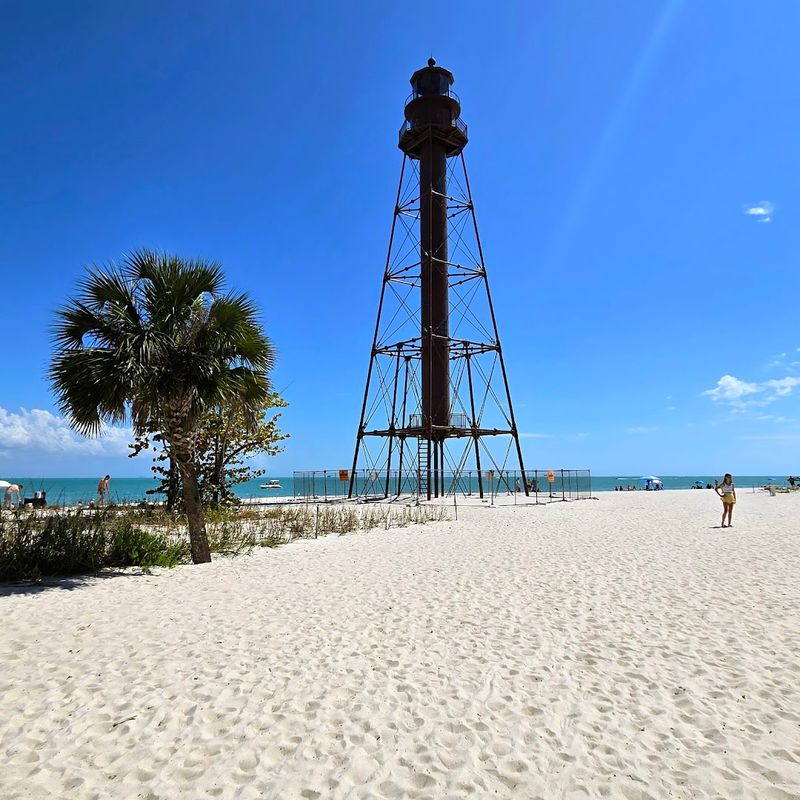
Sanibel built its reputation on shells, and for good reason. The island’s east-west orientation catches shells in a way that makes beachcombing feel like a treasure hunt. Southern Living notes Sanibel’s laid-back feel, no high-rises, no stoplights, and 25 miles of bike paths, which pretty much sums up the island’s commitment to staying chill.
Biking here isn’t just an activity—it’s the preferred way to get around. The paths are shaded, well-maintained, and take you past wildlife refuges where you can spot roseate spoonbills and alligators. The J.N. “Ding” Darling National Wildlife Refuge is a must if you care about birds or just want to see Florida’s wild side.
The beaches are soft, the Gulf is calm, and the sunsets are reliably stunning. Sanibel doesn’t rush you, and there’s no pressure to do anything beyond what feels right in the moment. Rent a bike, grab a beach chair, and let the island set the pace.
Post-Hurricane Ian recovery has been ongoing, but Sanibel’s spirit remains intact. Check ahead for specific business and beach access updates. The island’s commitment to low-rise, nature-focused tourism hasn’t wavered, and that’s what keeps visitors coming back year after year.
5. Gasparilla Island (Boca Grande)
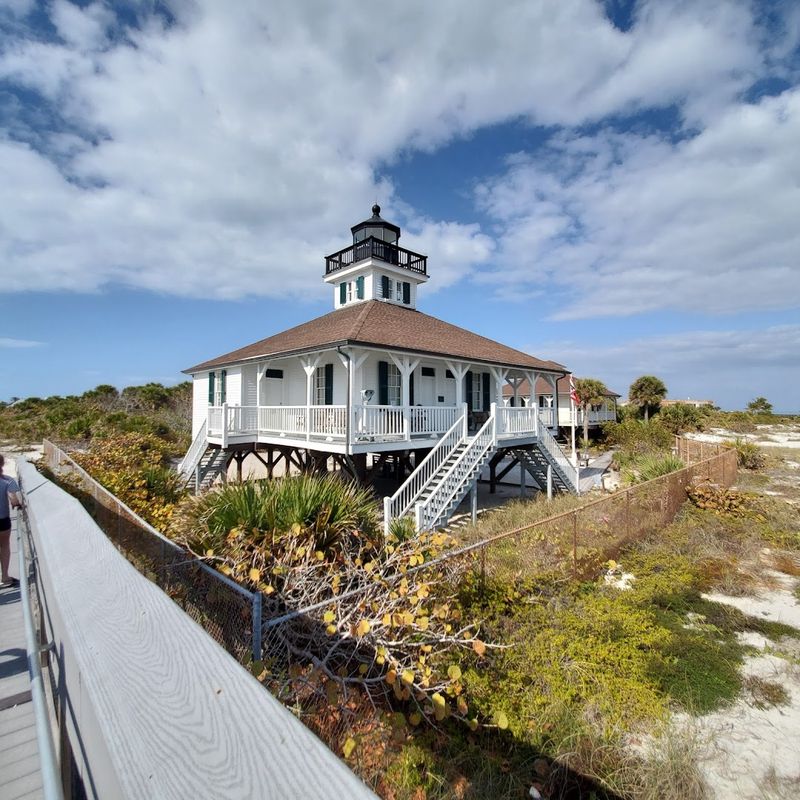
Gasparilla Island feels like stepping into a postcard from a more gracious era. Southern Living describes it as a tranquil Gulf Coast retreat with pristine white-sand beaches, and that polished-but-peaceful vibe runs through everything here. Boca Grande, the island’s main town, is compact, walkable, and refreshingly low-key despite its upscale reputation.
The lighthouse at the island’s southern tip is worth the visit, both for history and for the views. The beaches are wide, soft, and never feel overcrowded, even during busy weekends. Boutique browsing along the main drag offers a nice break from the sand, with shops that lean local rather than generic resort fare.
Fishing is big here, especially tarpon season, which draws anglers from all over. But you don’t need a rod to appreciate the island’s Old Florida charm. Rent a bike, explore the quiet streets, and soak in the unhurried pace that makes Gasparilla feel like a well-kept secret.
Accommodations tend toward historic inns and rental cottages rather than big resorts, which helps preserve the island’s character. Dining options are solid, with waterfront spots that serve fresh seafood without the tourist-trap markup. Gasparilla rewards visitors who appreciate understated elegance and a slower, more intentional kind of beach escape.
6. Amelia Island (Northeast Florida)
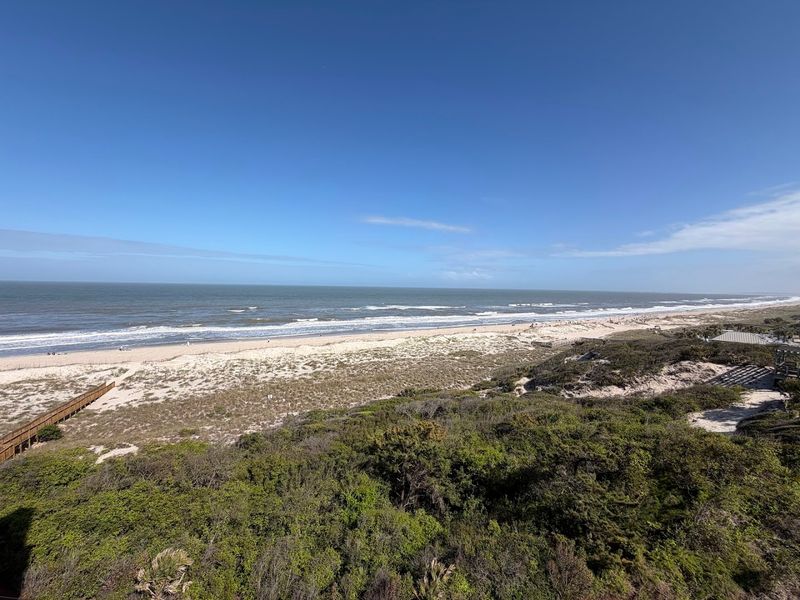
Amelia Island sits up in Northeast Florida, where the Atlantic meets a slightly Southern coastal feel. Historic Fernandina Beach anchors the island with Victorian architecture, brick streets, and a walkable downtown that feels genuinely lived-in. This is a strong choice when you want charm without giving up restaurants and inns that actually deliver.
The beaches here are wide and quiet, with stretches of sand that invite long walks and fewer crowds than you’d find farther south. Biking is easy and encouraged, with paths that wind through maritime forests and past marshes where herons hunt at low tide. The pace is relaxed, but there’s enough going on to keep you entertained.
Fort Clinch State Park offers history, hiking, and fishing if you want more than beach time. The fort itself is well-preserved, and the park’s trails give you a taste of Florida’s coastal ecosystems without the tourist gloss. Amelia Island blends nature, history, and beach ease better than most Florida destinations.
Accommodations range from boutique inns to beachfront resorts, so you can pick your level of polish. Dining options lean local, with seafood spots that source from nearby waters. Amelia Island works well for travelers who want a laid-back Atlantic escape with a little extra personality and plenty of room to breathe.
7. St. George Island (Forgotten Coast)
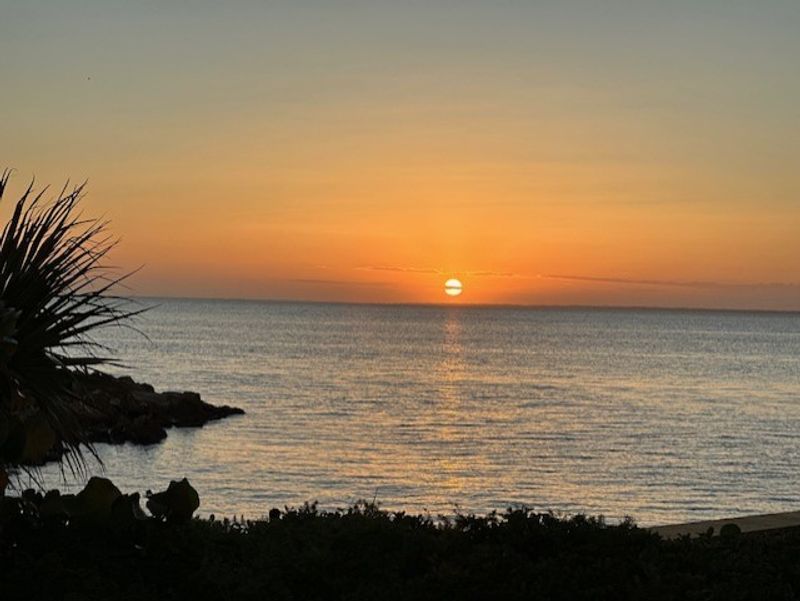
St. George Island delivers wide beaches, fewer crowds, and an easygoing Panhandle pace that makes it one of Florida’s best “do less, breathe more” islands. The Forgotten Coast earned its nickname because development here never exploded, leaving St. George feeling refreshingly unhurried and unspoiled.
Beach houses line the island, offering a home-base vibe that’s perfect for families or groups who want space to spread out. The Gulf-facing beaches stretch for miles, with soft sand and calm water that’s ideal for wading, floating, or just zoning out under an umbrella. Fishing is popular, whether from the pier or by casting into the surf.
St. George Island State Park anchors the eastern end, with pristine beaches, nature trails, and camping for those who want to wake up steps from the water. The park’s undeveloped feel is a big draw—no boardwalks, no concessions, just sand and sea oats and the occasional dolphin cruising by.
The island works well as a base for exploring the quieter Forgotten Coast, including nearby Apalachicola with its oyster houses and historic downtown. But honestly, you might not leave St. George once you settle in. The island’s lack of attractions is exactly what makes it so appealing.
Bring books, bring sunscreen, and let the slow pace do its thing.
8. Bahia Honda Key (Florida Keys)
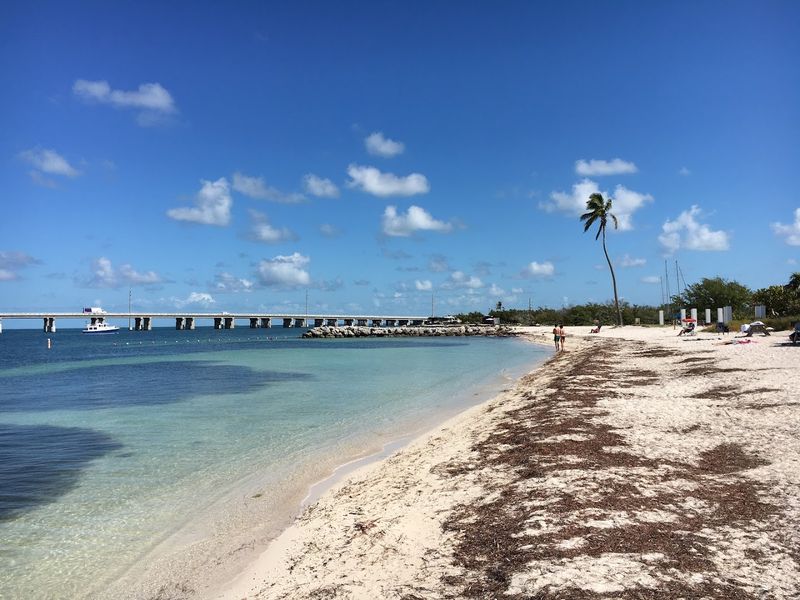
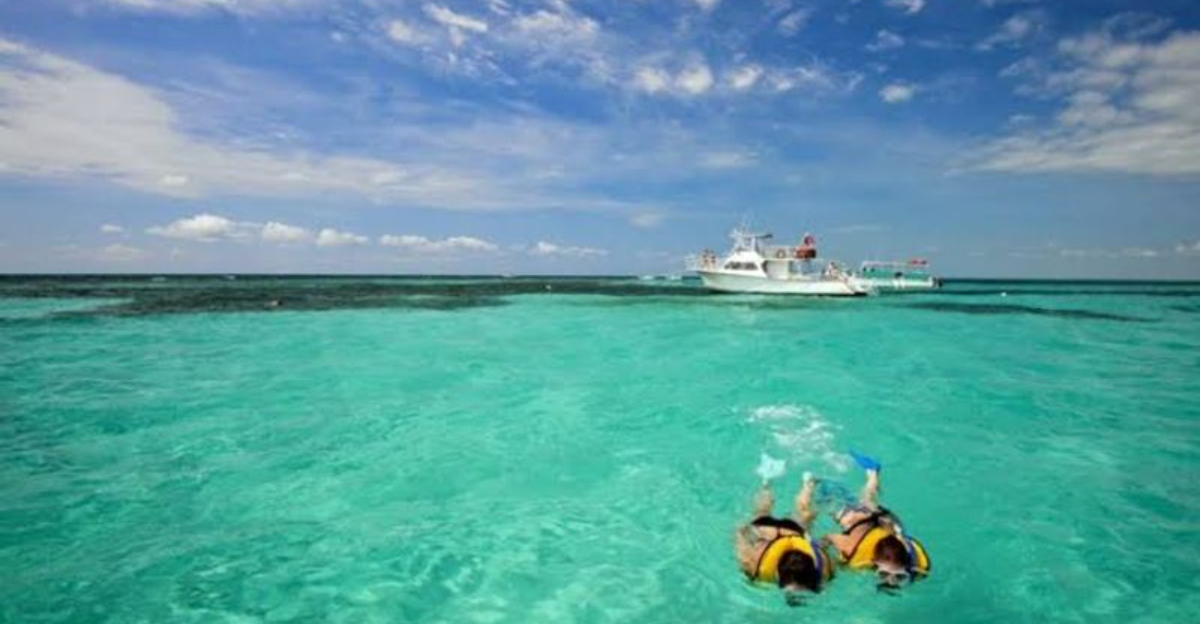
Bahia Honda Key is a dreamy Keys escape where clear water, snorkeling, and kayaking take center stage. Florida State Parks describes Bahia Honda as an island park made for nature, history, and recreation, with reef snorkeling trips available for those ready to explore underwater. The park’s beaches consistently rank among the best in the Keys, and for good reason.
The water here is impossibly clear, with shades of blue and green that look filtered even though they’re not. Snorkeling the offshore reef reveals tropical fish, coral formations, and the kind of marine life that makes you forget you’re still in the continental U.S. Kayaking through the mangroves offers a quieter way to explore, with chances to spot herons, crabs, and maybe a nurse shark gliding below.
The old Bahia Honda Rail Bridge provides iconic views and a piece of Keys history. Climb up for sunset if you can—it’s one of those moments that justifies the drive down the Overseas Highway. The park also offers camping, cabins, and picnic areas if you want to extend your stay.
Bahia Honda strikes that rare balance between natural beauty and easy access. You don’t need a boat or a guide to enjoy it, just a willingness to slow down and appreciate what makes the Keys special.
9. Siesta Key (Sarasota)
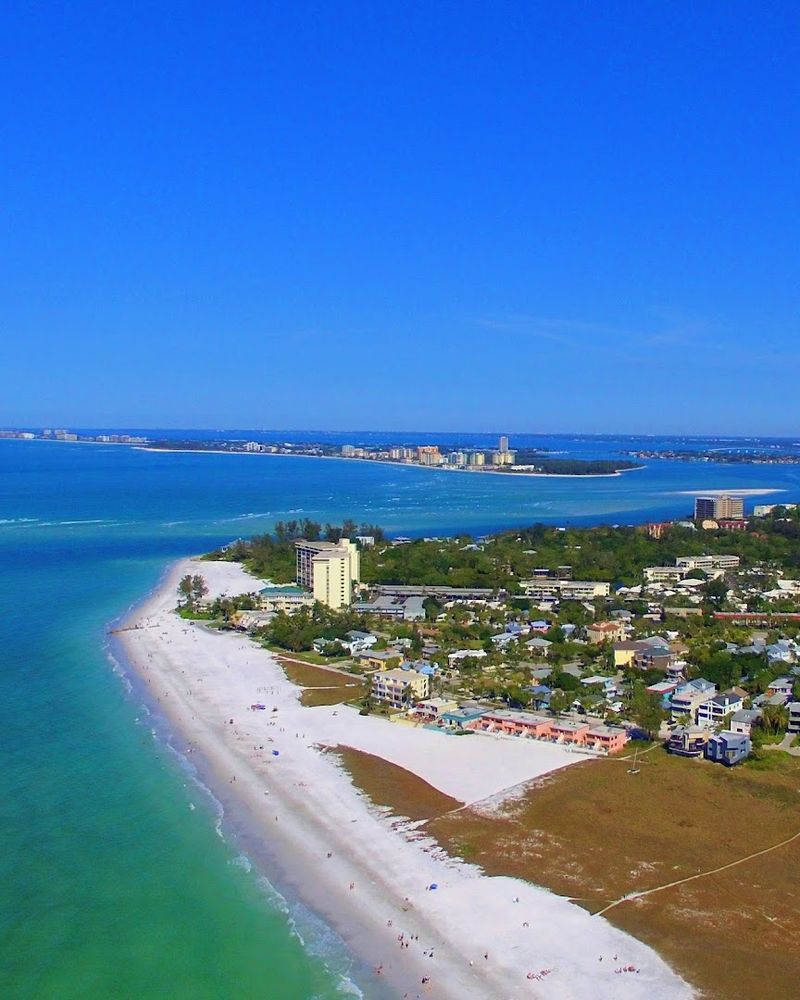
Siesta Key’s quartz sand is legitimately famous—powdery, cool underfoot even in summer heat, and bright enough to make you squint. The beach is popular, no question, but the Gulf water stays calm and the sand stays soft, which means it still feels relaxing once you claim your spot. It’s especially good for travelers who want beach ease plus quick access to restaurants and Sarasota.
The main public beach gets busy, but head north or south and you’ll find quieter stretches where the crowds thin out. Siesta Village offers casual dining, beach bars, and shops within walking distance, so you’re never far from food or a cold drink. The vibe is laid-back tourist rather than Spring Break chaos.
Sunset at Siesta Key is a ritual, with drum circles and impromptu gatherings that feel more communal than performative. Bring a chair or a towel, settle in, and watch the sky turn shades of orange and pink over the Gulf. It’s a simple pleasure that never gets old.
Parking can be a challenge during peak times, so arrive early or consider alternative access points. The sand quality alone makes Siesta Key worth the visit, but the combination of beach beauty, nearby amenities, and Sarasota’s cultural offerings gives it staying power beyond the typical Florida beach town.
10. Key Largo (Upper Keys)
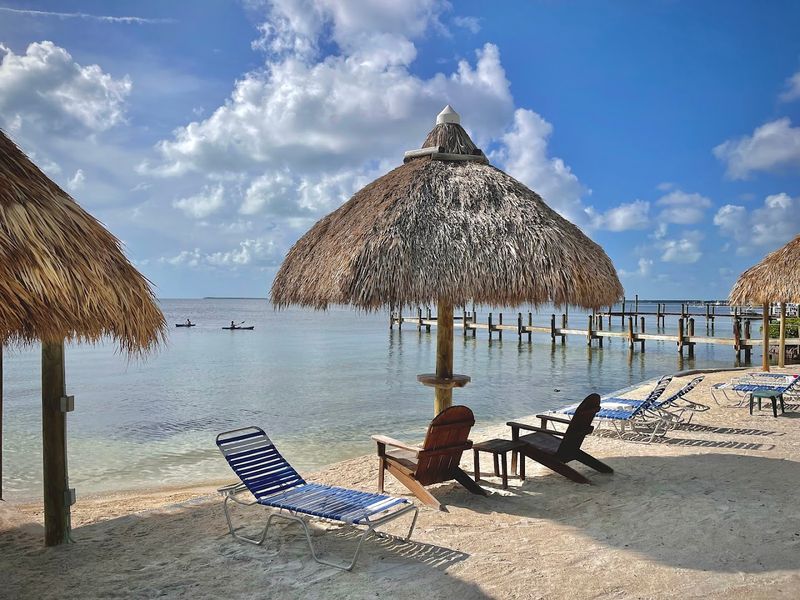
Key Largo sits at the top of the Keys, offering a more mellow alternative to Key West’s party-heavy pace. Snorkeling and diving are the main draws, with access to John Pennekamp Coral Reef State Park and the underwater Christ of the Abyss statue that’s become a bucket-list dive site. The reef here is vibrant, accessible, and teeming with marine life.
Paddling through the mangroves offers a quieter way to explore, with narrow channels that wind through tangled roots and calm water that’s perfect for beginners. You’ll likely spot manatees, rays, and an impressive variety of birds. Waterfront seafood restaurants serve fresh catches with views that make every meal feel like a mini-vacation.
Key Largo works especially well for travelers who want the Keys vibe without the intensity of the Lower Keys. The pace is unhurried, the scenery is tropical, and the focus stays on nature and water-based activities rather than bar-hopping. Accommodations range from budget motels to waterfront resorts, giving you flexibility based on your travel style.
The drive down the Overseas Highway is part of the experience, with ocean views on both sides and that distinct feeling of leaving the mainland behind. Key Largo rewards visitors who come ready to get wet, slow down, and appreciate the Upper Keys’ blend of natural beauty and low-key island ease.